

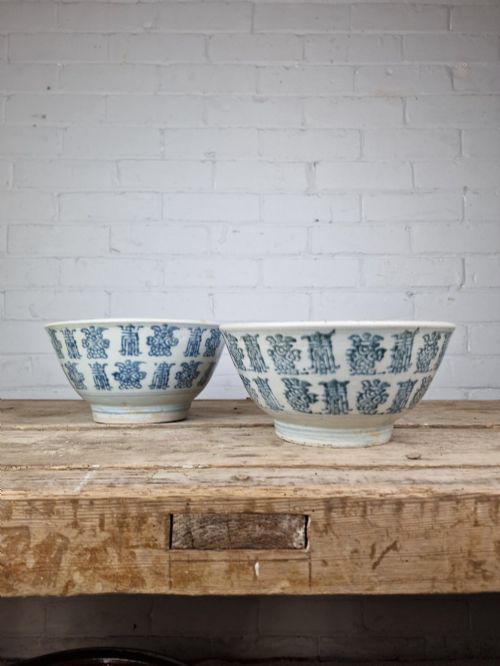
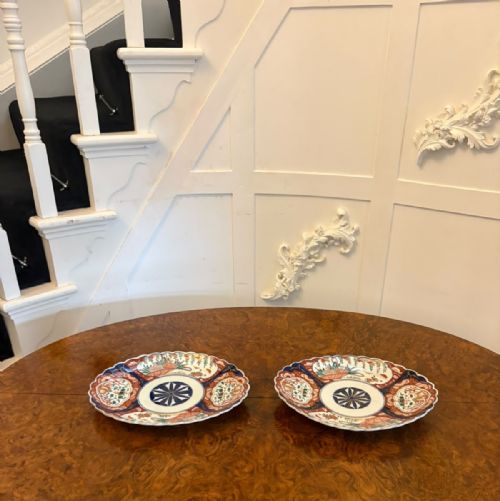

Antique Oriental Porcelain Pair
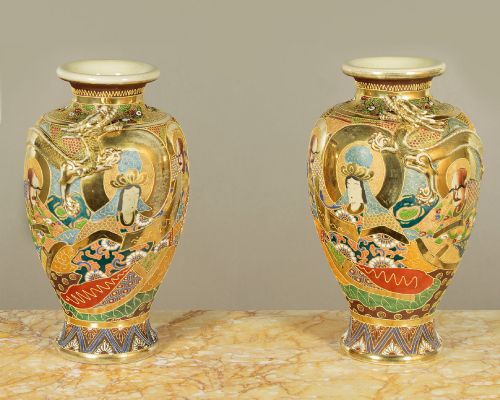
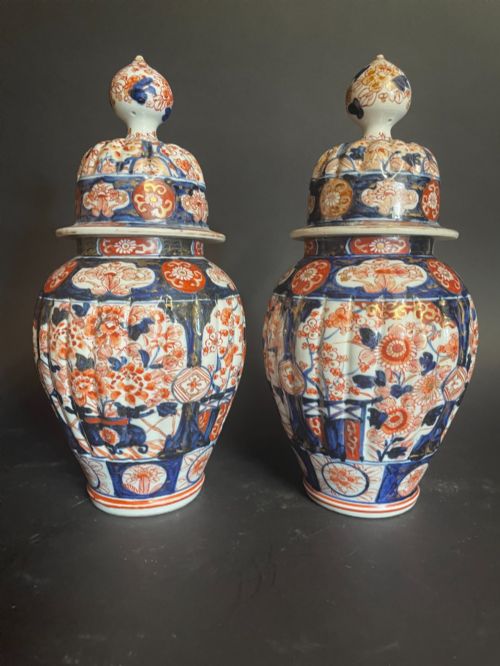
These antique oriental porcelain pairs range from Satsuma vases to Imari chargers, offering balanced symmetry for interior display.
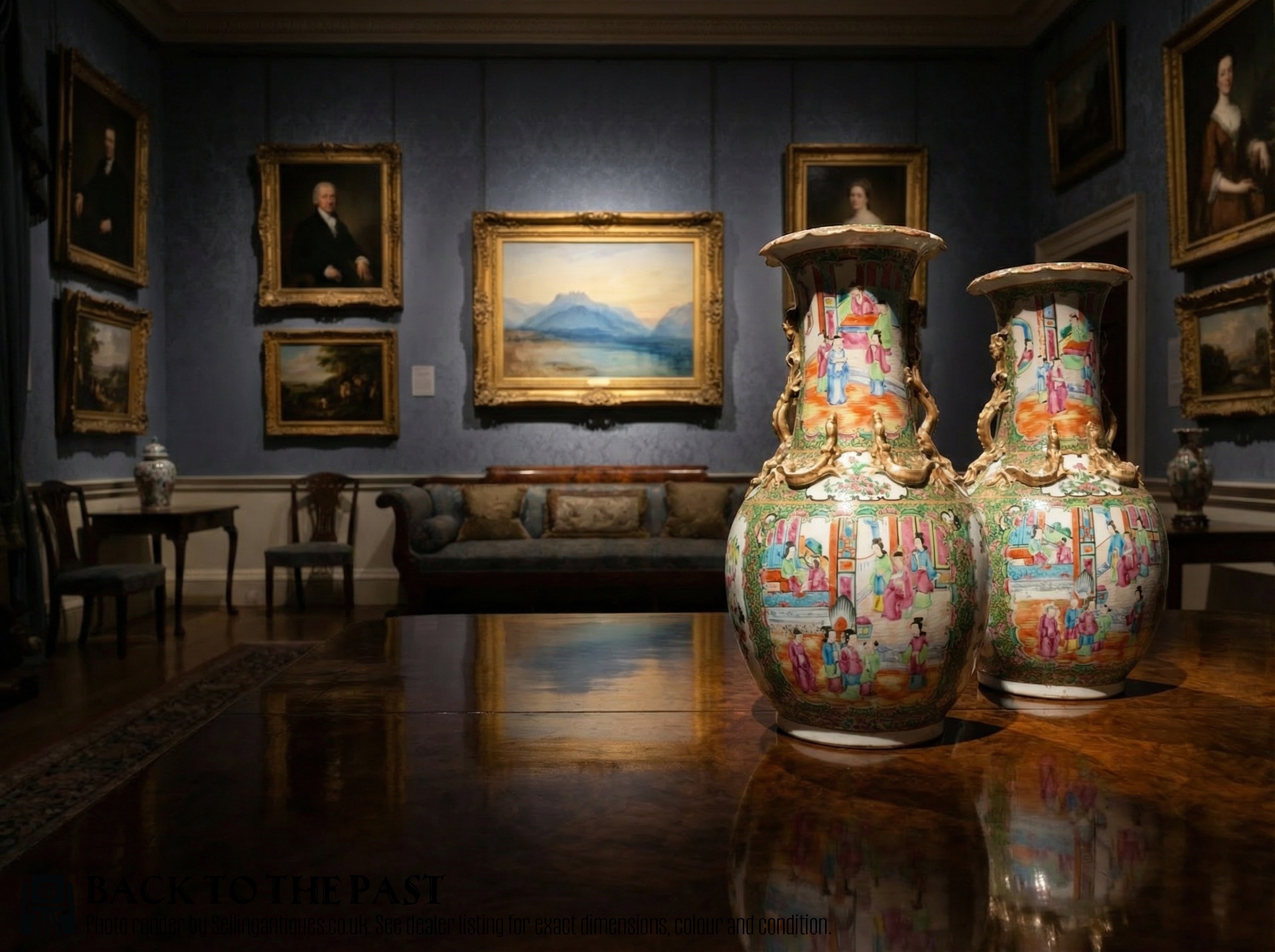
Antique Oriental Porcelain Pair
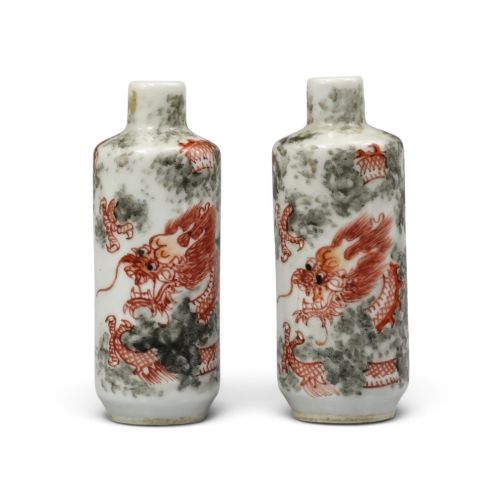
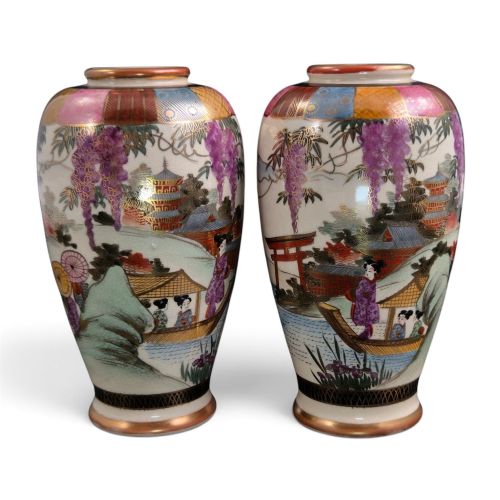
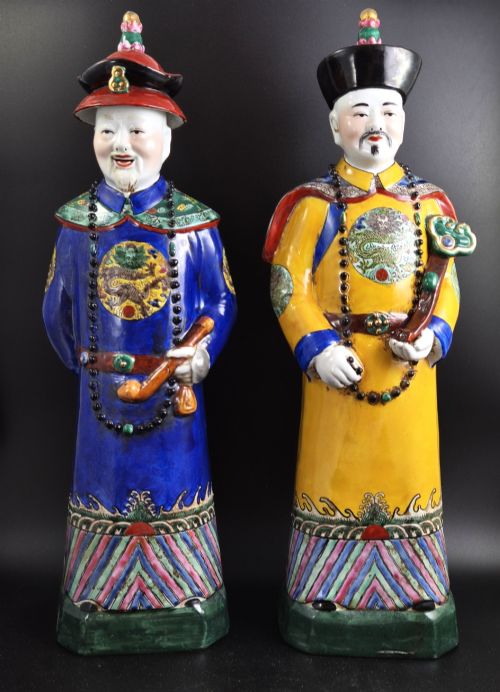
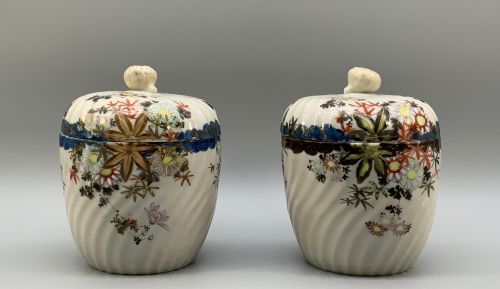
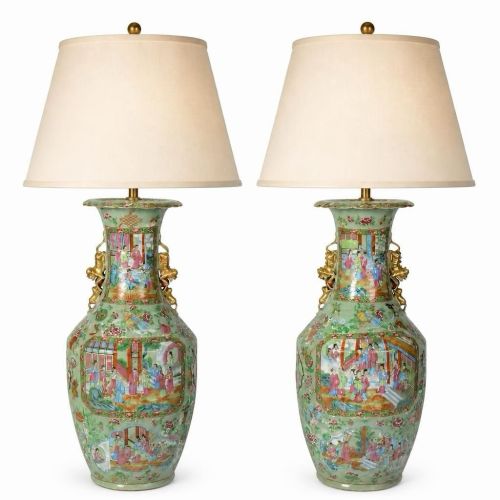
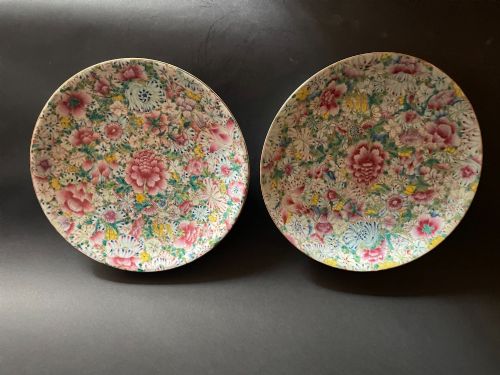
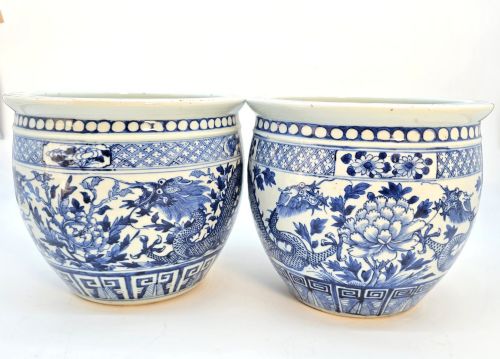
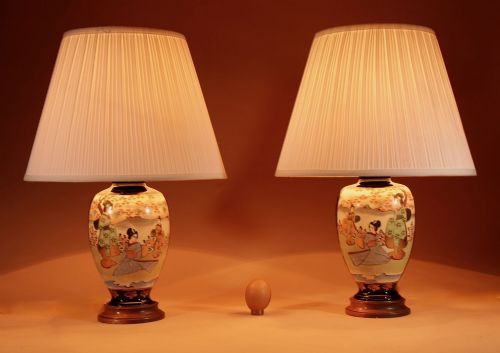
An antique oriental porcelain pair brings matched symmetry to a room, presenting dual vessels such as vases, lidded jars, dishes, and chargers designed to be displayed together. The selections span Chinese and Japanese traditions, taking forms from moon flasks and jardinières to table lamps and snuff bottles.
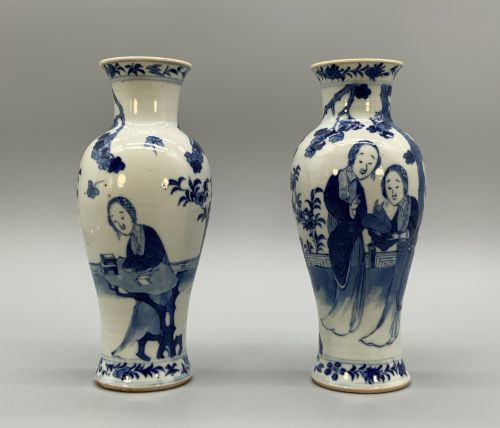
The pieces encountered on this page stretch across the nineteenth and twentieth centuries, encompassing Victorian, Edwardian, Meiji, and Qing periods. Buyers frequently encounter Japanese Imari plates and Satsuma vases alongside Chinese blue and white porcelain vessels.
Many items reflect historical export production intended for Western interiors, adapting traditional Eastern forms into decorative table lamps or large decorative display items. Surviving matching pairs remain sought after for mantelpieces and console tables where symmetry is desired.
Materials and production methods
The foundation of these objects lies in hard-paste porcelain and earthenware, shaped into balanced forms such as baluster vases and scalloped bowls. Makers applied glazes, cobalt blue underglazes, and polychrome enamels, sometimes incorporating gold leaf or gilt details to highlight painted motifs.
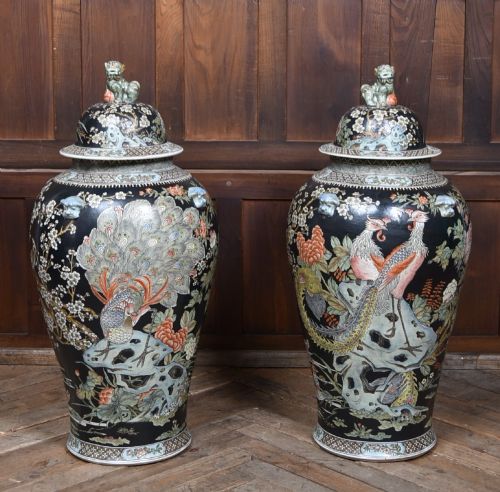
Decoration often combined hand-painted figural scenes, flora, and fauna like exotic birds and dragons with specialised techniques such as iron-red detailing and cracked glazes. Certain items include added mountings in brass or wood, or represent conversions into functional lighting fixtures.
Materials recorded across the inventory include porcelain, earthenware, enamel, gold leaf, gilt, brass, and wood.
Distinctions in quality and execution
Quality reveals itself in the precision of the hand-painting and the crispness of the cobalt blue or enamel pigments applied across both pieces of the pair. Finer examples show careful symmetry in matching motifs, controlled glazing, and well-defined detailing on figures and foliage.
The depth of the palette and the clarity of the porcelain paste distinguish standard production from exceptional studio outputs, particularly in signed Japanese Satsuma wares or finely potted Chinese blue and white pieces.
Hicks and Meigh·Manpei·Kinkōzan
The Antique Oriental Porcelain Pair Glossary
- Imari
- A style of Japanese porcelain featuring a distinct palette of underglaze blue, iron-red, and gilt highlights. These pieces were heavily exported to Europe during the Edo and Meiji periods.
- Satsuma
- A type of earthenware from Japan characterised by a cracked ivory glaze and elaborate polychrome enamel and gilt decoration. Satsuma pieces frequently depict landscapes, figures, and wisteria.
- Famille Rose
- A major palette of Chinese porcelain enamels introduced in the Qing dynasty, distinguished by opaque pink or rose colours derived from colloidal gold. The style depicts floral and figural compositions.
- Arita
- The Japanese town and surrounding region famous as the birthplace of Japanese porcelain production. Arita wares often encompass blue and white designs and Imari export styles.
Antique Oriental Porcelain Pair: Frequently Asked Questions
What defines an antique oriental porcelain pair?
An antique oriental porcelain pair consists of two matching decorative or functional vessels created in East Asia during earlier centuries. They share identical forms, decorative schemes, and dimensions intended for balanced display.
These sets commonly include vases, lidded jars, chargers, and dishes originating from Chinese and Japanese kilns. Their survival as matching pairs makes them particularly desirable for interior decoration.
How do I care for antique porcelain pairs?
Antique porcelain and earthenware require gentle dusting with a soft, dry cloth to protect delicate enamels and gilt highlights. Avoid using liquid cleaners, which can harm older glazes and exposed ceramic bodies.
Display the pieces away from direct sunlight and areas subject to sudden temperature fluctuations to preserve the pigments and prevent stress on the material.
Were these pieces made for export?
Many nineteenth and twentieth-century oriental porcelain pairs were produced specifically for export to Western markets. European and American demand shaped the creation of decorative table lamps, large chargers, and matched vases.
Export wares often adapted traditional domestic Eastern aesthetics to suit Western interior tastes, resulting in hybrid forms like converted lamps and garniture sets.