


Japanese Lidded Jars
Japanese lidded jars bring vibrant colour and intricate hand-painted detail to any room, offering traditional East Asian craftsmanship for modern interiors.
Japanese Lidded Jars
Japanese lidded jars encompass versatile ceramic vessels created for storage and display, appearing frequently as ginger jars, biscuit barrels, and decorative vases with matching covers. These pieces arrive primarily from the 19th century and the Meiji period, reflecting the steady export of domestic and decorative wares to Western markets.
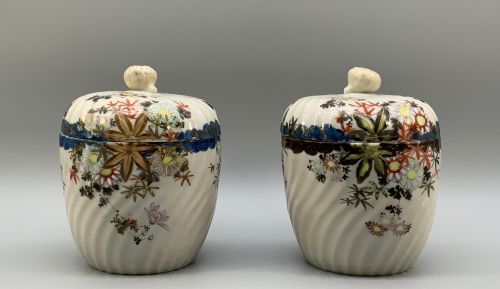
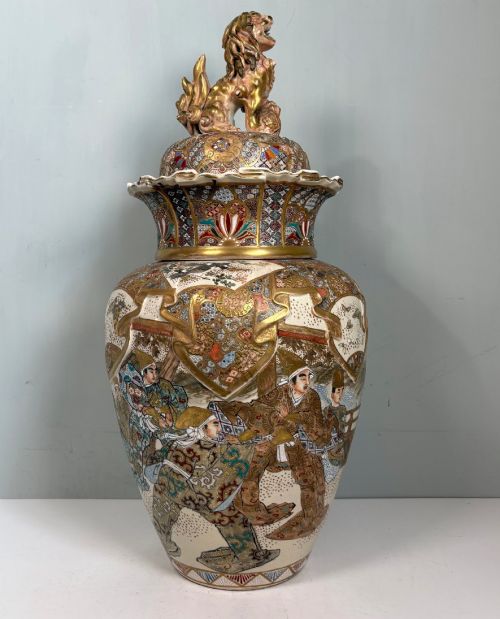
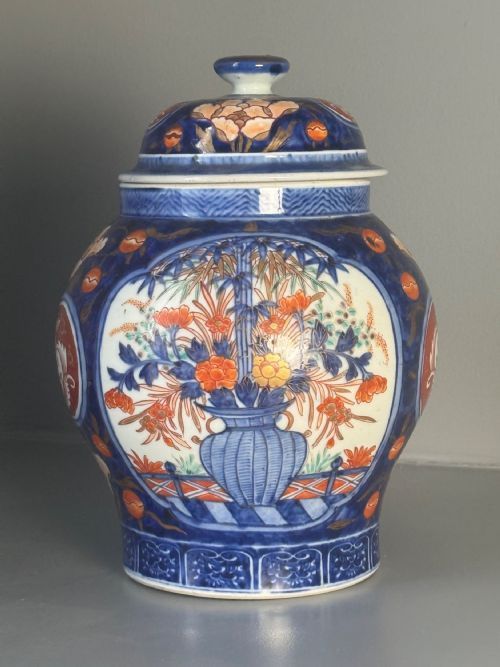
The selection ranges from robust earthenware Satsuma wares to fine porcelain Arita and Imari creations, alongside occasional cloisonne pieces utilising copper foundations. Forms vary from straight-sided ginger jars and gourd pots to large baluster vases designed to anchor a room.
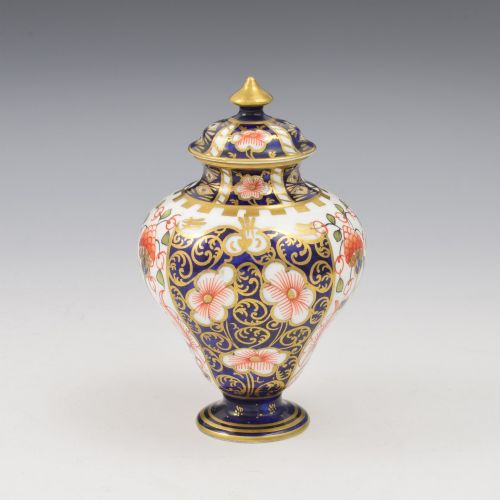
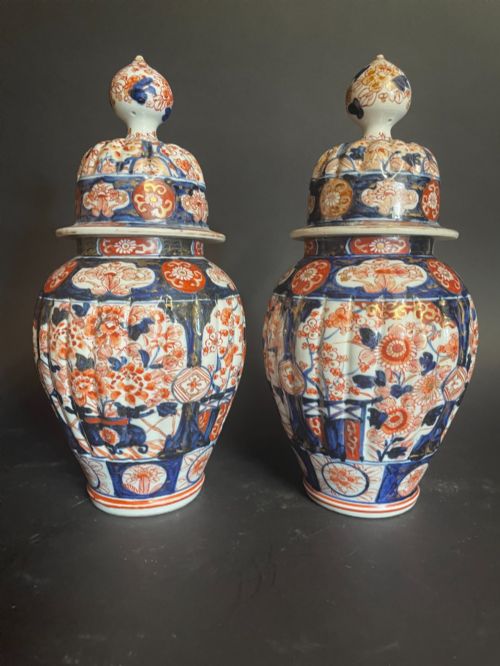
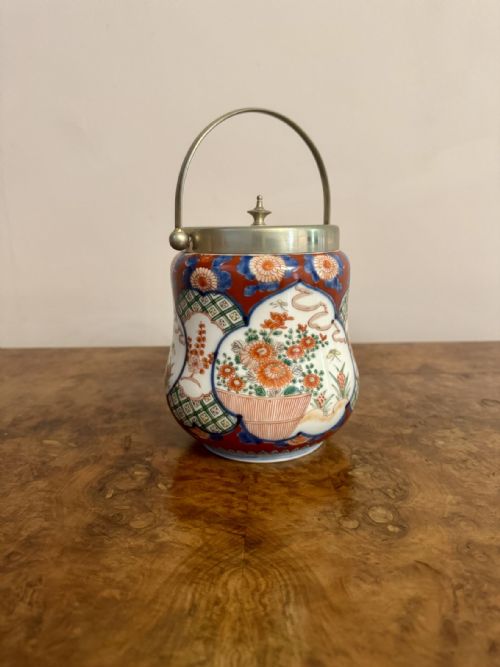
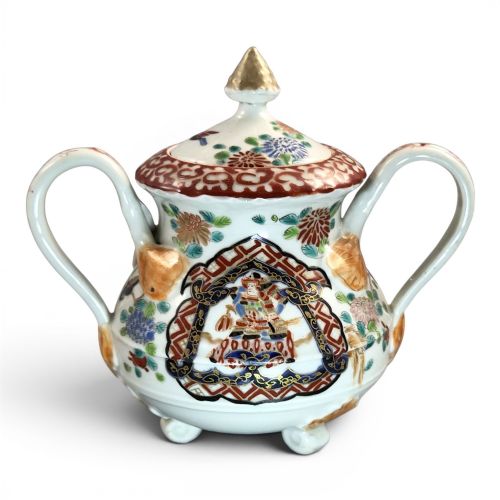
Buyers encounter traditional blue and white designs alongside the distinctive iron-red, cobalt blue, and gilding of the Imari palette. Many examples retain their original covers, which completes the silhouette and remains vital for collectors.
How they were made
Potters shaped porcelain and earthenware on the wheel or pressed clay into moulds, applying cobalt underglaze blue and enamel colours before firing the pieces in kilns. Artisans then layered gilding, gold leaf, and additional enamel details over the glaze.
Cloisonne examples involved soldering thin copper wires onto a metal body to form cellular compartments, which workers filled with coloured enamel paste before firing and polishing. This method produced smooth, decorative surfaces across jars and gourd pots.
Listings feature porcelain and earthenware materials alongside cloisonne on copper, spanning the 17th century through the Edwardian period.
What varies in quality
The precision and density of the hand-painted brushwork separate standard production pieces from exceptional works, with superior items displaying controlled lines and balanced composition. The richness of the gilding and the clarity of the enamel glazes also signal the skill involved in the firing process.
The survival of an original matching cover in undamaged condition elevates a piece, as many lids suffered breakage or loss over generations of handling. The depth of the potting and the weight of the ceramic body further distinguish studio output from commercial export wares.
Fukagawa·Shozan
The Japanese Lidded Jars Glossary
- Imari
- A traditional Japanese style of porcelain decoration originating from Arita, characterised by a palette of cobalt blue, iron-red, and gold. Pieces often depict floral motifs and brocade patterns.
- Satsuma
- An earthenware pottery type with a crackled ivory glaze, typically decorated with intricate enamel patterns and heavy gilding. Originating in Satsuma Province, production later spread to Kyoto and Tokyo studios.
- Cloisonne
- A technique where metal wires are applied to a base to create cells filled with enamel paste, which are then fired and polished smooth. Japanese examples from the Meiji period demonstrate exceptional control of this method.
- Ginger jar
- A ceramic vessel featuring a wide body and a domed lid, originally used in China and Japan for storing spices and salt. They became popular decorative objects in Western interiors during the 19th century.
- Arita
- The Japanese town where porcelain production began in the 17th century after the discovery of suitable clay. Arita wares formed the basis for much of the export porcelain sent to Europe.
Japanese Lidded Jars: Frequently Asked Questions
What were japanese lidded jars used for?
These vessels originally served practical household functions in Japan, storing dry goods such as tea, ginger, and spices. The tight-fitting lids kept contents fresh and protected from moisture.
Over time, European and American buyers valued them purely for display, placing them on mantelpieces and sideboards as decorative focal points.
How do I date a japanese lidded jar?
Dating relies on examining the ceramic body, glaze characteristics, and decorative style, comparing them against known production periods like the Edo and Meiji eras. Marks on the base, where present, can identify specific kilns or studios.
Export regulations and trade history also help narrow down the decade of manufacture for 19th-century pieces.
Are lids usually original to the jar?
Most surviving examples retain their matching covers, particularly those preserved in collections or handled with care. Because lids were easily dropped or broken, replacements do occur on the market.
Inspecting the glaze continuity and clay body between the jar and cover helps confirm whether they started together.
How should I display them at home?
Japanese lidded jars work well on wooden consoles, shelves, or tables where their bright palettes and detailed patterns can be appreciated up close. Placing them away from direct sunlight protects the enamel colours and gilding from fading.
Pairing jars of contrasting heights or combining blue and white pieces with Imari patterns creates a balanced display.