




19th Century Japanese Pots
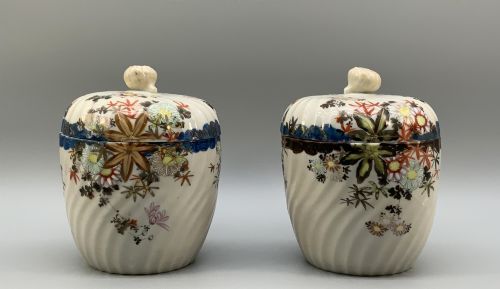
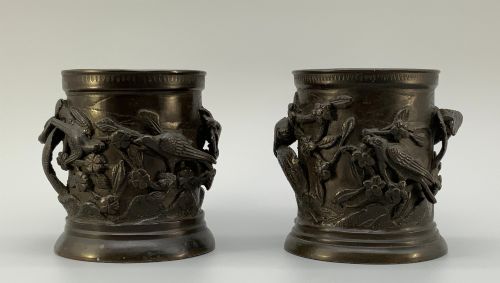
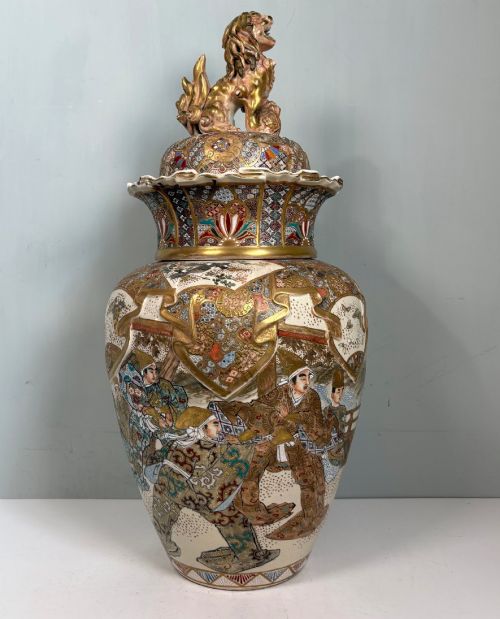
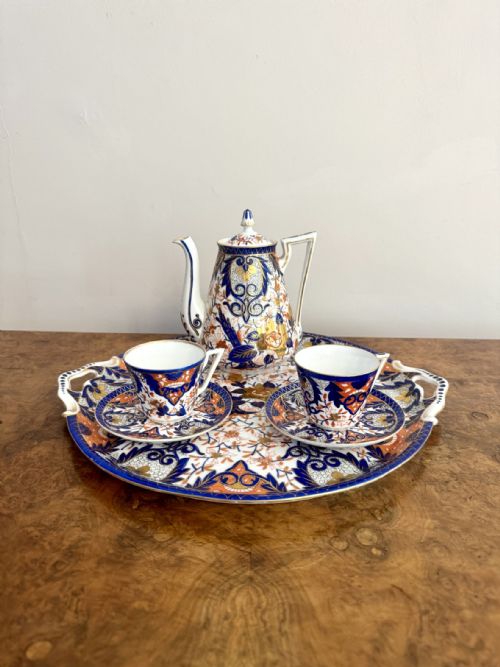
These 19th century japanese pots bring Meiji craftsmanship into a room, offering striking bronze planters, Imari porcelain, and cloisonné jars.
19th Century Japanese Pots
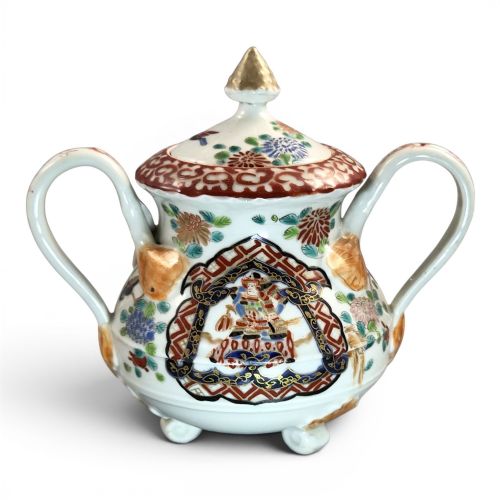
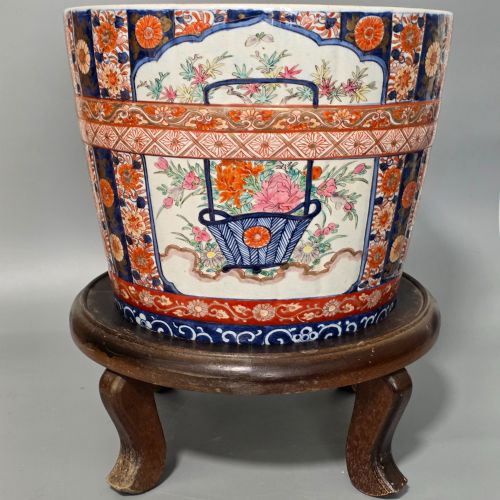
When you search for 19th century japanese pots, you encounter a diverse range of decorative vessels spanning the Meiji and Edo periods. These pieces include large bronze jardinieres, porcelain lidded jars, Imari sugar bowls, and ornate planters designed for display or interior planting.
The selections on this page highlight both bronze and porcelain forms, alongside occasional enamel work and coffee sets. Many pieces feature distinct Meiji period characteristics, reflecting traditional Japanese artistic motifs adapted for both domestic use and Western export markets during the nineteenth century.
What varies in quality
Quality rests upon the crispness of the casting in bronze pieces and the precision of the brushwork on porcelain. Superior examples display deep patination, balanced proportions, and cleanly applied pigments or gold leaf.
The presence of maker marks, such as the Fukagawa mark, often distinguishes finer productions from unmarked commercial wares. Heavier bronze planters and well-preserved Imari porcelain generally indicate superior workshop standards.
19th Century Japanese Pots Retail Price Guide 2026
Typical asking prices for 19th century japanese pots among the pieces listed under this phrase on Sellingantiques today, from the lower quarter to the upper quarter. They describe what is for sale here now, not the wider market.
Materials recorded across current inventory span porcelain, enamel, bronze, gold leaf, patinated bronze, earthenware, hardwood, and cloisonne enamel.
Fukagawa
The 19th Century Japanese Pots Glossary
- Meiji Period
- The era in Japanese history lasting from 1868 to 1912, marked by extensive artistic production and international trade. Many decorative pots and bronzes date from this dynamic period of design.
- Imari
- A style of Japanese porcelain featuring a distinct palette of underglaze blue, iron red, and gold. These colourful wares were widely exported to Europe during the nineteenth century.
- Jardiniere
- A large decorative pot or planter designed to hold growing plants or flowers. They appear in bronze, ceramic, and porcelain across nineteenth-century collections.
- Cloisonne
- A technique where enamel is applied to compartments created by soldering wire onto a metal base. Finished pieces are fired and polished to a smooth, glossy surface.
- Patinated Bronze
- Metalwork treated with chemicals or heat to produce a stable, decorative surface colour. This finish protects the bronze while adding depth to the sculptural details.
19th Century Japanese Pots: Frequently Asked Questions
How do I use a jardiniere indoors?
Jardinieres function well as decorative cachepots to conceal standard plastic plant pots. Place a saucer inside to catch drainage water and protect interior surfaces.
Position larger bronze or ceramic planters on stands or sturdy low tables to showcase their detailed surface work and form.
What is the difference between Imari and Satsuma ware?
Imari porcelain typically displays a vibrant palette of cobalt blue, iron red, and gold, often featuring geometric and floral patterns. It has a hard, resonant body suited for daily use.
Satsuma ware generally utilises an earthenware body with a crackle-glaze finish, decorated with detailed figural scenes and raised gold enamels.
How should I clean bronze planters?
Dust bronze surfaces gently with a soft, dry cloth to remove everyday accumulation. Avoid commercial metal polishes, which can strip the historical patina from nineteenth-century pieces.
Consult a professional restorer if the metal requires deeper cleaning or conservation work to preserve its original finish.
Can these pots be kept outside?
Most nineteenth-century Japanese porcelain and earthenware pots are sensitive to frost and extreme weather changes. Displaying them indoors protects the glazes and delicate enamel work from damage.
Heavy bronze planters can tolerate sheltered outdoor spaces, though fluctuating temperatures may alter the patinated surface over time.