





Cream Porcelain Lidded Pots
Cream porcelain lidded pots are small ceramic vessels finished with fitted covers, combining utility with delicate display for dressing tables or surfaces.
Cream Porcelain Lidded Pots
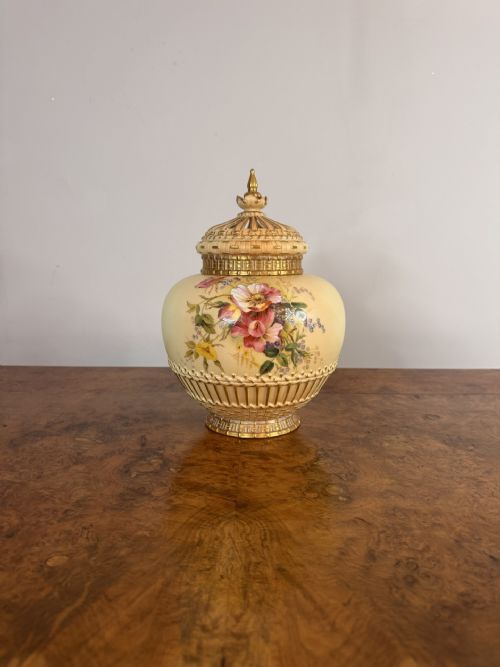
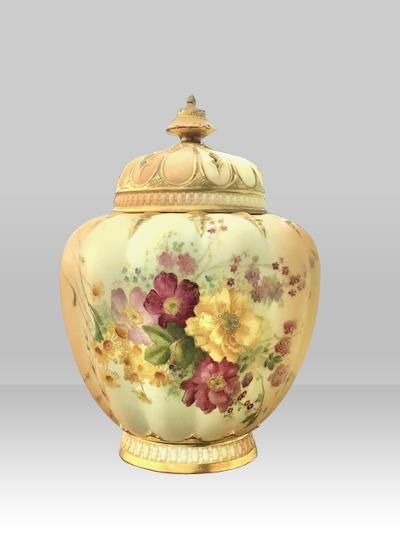
Cream porcelain lidded pots encompass diverse ceramic forms including lidded jars, sugar bowls, bonbonnières, and pot pourri vessels designed to hold small household items or scent. These pieces arrive from various origins and design traditions, spanning English porcelain manufactories, French makers, German studios, and Japanese workshops.
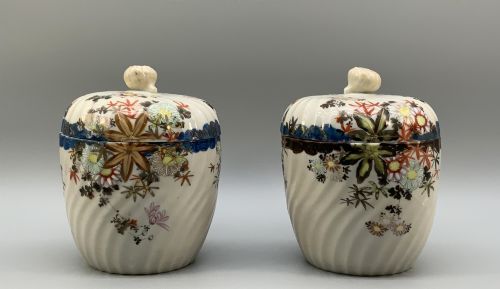
Japanese Satsuma production and English Royal Worcester blush ivory output form prominent groups within this category, alongside French cream pots and Meissen bonbonnières. These items serve as decorative ceramics and tableware, offering subtle colour palettes ranging from soft ivory tones to polychrome enamel highlights.
How they were made
Potters shaped these vessels using porcelain and earthenware bodies, applying smooth glazes to create pale cream surfaces that accepted subsequent painting and gilding. Artisans then utilised gold leaf and polychrome enamel to render floral motifs and intricate detailing across the body and covers.
Many workshops applied specialised techniques such as blush ivory grounds on English porcelain or detailed hand-painting over Japanese Satsuma crackle glazes. Gilding and enamel work received secondary kiln firings to fuse the metallic and coloured pigments securely to the porcelain surface.
Cream Porcelain Lidded Pots Retail Price Guide 2026
Typical asking prices for cream porcelain lidded pots among the pieces listed under this phrase on Sellingantiques today, from the lower quarter to the upper quarter. They describe what is for sale here now, not the wider market.
Several lidded vessels hide fragrant dried petals inside, turning storage jars into quiet room diffusers.
What varies in quality
The refinement of the painted decoration and the precision of the gilding separate standard production from exceptional examples, particularly where hand-painted floral motifs show fine brushwork. Signed pieces from recognised studios often display superior control over enamel application and body formation.
The harmony between the vessel and its matching cover indicates the care taken during manufacture, with well-fitted lids preserving the intended silhouette of jars, urns, and pot pourri vases. The translucency and finish of the porcelain body further distinguish finer ceramic output from commercial alternatives.
Royal Worcester·Shozan Kyoto Studio·Meissen
The Cream Porcelain Lidded Pots Glossary
- Blush ivory
- A matte cream porcelain finish developed by English potteries, often decorated with tinted floral patterns and gold highlights. This technique became particularly associated with Royal Worcester production.
- Bonbonniere
- A small decorative lidded container originally made to hold sweets or confections. These delicate pots frequently appear in fine European porcelain.
- Pot pourri
- A vessel featuring a pierced or fitted cover designed to diffuse the scent of dried flower petals and spices contained within. These pieces often take pedestal or urn forms.
- Satsuma
- A type of Japanese earthenware featuring a crackled cream glaze decorated with enamels and gold leaf. Kyoto studios produced notable examples during the Meiji period.
- Polychrome
- Multicoloured decoration employing various enamel pigments painted onto the ceramic surface. This technique allows for detailed pictorial and floral designs.
Cream Porcelain Lidded Pots: Frequently Asked Questions
What were cream porcelain lidded pots used for?
These lidded vessels served varied domestic functions, holding items such as sugar, confections, or fragrant dried plant matter depending on their specific form.
Examples shaped as jars and small pots sat upon dressing tables or sideboards, combining practical storage with decorative display.
How do I identify Royal Worcester blush ivory?
Royal Worcester blush ivory pieces feature a distinctive soft matte cream glaze applied to porcelain bodies during the late nineteenth and early twentieth centuries.
These items typically combine hand-painted floral decoration with subtle gilding across forms such as pot pourri vases and lidded jars.
What is Japanese Satsuma ware?
Satsuma ware consists of Japanese ceramic pieces characterised by an ivory-coloured earthenware body covered in a fine network of crackled glaze.
Workshops decorated these surfaces using rich polychrome enamels and gold leaf, frequently depicting floral subjects or traditional scenes.
How should I care for antique lidded pots?
Antique porcelain and earthenware require gentle handling, particularly around delicate handles, rims, and fitted covers that may be vulnerable to impact.
Dusting with a soft dry cloth maintains the surface without exposing fragile enamels or gilding to moisture and harsh cleaning agents.