
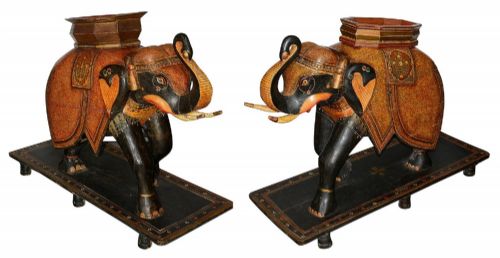
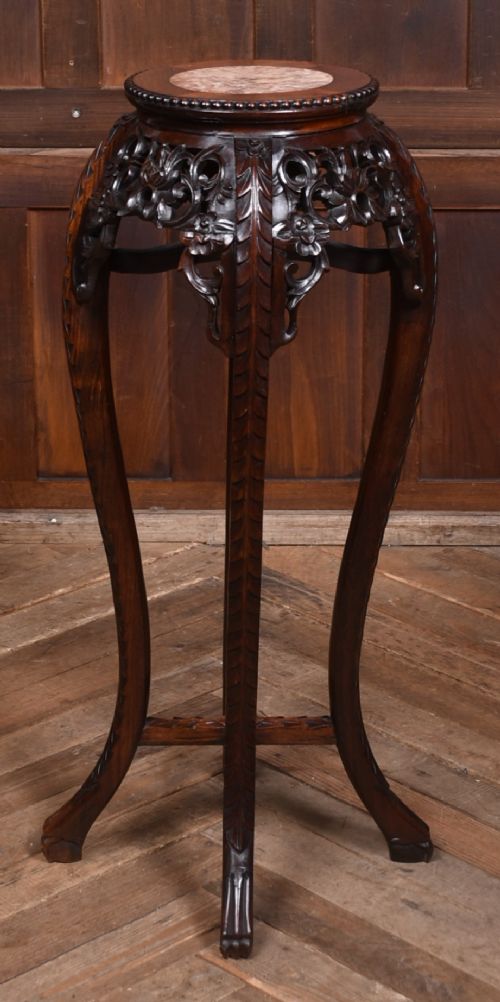


Antique Oriental Pedestal Stand
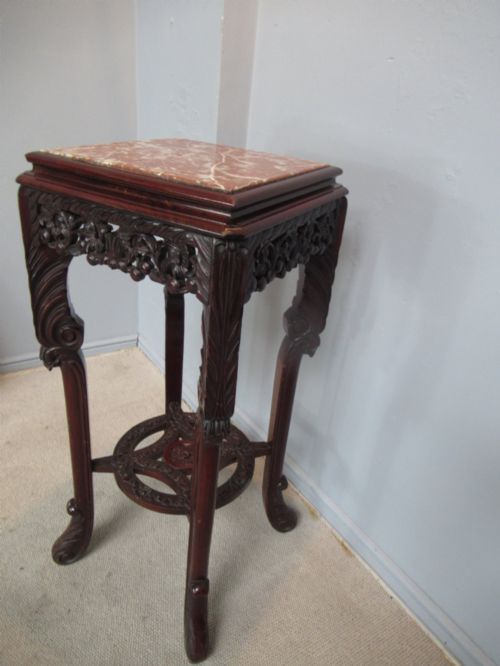
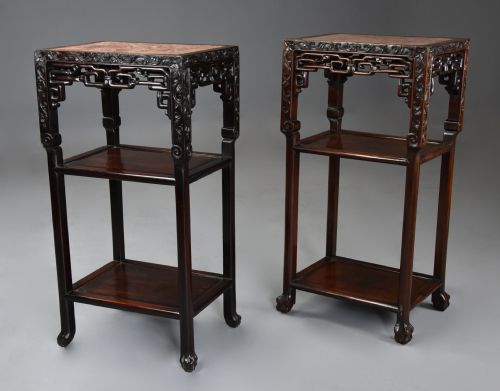
An antique oriental pedestal stand brings sculptural weight and rich timber grain to a corner, lifting plants and vases off the floor.
Antique Oriental Pedestal Stand
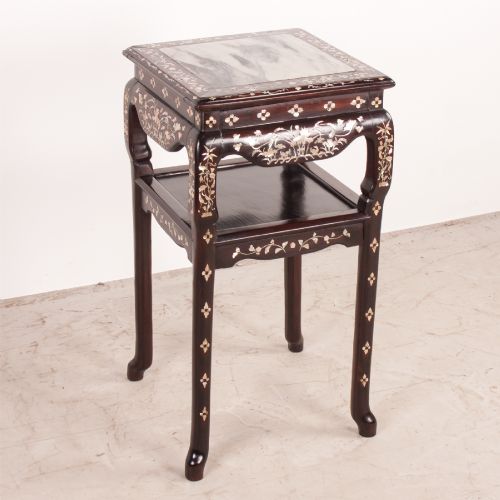
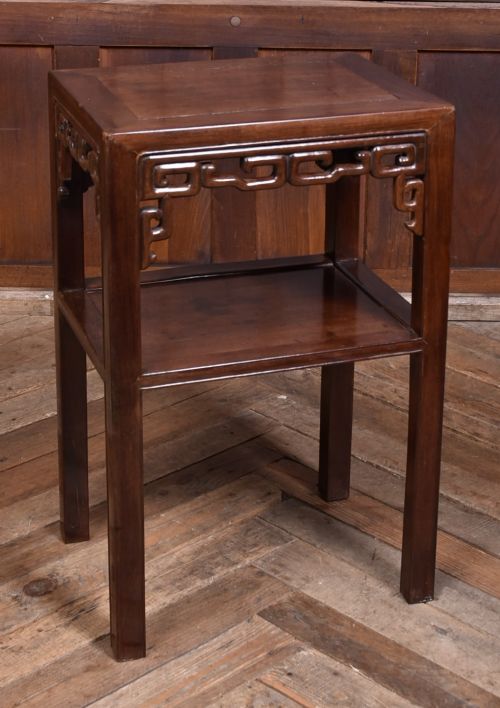
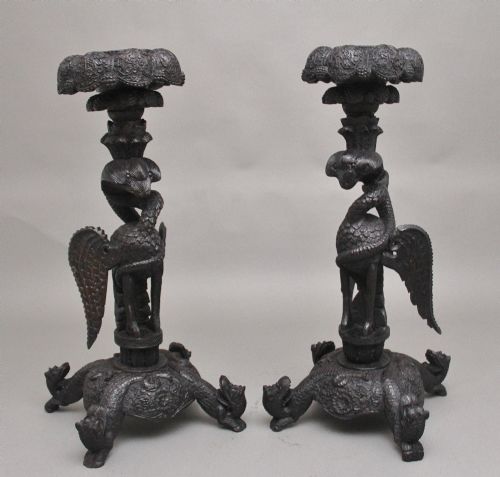
When searching for an antique oriental pedestal stand, buyers encounter pieces designed to elevate heavy ceramic bowls, bronze vessels and indoor plants. The selections here span the nineteenth century and the early decades of the twentieth, drawing from Chinese, Japanese, Anglo-Indian and Burmese traditions.
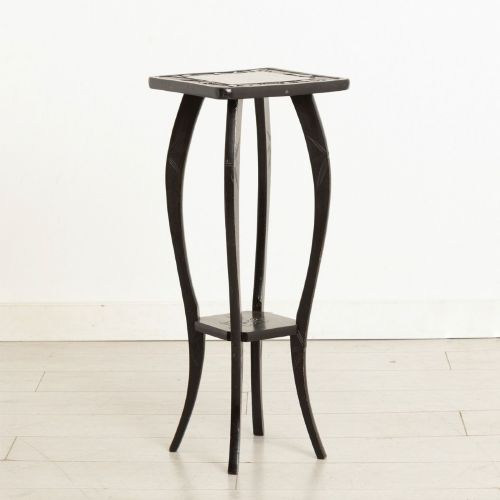
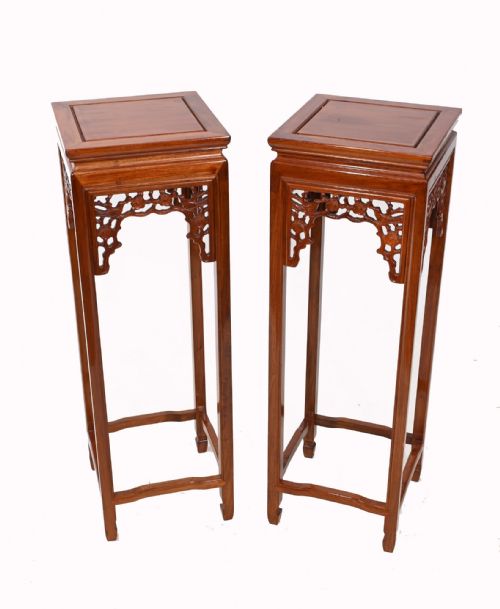
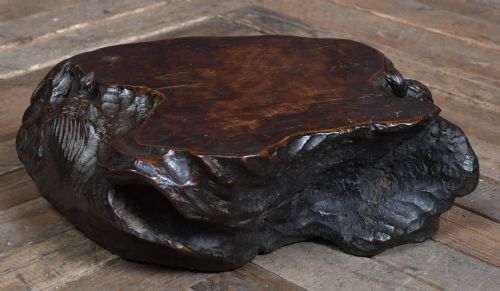
Most examples function as plant stands, jardiniere stands, torcheres or occasional tables, with forms varying from low stools to tall display columns. The grouping includes freestanding items, rectangular pot stands and occasional tables intended for specific interior display.
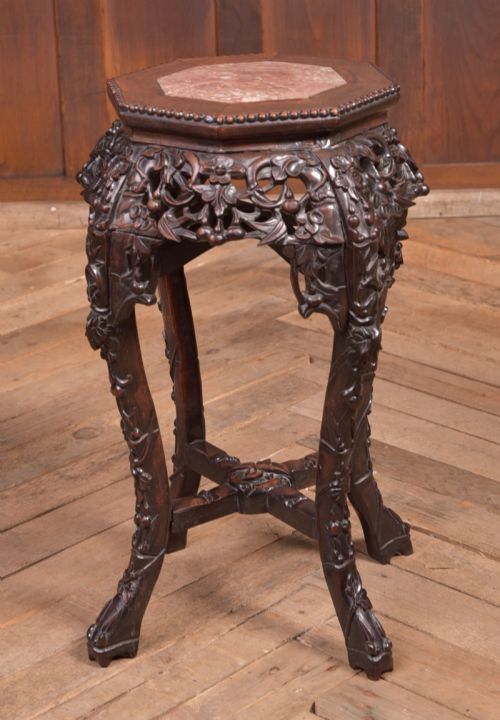
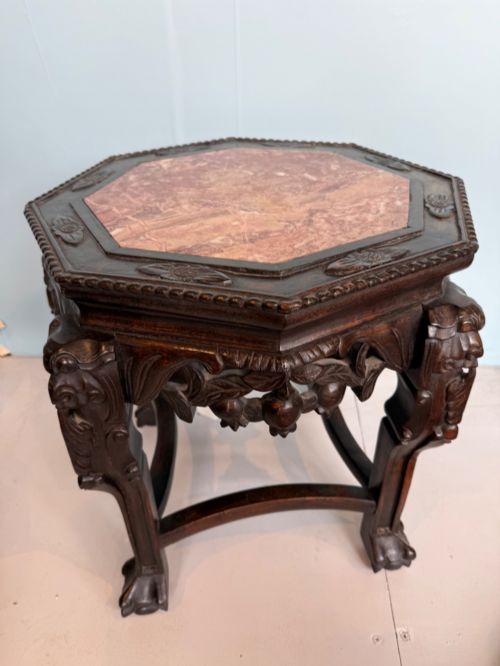
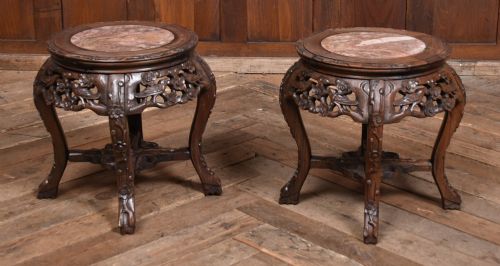
Originating largely from Qing Dynasty styles, Chinese Export workshops and the Meiji period, these supports demonstrate the functional needs of scholar's rooms and grand oriental interiors. Pieces frequently incorporate inset marble tops designed to protect the timber from damp soil and watering spills.
Materials and construction methods
Dense hardwoods dominate the construction, with padouk, rosewood and ebonised wood providing the structural strength needed for heavy stone inserts. Artisans shaped these resistant timbers using deep hand-carving techniques, producing intricate openwork reliefs of foliage, dragons and traditional motifs.
Many surfaces integrate contrasting media, such as smooth rouge marble panels inset into wooden frames, polished mother-of-pearl inlay, and durable lacquer finishes. Joinery relied on traditional framing methods that allowed dense timbers to expand and contract without splitting the carved elements.
Distinctions in quality
The degree of crispness in the hand-carved relief work sets fine examples apart from standard production pieces, showing sharp undercut details rather than soft, mechanical moulding. Superior items utilise heavy, solid hardwoods and well-selected natural marble inserts that fit flush within the timber rebates.
Structural integrity and the retention of original surface patination determine the standing of an individual stand. Pieces that maintain their original lacquer layers, stable joinery and unblemished stone tops represent the highest grade of craftsmanship in this category.
Liberty of London
The Antique Oriental Pedestal Stand Glossary
- Jardiniere stand
- A tall piece of furniture designed specifically to support a heavy ceramic plant pot or flower bowl. These stands often incorporate water-resistant tops such as marble or stone.
- Torchere
- A tall ornamental stand originally built to carry a candle or lamp, later adapted for display sculptures and vases. They typically feature slender vertical proportions.
- Padouk
- A heavy, durable tropical hardwood prized for its deep reddish-brown colour and stability. It accepts fine hand-carving exceptionally well.
- Meiji period
- The era in Japanese history spanning from 1868 to 1912, known for sophisticated craftsmanship produced for both domestic use and export markets.
- Qing Dynasty style
- Design characteristics originating from the final imperial dynasty of China, marked by elaborate carving, symbolic motifs and formal symmetry.
Antique Oriental Pedestal Stand: Frequently Asked Questions
What were antique oriental pedestal stands used for?
These pieces served as functional display platforms within traditional interiors, holding heavy bronze vessels, porcelain temple jars and indoor plants. They placed decorative objects at optimal viewing heights.
Wealthy households utilised them in reception rooms and scholar's studies to organise interior spaces and protect delicate flooring from heavy planters.
How do I identify a marble top stand?
Marble top stands feature a fitted stone inset directly into the wooden frame of the table surface. This provided a cool, waterproof area for holding wet flower pots.
Inspect the underside of the top to see how the stone is supported by cross-framing or segmented wooden panels designed to bear the heavy weight.
Where were these stands made?
The pieces originate from various regions across the Far East and South Asia, including China, Japan, Burma and India. Many were produced specifically for Western export.
Export workshops often adapted traditional local furniture forms to suit the decorative tastes of Victorian and Edwardian buyers in Britain.
How do I care for antique hardwood furniture?
Maintain the timber by keeping pieces away from direct heat sources and sudden humidity changes that can cause dense hardwoods to split. Dust regularly with a soft, dry cloth.
Avoid using silicone polishes, opting instead for traditional beeswax applied sparingly to nourish the natural grain and preserve the surface patination.