
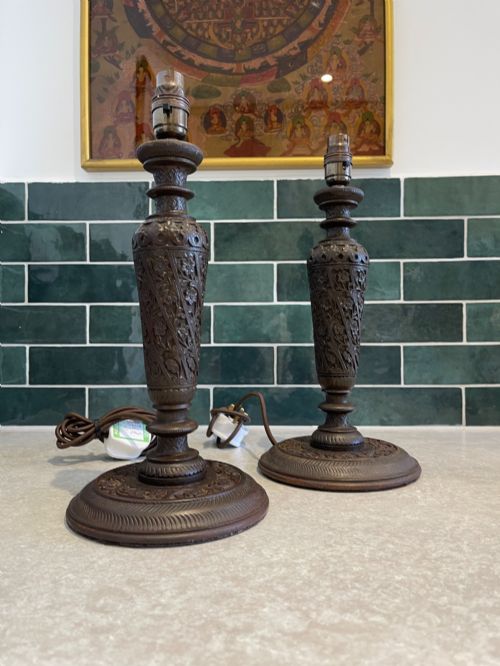
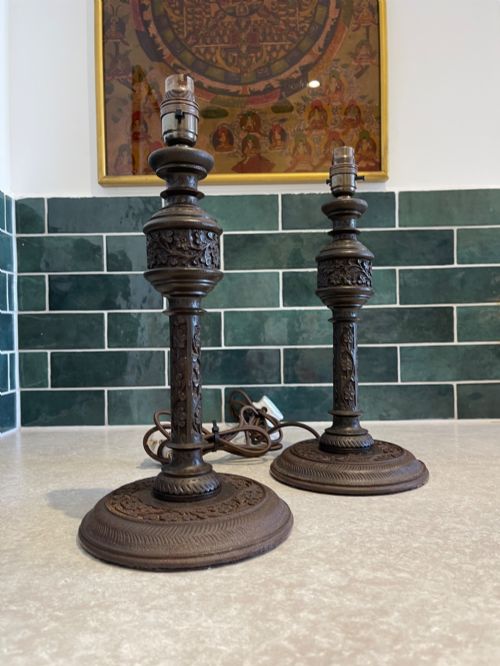


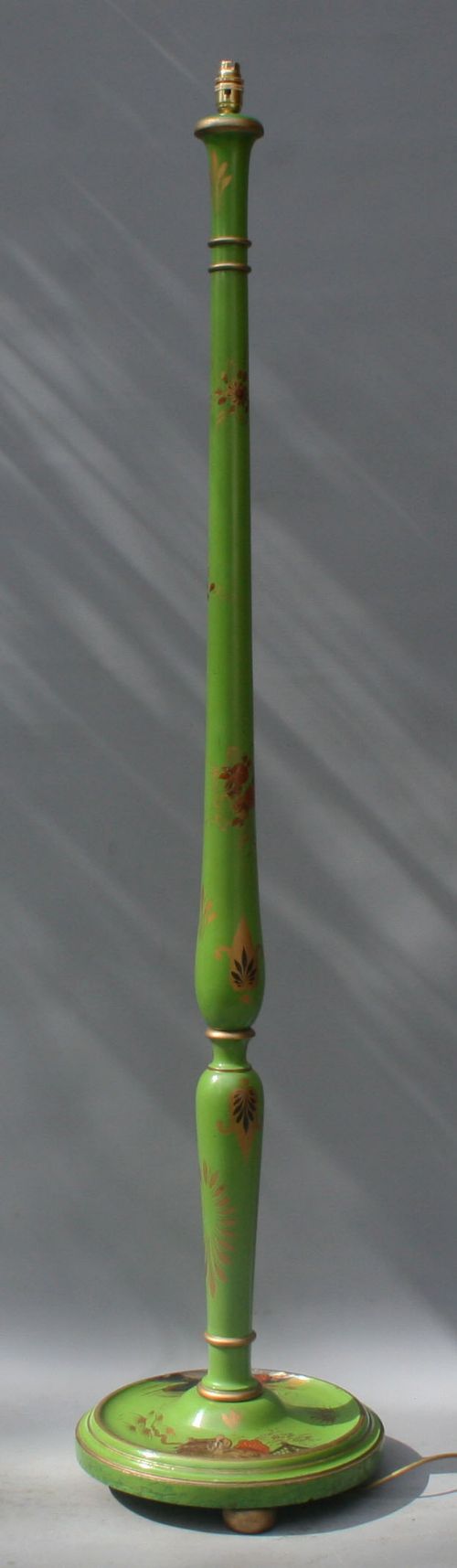

Antique Oriental Lamp Base
An antique oriental lamp base brings hand-painted porcelain and cast bronze from distant workshops into the domestic interior.
Antique Oriental Lamp Base
When you search for an antique oriental lamp base, you encounter vessels and figures from distant workshops transformed into domestic lighting. These pieces take the form of table lamps, floor lamps, and standard lamps derived from earlier vases, jars, and architectural elements.
The selections span the nineteenth century, the Victorian and Edwardian eras, and the 1920s. Common origins include Chinese dynasties, Japanese Meiji periods, and Indian regions such as Kashmir.
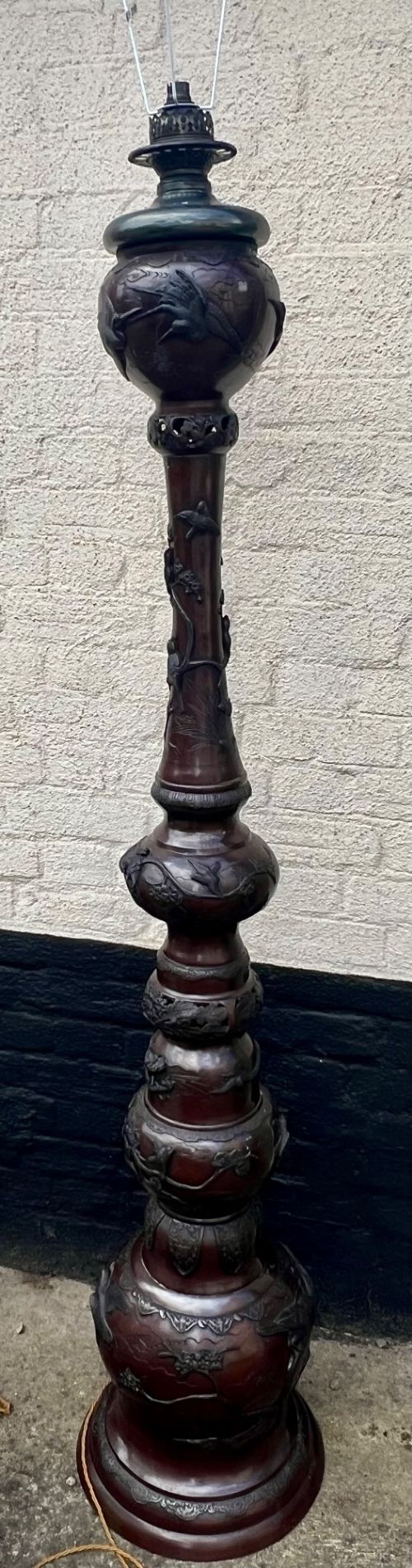
Vessels converted into lighting include blue and white porcelain, celadon, famille rose, and cloisonné. Bronze figures and carved root wood also serve as bodies for these fittings.
How they were made
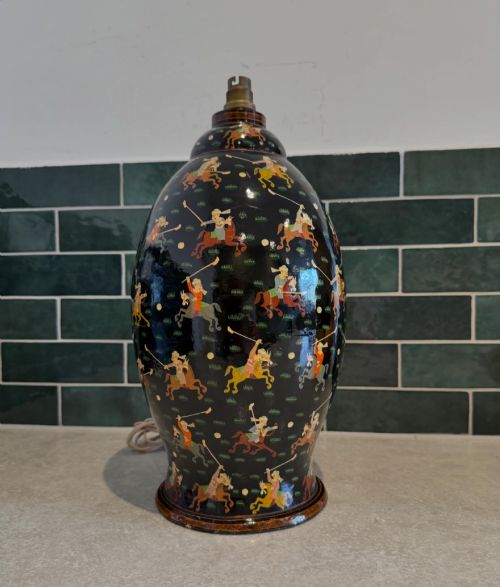
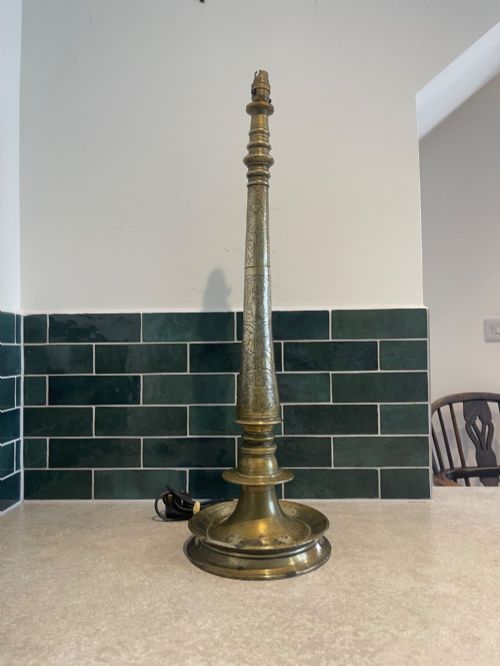
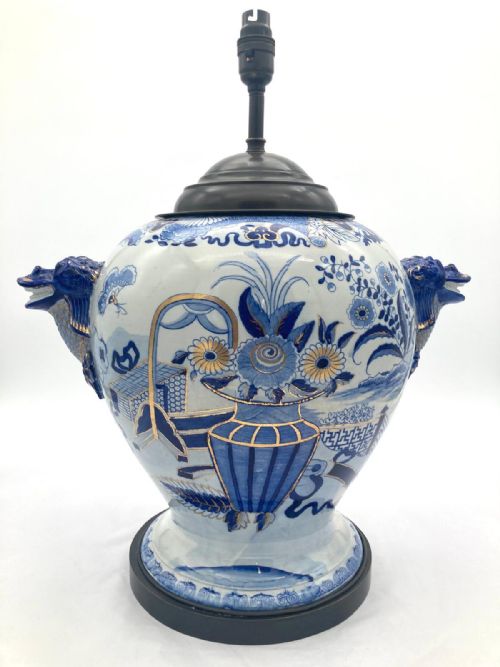
Makers shaped these bodies from bronze, brass, ironstone, and ceramic, employing traditional casting, turning, and pottery methods. Porcelain and ceramic vessels received hand-painted glazes in blue and white, celadon, famille verte, and famille rose palettes.
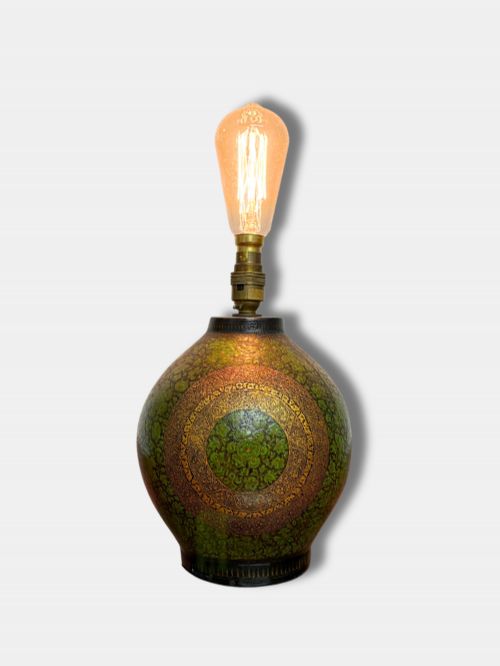
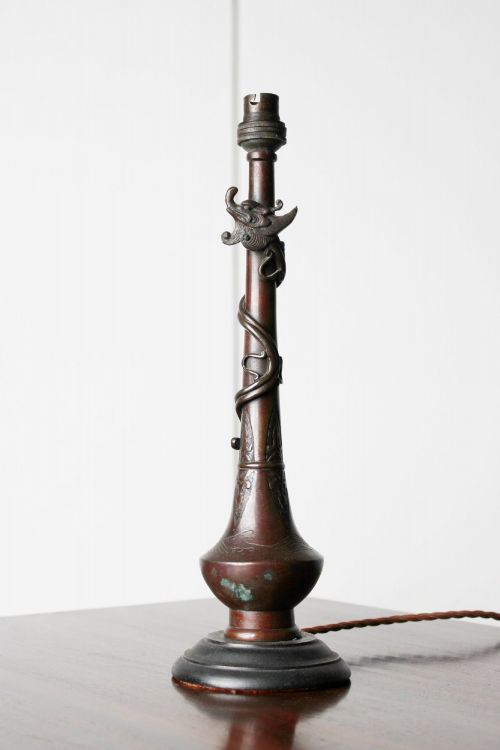
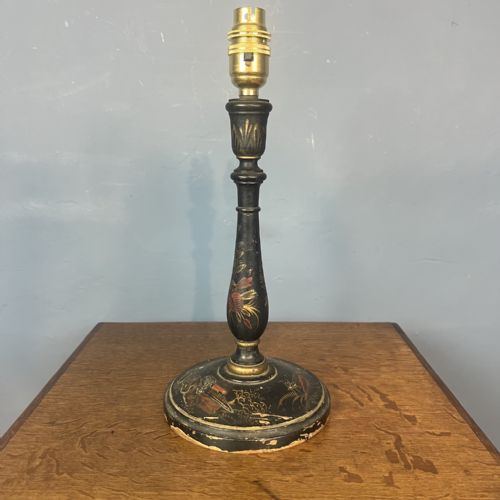
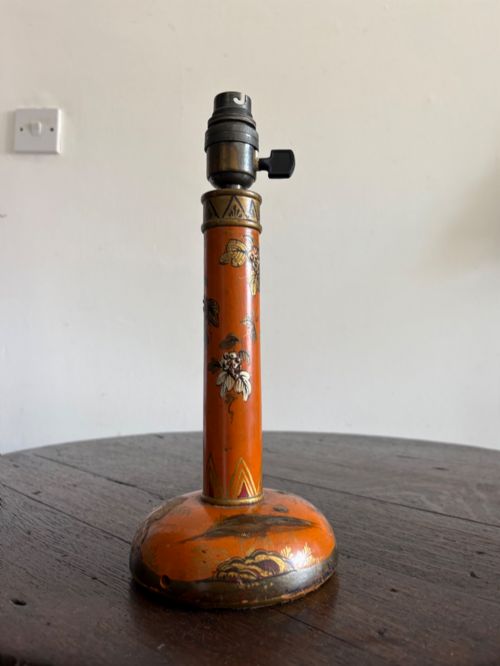
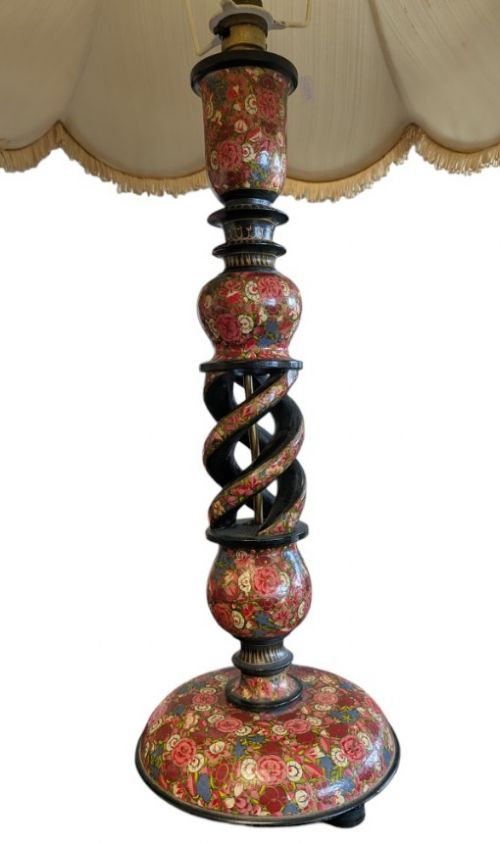
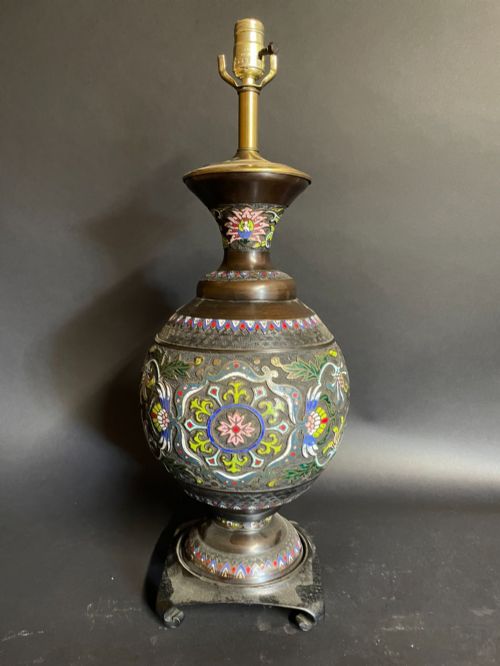
Lacquerwork and gilt detailing appear on wooden and papier-mâché bases, particularly in Chinoiserie and Kashmiri pieces. Bronze figures of dragons and elephants, alongside cloisonné enamel work, display intricate metalwork and surface finishing.
Listings feature materials spanning porcelain, bronze, brass, carved root wood, silk, and enamel.
What varies in quality
Quality rests in the crispness of the original vessel or bronze casting and the precision of the hand-painted decoration. Earlier pieces from the nineteenth century often display finer brushwork and deeper tonal variation in glazes than later adaptations.
The integration of the conversion matters significantly. Skillful adaptation preserves the balance and proportion of the original vase or figure without damaging the primary ceramic or metal structure.
The Antique Oriental Lamp Base Glossary
- Cloisonné
- Enamelwork created by soldering wire compartments onto a metal base before filling them with coloured paste. This technique produces intricate patterns across vases and lamp bodies.
- Celadon
- A pale green jade-like ceramic glaze developed in East Asia. It imparts a subtle translucent colour to porcelain lamp bases.
- Famille Verte
- A porcelain palette dominated by green enamel colours, introduced during the Qing Dynasty. Pieces utilising this style show detailed polychrome pictorial scenes.
- Meiji Period
- The era in Japanese history spanning from 1868 to 1912, noted for accomplished bronze casting and decorative arts. Works from this time often include animal figures and detailed patination.
- Chinoiserie
- European theatrical interpretation of Chinese and East Asian artistic traditions, popular in Edwardian lacquer furniture and lighting. It involves hand-painted motifs on dark or brightly coloured backgrounds.
Antique Oriental Lamp Base: Frequently Asked Questions
How do I identify a converted vase?
Converted vases usually show a drilled hole at the base for electrical wiring and fitted metal hardware at the neck to secure the bulb holder.
Inspect the interior rim and base where mounting brackets attach to see if the original ceramic or bronze vessel sustained alterations during conversion.
What periods do these lamps date from?
These lamps primarily date from the nineteenth century through the 1920s, encompassing Victorian, Edwardian, and Meiji production periods.
Original components often pre-date the electrical conversion by several decades, reflecting earlier manufacturing dates for the underlying vases and bronzes.
Are these lamps wired for modern use?
Many examples have received rewiring to meet contemporary electrical standards while retaining their historical bases and decorative hardware.
Check individual listings to confirm whether a piece has been recently rewired or requires professional electrical updates for your home.
How should I clean a painted lamp base?
Dust porcelain and lacquered surfaces gently with a soft, dry cloth to prevent moisture damage to aged paints and delicate gilt work.
Avoid chemical cleaning agents and harsh abrasives that can strip hand-painted glazes or degrade antique bronze patination.