





Antique Root Wood Carving
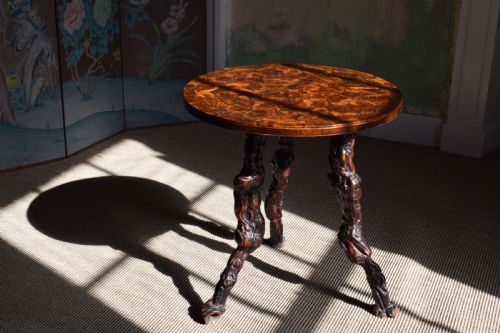
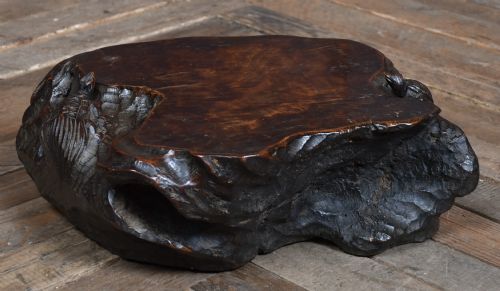
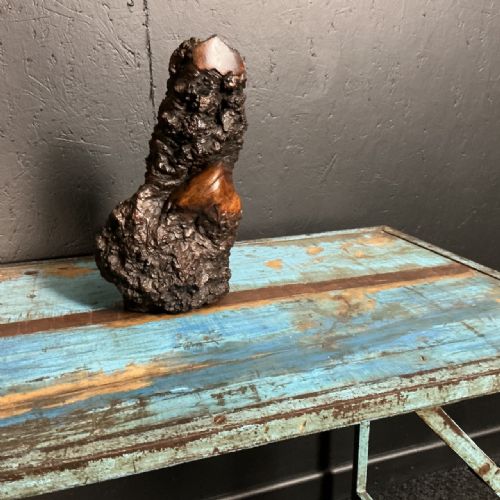
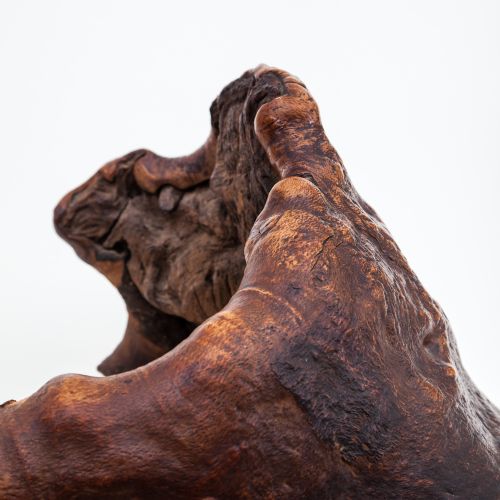
These pieces of antique root wood carving capture the natural twists of burl, rootwood, and hardwood shaped by human hands.
Antique Root Wood Carving
An antique root wood carving presents organic forms shaped from natural burls, roots, and branches, often retaining the original gnarled contours of the timber. The selection spans domestic curiosities like tobacco boxes and walking sticks alongside larger decorative sculptures.
Chinese regional works dominate the selection, frequently taking the form of figures, scholars, lion dogs, and table lamps from the nineteenth century. These pieces combine deliberate carving with the accidental growth patterns of the wood.
Makers utilised the natural lumps and knots of rootwood to suggest figures, animals, and functional stands. The form follows the grain, turning organic flaws into sculptures.
How they were made
Carvers worked with root wood, burl wood, and bamboo, following the natural grain and knots of the material rather than imposing a rigid geometric form. Hardwood sections were shaped with hand tools to define faces, limbs, and surfaces while leaving the rough root base untouched.
Some items incorporate secondary materials like brass mounts, quartz tops, or bronze elements to complete stands, lamps, and signs. Surfaces received finishes such as lacquer or aged wax to highlight the dense grain of pollard birch, burr walnut, and general rootwood.
Antique Root Wood Carving Retail Price Guide 2026
Typical asking prices for root wood carving among the pieces listed under this phrase on Sellingantiques today, from the lower quarter to the upper quarter. They describe what is for sale here now, not the wider market.
Listings feature items from the nineteenth century, including specific dates such as 1860, 1870, 1890, and 1900.
What varies in quality
The success of a carving depends on how cleverly the maker utilised the natural anomalies of the timber to depict a figure or object. Stronger pieces show deep integration between the organic growth of the root and the deliberate cuts of the chisel.
Surface finish and handling dictate the tactile appeal of the wood, separating flat or dull timber from pieces with a deep, handled patina. The complexity of the subject matter, from simple branches to intricate scholarly figures, also shapes the tier of the piece.
The Antique Root Wood Carving Glossary
- Root wood
- Timber taken from the underground or basal growth of a tree, prized for its twisted, irregular grain and knots. This material forms the foundation of these sculptures.
- Burl wood
- A tree growth where the grain has grown in a deformed manner, resulting in highly swirled and patterned timber. It is frequently seen in nineteenth-century boxes and decorative sections.
- Patina
- The surface sheen and colour developed through age, handling, and polishing over decades. A good patina shows depth rather than a flat commercial finish.
- Qing Dynasty
- The final imperial dynasty of China, spanning from the seventeenth to the early twentieth century. Many carved figures and stands originate from this era.
Antique Root Wood Carving: Frequently Asked Questions
How do I clean an old root wood carving?
Dust the crevices gently with a dry, soft-bristled brush to remove settled debris without disturbing the grain or dry surface.
Avoid using water, liquid cleaners, or modern polishes that can sink into unsealed wood and damage the historic finish.
Are these carvings solid root?
Most pieces are formed from solid sections of rootwood, burl, or bamboo selected for their natural shapes and density.
Some functional items like tables or lamps incorporate fitted tops or internal wiring while keeping the primary support strictly organic.
Where were these pieces made?
The selection includes significant numbers of nineteenth-century Chinese regional carvings depicting scholars, deities, and animals.
Other origins represented include Japanese workshops, Scandinavian makers working in pollard birch, and British or European folk art pieces.
How can I tell the age of a root carving?
Dating relies on examining tool marks, the dryness and colour of the timber, and the style of any integrated components like brass or quartz.
Comparative forms from the nineteenth century exhibit distinct hand-carving methods that differ from later twentieth-century production.