



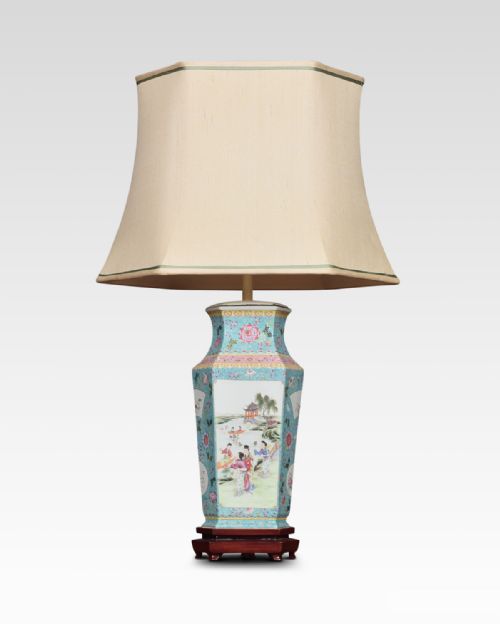
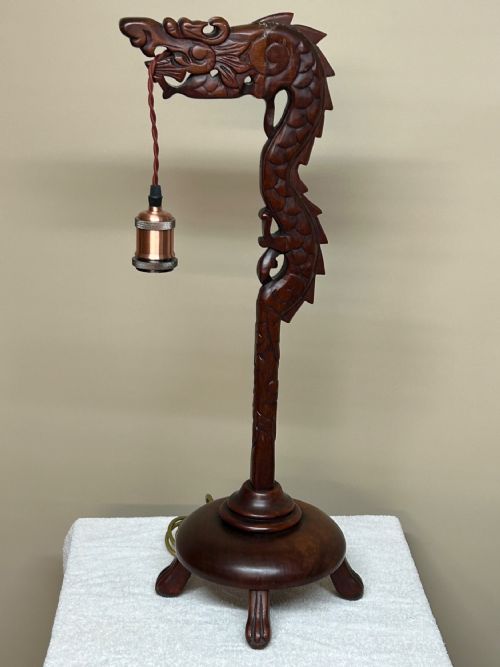

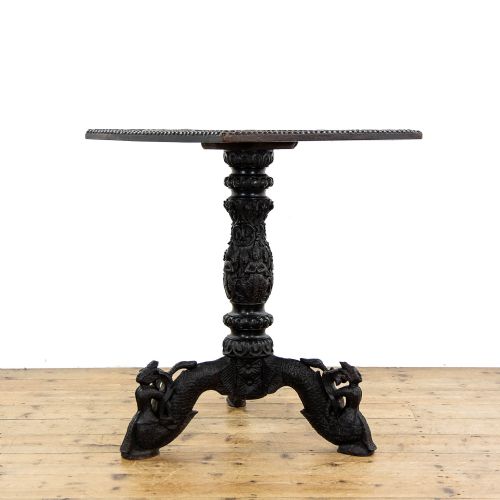


Oriental Hand Carved Lamp
An oriental hand carved lamp brings intricate wood and brass craftsmanship into a room, offering warm light alongside deep historical carving.
Oriental Hand Carved Lamp
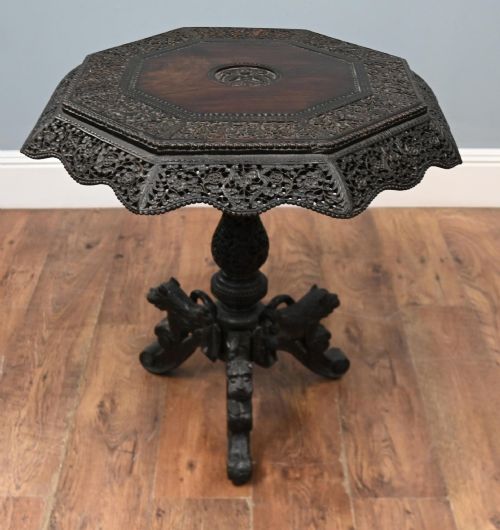
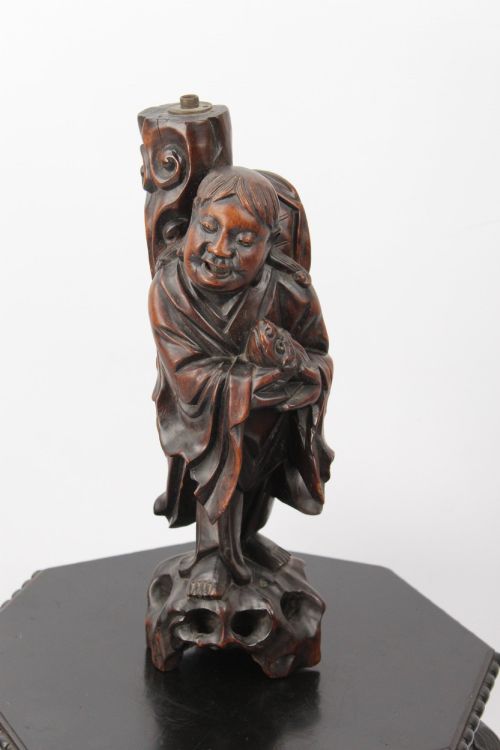
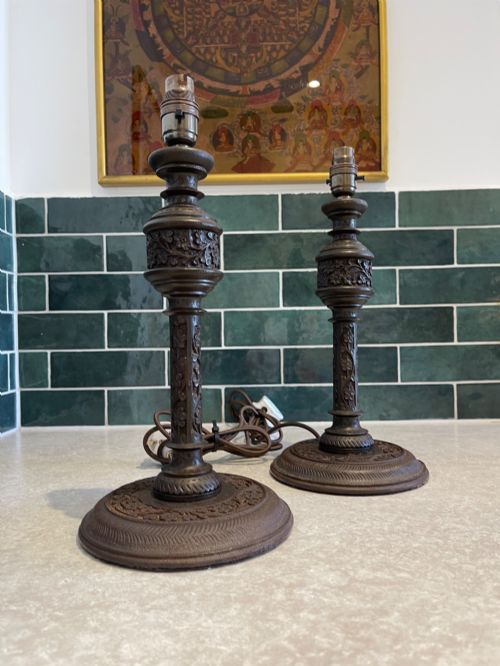
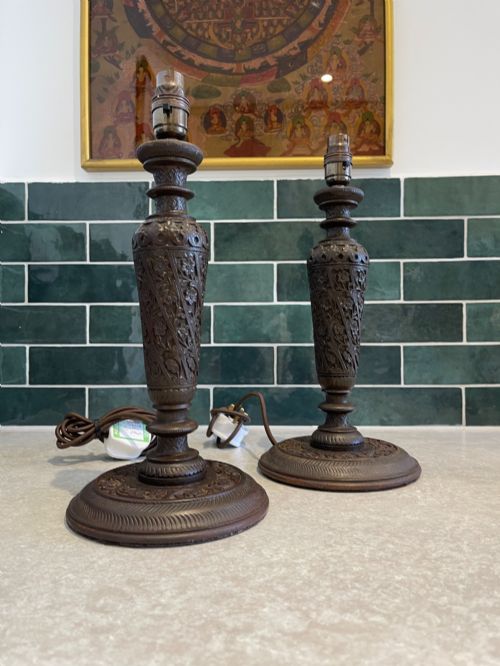
When you search for an oriental hand carved lamp, you encounter items shaped from dense timbers, root wood, and brass by makers across Asia and the British colonial sphere. The selection here leans towards table lamps and torchiere forms carved with dragons, floral motifs, or immortal figures.
Many examples emerge from the late nineteenth century and the early decades of the twentieth century, bridging periods such as the Qing dynasty and the Anglo-Indian colonial era. These pieces frequently manifest as converted stands, root wood sculptures, or carved pedestals adapted to hold electrical fittings.
The regional origins span from China and Japan to Kashmir, North India, and Bali. Buyers typically select these lamps to anchor a room with textured woodgrain and historical depth.
How they were made
Artisans carved these lamps using dense timbers including teak, padauk, walnut, and root wood, alongside brass and canton porcelain components. The wood was deeply undercut with hand chisels to create high-relief dragons, foliage, and figures.
Makers utilised regional turning and joinery techniques suited to each timber variety, often leaving natural root contours visible in Japanese and Chinese root wood designs. Surfaces were finished to highlight the grain rather than hiding the manual labour of the carving tool.
Oriental Hand Carved Lamp Retail Price Guide 2026
Typical asking prices for oriental hand carved lamp among the pieces listed under this phrase on Sellingantiques today, from the lower quarter to the upper quarter. They describe what is for sale here now, not the wider market.
Materials recorded across the inventory include brass, teak, padauk, walnut, fabric, and root wood.
What varies in quality
Quality rests in the depth and crispness of the hand carving, where superior examples exhibit sharply undercut details rather than shallow, mechanical scoring. The choice of material also dictates distinction, with dense hardwoods like padauk and teak holding finer detail than softer woods.
The integrity of the original form matters greatly, particularly when secondary furniture or statues are converted into lamps. Pieces that retain balanced proportions and uncompromised structural carving stand apart from heavily altered items.
The Oriental Hand Carved Lamp Glossary
- Root wood
- Timber sourced from the root burls of trees, prized by carvers for its gnarled, twisting grain and organic forms. It was frequently utilised in nineteenth-century East Asian carving.
- Torchiere
- A tall stand or floor lamp designed to direct light upwards. In antique lighting, these pieces often take the form of heavily carved wooden pedestals.
- Padauk
- A heavy, durable tropical hardwood with a reddish hue used in fine cabinetmaking and carving. Its stability made it ideal for intricate nineteenth-century tables and stands.
- Qing Dynasty
- The final imperial dynasty of China, lasting from the seventeenth to the early twentieth century. Pieces from this era often display formalised dragons, immortals, and symbolic motifs.
Oriental Hand Carved Lamp: Frequently Asked Questions
How do I date an oriental lamp?
Dating relies on examining the timber species, tool marks, and stylistic conventions associated with periods like the nineteenth century. Examining the wiring compartment or base construction often reveals the era of conversion.
Makers working in the nineteenth and early twentieth centuries used specific hand-chasing and joining methods that differ from modern reproductions. Comparing the patination of the wood helps confirm the age.
Are these lamps converted from other items?
Many antique lighting pieces started life as vases, statues, or small tables before receiving electrical fittings. This practice was common in the nineteenth and early twentieth centuries.
Conversions allow historical carvings and porcelain vessels to serve modern domestic functions without losing their original sculptural character. The presence of drill holes or adapted mounts typically indicates this history.
How do I care for carved wooden lamps?
Dusting regularly with a soft, dry brush prevents dirt from settling into the deep recesses of the hand carving. Avoid liquid polishes that can build up within the textured grain.
Keeping the timber away from direct heat sources and strong sunlight preserves the finish and prevents the wood from drying out or splitting over time.
What is root wood furniture?
Root wood items utilise the gnarled underground growth of trees to create naturally sculptural tables and lamp bases. Artisans work around the knots and twists of the grain.
This material was especially popular in nineteenth-century Chinese and Japanese workshops, where makers turned organic irregularities into decorative art.
How do I distinguish regional styles?
Regional identification depends on the motifs and carving techniques present on the surface. Chinese pieces often feature dragons and immortals, while Indian and Kashmiri work highlights dense floral scrollwork.
Japanese examples frequently employ root wood forms, whereas Anglo-Indian pieces combine Eastern foliage with Western structural silhouettes.