
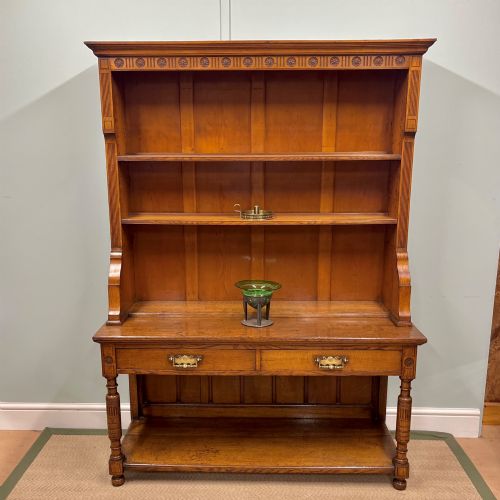


Antique Oak Kitchen Storage
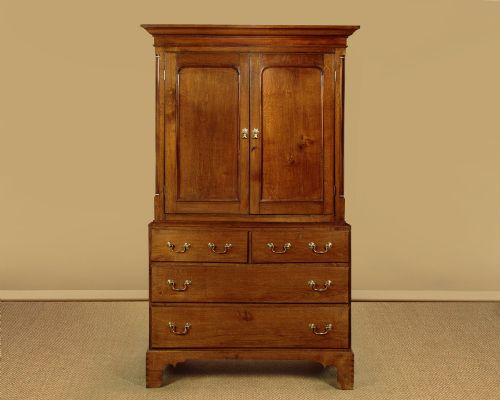
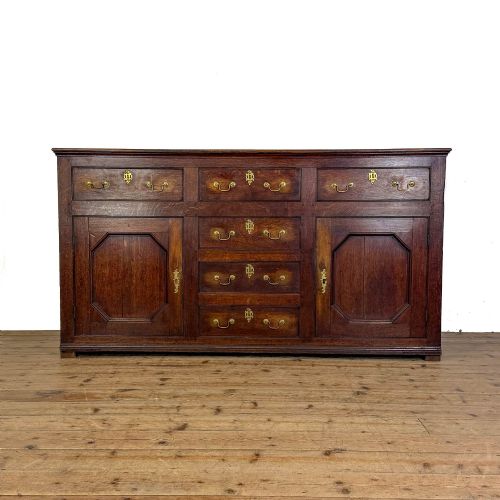
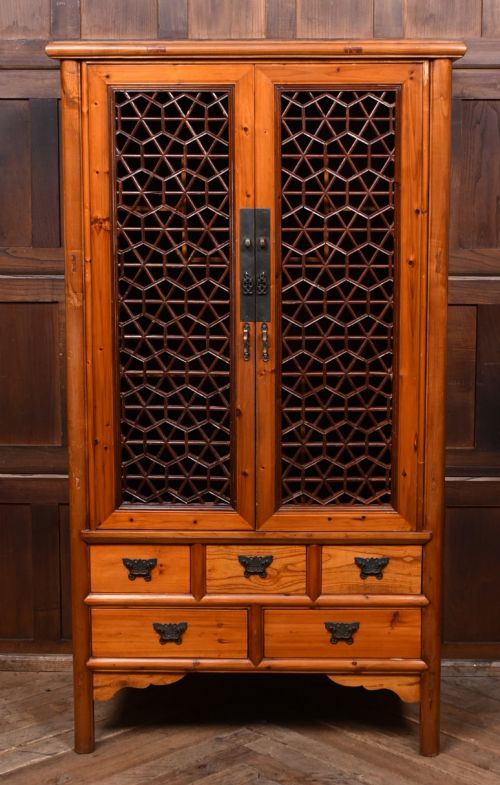
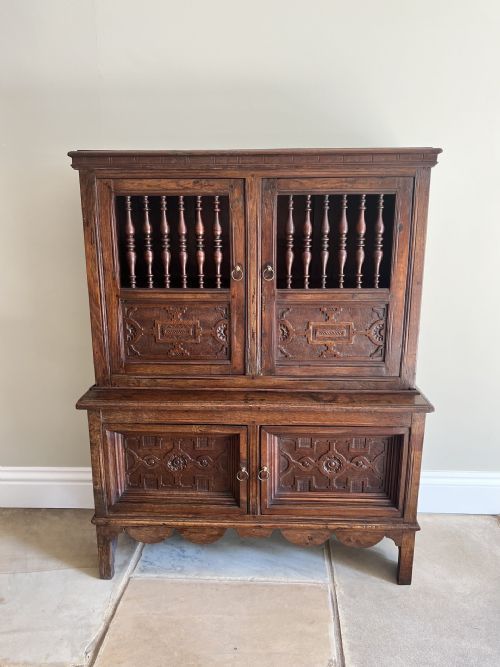
Antique oak kitchen storage covers robust dressers, dressers and hutches, and housekeeper cupboards designed to keep provisions and utensils close to hand.
Antique Oak Kitchen Storage
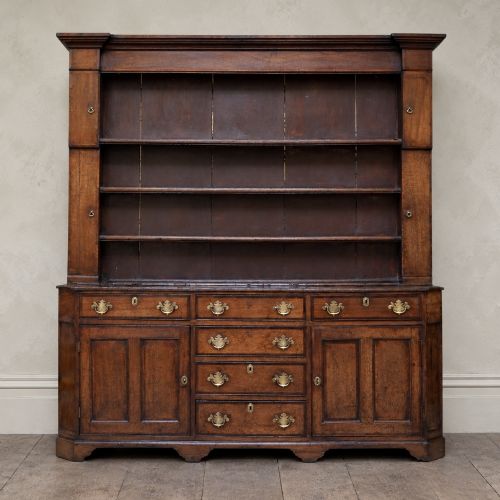
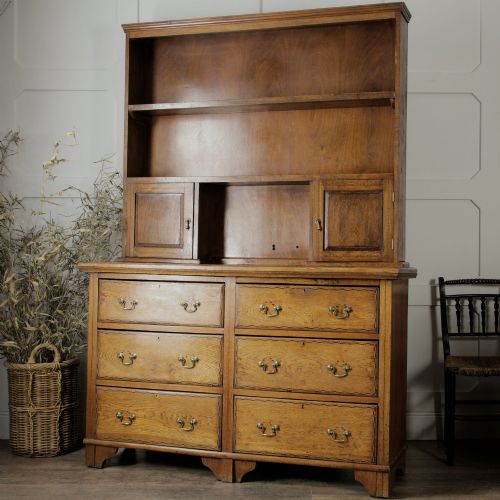
When buyers search for antique oak kitchen storage, they encounter substantial case pieces built for domestic service, spanning the eighteenth century, nineteenth century, and early twentieth century. These include Welsh dressers with plate racks, dresser bases, food cupboards, larder cupboards, and housemaid cupboards originating from English, French provincial, and Welsh vernacular traditions.
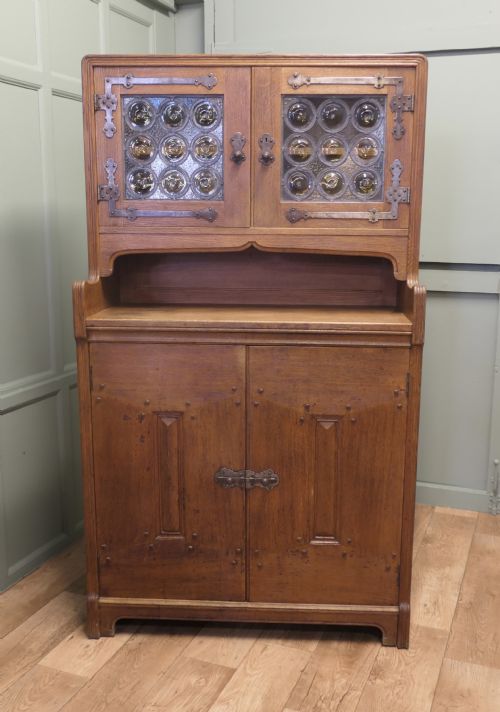
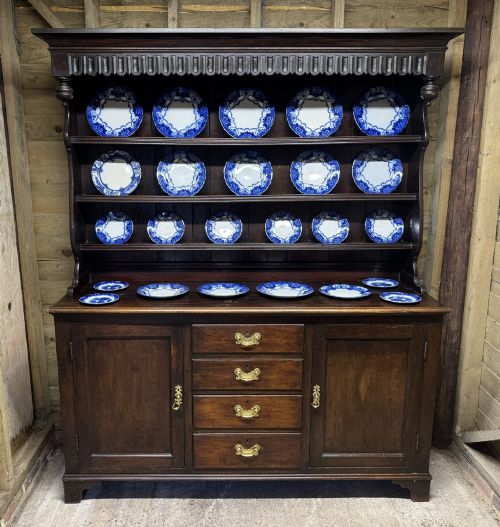
The most common form on this page is the oak dresser, often fitted with open plate racks or breakfront drawers, alongside tall housekeeper cupboards and kitchen cabinets in golden, honey, or rustic oak. Pieces range from simple country furniture to Arts and Crafts designs, reflecting the varied practical storage needs of historic kitchens and pantries.
How they were made
Makers relied primarily on solid oak, frequently paired with secondary timbers such as pine, fruitwood, and cedar for internal shelving and panels, ensuring durability in busy working spaces. Hardware typically consisted of brass handles, hinges, and iron fittings, while glass panelling appeared in select cabinet doors.
Construction techniques balanced functional utility with regional style, utilising pegged joints, panelled doors, and open plate racks. Surfaces often retained plain timber finishes or historical painted treatments, reflecting the vernacular traditions of English and French workshops.
Materials recorded across the selection include solid oak, pine, brass, iron, glass, steel, fruitwood, and cedar.
What varies in quality
Quality in these storage pieces rests upon the integrity of the timber selection and the retention of original structural elements, such as unaltered pot boards and plate racks. Pieces constructed from solid, well-figured oak with minimal later alterations command stronger interest from buyers.
Distinction also lies in the execution of regional joinery and carving details, from simple country work to refined Arts and Crafts or Georgian styling. The balance of proportions and the survival of original brass or iron hardware further separate standard utilitarian pieces from exceptional examples.
The Antique Oak Kitchen Storage Glossary
- Dresser base
- The lower section of a kitchen dresser, featuring cupboards and drawers without the upper plate rack. These served as versatile sideboards in country kitchens.
- Pot board
- An open lower shelf beneath a Welsh dresser used originally for storing heavy pots and pans. It forms an integral part of traditional vernacular construction.
- Housekeeper cupboard
- A tall, large storage cabinet with multiple doors and internal shelving designed to house linens, dried goods, and provisions. They stood in the service rooms of large estates.
- Plate rack
- The upper framework attached to a dresser featuring grooved shelves to display ceramic plates upright. It allowed damp crockery to air dry after washing.
- Vernacular
- Furniture built by local country joiners using regional traditions and readily available native timbers rather than following high-style London fashions.
Antique Oak Kitchen Storage: Frequently Asked Questions
What is a Welsh dresser?
A Welsh dresser combines a solid lower base of drawers and cupboards with an upper open rack designed for displaying plates. These pieces served as the central storage hub in historic kitchens.
They evolved to keep everyday crockery and serving dishes within easy reach while offering enclosed space for food and utensils.
How do I use a housekeeper cupboard today?
Housekeeper cupboards provide exceptional tall storage with deep shelving suitable for modern pantries, hallways, or living spaces. Their generous proportions swallow bulky items while adding historic character to a room.
Ensure you measure ceiling heights and doorway clearances carefully before introducing these substantial case pieces into a modern interior.
Are these pieces made of solid oak?
The listings feature substantial construction using solid oak for primary external surfaces and structural framing. Secondary timbers like pine or fruitwood frequently appear on internal drawer linings and back panels.
This mixed timber construction was standard practice for historic cabinet makers to manage weight and material costs.
How do I distinguish eighteenth-century pieces?
Eighteenth-century examples often display pegged mortise and tenon joinery, hand-planed surfaces, and traditional vernacular styling unique to English or French provincial workshops. Their patination develops deep warmth through generations of use.
Look for hand-cut dovetails in the drawer construction and signs of organic timber movement that confirm great age.