




Large Oak Dresser
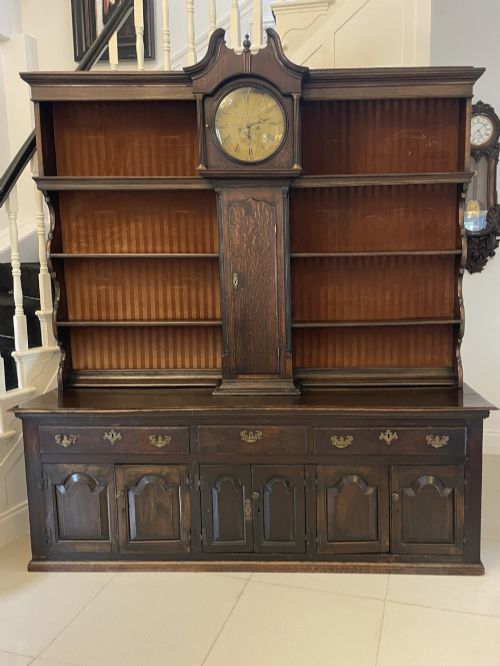
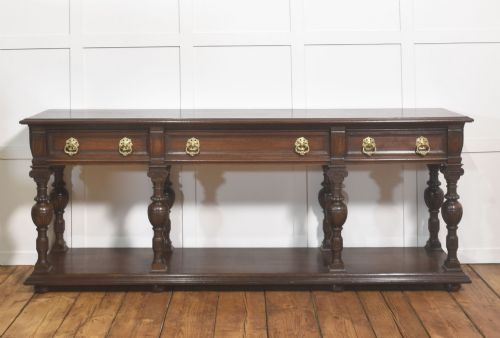
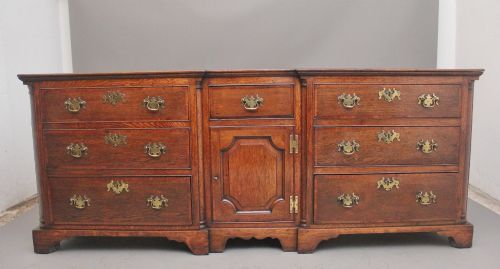
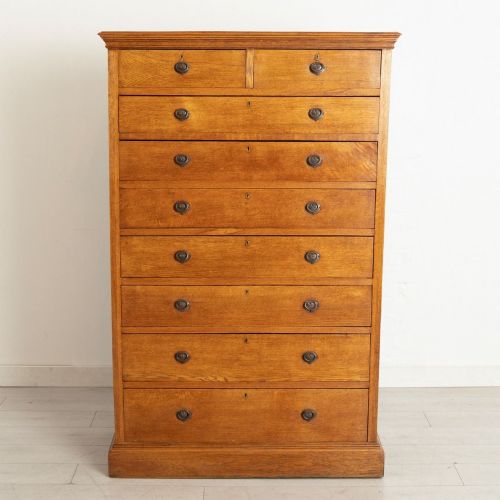
When you search for large oak dresser, you find substantial timber furniture built for display and storage, bringing historical presence into a room.
Large Oak Dresser
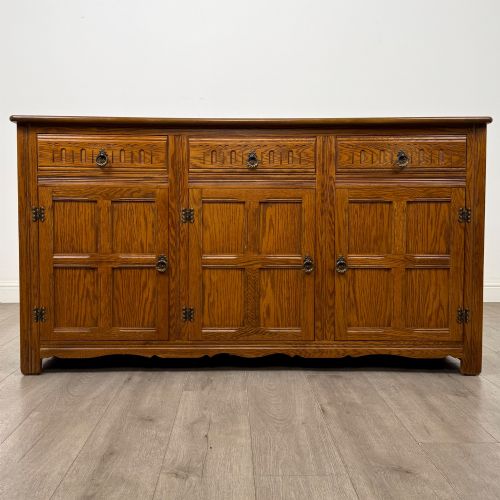
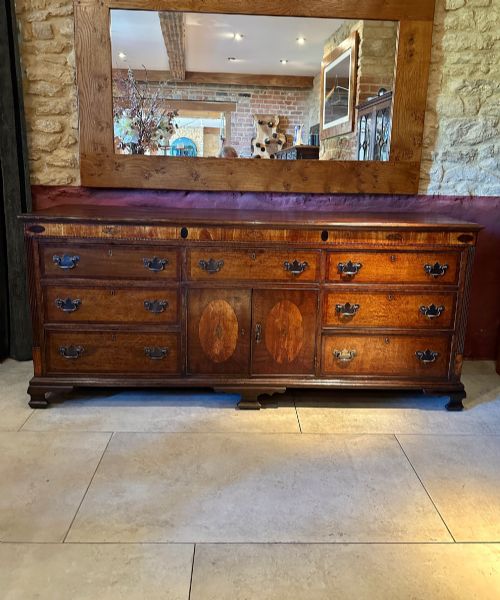
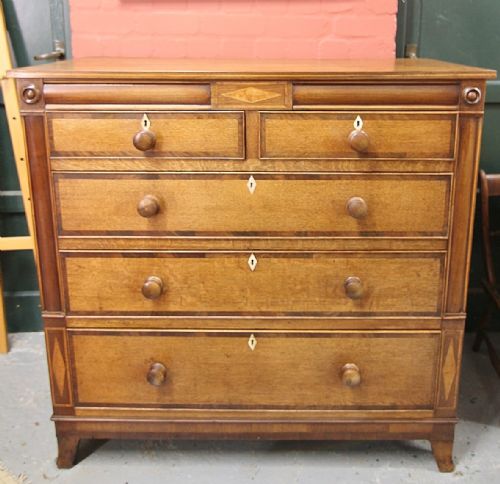
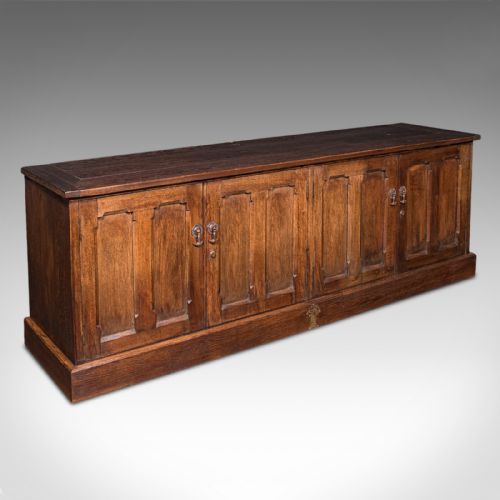
A large oak dresser serves as a commanding focal point in domestic spaces, combining open shelving or plate racks with enclosed cupboard storage below. The pieces appearing in this category span several centuries, with particular emphasis on eighteenth-century country house examples and nineteenth-century revival iterations.
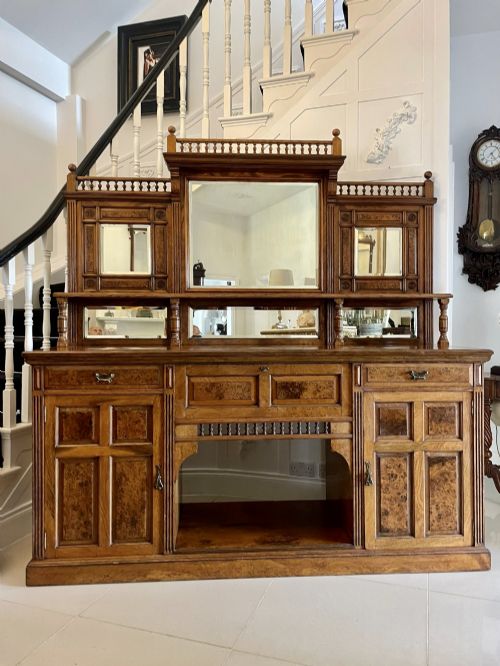
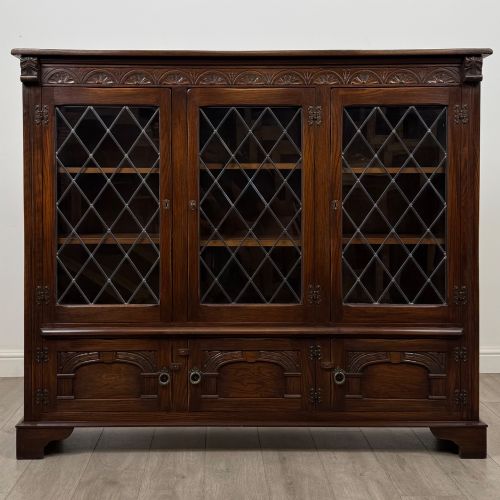
Buyers encounter numerous regional variations, including Welsh pot board designs, Lancashire dresser bases, and Georgian serving pieces. These items frequently share floor space with related heavy oak forms such as monumental bookcases, housekeeper cupboards, and mirror-backed sideboards.
Domestic timber forms range from austere early provincial construction to elaborate Victorian Gothic and Renaissance revival carving. Each version reflects the utilitarian demands of large households through successive design movements.
What varies in quality
Proportion and scale dictate the visual success of a piece, with superior examples maintaining balanced sightlines across base cabinets and upper plate racks. The integration of original timber boards without extensive modern replacement distinguishes better-preserved specimens.
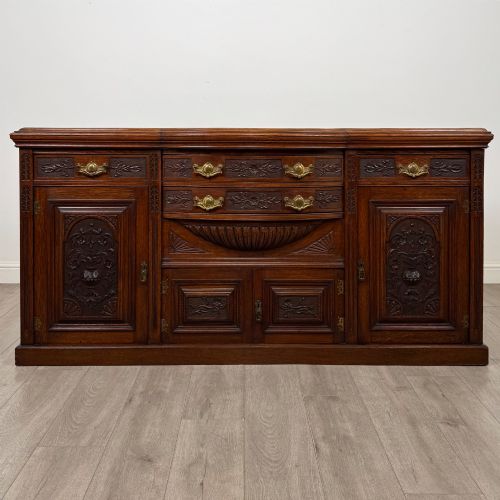
The depth and execution of carved ornamentation set workshops apart, distinguishing crisp hand-chiselled detailing from mechanical or later additions. Structural integrity in weight-bearing surfaces like pot boards and counter tops remains a primary marker of construction standard.
Several heavy sideboards incorporate carved Green Man motifs, watching over the dining room with leafy foliage sprouting from their mouths.
Heals of London·Reynolds
The Large Oak Dresser Glossary
- Dresser base
- A lower storage unit featuring drawers and cupboards, often found without its original upper plate rack. This form served as a primary preparation and serving surface in historic kitchens.
- Pot board
- An open lower shelf fitted between the legs of a dresser, historically utilised for storing heavy pots and culinary vessels. Its presence is characteristic of traditional Welsh and country house furniture.
- Plate rack
- The upper shelving superstructure designed to display ceramic plates and platters upright. These structures frequently incorporate plate grooves and small spice drawers.
- Court cupboard
- A heavy enclosed storage cabinet featuring upper and lower tiers with recessed doors. These architectural timber pieces date primarily to earlier centuries and exhibit distinct regional joinery.
- Pollard oak
- Timber harvested from pollarded trees, producing burr-figured grain patterns with intense swirling movement. Cabinetmakers utilised this material on high-status Victorian sideboards and display pieces.
Large Oak Dresser: Frequently Asked Questions
How do I date an old oak dresser?
Dating relies on examining construction methods, tool marks on interior boards, and timber shrinkage patterns. Hand-planed surfaces and pegged joinery generally indicate earlier periods.
Stylistic cues such as brass hardware types and carved motifs help narrow down the decade of manufacture. Comparing regional design traits provides further chronological context.
What is the difference between a dresser and a sideboard?
A traditional dresser includes an upper plate rack attached to the lower storage base. Sideboards function purely as base units designed for serving and dining room storage.
Both forms utilise heavy oak construction but serve distinct functional roles within historic interiors. Plate racks are frequently detachable, leading to historical separation between upper and lower sections.
Are these pieces suitable for modern kitchens?
Substantial timber storage units provide generous surface area and practical shelving for contemporary dining spaces. Their durable construction handles daily domestic use reliably.
Scale is the primary consideration when placing these items in modern rooms. Ensuring adequate clearance for doors and drawers prevents spatial congestion.
How should I care for antique oak surfaces?
Maintaining dry conditions protects historic timber from warping or splitting under humidity changes. Periodic application of traditional wax feeds the wood and preserves patination.
Harsh chemical cleaners strip the aged surface finish and damage the natural grain. Gentle dusting with a soft cloth prevents abrasive particle accumulation.