



Antique Metal Statues
These antique metal statues bring weight, presence, and centuries of foundry skill directly into your rooms.
Antique Metal Statues
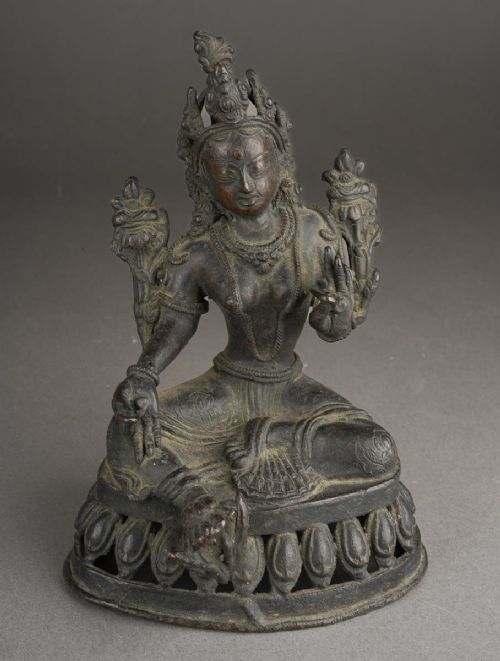
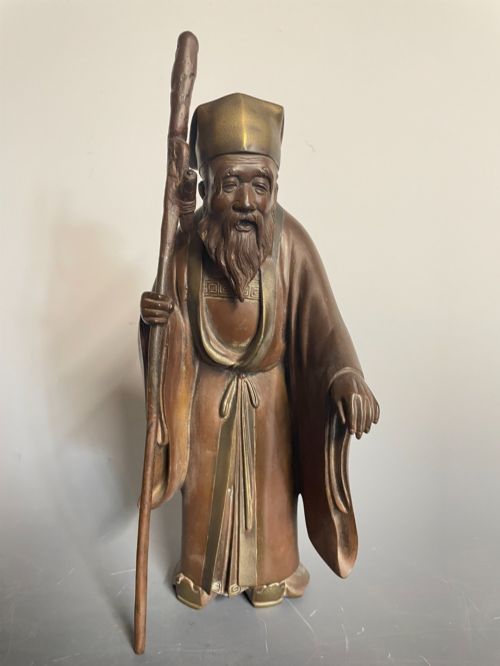
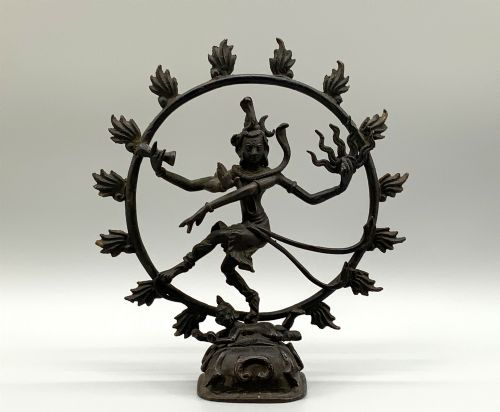
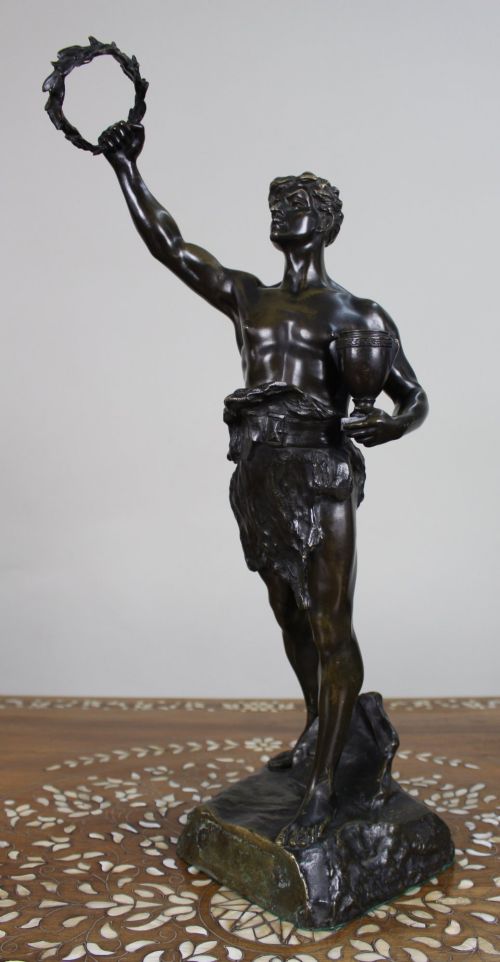
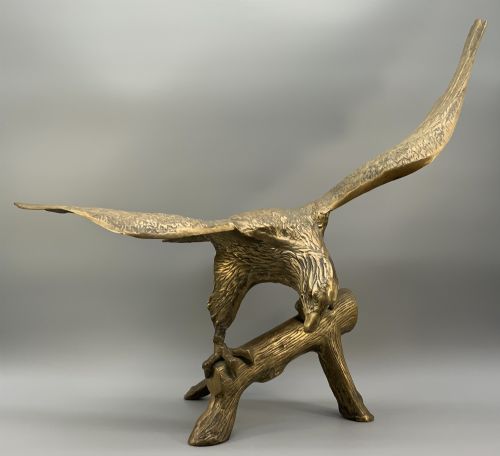
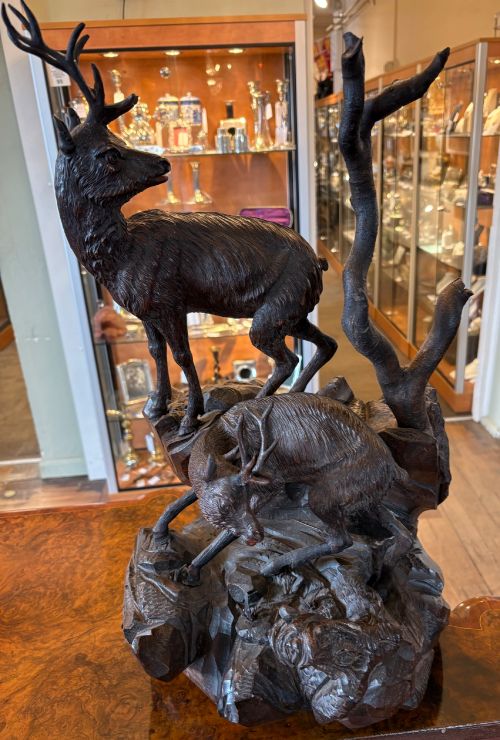
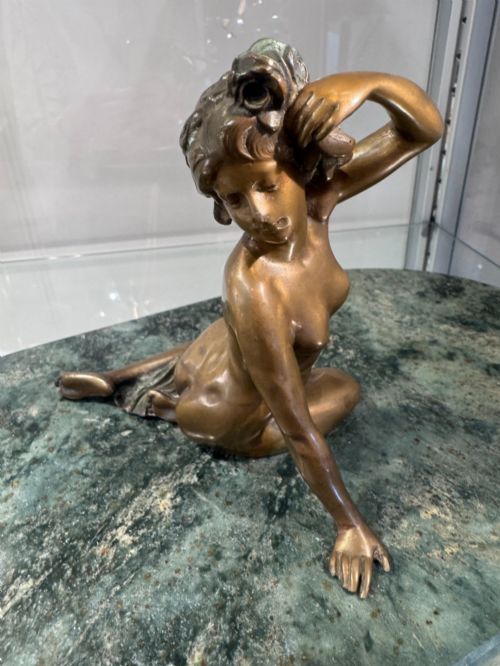
When you search for antique metal statues, you encounter a diverse range of figurative works produced across different continents and centuries. The selection spans classical European figures, Japanese okimono, and animalier studies cast in various metallic alloys.
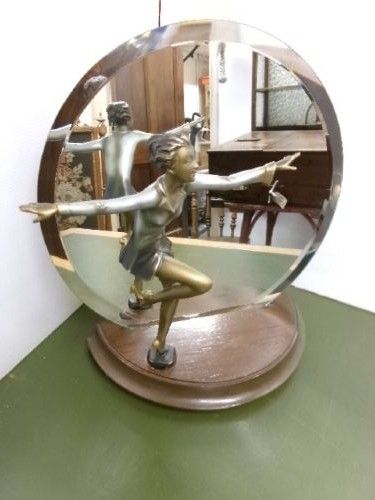
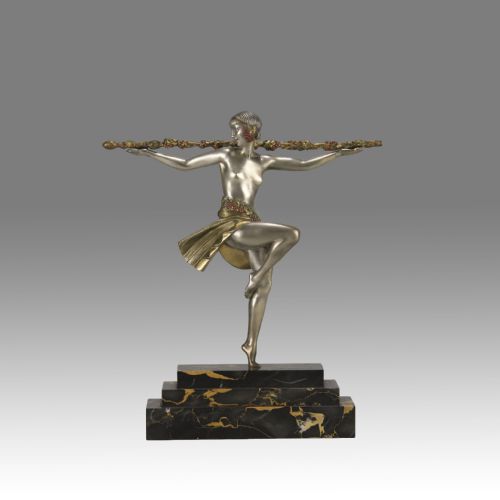
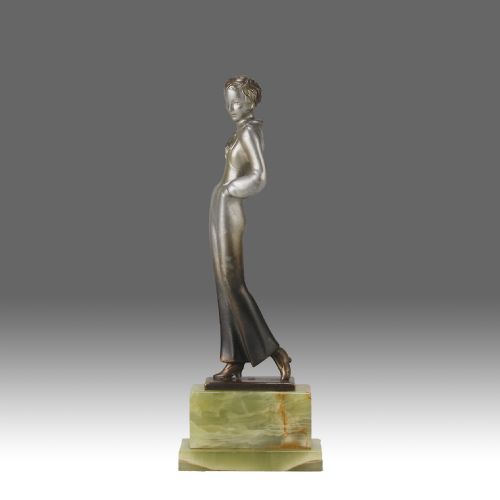
You are most likely to meet 19th-century and early 20th-century examples on this page, including French allegorical bronzes, Art Deco dancers, and Meiji period metalwork. These pieces often incorporate integral bases of marble or onyx to support the weight of the metal.
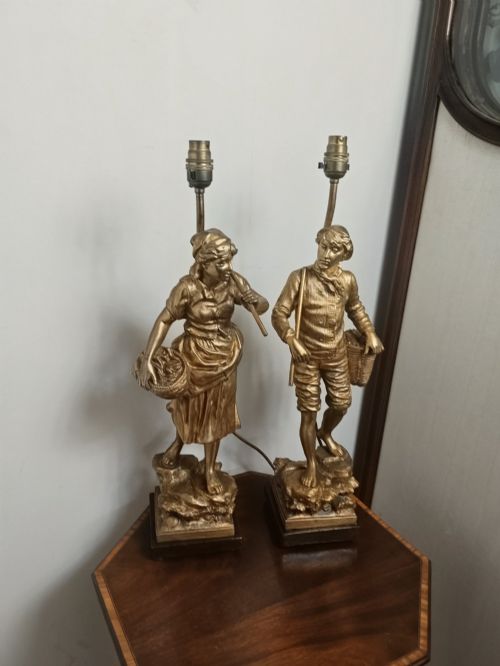
The forms extend from small cabinet sculptures and tabletop lamps to pairs of lions and grand tour models. Subjects range from mythological deities and farm labourers to native wildlife and domestic dogs.
How they were made
Foundries primarily utilised bronze and spelter, often finishing the metal with cold-painted polychrome details, gilt layers, or chemical patination to simulate age and texture. Bronze pieces offer superior durability and crisper detail retention from the casting process.
Many European and Asian works combine metal elements with carved stone plinths such as marble, slate, or onyx. Artisans frequently mounted the figures securely onto these weighted bases using threaded rods or pins.
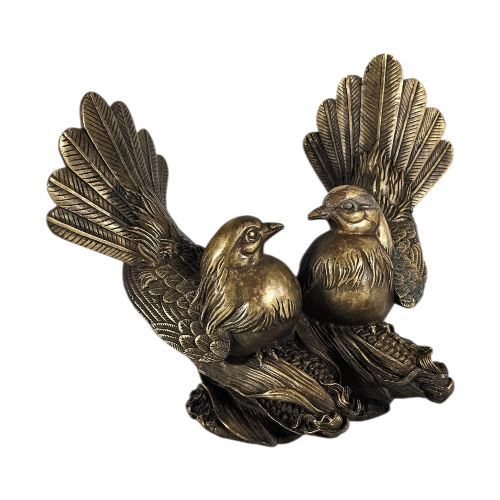
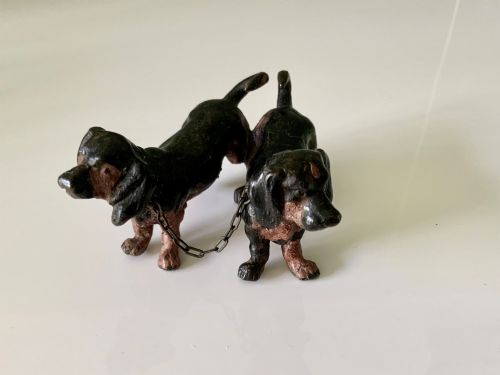
Among the creatures frozen in metal are a scholar monkey, a pair of pheasants, and a tiny bronze dachshund.
What varies in quality
The integrity of the patina or cold-painted surface dictates much of the visual success. Original, undisturbed patination shows deep tonal variation and wear appropriate to age, whereas heavy repainting obscures the underlying metalwork.
Lemoyne·Pierre le Faguays·Josef Lorenzl·E Rousseau·F.Milliot·Tsunemitsu·Claude Michel Clodian·E Villanis·Shosai·Christophe Fratin·Emile Carlier·Henri Godet
The Antique Metal Statues Glossary
- Spelter
- A zinc-based alloy frequently used as a less costly alternative to bronze during the nineteenth and twentieth centuries. It is softer and lighter than true bronze.
- Animalier
- A nineteenth-century artistic movement and style focused on realistic depictions of animals, particularly predators, horses, and birds in motion.
- Cold-painted
- A technique where paint is applied to metal objects without subsequent high-temperature firing. This finish is delicate and prone to flaking if handled improperly.
- Okimono
- A Japanese decorative ornament designed for display on a shelf or in a traditional alcove. These figures often depict everyday subjects, animals, or legendary characters with great realism.
- Patina
- The surface coloration and sheen acquired by metal through oxidation, age, and handling over long periods. A good patina adds depth and confirms the age of the piece.
Antique Metal Statues: Frequently Asked Questions
Are spelter and bronze the same?
Spelter is a zinc alloy, whereas bronze is an alloy of copper and tin. Bronze is heavier, harder, and resists wear far better than spelter.
Statues cast in spelter generally feel lighter and often require a painted finish to hide the grey metal underneath.
What is cold-painted bronze?
Cold-painted bronze refers to metal figures decorated with oil or enamel paints that dry naturally rather than through kiln firing. This method was popular in Vienna workshops for colourful animal and human subjects.
Because the paint sits on the surface, these pieces demand careful handling to preserve the remaining pigment.
Why are some figures mounted on marble?
Marble bases provide necessary weight and stability for slender or dynamic figures that might otherwise topple over. They also offer a clean architectural boundary between the sculpture and the furniture beneath.
In Art Deco pieces, contrasting coloured marbles enhance the geometric styling of the period.