




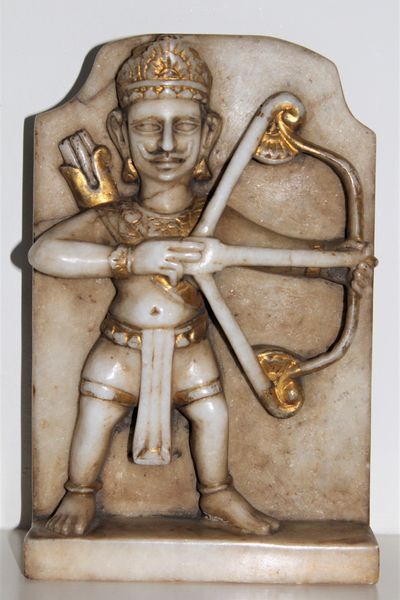
Antique Archer Statue
An antique archer statue brings classical form and athletic tension into a room, capturing a timeless pursuit in bronze, metal, and stone.
Antique Archer Statue
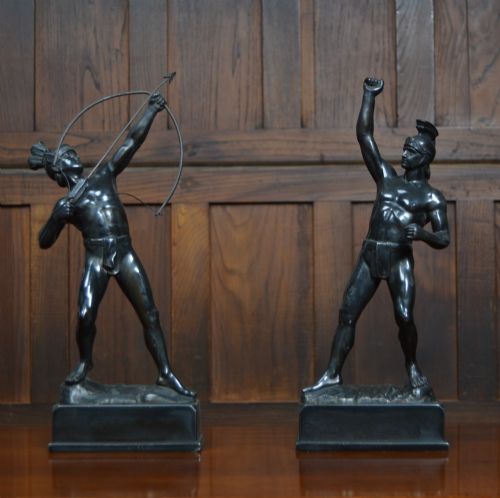
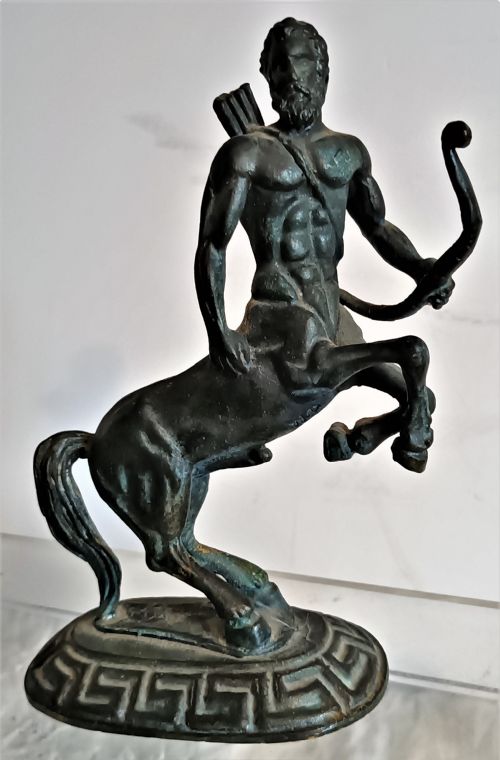
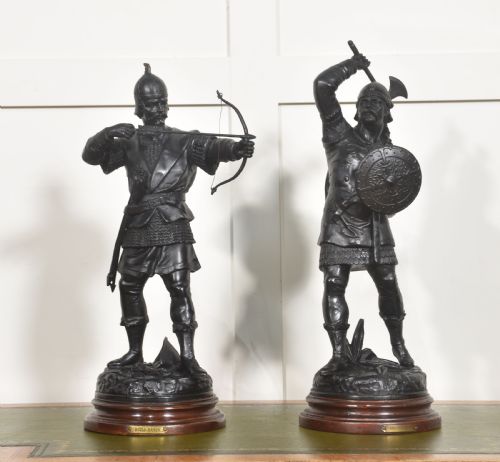
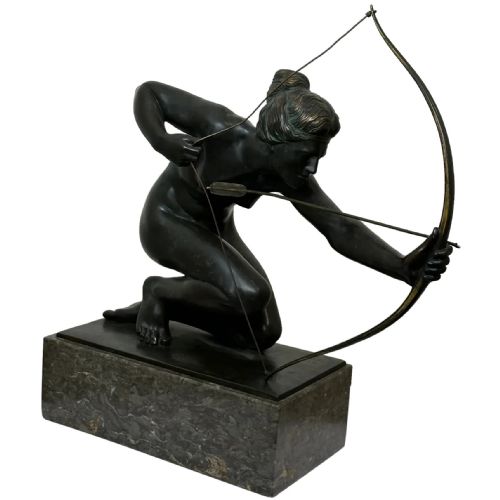
When you search for an antique archer statue, you find figures drawn from classical mythology, history, and allegorical design, often depicted with bows and arrows. The selection spans distinct eras, taking the form of standalone sculptures, bookends, and figural groups.
You are most likely to meet pieces cast in bronze, patinated bronze, and spelter, alongside carved marble and terracotta variants. These works frequently channel styles such as Victorian Classical Revival, Neoclassical, and Art Deco.
Originating from nineteenth-century European workshops and later twentieth-century studios, these pieces reflect a fascination with heroic figures like Diana, classical warriors, and mythological marksmen. Each sculpture captures a moment of intense focus, whether drawing a bowstring or holding an arrow ready.
How they were made
Foundry methods of the nineteenth and early twentieth centuries relied on traditional metal casting, utilising bronze and zinc alloy or spelter to achieve sharp anatomical detail. Patination was then applied by hand to the metal surfaces, creating rich brown, green, or dark tones that highlight the musculature and drapery.
Stone and earthenware elements were carved or moulded, pairing materials like marble and onyx bases with metal figures, or utilising specialised terracotta mixtures as seen in pieces from the Compton Potters Art Guild. Wood also appears as a base material, anchoring heavier metal sculptures.
Several figures choose to hunt mythical beasts and woodland birds rather than traditional targets.
What varies in quality
The degree of crispness in the casting separates superior figures from softer, later recasts or mass-produced items. Fine work shows distinct facial expressions, precise feather details on arrows, and clean separation between limbs and drapery.
The choice of base materials and overall weight indicates the standard of production. Solid bronze castings with substantial marble or onyx plinths stand apart from lighter spelter figures mounted on simple wooden bases.
The nuance of the patination contributes significantly to the visual depth of the piece. Hand-applied patinas that have aged naturally present subtle tonal gradations, whereas uniform modern coatings lack the warmth of period surfaces.
Eugene Barillot·Compton Potters Art Guild·Aug Moreau·Paul Joris·R Henn
The Antique Archer Statue Glossary
- Spelter
- A zinc alloy commonly used as a less expensive alternative to bronze in nineteenth-century figure casting. It is often painted or patinated to imitate bronze.
- Patinated bronze
- Bronze that has been treated with chemical solutions to produce a specific surface colour or aged finish. This process protects the metal and enhances sculptural detail.
- Neoclassical
- A style spanning the eighteenth and nineteenth centuries that draws inspiration from the art and culture of classical antiquity. It prioritises proportion, restraint, and heroic themes.
- Art Deco
- A design style dominant in the 1920s and 1930s characterised by streamlined forms, geometric styling, and stylised representations of the human figure.
Antique Archer Statue: Frequently Asked Questions
What periods do these archer statues come from?
The available pieces originate primarily from the nineteenth and early twentieth centuries, spanning Victorian and Edwardian eras into the Art Deco period of the 1920s and 1930s.
Maker signatures and material choices often help narrow down the specific decade of production within this broader timeframe.
How were antique archer statues used originally?
Many of these figures served as decorative mantel ornaments, centrepieces for libraries, or functional objects such as heavy bookends supporting volumes on a desk.
Larger sculptures were designed to stand on pedestals or side tables in studies and drawing rooms as expressions of classical taste.
How do I care for a bronze or spelter figure?
Dust the surface regularly with a soft, dry brush to prevent particulate buildup in the recessed areas of the casting and patination.
Avoid using liquid cleaners, polishes, or abrasive cloths, as these can strip away the historical patina and damage the metal.
How can I tell bronze from spelter?
Bronze is heavier, colder to the touch, and magnetic only if an internal iron armature is present, whereas spelter is lighter and softer.
Examining the underside or areas of wear often reveals the greyish metal beneath a flaking surface on spelter, unlike the warm golden-brown of bronze.