




Grand Tour Style Statues
Grand tour style statues bring classical antiquity and Renaissance sculpture into the domestic interior through reduced bronze, marble and plaster copies.
Grand Tour Style Statues
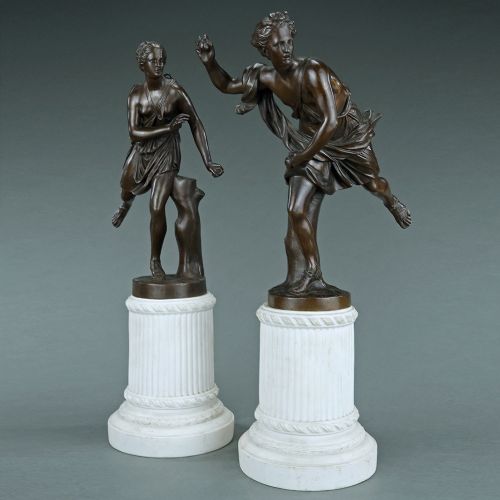
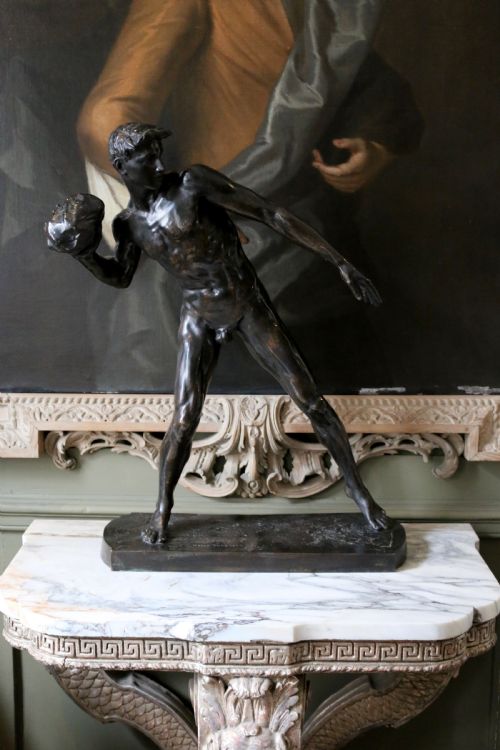
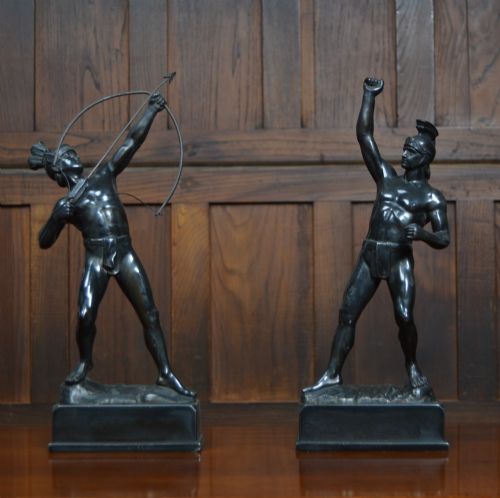
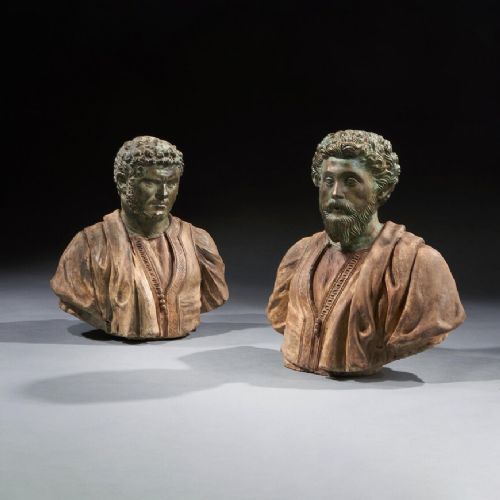
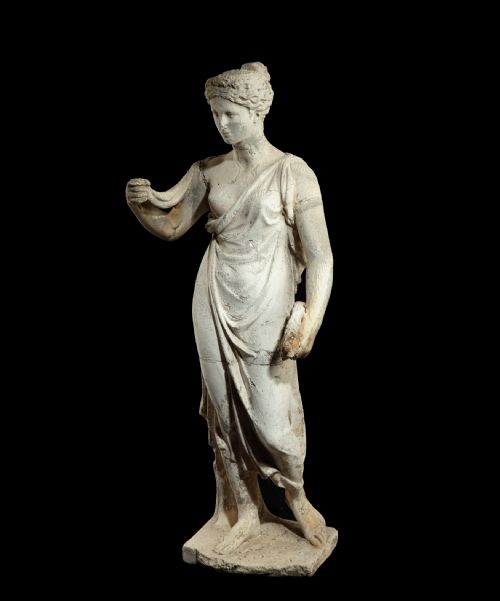
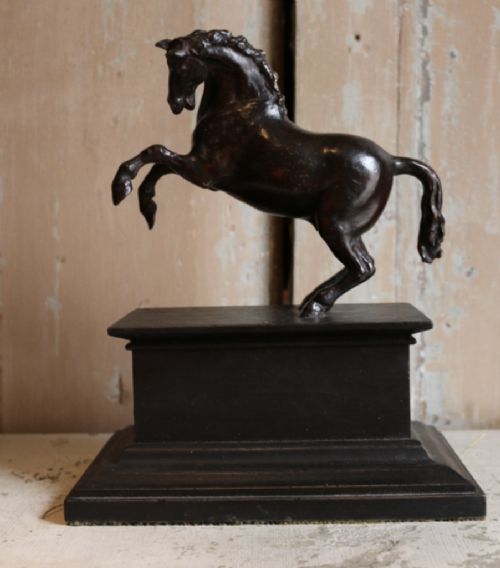
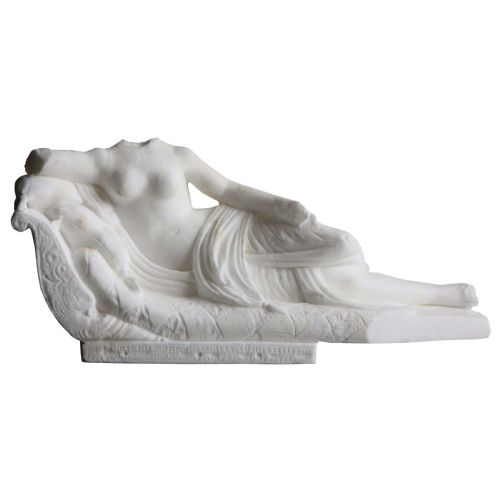
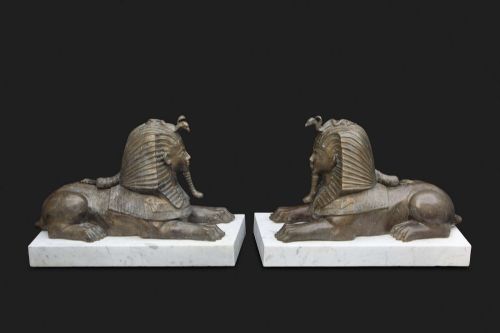
When buyers search for grand tour style statues, they encounter miniature or reduced-scale replicas of ancient Greek and Roman sculptures, alongside Renaissance masterpieces acquired by travellers on European journeys. These pieces span centuries of production, though nineteenth-century castings dominate the field with interpretations of subjects like the Dancing Faun, Spinario and various Roman emperors.
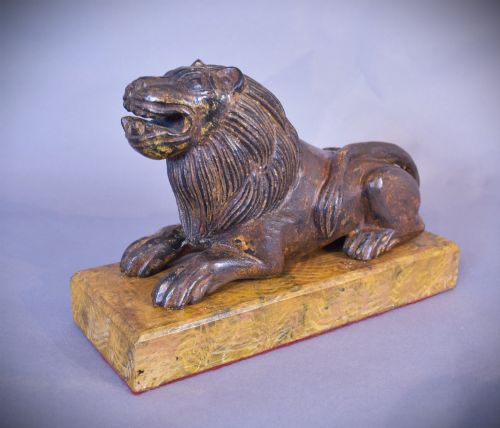
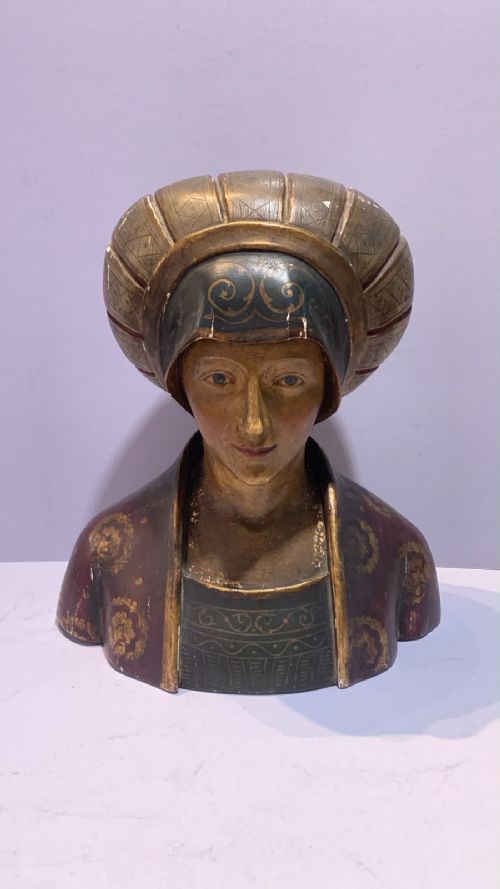
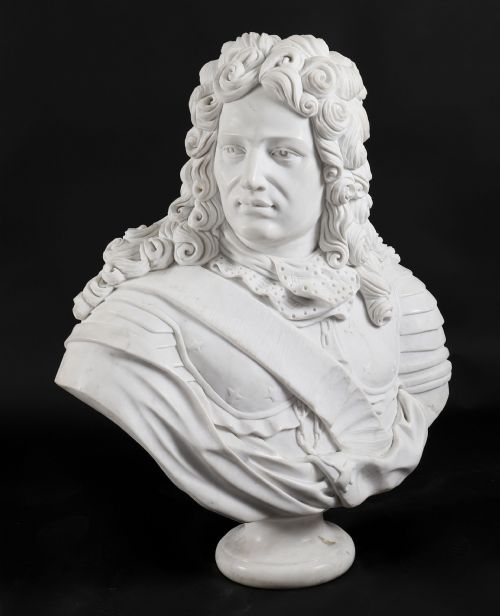
The objects take several distinct forms, most commonly single portrait busts of noblemen, philosophers and caesars, as well as full-length figures, animal bronzes such as the Medici lion, and figural lamp bases. Materials range from patinated bronze and Carrara marble to plaster and terracotta, reflecting the diverse souvenirs brought back from Italy by wealthy collectors.
Nineteenth-century foundry productions sit alongside twentieth-century revivals, often bearing the signatures or cachets of prominent makers such as Barbedienne. Buyers meet everything from cabinet-sized bronze figures to monumental plaster library busts designed to furnish studies and libraries with an air of classical erudition.
How they were made
Foundries utilised the lost-wax casting method or sand casting for metal pieces, capturing intricate details of drapery, hair and musculature before applying chemical patination to simulate aged bronze or classical verdigris. Skilled hands then chased and finished the metal surfaces with cold chisels and gravers.
Marble sculptures and busts were carved by hand from solid blocks, frequently utilising Carrara marble, relying on pointing machines to scale down antique proportions accurately. Plaster and terracotta versions required moulds taken from famous originals, then finished with paint or surface washes to mimic stone or bronze.
Listings feature materials spanning bronze, Carrara marble, plaster, terracotta, patinated bronze, wood, stone and paint across multiple centuries.
What varies in quality
In marble and plaster pieces, the standard depends on the sensitivity of the carving and the purity of the medium, avoiding excessive surface filling or clumsy repairs. The weight and integration of the plinth, whether veined marble or ebonised wood, also contribute to the overall stability and presence of the piece.
Barbedienne·Hamo Thornycroft·Antonio Canova·Mathurin Moreau·Leofanti Adolphe·Ferdinando de Luca·Antoine Coysevox·Clodion
The Grand Tour Style Statues Glossary
- Patinated bronze
- Metal alloy treated with chemical solutions to produce a controlled surface colour, ranging from deep brown to green verdigris.
- Carrara marble
- White or blue-grey stone quarried in the city of Carrara in Tuscany, favoured for classical statuary since antiquity.
- Lost-wax casting
- A metal-casting process where a molten metal is poured into a mould that has been created by means of a wax model.
- Chasing
- The manual finishing of a metal casting using hammers and punches to refine details and remove surface imperfections.
- Grand tour
- The traditional trip of Europe undertaken by upper-class European young men of sufficient means in the seventeenth through nineteenth centuries.
Grand Tour Style Statues: Frequently Asked Questions
What is a grand tour statue?
These pieces are miniature or full-scale copies of classical antiquities and Renaissance works, collected by travellers touring European cultural centres during the eighteenth and nineteenth centuries.
Foundries and studios in Italy and France produced them in bronze, marble and plaster to satisfy the demand for portable classical art.
How were these statues used?
Wealthy collectors displayed them in studies, libraries and entrance halls as symbols of classical education, refined taste and scholarly pursuits.
Some served purely as decorative sculptures on desks and mantelpieces, while others were adapted as figural lamp bases or architectural ornaments.
How do I date a bronze statue?
Dating relies upon examining the quality of the casting, the composition of the metal, the characteristics of the patination and any foundry stamps or signatures present on the base.
Nineteenth-century examples frequently exhibit heavier patination layers and crisper chasing than later twentieth-century reproductions.
Are plaster busts antique?
Plaster figures and library busts were produced extensively throughout the nineteenth and early twentieth centuries as affordable alternatives to marble and bronze.
Period plaster pieces show natural ageing, surface wear and discoloration rather than the stark white finish typical of modern reproductions.
Where were these pieces made?
The majority of these statues originated in workshops and foundries across France and Italy, particularly in Paris, Florence and Rome.
Italian artisans specialised in carved marble reductions and terracotta copies, whilst French foundries excelled in complex bronze casting and patination.