





German Bronze Sculptures
German bronze sculptures bring strong character and fine casting to a room, ranging from fierce animalier figures to sleek Art Deco studies.
German Bronze Sculptures
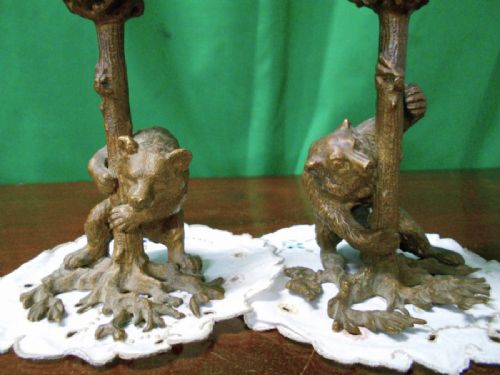
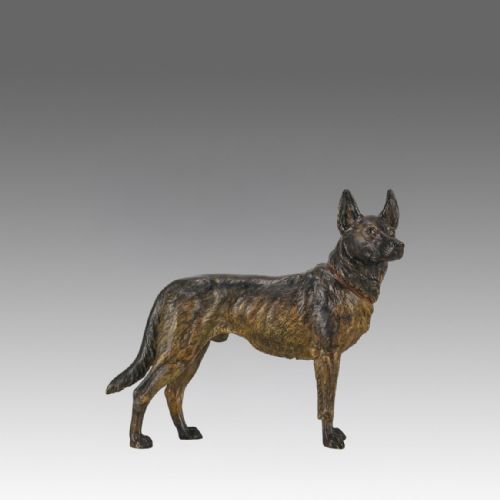
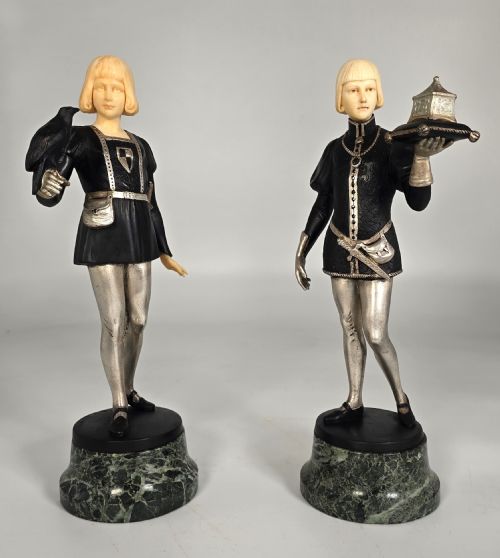
German bronze sculptures encompass a diverse array of figures, candlesticks, and table lamps spanning the late nineteenth century through to the nineteen-thirties. When exploring german bronze sculptures, buyers encounter various artistic movements, including Art Nouveau, Art Deco, Neoclassical, and Animalier works. Subjects range from naturalistic depictions of dogs and bears to mythological scenes and human figures.
The objects on this page reflect distinct periods such as nineteen-ten and nineteen-twenty, alongside pieces simply attributed to the nineteenth century. Makers and modellers of the era applied their craft to both standalone display pieces and functional items like night lights and candlesticks. These works showcase the breadth of continental metalwork from the late Victorian era up to the interwar period.
What varies in quality
The standard of german bronze sculptures rests upon the crispness of the casting and the precision of the hand-finishing. Finer pieces retain sharp details in fur, fabric, and facial expressions without softening from worn moulds. The depth and warmth of the patination also dictate the visual strength of the surface.
Material pairing influences overall execution, particularly where bronze meets carved ivory or marble. High-grade examples demonstrate secure mounting between the metal figure and its stone base, alongside careful application of cold-painted or gilt surfaces. The presence of a recognised modeller signature often aligns with superior sculptural articulation.
Listings feature works spanning the nineteenth century through to nineteen-thirty, incorporating bronze, marble, ivory, and enamel materials.
Ferdinand Preiss·Franz Bergman·Gotthilf Jaeger·Louis Riche·C Dopmeyer·Albert Hussmann·Rudolf Kuchler·Franz Iffland·Leonhard Posch·Gustav Adolf Daumiller
The German Bronze Sculptures Glossary
- Animalier
- A nineteenth-century artistic style focusing on the realistic depiction of animals. Sculptors in this tradition studied anatomy closely to capture creatures in motion or repose.
- Cold-painted bronze
- Metal figures decorated with paint applied after the casting process rather than fired in a kiln. This technique allowed for vivid colouration on garments and plumage.
- Electrotype copper
- A chemical replication method used to create metallic objects by depositing copper ions onto a mould. This process produced detailed hollow forms.
- Art Deco
- A design style from the nineteen-twenties and nineteen-thirties characterised by streamlined geometric forms and modern materials. Sculptures from this era often feature stylised human and animal figures.
- Patina
- The surface coloration and sheen that develops on bronze over time or through chemical treatment. A well-preserved patina enhances the contours of the casting.
German Bronze Sculptures: Frequently Asked Questions
How do I clean a bronze sculpture?
Dust the surface gently with a soft, dry cloth to prevent the accumulation of grit in the recesses of the casting. Avoid using water, detergents, or abrasive polishes that can strip the original patina.
Apply a very thin layer of microcrystalline wax if the metal requires protection against humidity. Buff the wax off thoroughly with a clean cloth to maintain a soft, stable sheen.
What is cold-painted bronze?
Cold-painted bronze refers to metal figures decorated with oil or enamel paints that dry in the air rather than through high-temperature firing. This method was widely used in Vienna to produce brightly coloured decorative objects and figures.
Care must be taken with these pieces because the unheated paint can flake or chip if subjected to moisture or rough handling. Gentle dusting is essential to preserve the remaining pigment.
How can I tell the period of a sculpture?
Examine the stylistic cues, such as the geometric lines of Art Deco or the organic curves typical of Art Nouveau. The clothing, hairstyles, and subject matter often point directly to the decade in which the piece was modelled.
Signatures, foundry marks, and the type of base material also help narrow down the date of production. Comparing the casting quality to documented works by known makers provides further context.
Where should I display my bronze?
Place the sculpture away from direct sunlight and excessive heat sources to protect any delicate components like ivory faces or marble bases. Stable indoor conditions prevent the expansion and contraction of mixed-media elements.
Ensure the piece rests on a level, sturdy surface that can support its weight safely. Position the sculpture where adequate lighting can highlight the details of the casting and its patina.