




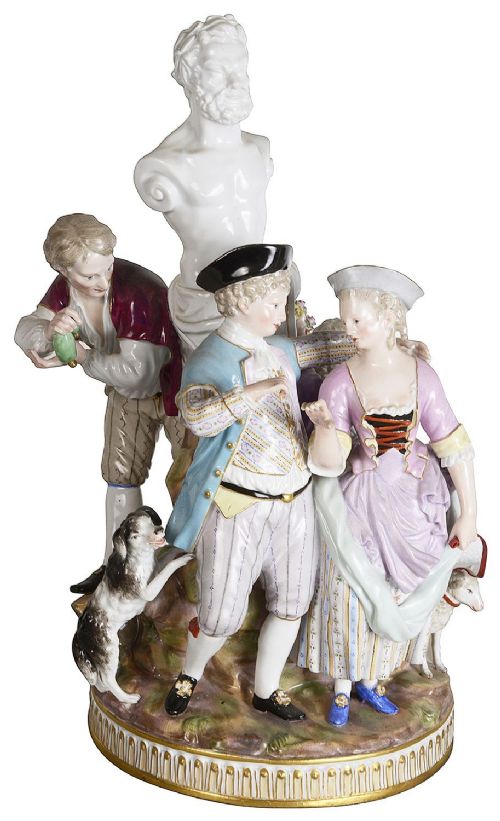
Antique Meissen Figurine
An antique meissen figurine captures centuries of European porcelain mastery, offering intricate modelled forms and hand-painted details that transform small ceramic sculptures into captivating cabinet pieces.

Antique Meissen Figurine
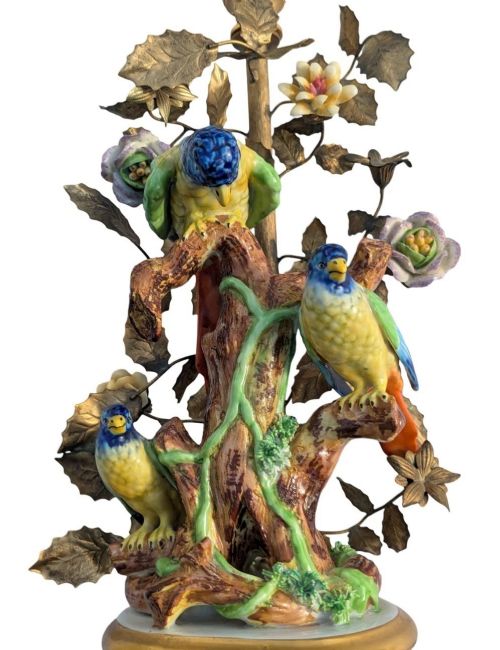
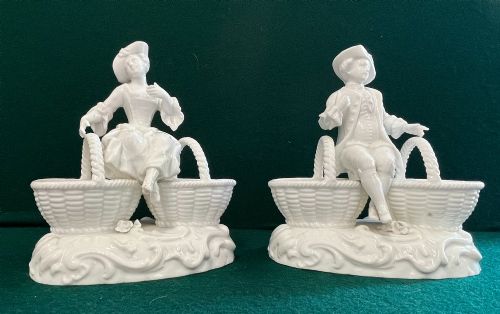
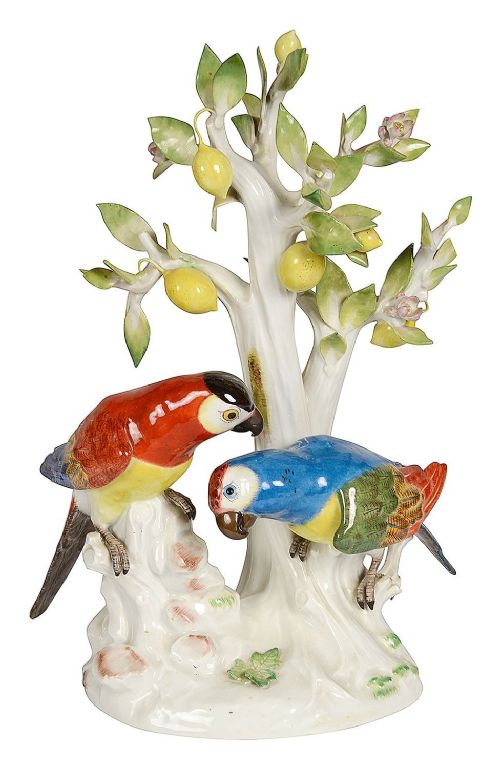
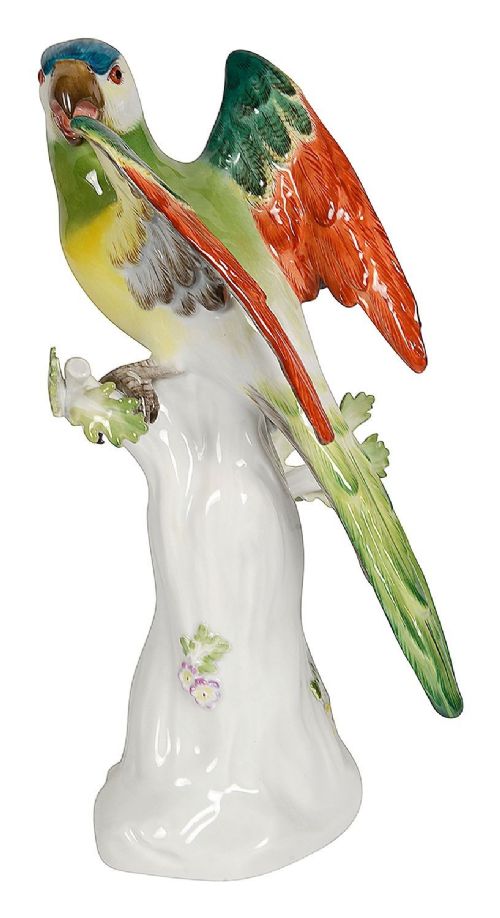
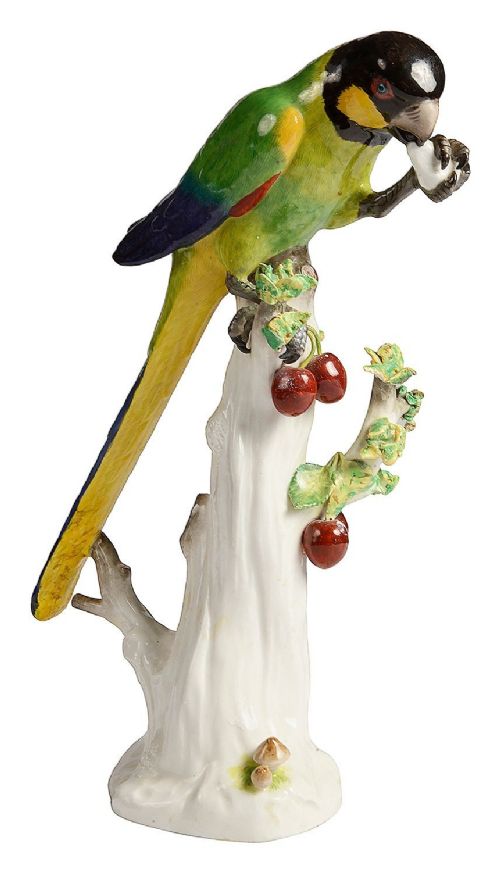
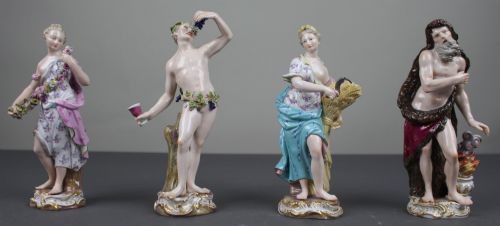
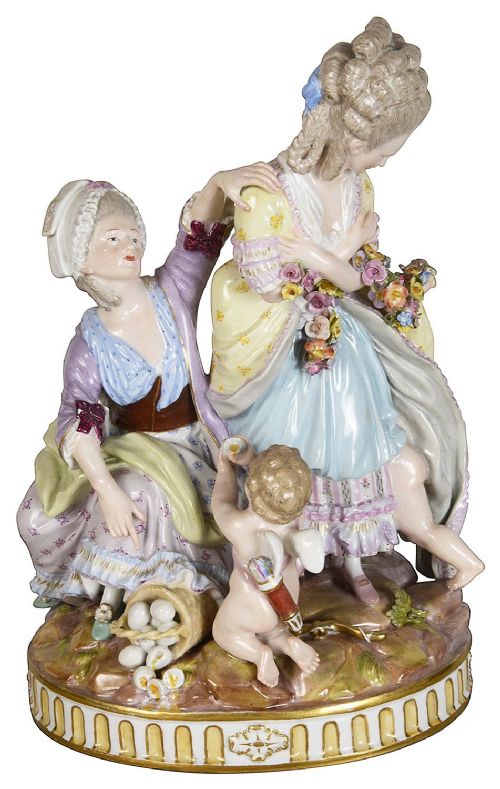
The phrase antique meissen figurine encompasses sculpted ceramic subjects ranging from individual animals and birds to allegorical groups and human figures. The selection includes birds perched on branches, musical troupes, street vendors, and romantic pairs styled in historical attire.
Most pieces encountered in this collection date from the eighteenth and nineteenth centuries, spanning eras influenced by Rococo and Neoclassical design. Collectors meet subjects derived from classical mythology, pastoral life, and exotic fauna, modelled with expressive postures and detailed dress.
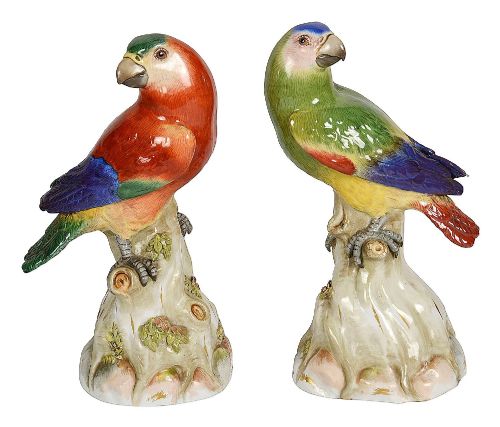
Production extends from early hard-paste porcelain figures through to later Victorian interpretations and twentieth-century modernist works. The variety spans diminutive cherubs holding tricorne hats up to large pairs of parrots and exotic animal figures.
Materials and production methods
Manufacture relies on hard-paste porcelain, a dense and durable ceramic body fired at high temperatures to accept intricate modelling. Artisans shape the figures in moulds before applying delicate applied elements such as flowers, leaves, and clothing ruffles by hand.
Antique Meissen Figurine Retail Price Guide 2026
Typical asking prices for meissen figurine among the pieces listed under this phrase on Sellingantiques today, from the lower quarter to the upper quarter. They describe what is for sale here now, not the wider market.
Alexander the Great conquers India perched near porcelain elephants.
Distinctions in quality
Quality rests upon the crispness of the porcelain modelling and the delicacy of hand-applied details like flower petals and lace. Superior examples retain sharp facial expressions and clean limb articulation without blurring in the glaze.
The skill of the enamel painting dictates visual distinction, with finer pieces displaying subtle shading in feathers, clothing, and flesh tones. The precision of the gilding and the naturalism of the posture separate masterworks from standard production.
Edmé Samson·Paul Scheurich·Helena Wolfsohn
The Antique Meissen Figurine Glossary
- Hard-paste porcelain
- A vitrified ceramic composition of kaolin and petuntse fired at extreme heat to create a translucent, non-porous body. This material forms the durable foundation for Meissen figures.
- Enamel glaze
- A vitreous coating mixed with metallic oxides applied to porcelain surfaces to produce vibrant colours during kiln firing. It provides the protective glossy finish on painted details.
- Sweetmeat dish
- A small handled vessel or basket integrated into a figural composition, originally intended for serving confectionery at formal tables.
- Gilt
- A thin layer of gold applied to ceramic surfaces to highlight decorative elements such as clothing trims, bases, and accessories.
- Rococo Revival
- A nineteenth-century design movement resurrecting the ornate, asymmetrical scrollwork and playful naturalism of the mid-eighteenth century.
Antique Meissen Figurine: Frequently Asked Questions
How do I identify a Meissen figure?
Authentic Meissen pieces generally feature the crossed swords mark painted in blue under the glaze, alongside impressed model numbers and pressnummern. Comparing the modelling quality and enamel palette against documented historical examples confirms authenticity.
Examination of the paste under magnification reveals the density and whiteness characteristic of true hard-paste porcelain from the Saxon factory.
What subjects are most common?
Figures frequently depict pastoral characters, street vendors, musicians, and classical figures engaged in everyday or allegorical pursuits. Animal models, particularly birds such as parrots, hoopoes, and ducks, also appear regularly.
Romantic pairs and groups depicting seasonal themes or theatrical characters formed a large part of the factory output across multiple centuries.
How should I display porcelain figures?
Display porcelain figures within enclosed cabinets away from direct sunlight to protect the hand-painted enamel colours from fading. Stable shelving prevents accidental tipping, as delicate applied elements like flowers and fingers are vulnerable to impact.
Maintaining consistent indoor temperatures protects the ceramic body and any historical gilt or ormolu mounts from environmental stress.
How do 18th and 19th-century figures differ?
Eighteenth-century figures typically exhibit lighter, more dynamic Rococo modelling with spontaneous hand-sculpted details and softer enamel palettes. Nineteenth-century pieces often reflect revivalist tastes, featuring heavier porcelain bodies and brighter, more uniform enamel glazes.
Earlier models carry historical significance tied to the development of European porcelain formulas, while later nineteenth-century pieces demonstrate industrial refinement in mass-production techniques.