



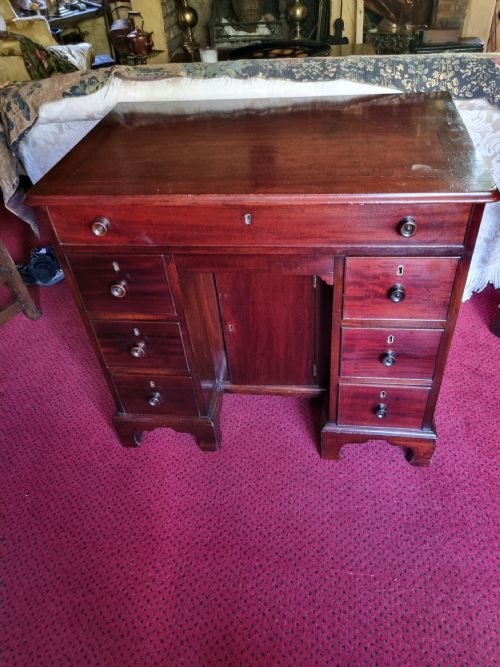


Antique Kneehole Chest
An antique kneehole chest combines compact desk proportions with central recessed drawers, offering classic joinery and concealed storage for writing or dressing.

Antique Kneehole Chest
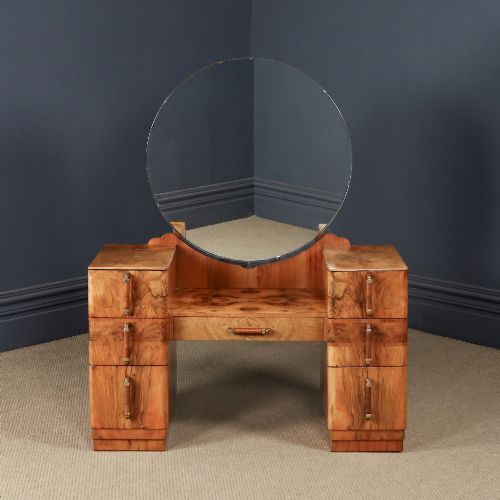
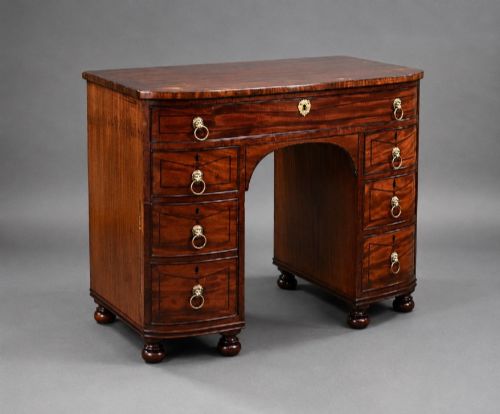
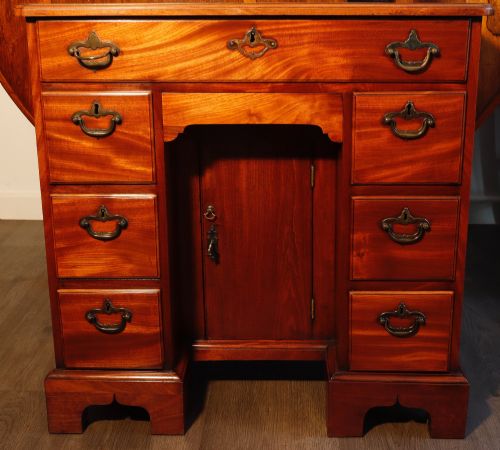
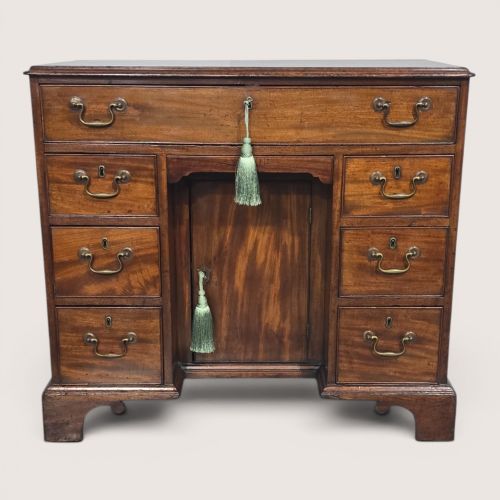
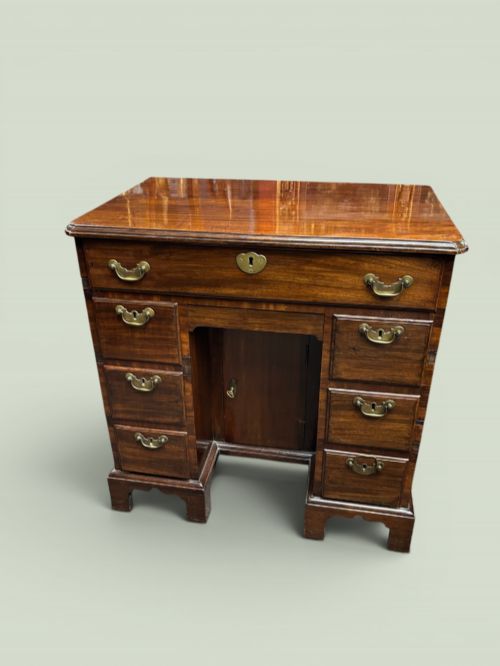
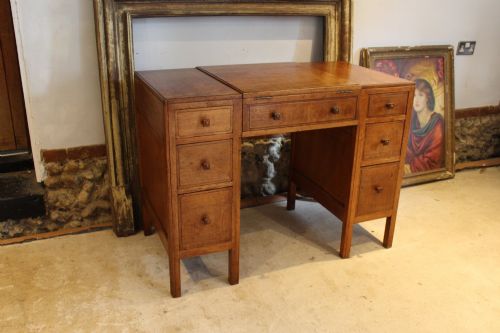
An antique kneehole chest is a fitted table or cabinet designed with a central recessed space, flanked by banks of drawers, serving as a desk or dressing table. These pieces frequently appear in Georgian and 18th-century forms, alongside later Victorian and 1930 iterations.
The layout typically incorporates a sliding shelf above the recess, known as a brushing slide, positioned beneath the top surface. Smaller variants include miniature desks, lowboys, and dressing chests configured for personal grooming or correspondence.
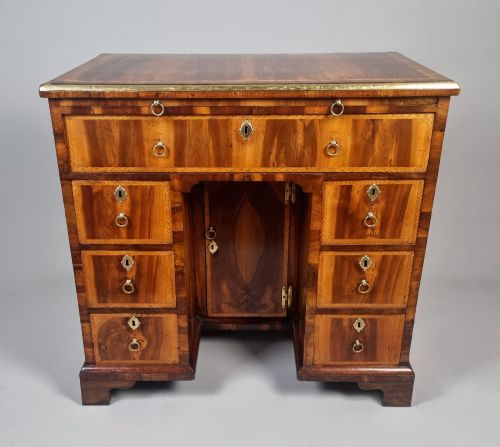
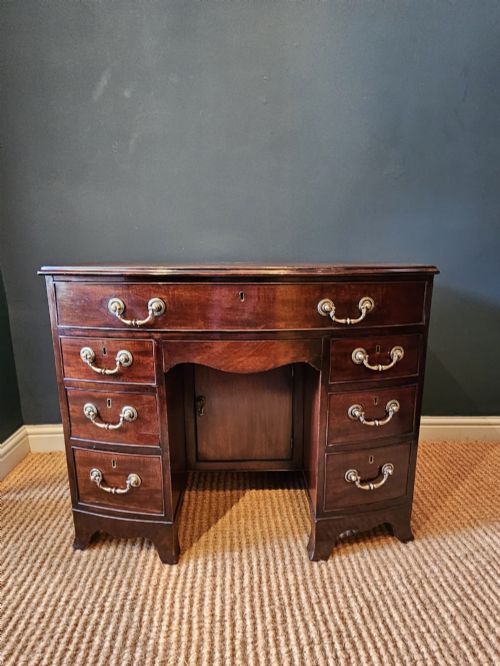
Origins span English cabinet-making traditions, utilising timber frameworks structured with pedestal configurations. The central kneehole often conceals a small cupboard door or a concealed drawer.
Factors influencing quality
Quality depends upon the selection of timber figures, such as matched burr walnut or figured mahogany veneers, and the precision of decorative inlays. Timber choice dictates the visual depth of the facade.
The integrity of original brass hardware, locks, and internal drawer construction distinguishes superior pieces from later replacements. Cohesion in proportions, particularly in miniature or diminutive scales, governs the overall balance of the piece.
Subtleties in secondary wood selection and the crispness of hand-carving on bracket feet or mouldings separate standard workshop output from finer cabinet-work.
Antique Kneehole Chest Retail Price Guide 2026
Typical asking prices for kneehole chest among the pieces listed under this phrase on Sellingantiques today, from the lower quarter to the upper quarter. They describe what is for sale here now, not the wider market.
Materials recorded across the inventory include brass, glass, mahogany, oak, walnut, pine, burr walnut, and yew wood.
Heal and Sons·Shapland and Petter
The Antique Kneehole Chest Glossary
- Kneehole
- A recessed space beneath the top surface of a desk or dressing table designed to accommodate the user's legs. This central cavity is typically flanked by vertical banks of small drawers.
- Brushing slide
- A pull-out shelf positioned immediately beneath the top board of a chest or desk. It provided a clean surface for dusting garments or writing brief notes without opening the main drawers.
- Lowboy
- A small table with drawers, standing on relatively tall legs, often utilised as a dressing table or side table. These pieces share construction traits with kneehole chests.
- Featherbanding
- A decorative inlay technique using veneer strips cut diagonally across the grain to form a herringbone pattern around drawer perimeters. It frames the primary wood panels.
- Serpentine
- A curved line of furniture fronts featuring a convex centre flanked by concave curves. This shaping requires skilled sawing and fitting of solid timber or veneer.
Antique Kneehole Chest: Frequently Asked Questions
What is an antique kneehole chest used for?
These pieces functioned historically as writing desks, dressing tables, or compact storage cabinets for personal papers and valuables. The central recess allowed a person to sit close while working or grooming.
Today, they serve well as compact dressing tables in bedrooms or as small writing desks in studies. Their numerous drawers provide practical organisation within a modest footprint.
How do I date a kneehole chest?
Dating relies on examining construction methods, timber choices, and hardware styles across periods like the Georgian era, Regency, and Victorian times. Early 18th-century examples often feature walnut or yew wood with featherbanding and bracket feet.
Later Victorian and 1930 versions incorporate distinct finishes, varied handles, and different secondary woods like pine. Comparing the drawer linings and backboards helps confirm the period of manufacture.
What wood was used for kneehole chests?
Cabinet-makers built these pieces using native and imported timbers, most commonly mahogany, walnut, oak, and yew wood. Figured veneers, burr walnut, and satinwood inlays appear on decorative exterior surfaces.
Internal components such as drawer sides and bases frequently utilise secondary woods like oak or pine. Cherry and red walnut also feature in specific regional or period examples.
Where does the name kneehole come from?
The term describes the open architectural space left between two pedestals of drawers beneath the desk surface. This recess accommodates the knees of a seated person.
Cabinet-makers standardised this layout in the late 17th and 18th centuries to create efficient writing and dressing furniture. The space sometimes includes a small concealed cupboard door at the back.