
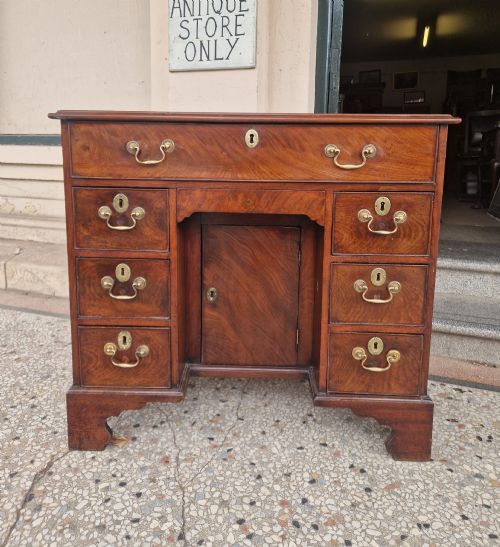


Recessed Cupboard Desk
These recessed cupboard desk pieces are clever Georgian writing tables offering concealed storage behind central kneehole doors.

What recessed cupboard desk means on this page
A recessed cupboard desk brings together the compact form of a kneehole desk and the enclosed storage of a small cabinet. Buyers search this phrase to find writing tables that conceal paperwork and personal items behind a central cupboard door set back beneath the writing surface.
The pieces on this page span the Georgian period, including specific examples from the George II era and the eighteenth and nineteenth centuries. Alongside desks, the listings include dressing tables built with the same characteristic internal arrangement.
Materials and construction
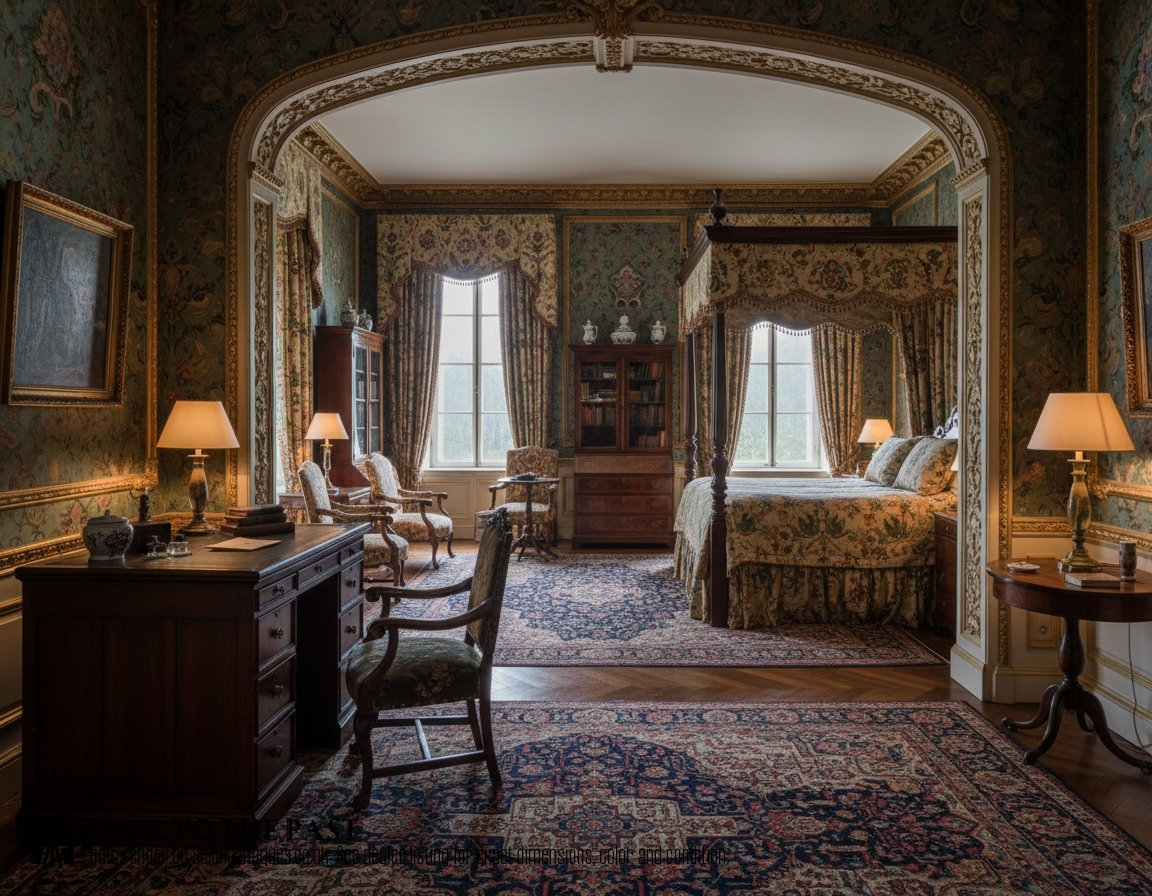
Cabinet makers built these pieces primarily using mahogany, sometimes paired with oak for internal drawer linings and structural framing. Timber selection focused on rich grain figures, which workers polished to a deep lustre.
Hardware such as brass handles and escutcheons secured drawers and cupboards, while inset leather writing surfaces provided a durable platform for correspondence and desk work.
Retail Price Guide 2026
Typical UK retail prices for recessed cupboard desk, calculated from the Sellingantiques database of over a million retail prices indexed since 2003. This retail price guide relies exclusively on Sellingantiques data; no external sources or auction records are used, so the figures do not describe the wider market.
Every kneehole cupboard hides a secret central recess behind its tiny door.
What separates the fine examples
Quality in these desks rests upon the crispness of the timber mouldings and the precision of the drawer dovetails. Superior examples exhibit carefully selected mahogany veneers and robust internal framing that survives centuries of daily use without sagging.
The degree of original hardware remaining on the piece influences its character. Fine specimens retain their period brasses and well-fitted internal cupboard doors that operate smoothly within the kneehole space.
The Recessed Cupboard Desk Glossary
- Kneehole desk
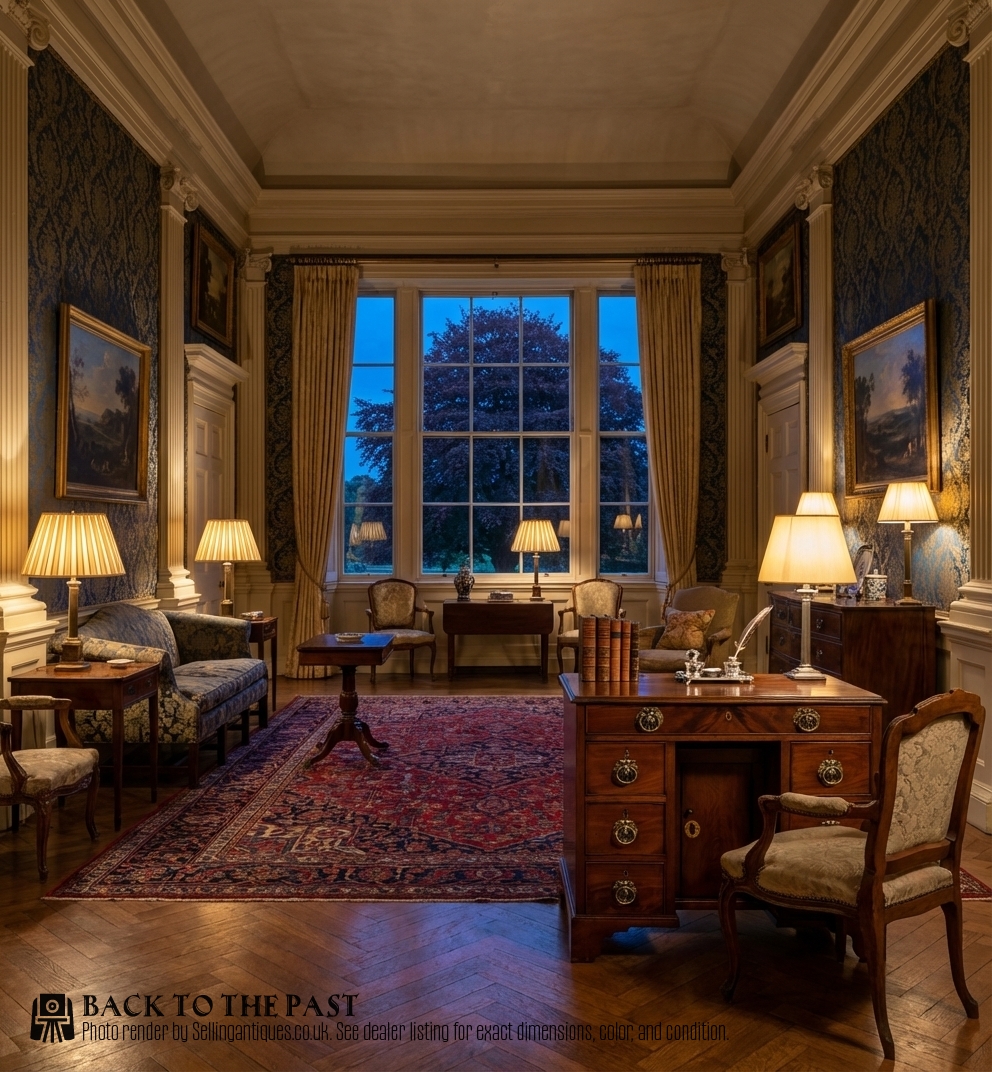
- A compact writing table featuring pedestals of small drawers on either side with a recessed space in the centre. This configuration creates a comfortable seating position while maximising storage.
- Dressing table
- A low table fitted with drawers and compartments for grooming items. Many share identical architectural proportions to kneehole desks.
- Dovetail
- A joint formed by interlocking wedge-shaped fingers used to secure drawer corners. Hand-cut dovetails indicate traditional craftsmanship.
- Escutcheon
- A protective metal plate surrounding a keyhole. Brass escutcheons prevent the surrounding wood from wearing down through repeated use of the key.
Frequently Asked Questions
What is a recessed cupboard desk?
It is a compact writing table with pedestals of drawers flanking a central recessed cupboard. The cupboard sits beneath the main writing surface.
Such pieces provide both a writing space and enclosed storage for papers or valuables within a small footprint.
How do I identify a Georgian desk?
Georgian desks display proportion and classical architectural details typical of the eighteenth century. Look at the timber choice and joinery methods.
Mahogany construction and hand-cut dovetails within the drawers are common indicators of this period.
Were these used as dressing tables?
Some pieces built with this layout served as dressing tables rather than writing desks. The internal compartments accommodated grooming equipment.
They share the same kneehole configuration and recessed cupboard door as the writing tables.
What woods were used?
Makers relied heavily on mahogany for the visible exterior surfaces and drawer fronts. Oak frequently appears in the secondary framing and drawer linings.
Brass hardware and leather writing inserts complete the standard materials found on these items.