

18th Century Style Desk
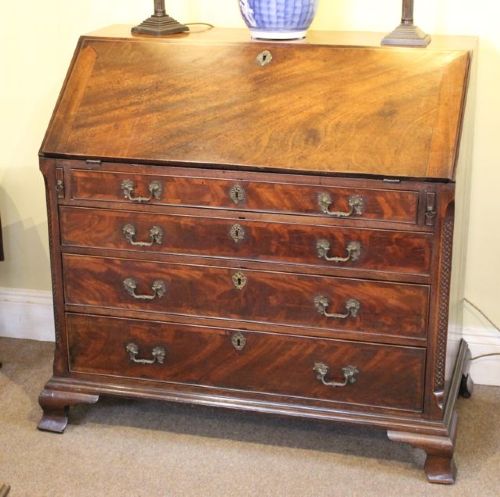
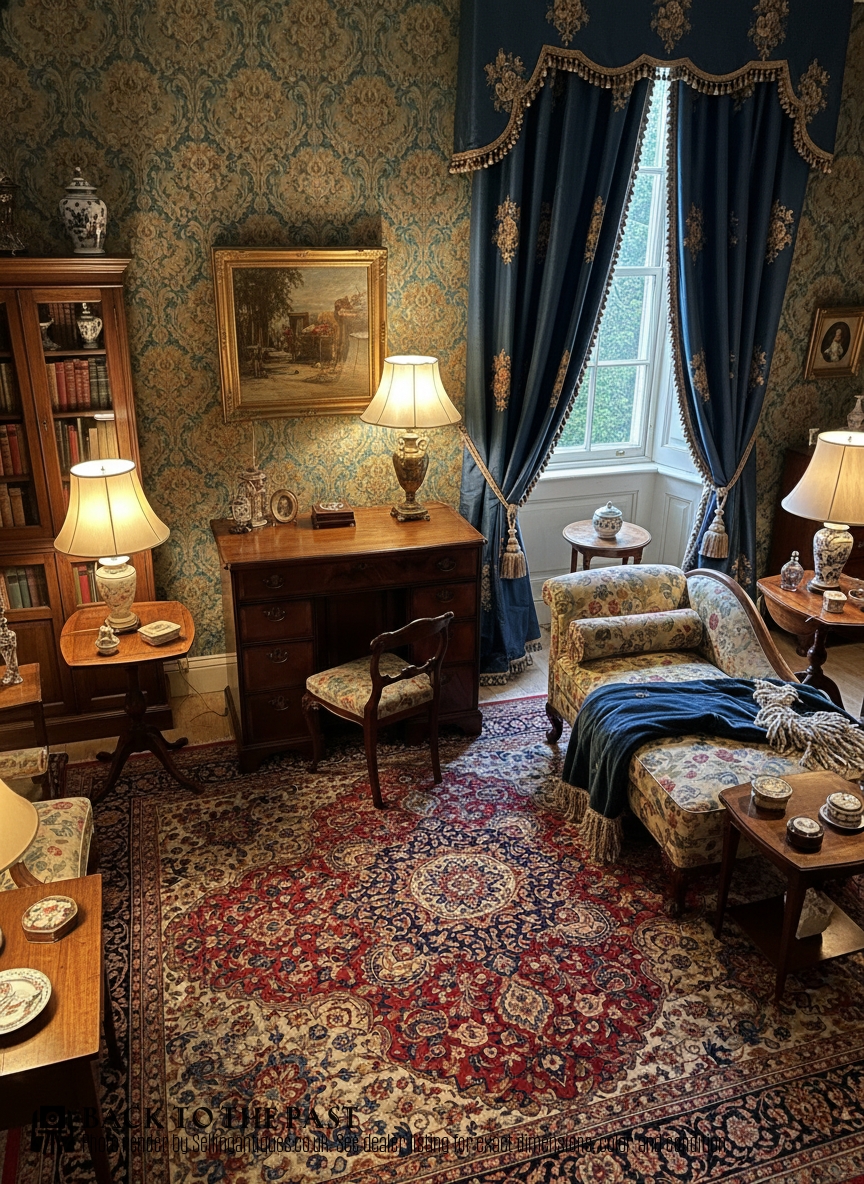
An 18th century style desk brings walnut, mahogany, and fine brass hardware into a room with the presence of earlier centuries.
What an 18th century style desk is
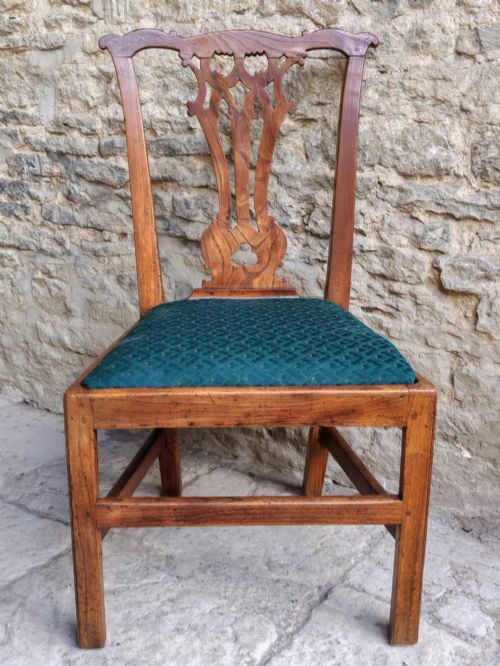
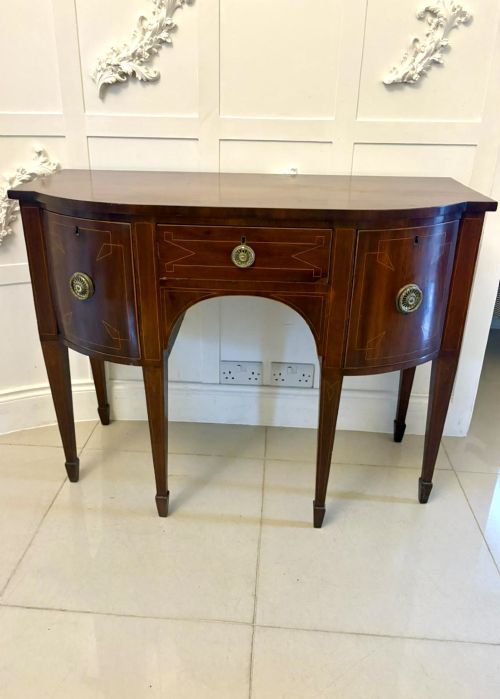
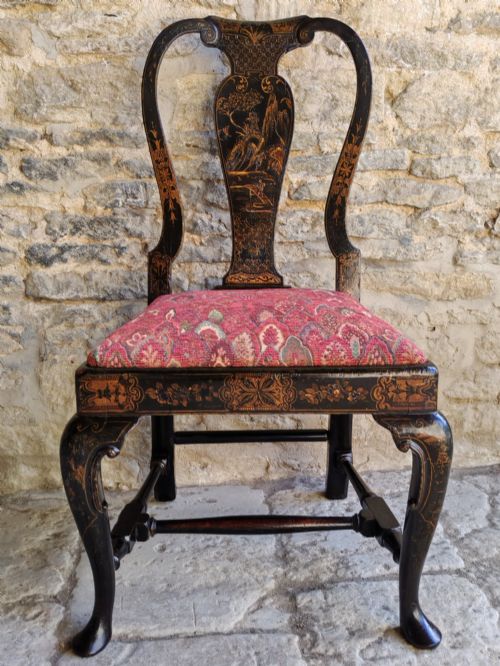
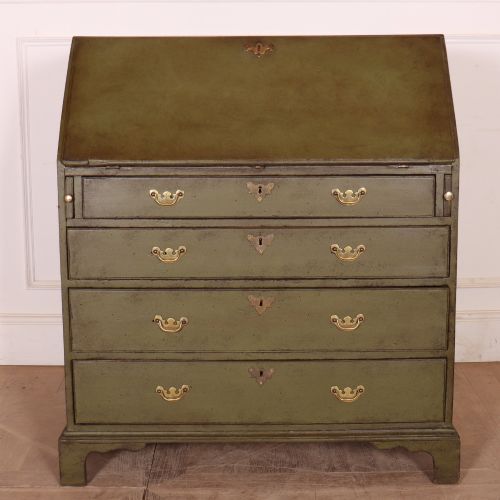
When you search for an 18th century style desk, you encounter revival pieces spanning the Victorian era and the years around nineteen hundred, alongside items dated by century. These pieces draw on George I, George II, George III, Louis XV, and Chinese Chippendale designs, offering the proportions and decorative schemes of earlier periods.
The most common forms on this page include kneehole desks, dressing chests, and bureau plats, often outfitted with fine timber veneers and fitted interiors. Makers of the nineteenth and early twentieth centuries looked back to Georgian and continental models to satisfy the demand for historical furniture.
Originating across different decades of the Victorian and Edwardian periods, these desks combine earlier aesthetic vocabularies with the construction methods of their actual manufacture date. They provide the visual weight of eighteenth-century cabinetmaking without the fragility of true antiquity.
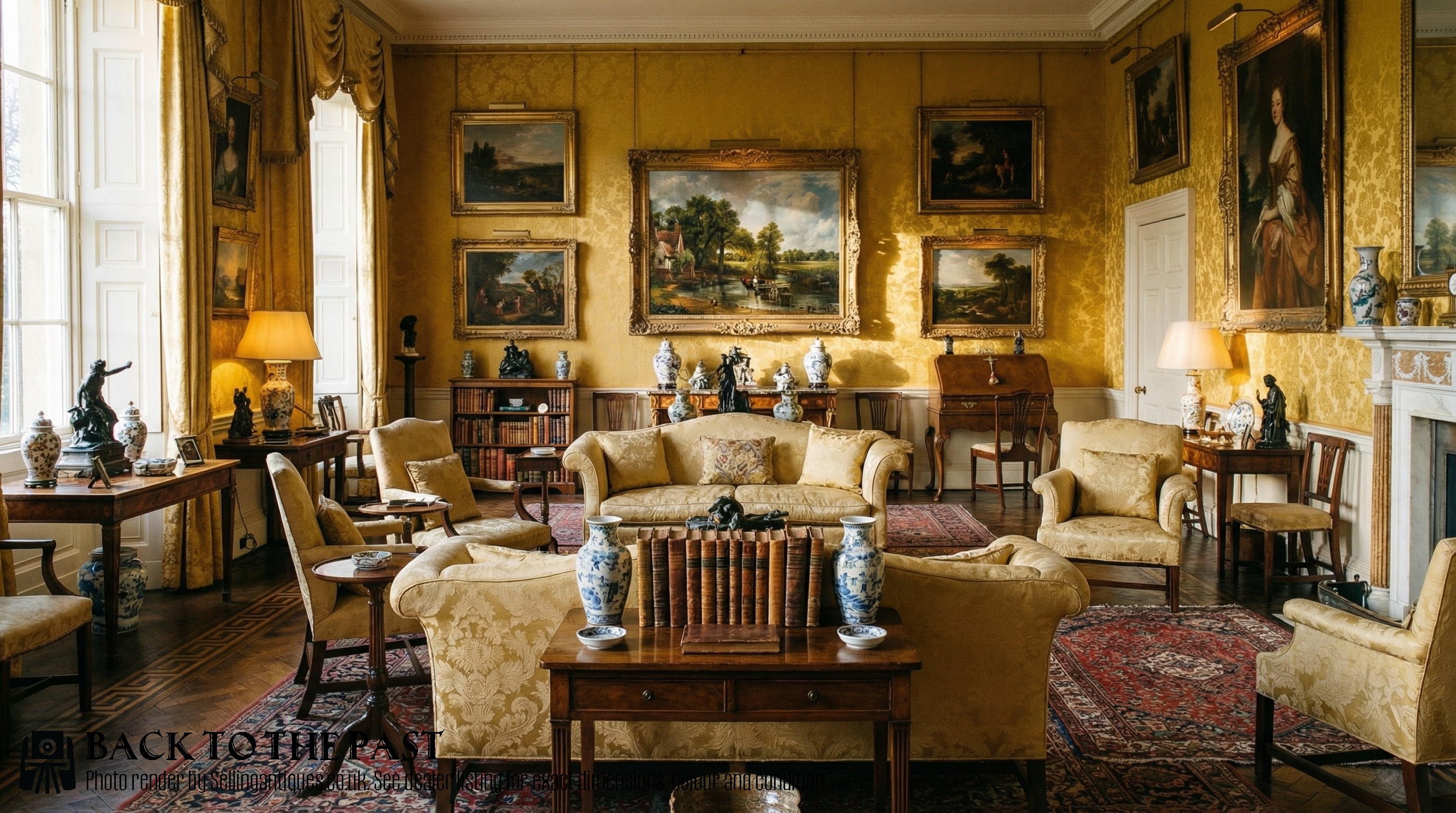
How they were made
Cabinetmakers constructed these desks using solid timbers and decorative veneers such as walnut, burr walnut, rosewood, tulipwood, oak, and satinwood over secondary woods. Surfaces frequently display figured grain patterns chosen for their visual impact, sometimes enhanced with inlaid banding or marquetry.
Metal components play an essential role in the construction, featuring cast brass handles, escutcheons, and gilt ormolu mounts. Leather inserts appear on writing surfaces, while glass elements occasionally protect or complete specific dressing table configurations.
Retail Price Guide 2026
Typical UK retail prices for 18th century style desk, calculated from the Sellingantiques database of over a million retail prices indexed since 2003. This retail price guide relies exclusively on Sellingantiques data; no external sources or auction records are used, so the figures do not describe the wider market.
Listings on this page include walnut, oak, rosewood, tulipwood, satinwood, brass, glass, and ormolu across several revival styles.
What varies in quality
The quality of an 18th century style desk rests on the selection of the timber veneers and the precision of the cabinetwork. Finer examples display carefully matched grain patterns across the drawers and top, whereas simpler pieces rely on plain surfaces.
Hardware and mounts also signal distinction, as heavy cast brass and chased ormolu indicate a higher grade of manufacture than thin stamped metal. The integration of secondary woods and the neatness of dovetailing inside the drawers reveal the maker's attention to hidden details.

The 18th Century Style Desk Glossary
- Bureau plat
- A freestanding writing table with a rectangular top and drawers in the frieze, typically associated with French eighteenth-century designs. This form stands away from the wall to display finished surfaces on all sides.
- Kneehole desk
- A compact desk featuring a central recessed space for the legs, flanked by pedestals of small drawers. This configuration maximises storage while maintaining a manageable footprint.
- Ormolu
- Gilded bronze ornamentation applied to furniture, frequently seen on pieces drawing on French models. The metal is cast and chased to produce crisp decorative details.
- Burr walnut
- Timber taken from a growth on a walnut tree, yielding a swirling, highly figured grain pattern used for decorative veneer. Cabinetmakers prize this material for its rich texture.
- Chinese Chippendale
- A style incorporating fretwork, lattice patterns, and oriental motifs derived from eighteenth-century design books. It represents the era's fascination with East Asian aesthetics.
Frequently Asked Questions
What is an 18th century style desk?
An 18th century style desk is a revival piece manufactured during the Victorian or Edwardian eras that mimics the forms, woods, and decorative motifs of earlier Georgian and continental furniture.
These items use historical designs like George II kneeholes or Louis XV bureau plats while employing the manufacturing techniques of the nineteenth and early twentieth centuries.
Are these desks genuine antiques?
Most pieces listed under this search date from the nineteenth or early twentieth centuries, making them antiques in their own right rather than items from the seventeen-hundreds.
They represent later interpretations of earlier aesthetics, built by craftsmen who admired the proportions and cabinetmaking skills of the Georgian and Louis periods.
What woods were used for these desks?
Cabinetmakers utilised walnut, burr walnut, oak, rosewood, tulipwood, and satinwood, often applied as veneers over sturdy secondary timber foundations.
These varied timbers allowed workshops to create contrasting banded borders, figured top panels, and rich surface colours across different revival styles.
How do I identify the style?
Style identification relies on examining the decorative vocabulary, such as the fretwork of Chinese Chippendale, the mounts of Louis XV, or the kneehole arrangement of George II furniture.
Matching the specific hardware, leg forms, and veneer patterns to known historical periods clarifies which design tradition the maker followed.
Where should I place one?
These desks suit studies, living rooms, or bedrooms where their timber tones and historical proportions can anchor the room's design scheme.
Freestanding bureau plats work well away from walls to show all-round finishing, while kneehole desks fit neatly against flat wall surfaces.