



Antique Kelleh Carpet
An antique kelleh carpet is a substantial room-sized weaving designed with an elongated format for traditional Persian and Caucasian interiors.
Antique Kelleh Carpet
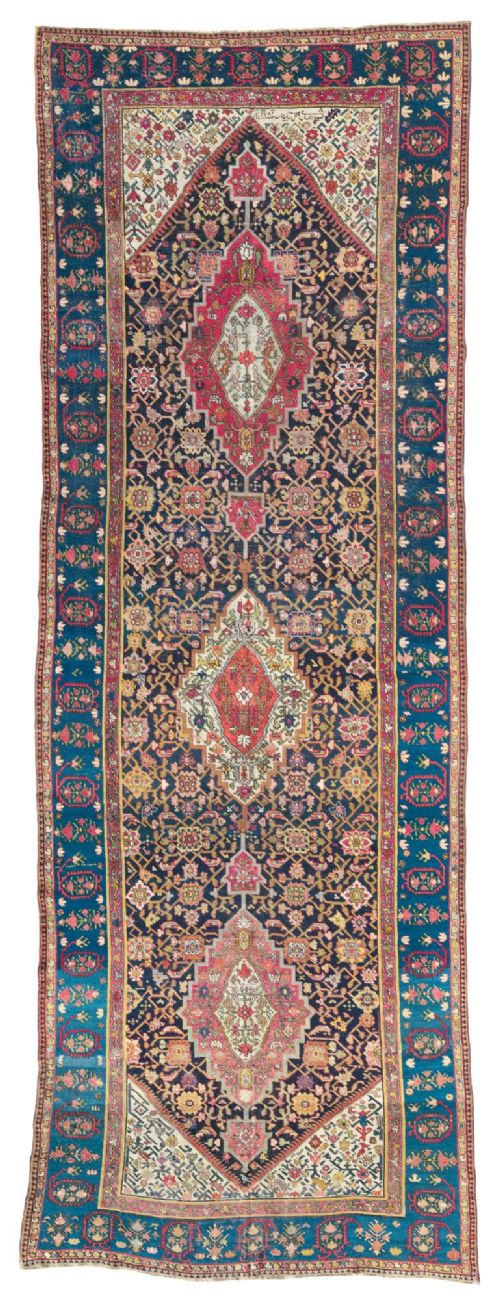
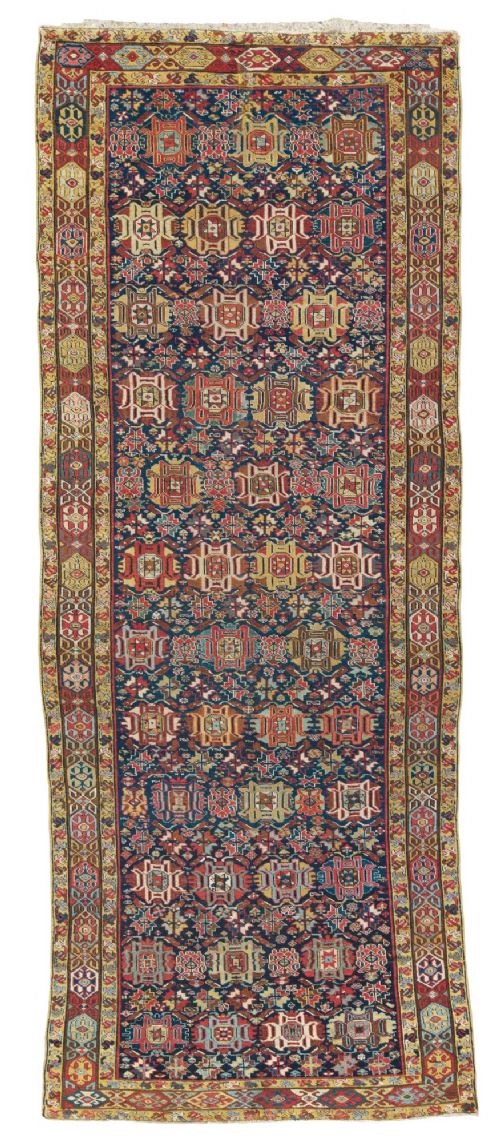
An antique kelleh carpet represents a specific format of large floor covering, sitting between standard rugs and full gallery carpets in length. When searching for an antique kelleh carpet, buyers encounter formats woven across Persian tribal groups and Caucasian regions. These long formats were traditionally utilised in narrow reception rooms and corridors.
The pieces seen here span from the mid-nineteenth century through to the early twentieth century. Common regional attributions include Kurdish, Bidjar, Malayer, and Karabagh origins. They display diverse styles ranging from traditional Persian layouts to bold tribal and nomadic compositions.
How They Were Made
These carpets are constructed predominantly using wool and cotton foundations combined with hand-spun wool pile. The integration of hand-spun wool allows for deep absorption of natural dyestuffs and creates a dense, hard-wearing surface built to withstand generations of use.
Weavers employed sturdy knotting techniques specific to their regional traditions, resulting in varying pile heights and foundation stiffness. Cotton warps appear frequently alongside woollen structures, providing dimensional stability to the elongated format.
Antique Kelleh Carpet Retail Price Guide 2026
Typical asking prices for kelleh carpet among the pieces listed under this phrase on Sellingantiques today, from the lower quarter to the upper quarter. They describe what is for sale here now, not the wider market.
Materials recorded across the inventory consist of wool, cotton, and hand-spun wool.
What Varies In Quality
Quality in these carpets rests upon the fineness of the weave and the precision of the knotting. Finer structures allow for sharper delineation of intricate field patterns and complex border motifs.
The depth and vibrancy of the palette also define the hierarchy of these pieces. Hand-spun wool taking rich dye variations elevates the visual resonance of the design.
The Antique Kelleh Carpet Glossary
- Kelleh
- A large format carpet characterised by an oblong proportion, significantly longer than it is wide. This specific shape suited traditional domestic architecture.
- Boteh
- A stylised almond or paisley motif representing a floral sprout or cypress tree. It appears frequently across Persian and Caucasian regional weaving.
- Herati
- A repeating floral trellis pattern featuring a central rosette enclosed by four leaves. This motif forms the backbone of many classical Persian designs.
- Warp
- The vertical foundation threads stretched tightly on the loom before knotting begins. Cotton and wool serve as the primary materials for these structural elements.
Antique Kelleh Carpet: Frequently Asked Questions
Where were kelleh carpets placed?
These elongated carpets were traditionally positioned along the sides of large reception rooms or within expansive hallways. Their narrow proportions accommodated the architectural layouts of Persian and Caucasian homes.
Today, they serve a similar spatial function in modern interiors, anchoring long dining spaces or defining corridors with substantial floor area.
How do I identify a Kurdish kelleh?
Kurdish examples typically display robust wool foundations and thick, resilient piles designed for practical durability. Their designs often incorporate tribal motifs, bold borders, and saturated colour palettes.
Examining the structural rigidity and the handling of the wool provides clear indicators of regional Kurdish craftsmanship.
What is the difference between a kelleh and a runner?
A kelleh is generally wider than a standard corridor runner, maintaining substantial floor presence while retaining an elongated rectangular format. They function as room-sized carpets rather than narrow passage coverings.
This distinct proportion allows them to anchor furniture arrangements in ways standard runners cannot.
How should I care for an antique wool carpet?
Routine maintenance involves gentle vacuuming without a rotating brush bar to protect the hand-spun wool pile. Professional cleaning suited for antique textiles preserves the integrity of the natural dyes.
Placing the carpet away from direct sunlight prevents fading and maintains the depth of the original palette.