



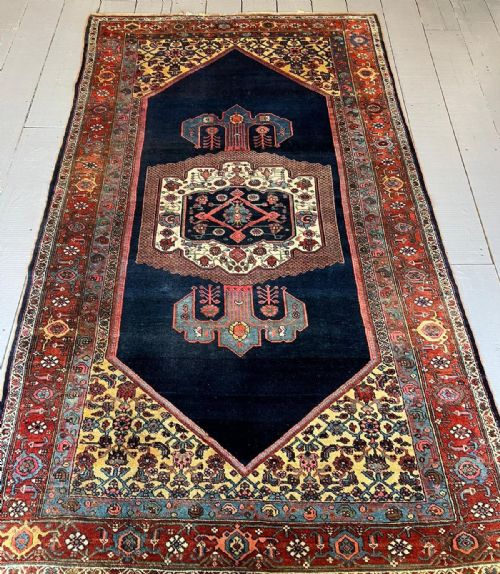


Traditional Kurdish Carpet
A traditional kurdish carpet brings rugged tribal geometry and saturated natural colour into a room.
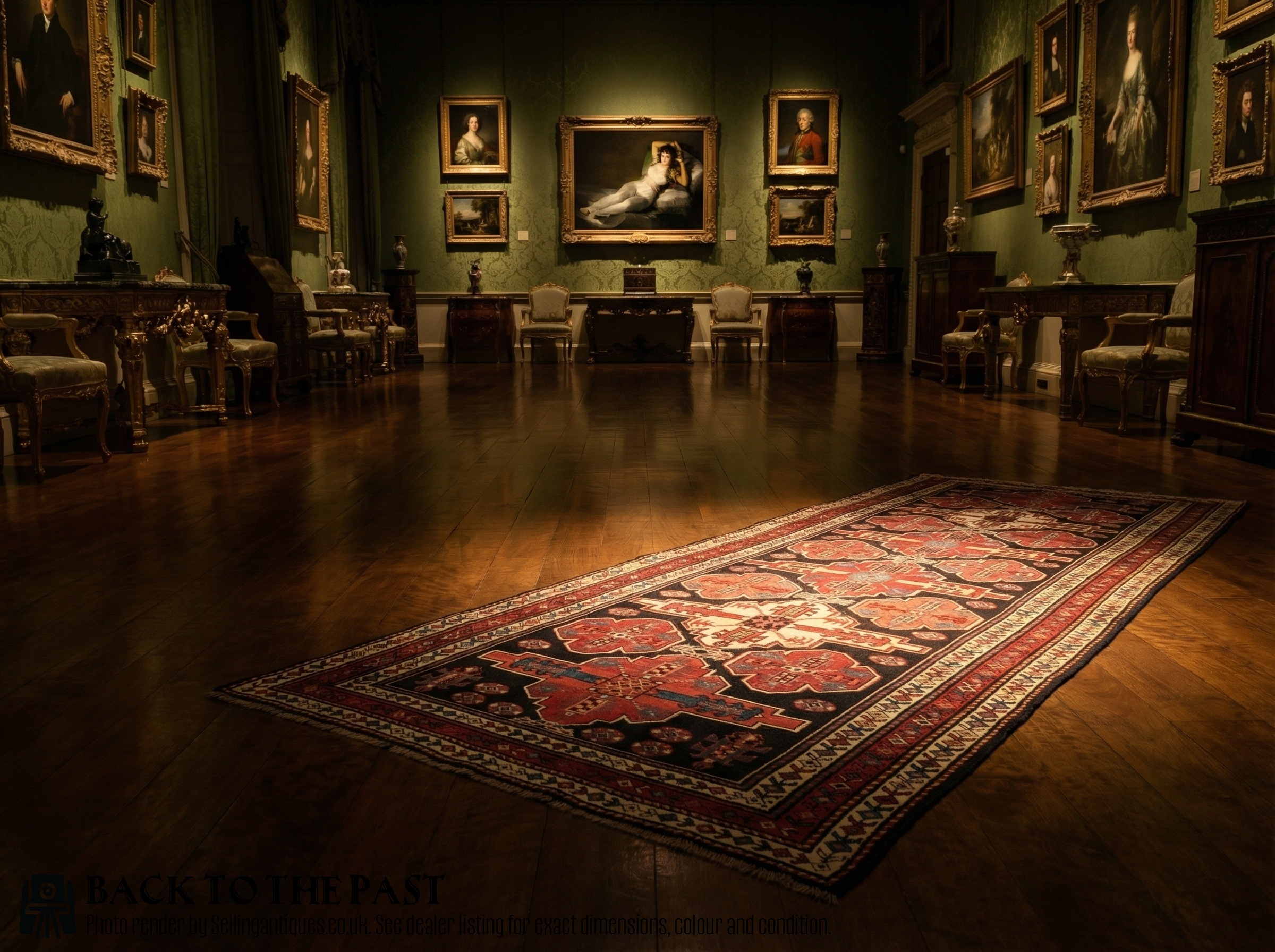
Traditional Kurdish Carpet
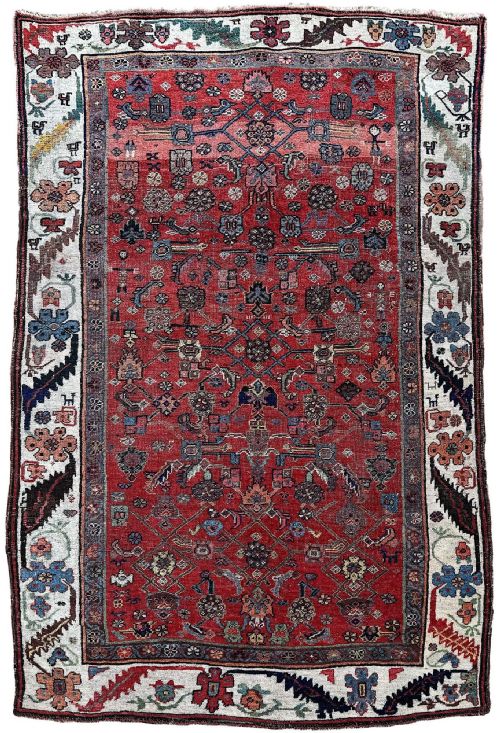
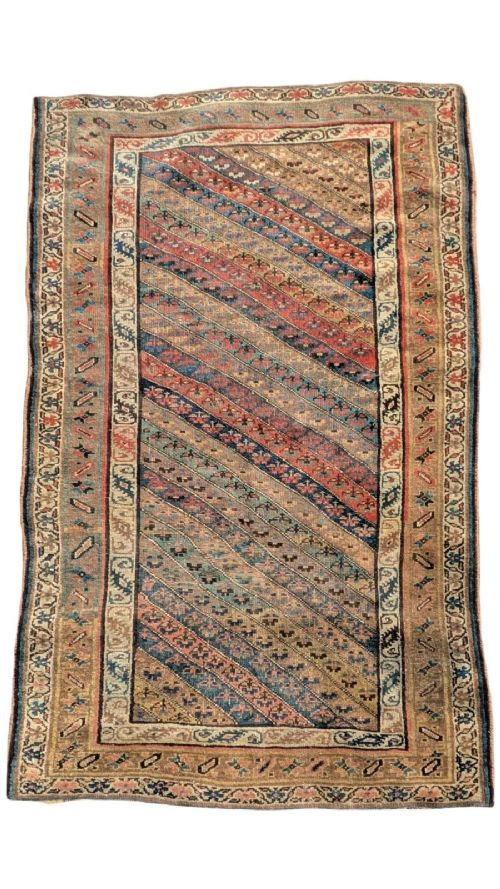
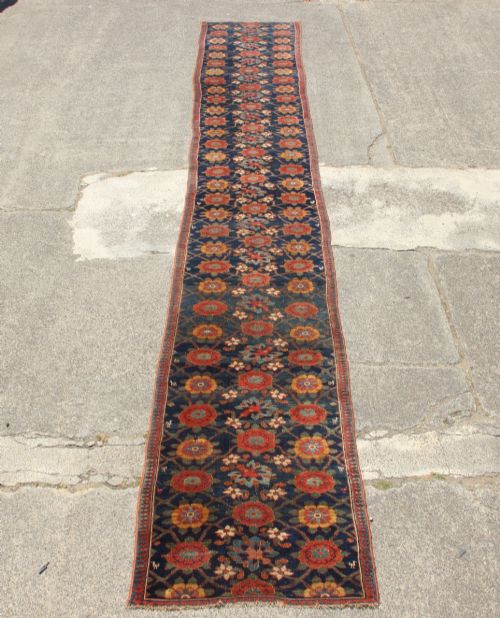
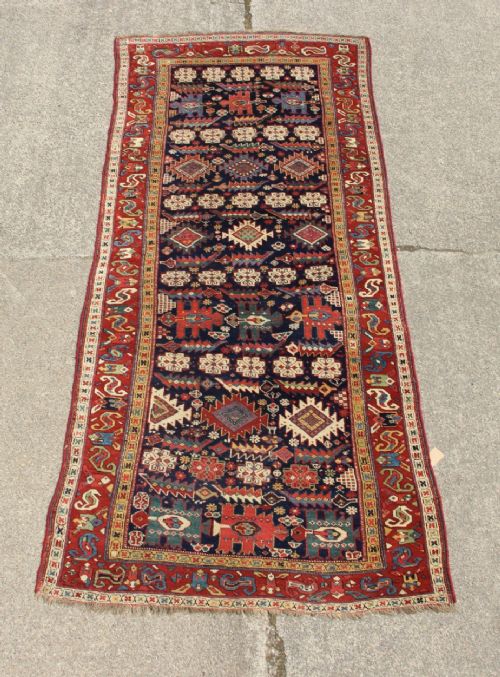
A traditional kurdish carpet is a woven textile originating from tribal communities across Persia and Anatolia, made for domestic utility and floor service. Buyers searching for a traditional kurdish carpet encounter room-sized carpets, long hallway runners, and smaller rugs dating from the nineteenth century into the early twentieth century.
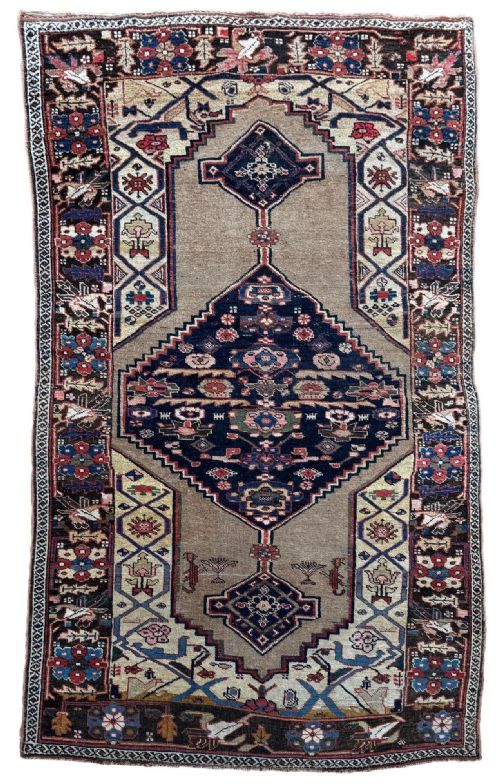
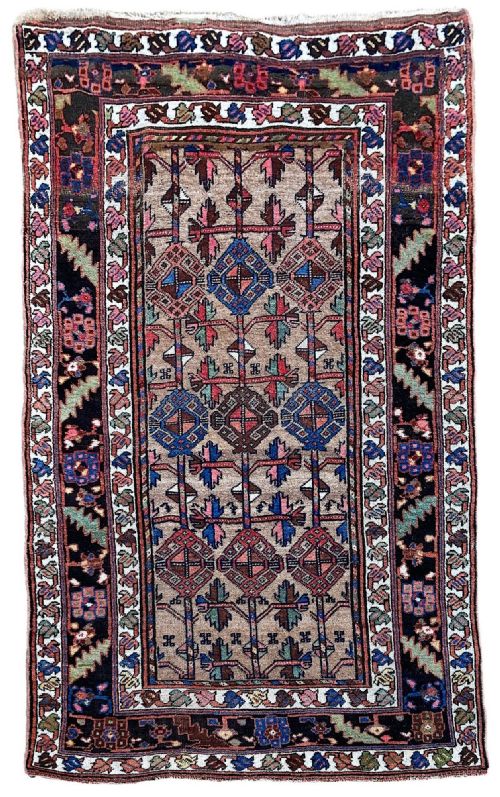
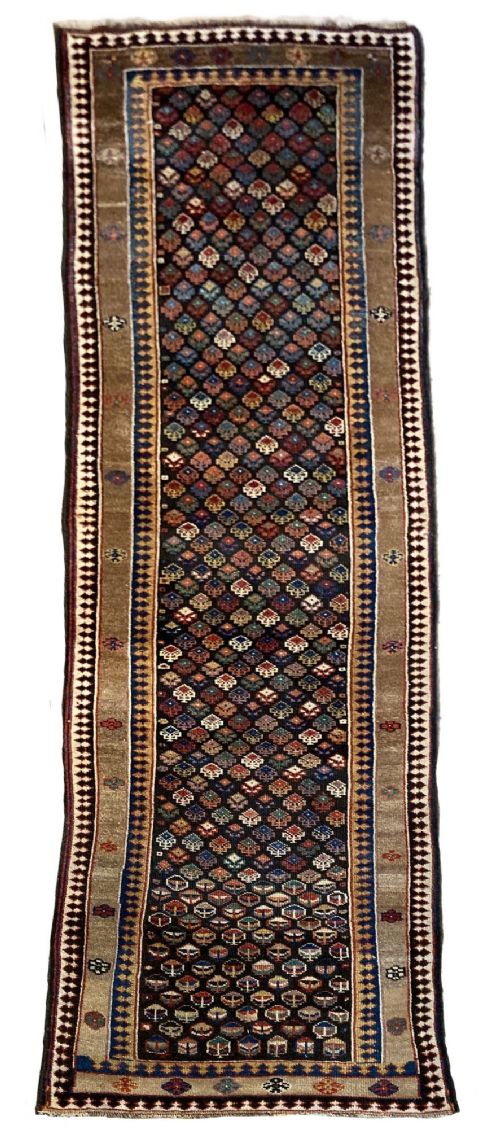
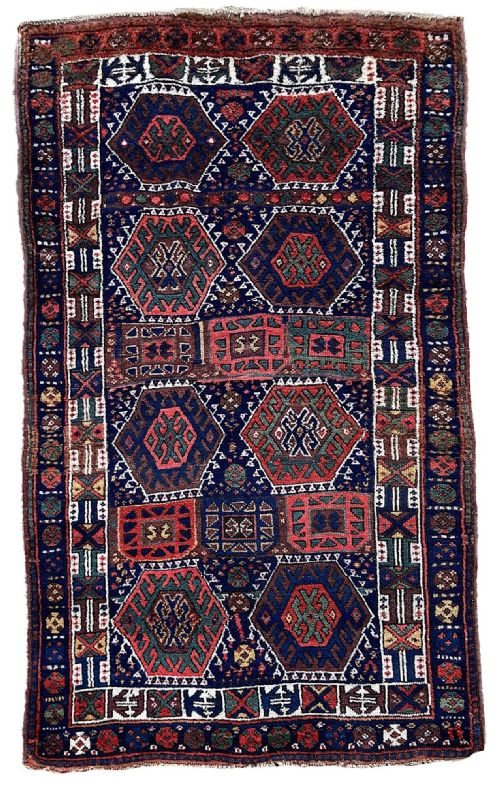
The most common formats on this page are village and tribal rugs alongside long runners, reflecting the nomadic and semi-nomadic weaving traditions of regions such as Bidjar, Senneh, and Hamadan. These pieces display distinct tribal styles, including geometric medallions, repetitive shrub motifs, and characteristic guls.
Weavers utilised traditional formats suited for both central placement in principal rooms and narrow hallway use. The surviving examples span the nineteenth century, 1900, 1910, 1920, and 1930, demonstrating enduring durability.
How they were made
Makers constructed these textiles utilising wool, hand-spun wool, and cotton foundations, paired with natural dyes to achieve lasting colour depth. The pile is densely knotted on a wool or cotton warp and weft, producing a heavy, resilient fabric designed to withstand heavy floor traffic.
Natural dyestuffs provide the palette, yielding rich reds, blues, and yellow grounds that age gracefully over decades of use. Hand-spun wool contributes a varied texture and subtle tonal shifts across the surface of the carpet.
Listings span periods from the nineteenth century through 1930, featuring wool, hand-spun wool, and cotton materials.
What varies in quality
The distinction between standard village production and exceptional workshop output lies in the density of the knotting and the precision of the geometric layout. Finer examples display crisper execution of intricate patterns like the Mina Khani design and more meticulous handling of the wool foundation.
Pile preservation and the integrity of the original side cords and ends significantly influence the standing of an individual textile. Pieces retaining their full length and original selvedges represent the upper tier of survivals from these weaving regions.
The Traditional Kurdish Carpet Glossary
- Gul
- A repeating medallion or octagonal motif frequently found in tribal rugs and carpets. This design element often serves to identify the specific weaving tribe.
- Kelleh
- A specific rectangular carpet format that is longer than it is wide, traditionally used as a room-size floor covering in Persian interiors. These proportions suit narrower reception spaces.
- Runner
- A long, narrow carpet format designed specifically for hallways, corridors, and staircases. They provide durable floor covering for high-traffic linear spaces.
- Mina Khani
- An all-over repeating pattern composed of stylized flowers linked by curved lattice lines. This classical Persian design appears frequently in finer Kurdish long rugs.
Traditional Kurdish Carpet: Frequently Asked Questions
Where were traditional kurdish carpets made?
These textiles were produced by nomadic and settled tribes across the mountainous regions of western Persia and parts of Anatolia, including centres such as Bidjar, Senneh, and Hamadan.
Weavers utilised local materials and traditional motifs passed down through generations within specific tribal groups.
How do I care for an antique rug?
Vacuum gently without using a rotating brush roll to protect the wool pile and historical foundations. Keep the textile out of direct, continuous sunlight to preserve the natural dyes.
Rotate the rug periodically to ensure even wear across the surface from foot traffic and furniture placement.
What is a Kelleh carpet?
A Kelleh is a specific format of Persian carpet characterised by proportions that are significantly longer than they are wide. These pieces functioned as primary floor coverings in traditional room layouts.
They offer a practical alternative to square carpets when furnishing long, narrow living spaces.
Are natural dyes easy to spot?
Natural dyes derived from plants and minerals display subtle variations in tone along individual strands of wool, known as abrash. This tonal movement gives the surface a rich visual depth.
Over time, these dyes mellow gracefully while retaining their fundamental saturation.