




Antique Oriental Long Rug
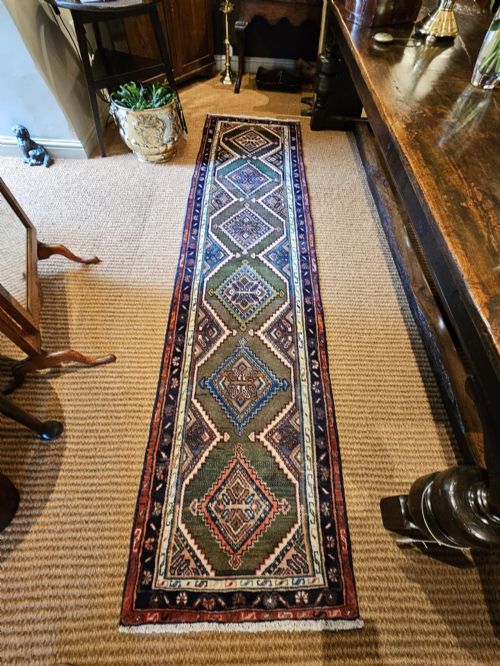
An antique oriental long rug brings striking geometry and deep, time-worn palette to a narrow hallway or extended landing.
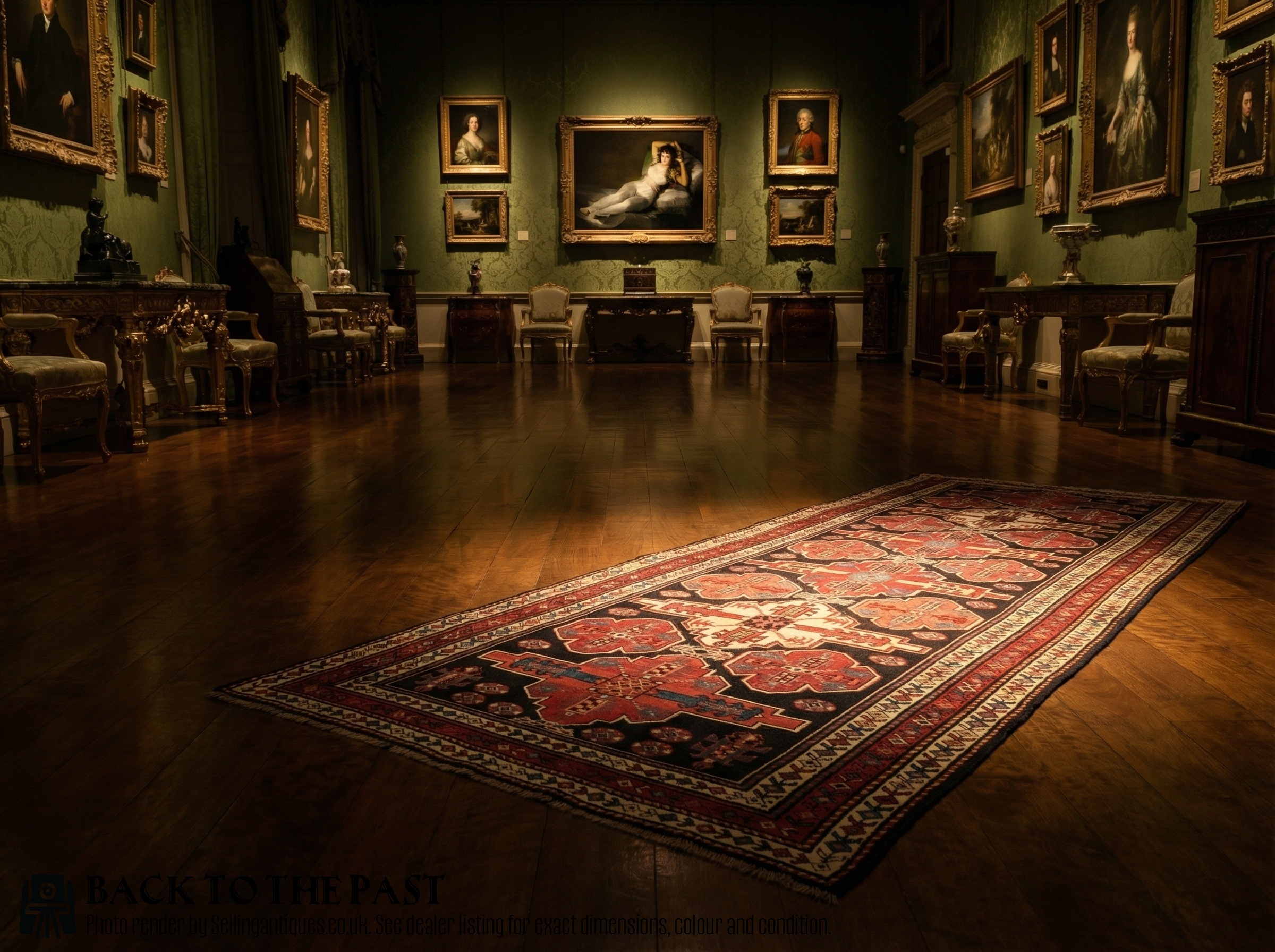
Antique Oriental Long Rug
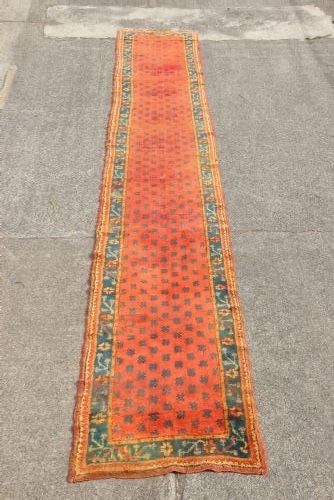
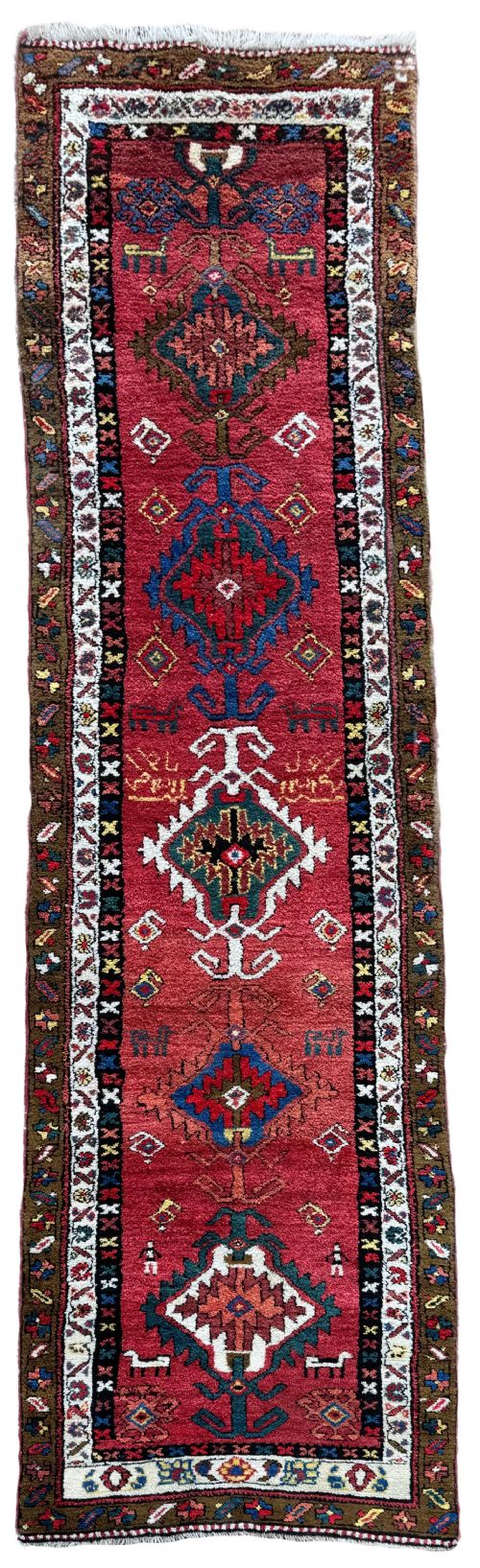
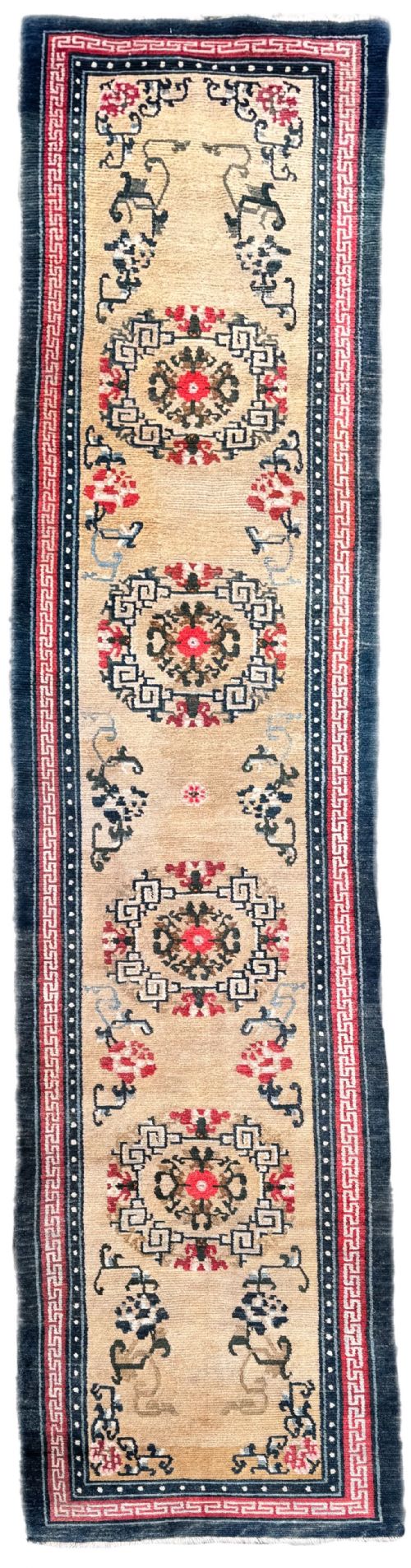
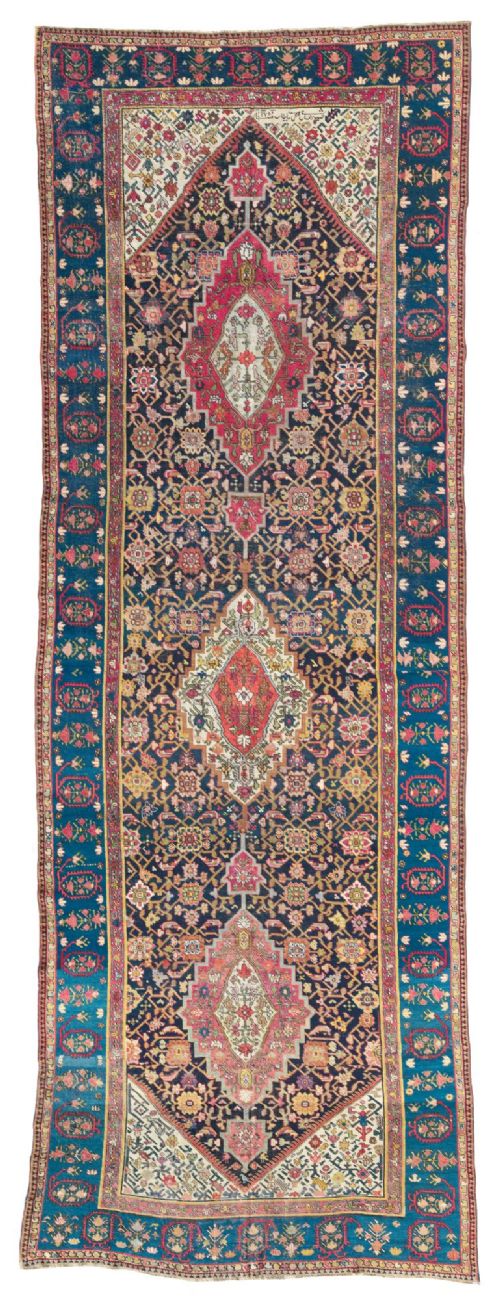
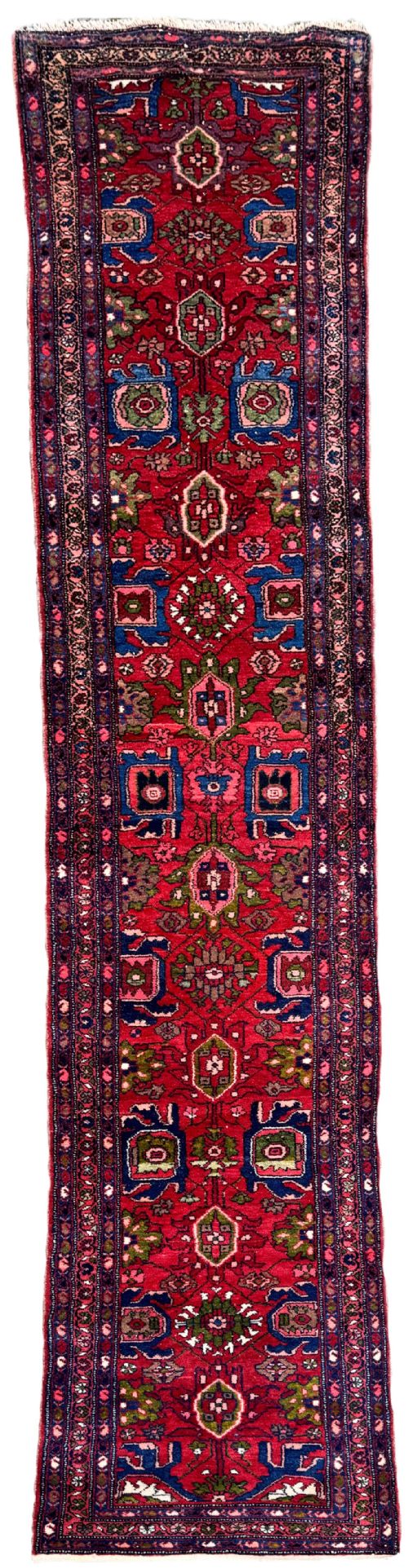
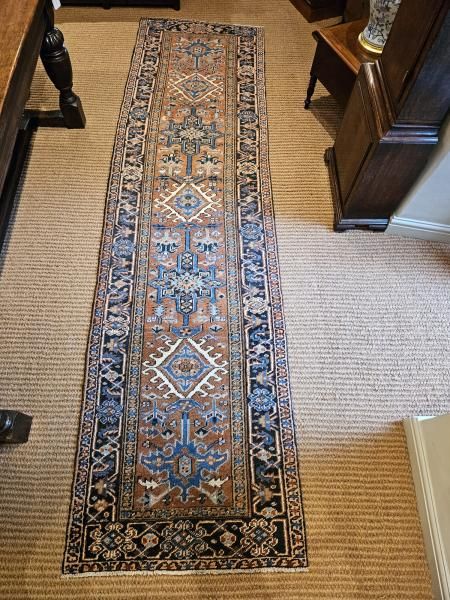
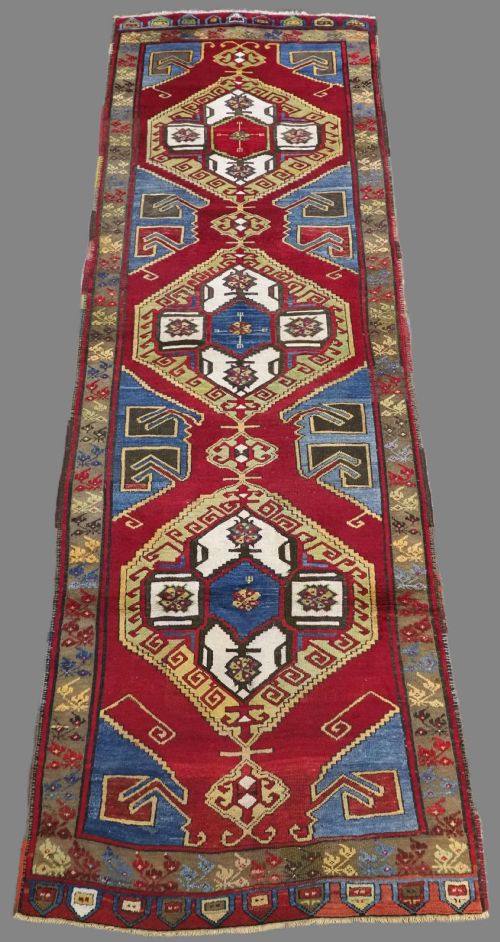
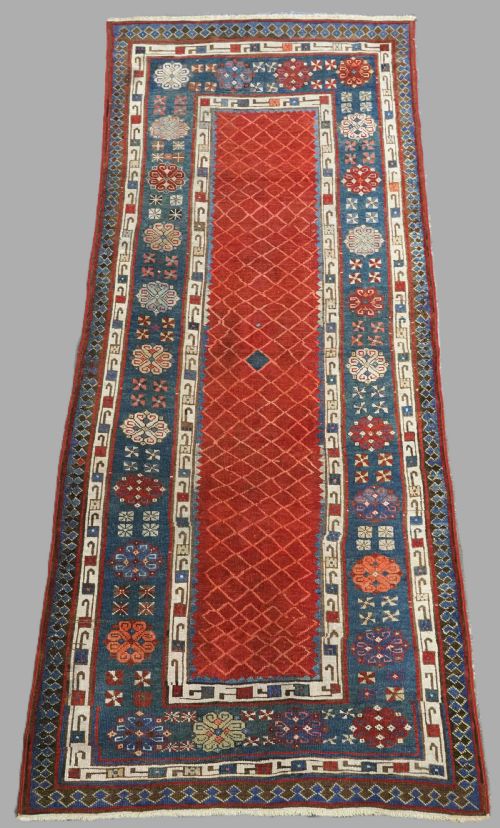
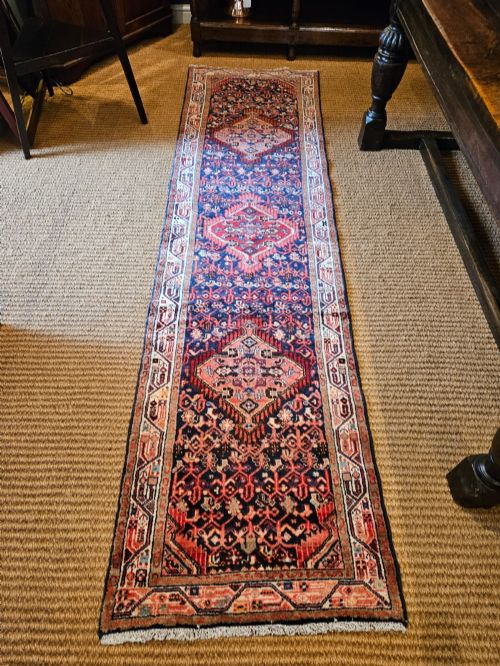
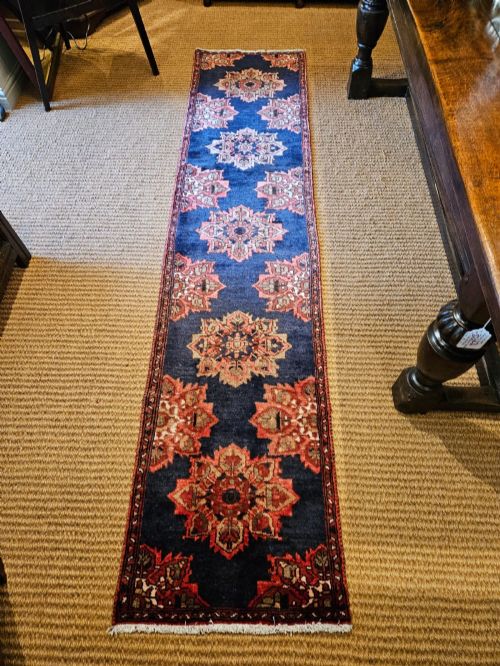
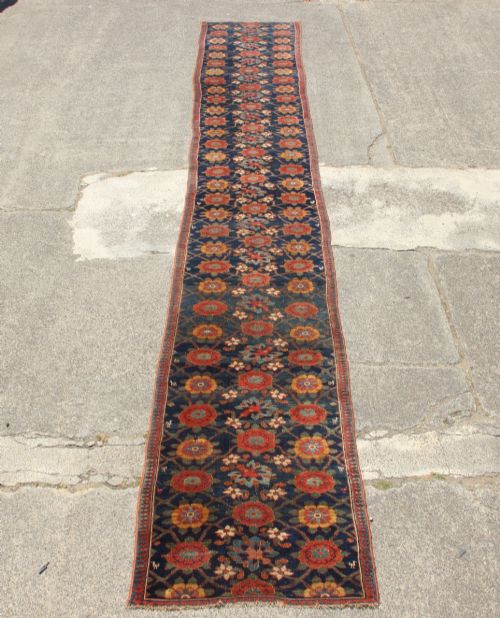
When searching for an antique oriental long rug, you examine elongated floor coverings spanning Persian, Turkish, Caucasian, and Tibetan origins. These textiles frequently appear as narrow runners and kelis designed specifically for corridors, halls, and substantial rooms. The selection encompasses tribal and regional styles dating from the nineteenth century into the early twentieth century.
The most common formats on this page are runner rugs and long rugs originating from Kurdish, Hamadan, Heriz, and Anatolian workshops. Such pieces often measure several metres in length whilst retaining a narrow profile suited to traditional interior layouts. Regional weaving traditions dictate the specific geometric layouts, medallion structures, and border designs encountered across the selection.
How these rugs were made
The construction of these floor coverings relies primarily on natural wool pile knotted onto durable cotton foundations. Weavers utilised hand-spun wool fibres that absorbed natural dye stuffs, producing rich tones of navy, olive green, and deep red. These organic materials allow the pile to age gracefully with pedestrian traffic over decades.
Village and tribal workshops employed upright vertical looms to tie symmetrical or asymmetrical knots row by row. Edge finishes typically consist of overcast wool selvages, whilst the ends maintain woven kilim fringes to prevent unravelling.
Several runners stretch to lengths exceeding five metres, offering enough distance for a very determined dachshund to gallop indoors.
What varies in quality
Knot density and structural tightness set the foundation of quality across these woven textiles. Finer pieces demonstrate precise execution in complex lattice or medallion motifs, whereas simpler village pieces show relaxed geometry and thicker pile. The crispness of the drawing in tribal designs reflects the weaver's direct mastery of traditional pattern books.
The condition of the wool pile and the integrity of the cotton foundation determine longevity. Even wear across the surface indicates balanced usage, whilst surviving original side cords and complete border geometry preserve the intended visual proportions of the piece.
The Antique Oriental Long Rug Glossary
- Kelleh
- A large format rectangular rug, typically longer than a standard carpet but broader than a runner. These pieces serve spacious rooms and long galleries.
- Gul
- A repeating octagonal medallion motif frequently found in Turkmen and tribal weaving traditions. Each emblem acts as a distinct clan or regional identifier.
- Mina Khani
- An all-over repeating pattern composed of interconnected geometric flowers and rosettes linked by delicate lattice vines. This classic Persian layout creates rhythmic symmetry.
- Selvage
- The reinforced outer edge of a rug formed by wrapping the warp threads. Sound selvages protect the main body from fraying along the long sides.
Antique Oriental Long Rug: Frequently Asked Questions
Where should I place a long rug?
These elongated floor coverings suit narrow spaces such as hallways, corridors, and grand landings where linear foot traffic occurs. They add warmth and definition to otherwise bare wooden or stone floors.
In larger reception rooms, narrow formats can frame furniture groupings or delineate specific pathways through open-plan living areas without overwhelming the spatial balance.
How do I clean an old wool rug?
Routine maintenance requires gentle vacuuming without a beating brush roll to protect the fragile vintage pile and wool fibres. Lifting the rug periodically allows trapped dust to escape from the cotton foundation.
Professional textile conservators should handle deep washing to prevent dye migration and shrinkage in organic materials. Spot cleaning at home risks setting stains permanently into untreated wool.
Are these rugs suitable for daily use?
Wool and cotton construction provides natural resilience that withstands normal walking traffic in domestic environments. Using a quality underlay prevents slipping and cushions the foundation against hard subfloors.
Heavily distressed examples benefit from placement in low-traffic areas or bedrooms where physical strain remains minimal while aesthetic character takes priority.
How do I identify a tribal design?
Tribal designs feature bold geometric motifs, stylised animals, and repeating latch-hook polygons rather than refined curvilinear floral scrolls. Village weavers worked from memory and local tradition rather than strict paper cartoons.
Asymmetrical irregularities and subtle colour shifts within the wool pile often point to nomadic or small village production methods.