


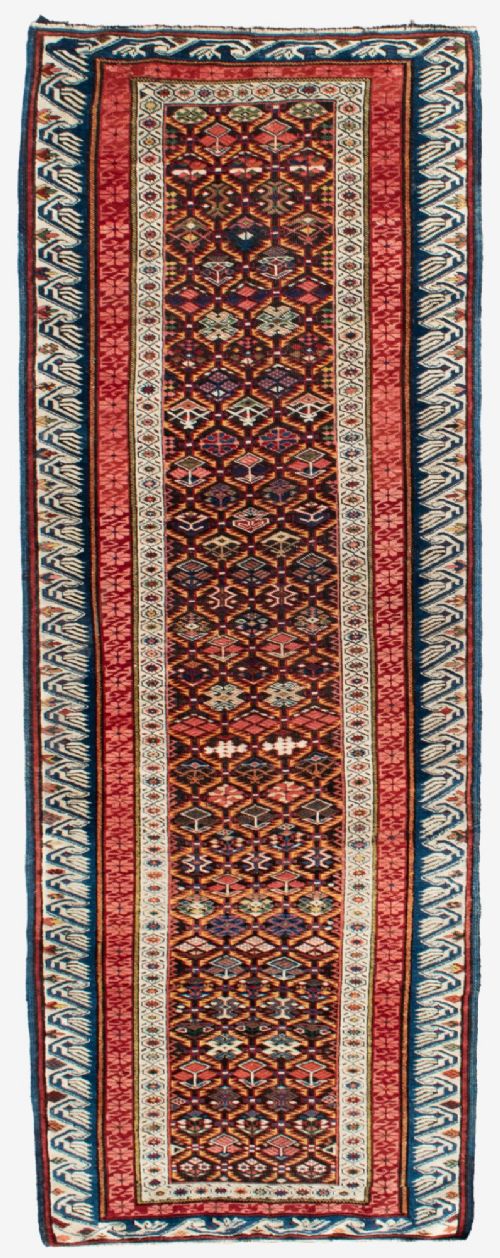
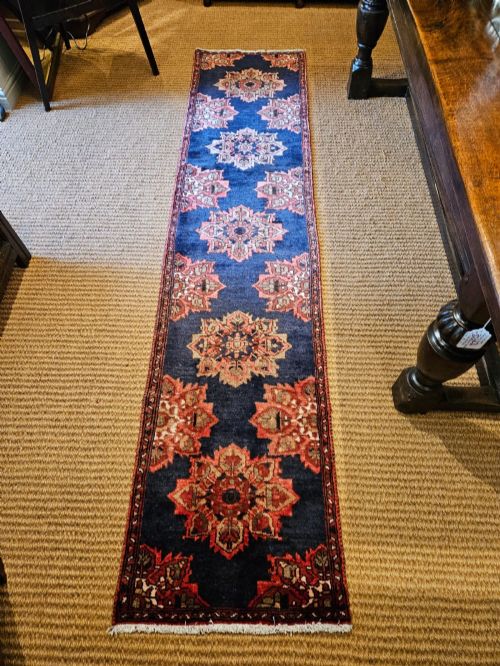
Antique Corridor Runner Rug
An antique corridor runner rug delivers character to long passageways through intricate patterns, durable fibres, and varied historical origins.
Antique Corridor Runner Rug
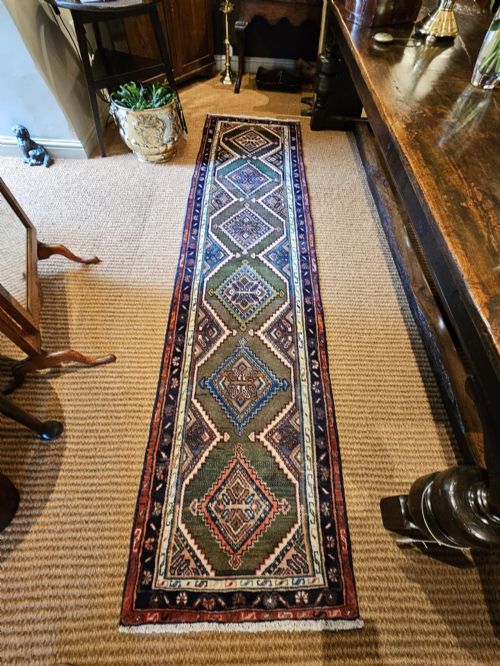
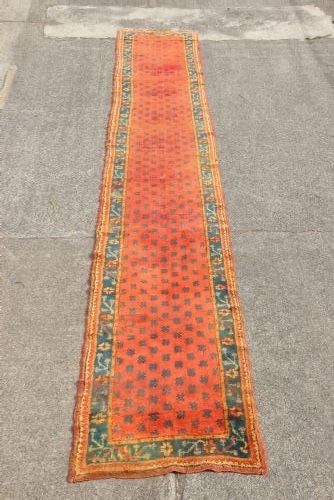
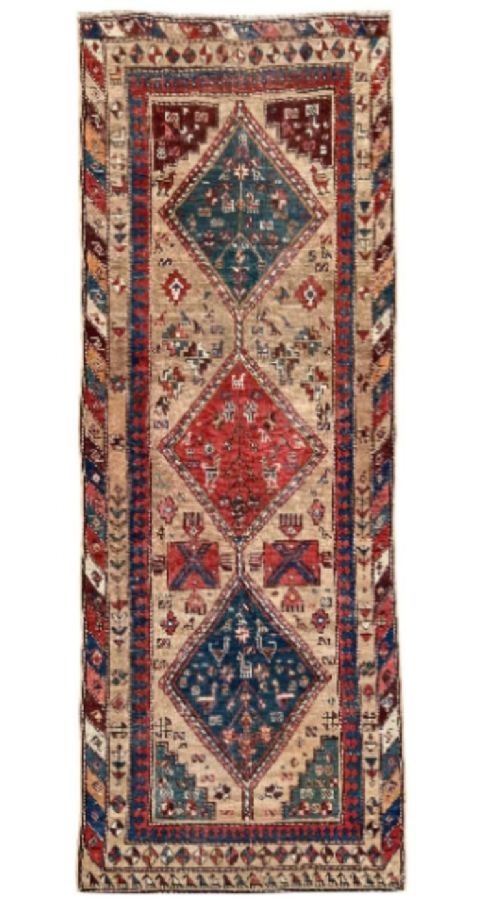
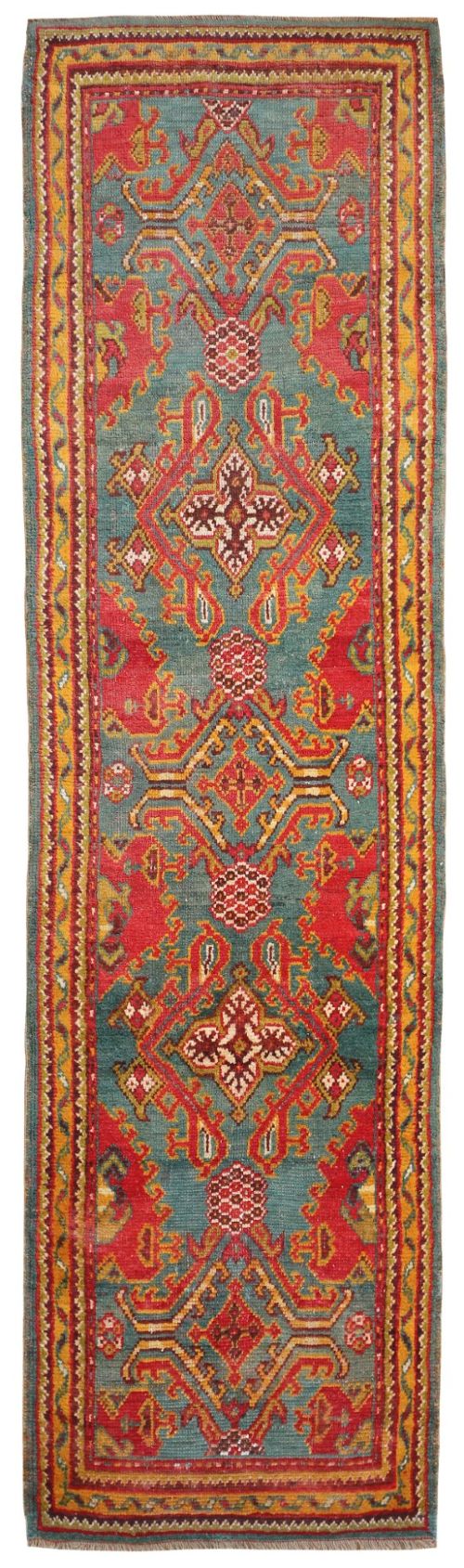
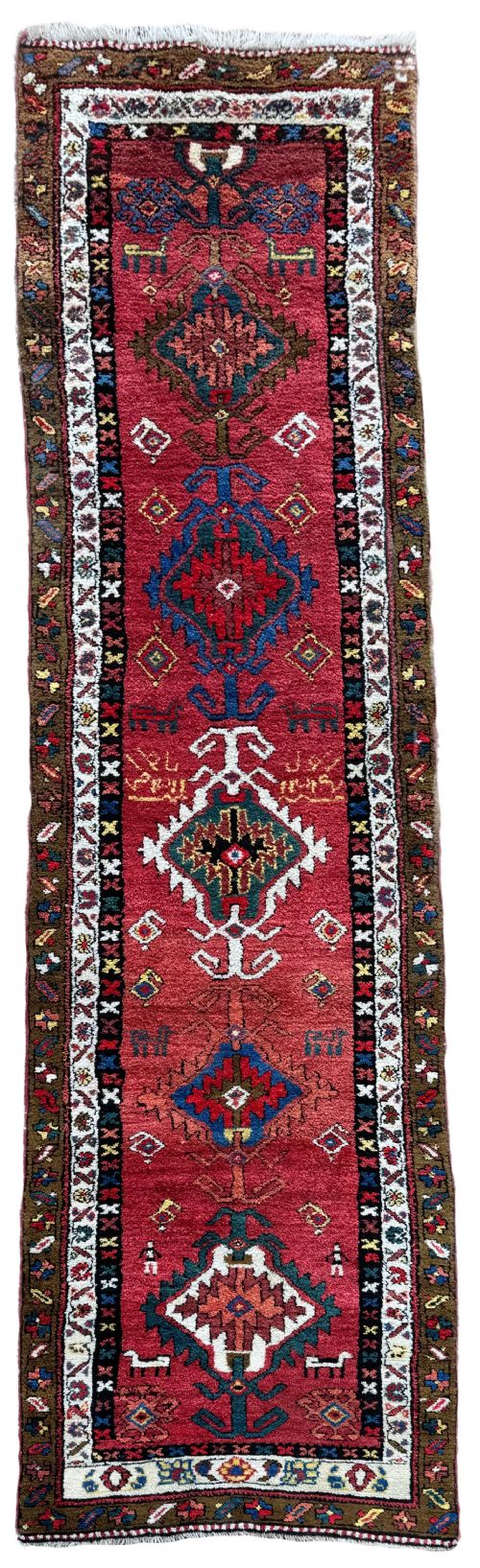
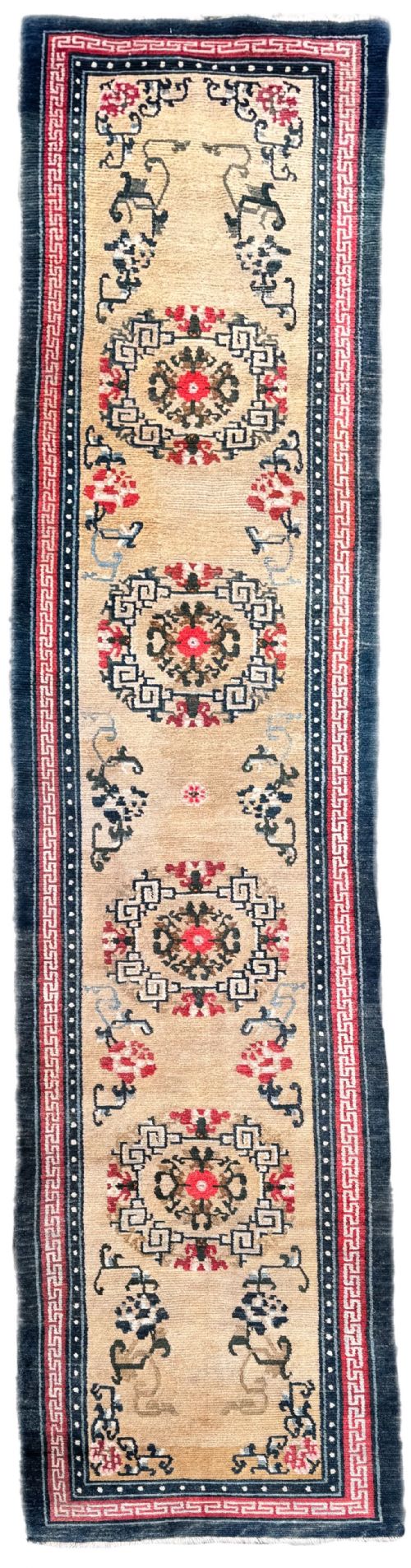
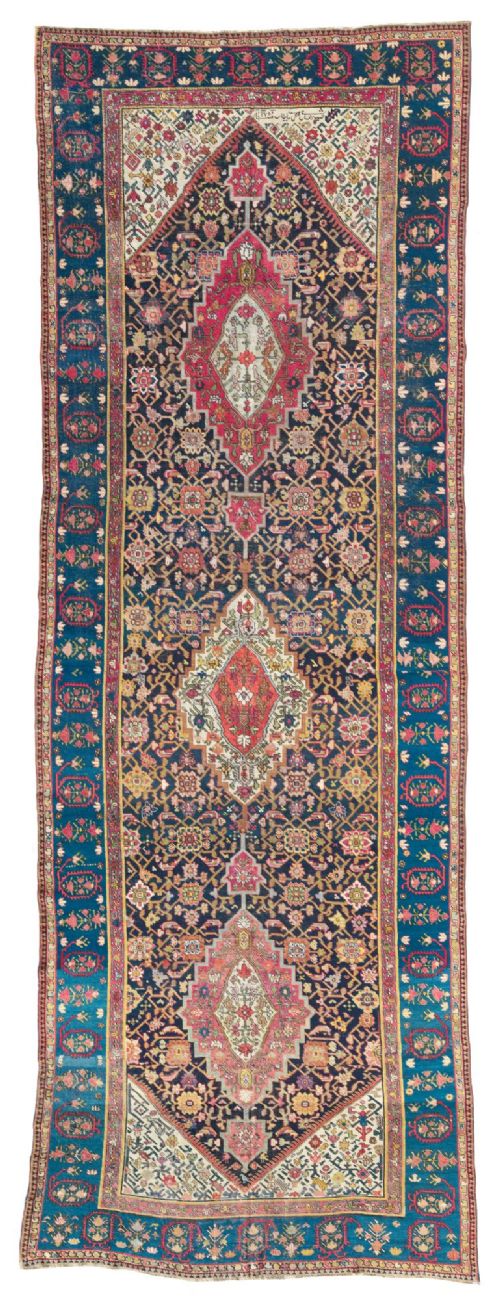
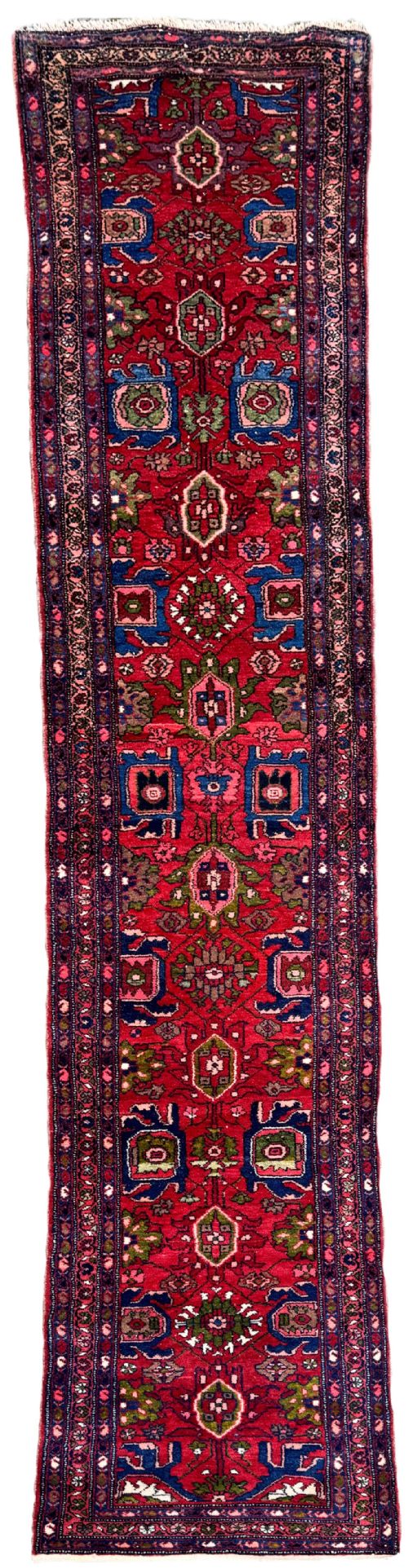
An antique corridor runner rug provides practical floor covering for hallways, landings, and narrow spaces within historic homes. These elongated textiles span origins from Persian tribal workshops to Anatolian villages, often stretching past four metres in length.
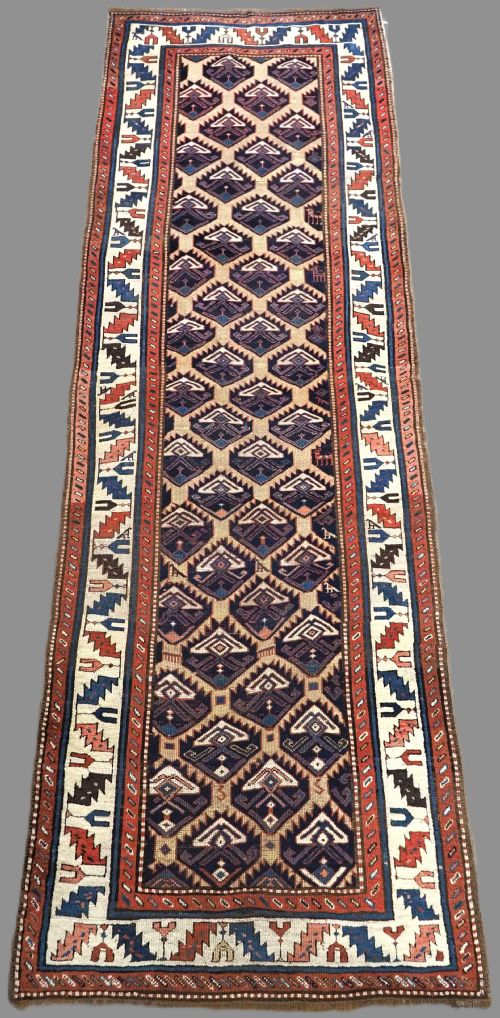
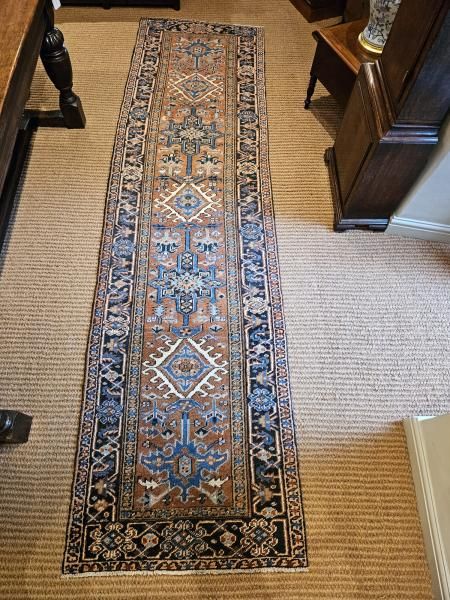
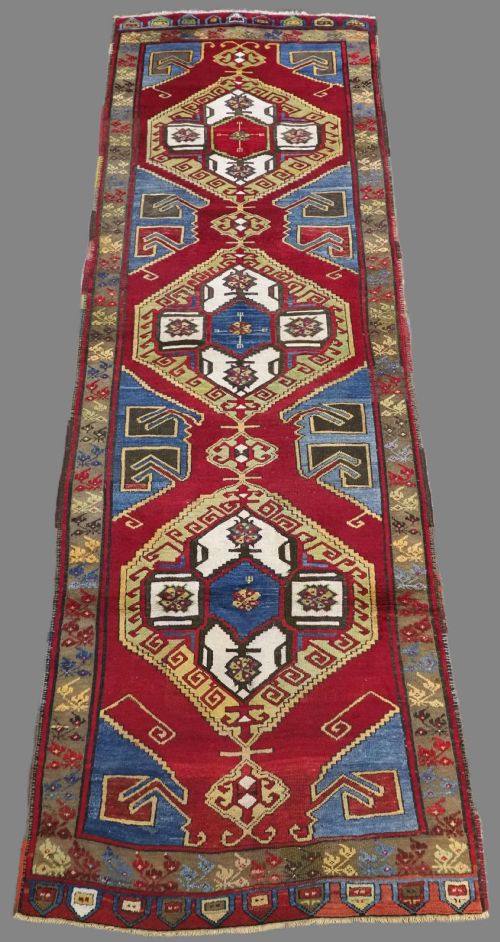
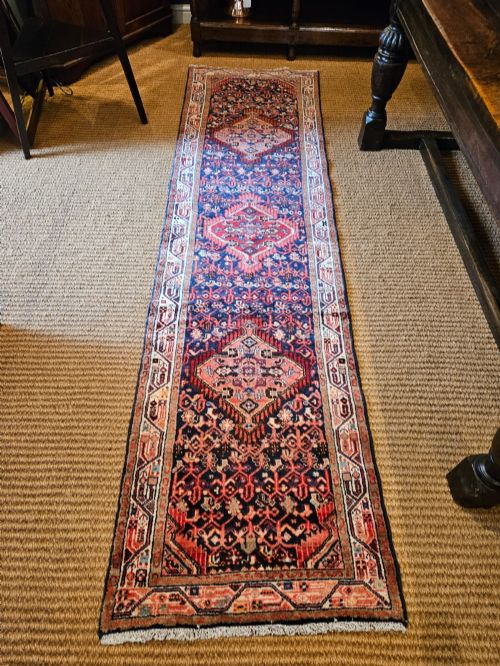
The pieces on this page encompass various regional traditions, including Kurdish, Heriz, Ushak, and Caucasian designs. Common forms include narrow hall runners, kelleh formats, and long tribal rugs dating from the nineteenth and early twentieth centuries.
How they were made
Weavers constructed these runners predominantly using wool and cotton foundations, often incorporating hand-spun wool for the pile. Natural dyes yielded the enduring tones visible across Persian, Turkish, and Caucasian examples.
Makers knotted these textiles by hand on vertical looms, creating dense structures designed to withstand heavy foot traffic in corridors. Edges were typically overcast with wool, and ends secured with flatwoven kilim fringes.
Several centuries ago, weavers occasionally incorporated delightfully crooked lines into their tribal patterns to ward off malevolent spirits.
What varies in quality
The grade of wool and the tightness of the knotting largely determine the structural integrity of a runner. Finer examples display intricate geometry and precise drawing in motifs such as lattice and Mina Khani designs.
Proportion and scale also separate standard utility runners from exceptional village or tribal pieces. Balanced borders and harmonious colour distribution distinguish superior weaving from simpler provincial output.
The Antique Corridor Runner Rug Glossary
- Kelleh
- A rug format that is longer than a standard scatter rug but broader than a traditional corridor runner. It serves wide hallways and large reception rooms.
- Mina Khani
- A repeating pattern composed of four-petalled flowers linked by curved vines. It originates from Persian classical design traditions.
- Pile
- The upright yarn loops or cut ends that form the soft surface of a rug. Pile depth affects both the tactile feel and the durability of the textile.
- Warp
- The vertical threads stretched tightly on the loom before weaving begins. Cotton and wool serve as the primary materials for these foundational cords.
Antique Corridor Runner Rug: Frequently Asked Questions
Where should I place a runner?
These long formats suit narrow hallways, stair landings, and lengthy corridors where floor protection and visual interest are needed. Their proportions guide movement through a home while softening hard wooden boards.
Ensure the space allows adequate clearance for doors to open above the pile thickness. Measuring the corridor length beforehand helps select the correct proportion from narrow Turkish or Persian examples.
How do I clean an old rug?
Regular gentle vacuuming without a beater bar removes surface grit trapped within the wool pile. Professional specialist cleaning remains safest for historic textiles with natural dyes.
Avoid soaking the cotton foundation or using harsh chemical detergents that weaken ancient fibres. Prompt attention to spills prevents staining without risking the integrity of the weave.
Are these runners durable?
Hand-spun wool and dense knotting provided nineteenth-century weavers with robust materials suited for heavy household traffic. These textiles were made to withstand generations of footsteps in busy rural and urban homes.
Placing an appropriate underlay beneath the rug prevents slipping and reduces wear against the floorboards. Proper cushioning absorbs impact and extends the active life of the wool pile.
How are different regional styles identified?
Distinctive colour palettes, border arrangements, and geometric motifs point toward specific weaving regions such as Kurdistan, Shirvan, or Heriz. Examining the structure of the fringe and the twist of the wool offers further clues to origin.
Comparative study of medallion layouts and tribal symbols reveals whether a piece hails from Anatolia, the Caucasus, or Persia. Each region employed specific loom techniques that remain visible on the reverse side.