






Traditional Persian Runner Rug
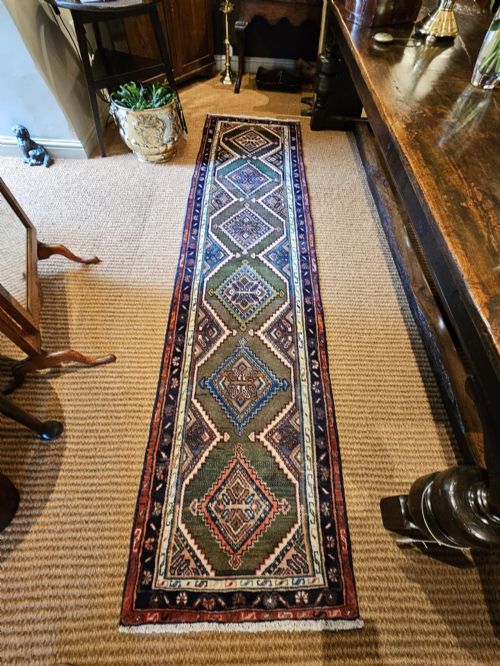
A traditional persian runner rug brings linear geometry and enduring textile craft to a narrow hallway or landing space.
Traditional Persian Runner Rug
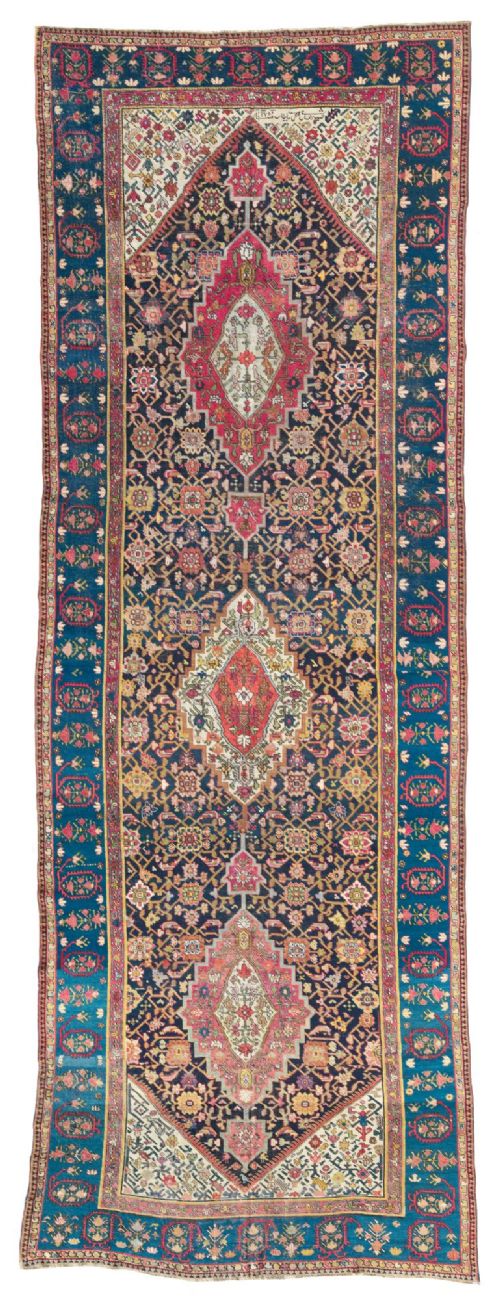
A traditional persian runner rug is a long, narrow textile designed for corridors, staircases and hallways, originating from various weaving traditions across the region. When searching for this phrase, buyers encounter elongated formats that guide movement through a domestic space while adding warmth underfoot.
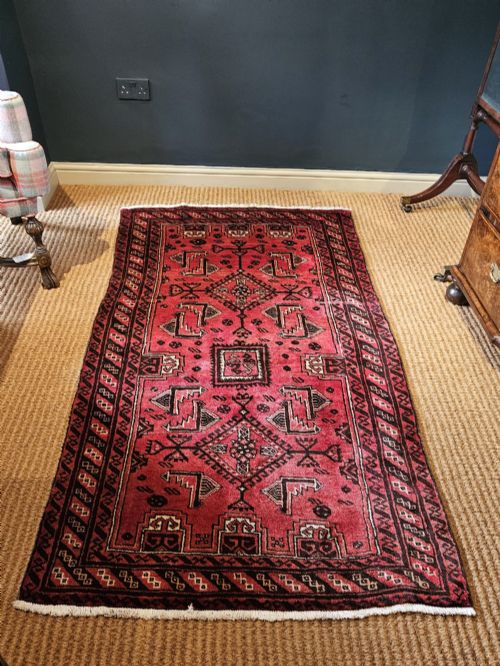
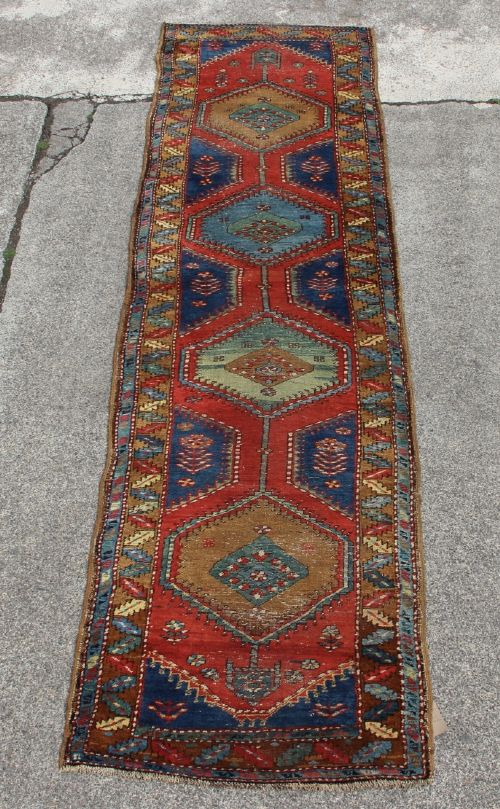
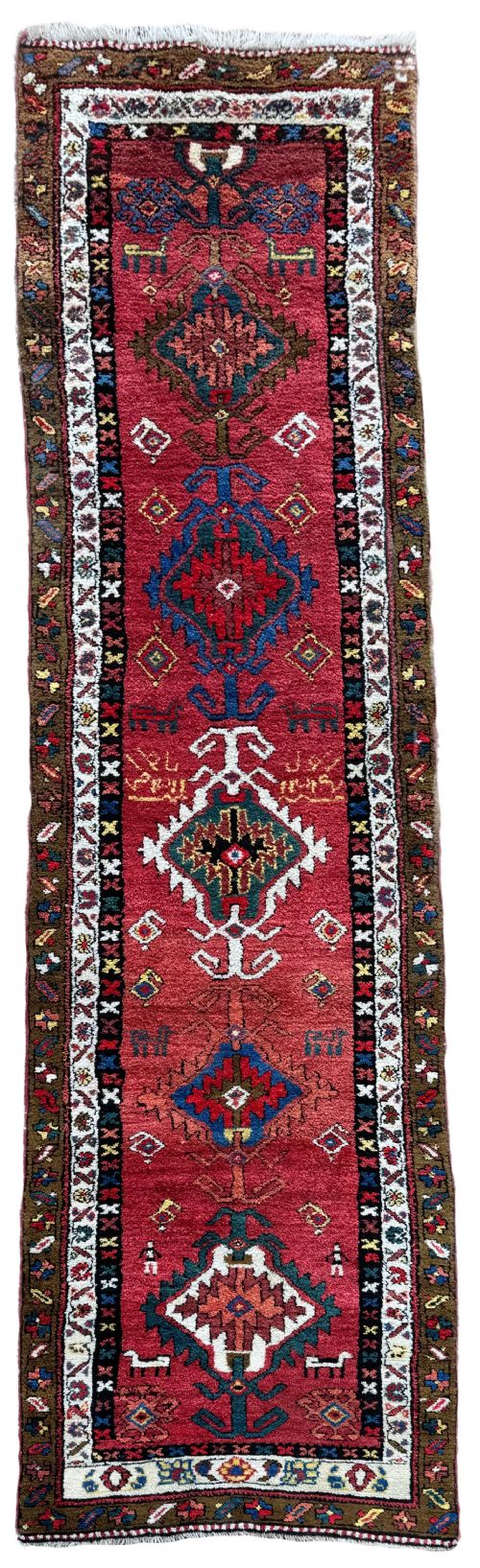
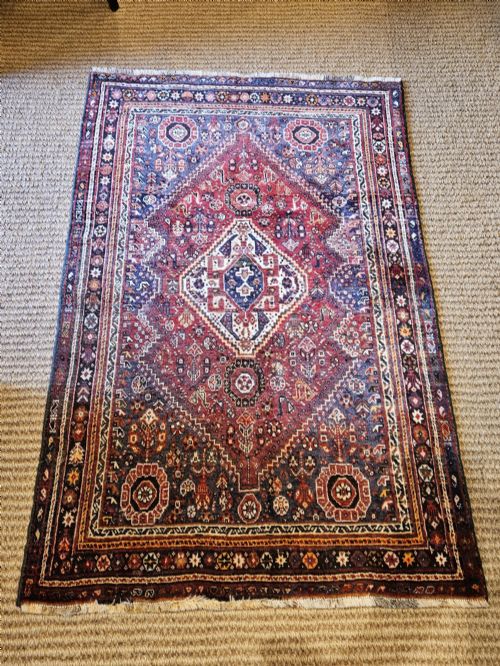
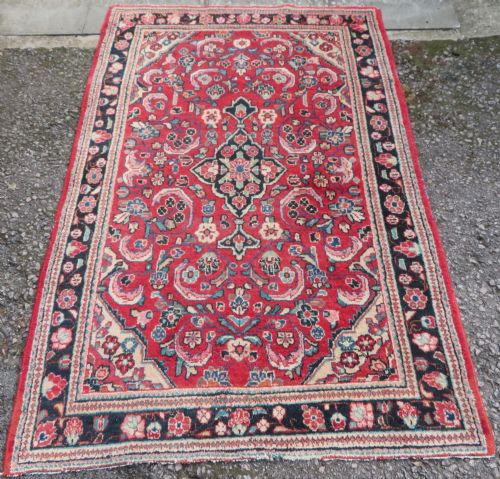
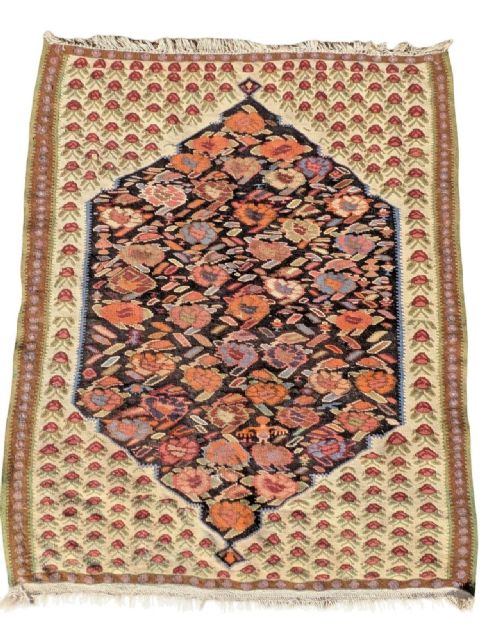
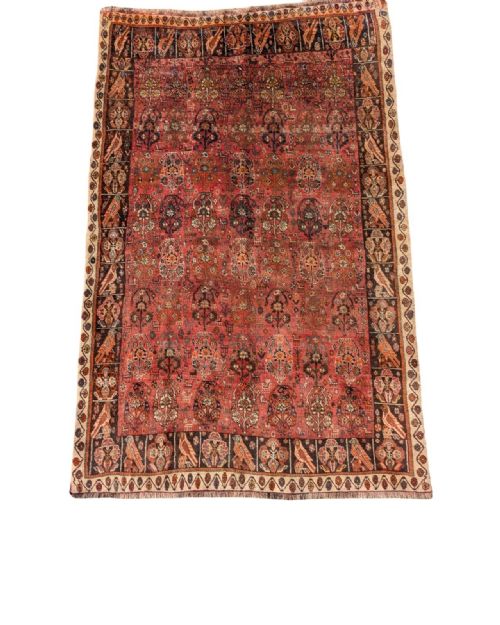
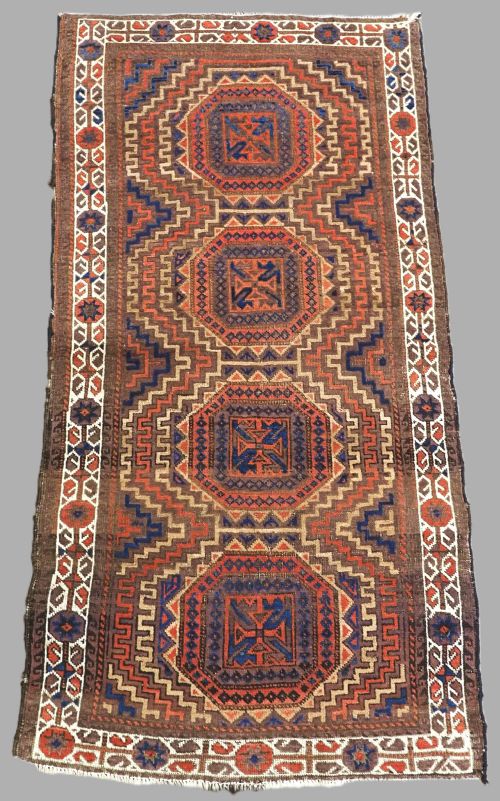
The pieces available span multiple decades and centuries, with examples recorded from the nineteenth century through the interwar period. These runners often display tribal or village designs, including geometric motifs, medallions and all-over lattice patterns.
Materials and Construction
Makers utilised durable natural fibres such as wool, pure wool, hand-spun wool, cotton and camel hair, occasionally incorporating silk for finer detail. These materials provide the resilience required for heavy foot traffic in domestic corridors.
Weavers relied on natural dyes to colour the yarns, producing rich shades of olive green, rust, navy blue and various earthy tones that age gracefully over time. The structural foundation typically combines wool pile knotted onto sturdy cotton or wool warps and wefts.
Traditional Persian Runner Rug Retail Price Guide 2026
Typical asking prices for traditional persian runner rug among the pieces listed under this phrase on Sellingantiques today, from the lower quarter to the upper quarter. They describe what is for sale here now, not the wider market.
Listings feature pieces dated from the mid-nineteenth century through the 1960s, constructed predominantly from wool, cotton and natural dyes.
Assessing Quality and Execution
Quality in these textiles depends upon the density of the knotting and the precision of the geometric or floral layout. Finer examples maintain crisp lines in intricate motifs like the Mina Khani pattern or complex medallion arrangements.
The condition of the pile and the integrity of the selvedges and ends influence the overall merit of the piece. Uniformity in hand-spun wool and the depth of natural dye colours further distinguish superior examples from standard village production.
Saroukh Mahal·Bakhtiar·Heriz·Kashgai·Tabriz
The Traditional Persian Runner Rug Glossary
- Kelleh
- A large format carpet, typically longer than it is wide, bridging the proportion between a standard rug and a full room-size carpet.
- Guls
- Repeated octagonal or medallion motifs frequently found in tribal weaving traditions, particularly among Baluch and Turkmen groups.
- Mina Khani
- An all-over repeating pattern composed of stylized flowers linked by delicate lattice lines, often seen in Kurdish and Persian long rugs.
- Selvedge
- The reinforced edge of a rug formed by wrapping the outermost warp threads, protecting the textile from fraying along the sides.
- Kilim
- A flat-weave carpet produced without a pile, traditionally utilised for lighter coverings or dual-purpose floor and wall hangings.
Traditional Persian Runner Rug: Frequently Asked Questions
Where should I place a runner rug?
These narrow formats suit hallways, corridors, entryways and stair landings where linear floor space requires definition and warmth. They guide the eye down a passage while protecting wooden or tiled flooring from heavy daily foot traffic.
Purchasing a correct length ensures the piece centres properly within the architectural proportions of the passage without crowding doorways.
How do I care for antique wool runners?
Regular gentle vacuuming without a rotating brush bar removes embedded dust and protects the wool pile. Professional cleaning by specialists in antique textiles preserves the natural lanolin in hand-spun wool.
Positioning a suitable underlay beneath the textile prevents slipping and reduces friction between the floor and the foundation yarns.
What indicates tribal origin in these rugs?
Tribal pieces often display asymmetrical geometric motifs, spontaneous colour shifts within the field and simpler village or nomadic structures. These designs reflect the personal expression and local traditions of weavers working outside major urban workshop centres.
Materials in tribal examples frequently include hand-spun wool and camel hair dyed with natural pigments.
How are different regional styles identified?
Regional attributions rely on specific combinations of palette, border arrangements, knotting structure and characteristic motifs such as Heriz medallions or Kurdish lattice designs. Comparing the overall colour saturation and secondary ornament helps narrow down the probable weaving district.
Documented examples from towns like Tabriz, Bidjar or Hamadan exhibit distinct structural traits unique to their local heritage.