





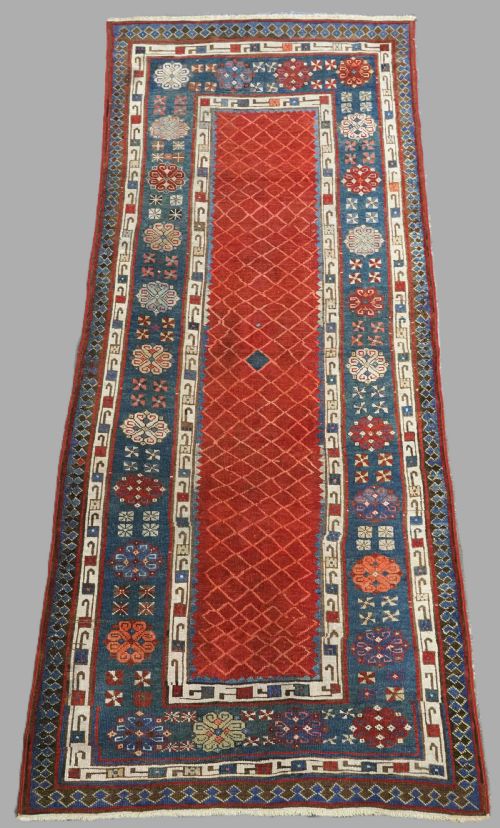

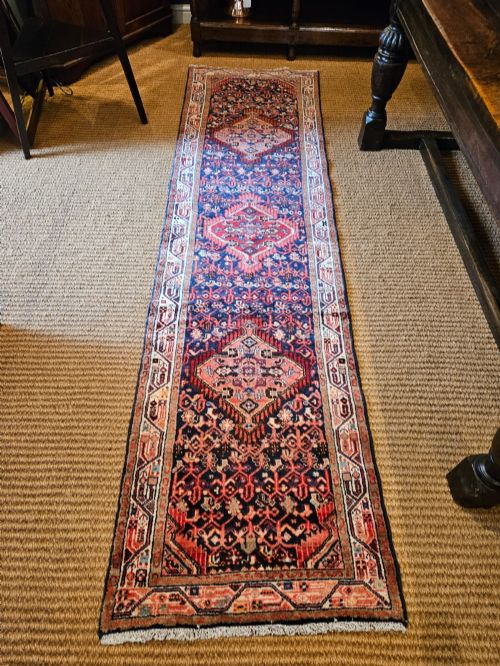
Vintage Hallway Runner Rug
A vintage hallway runner rug brings grounded texture and distinct regional patterns to narrow floors through enduring wool and cotton weaves.
Vintage Hallway Runner Rug
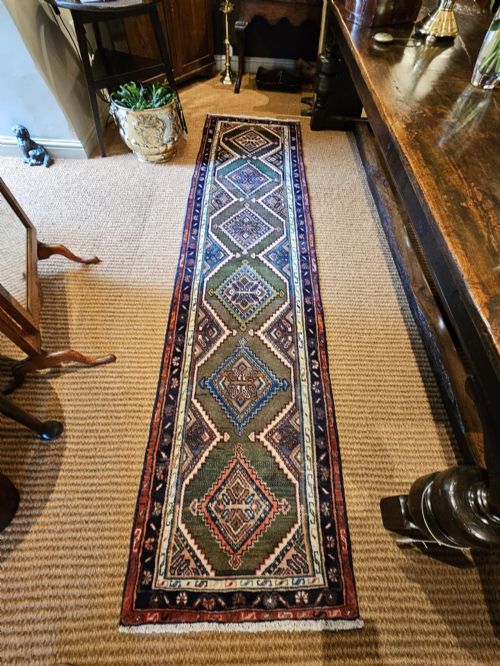
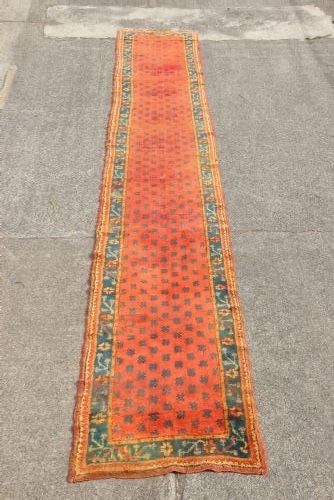
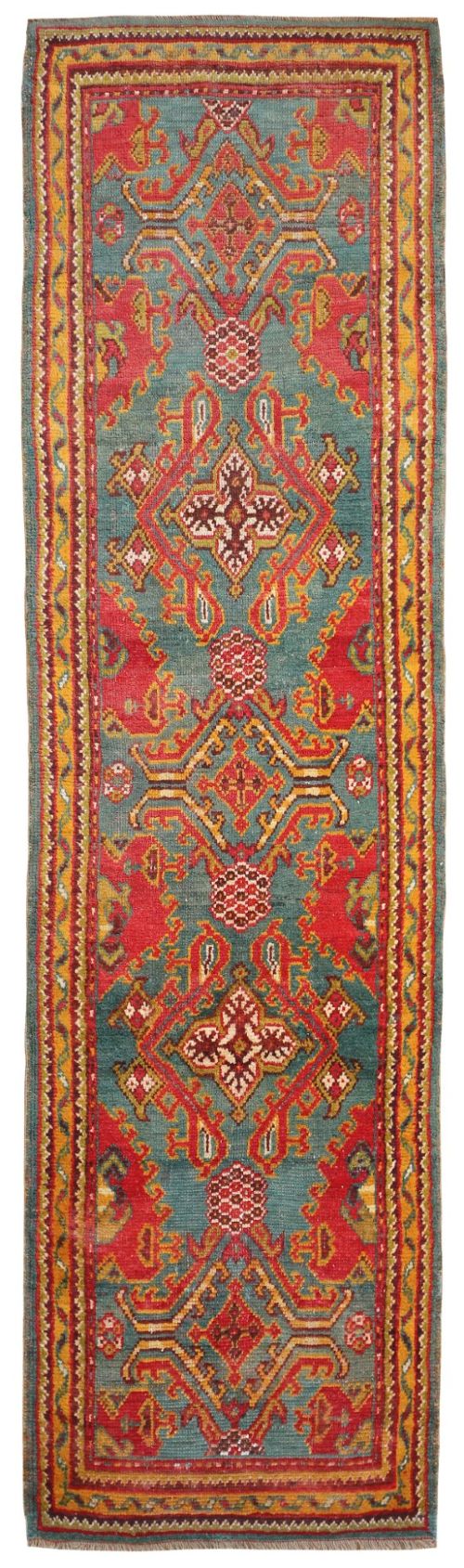
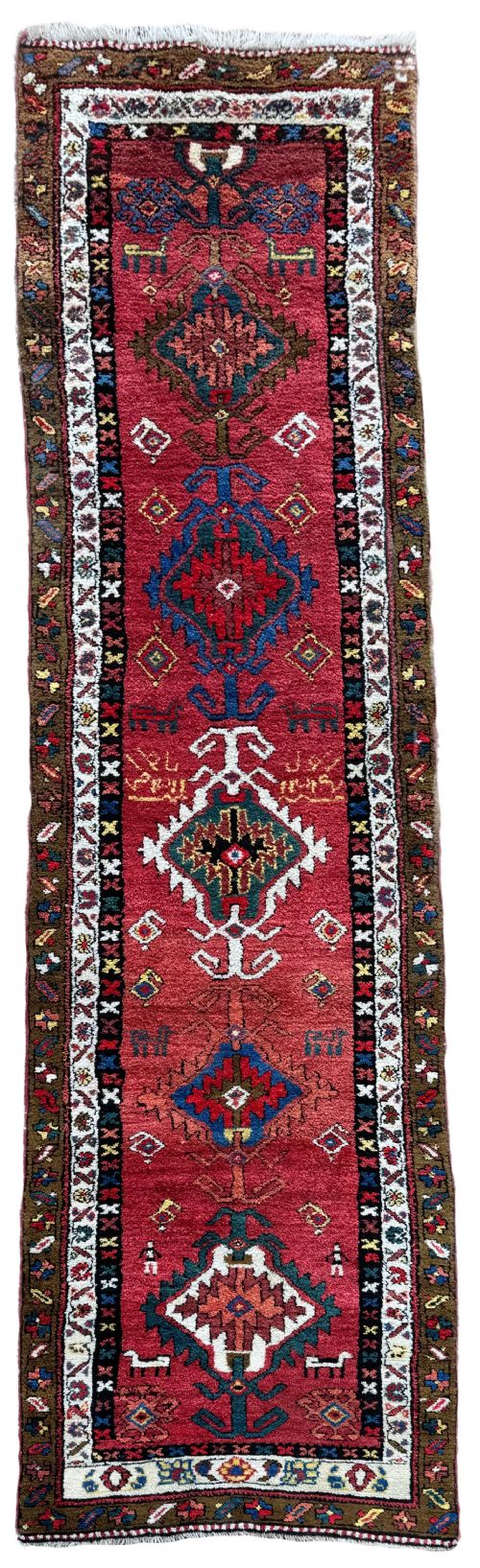
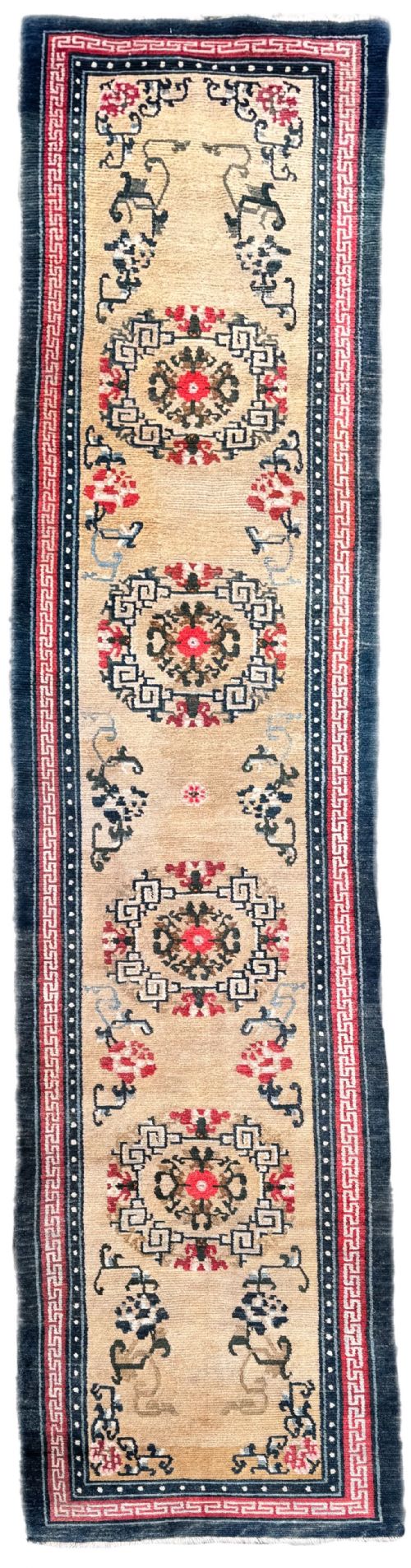
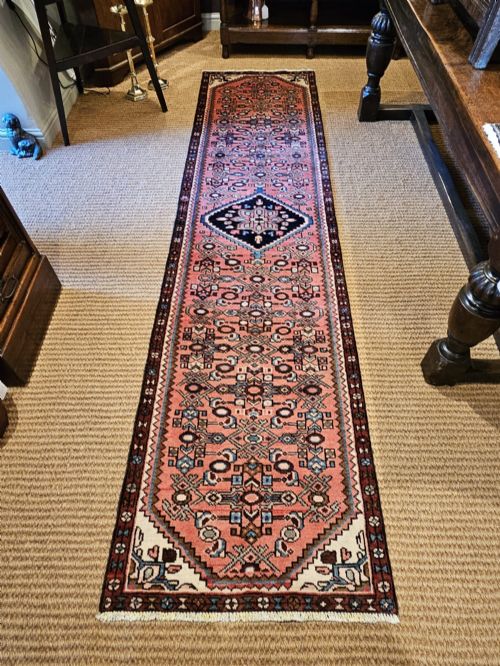
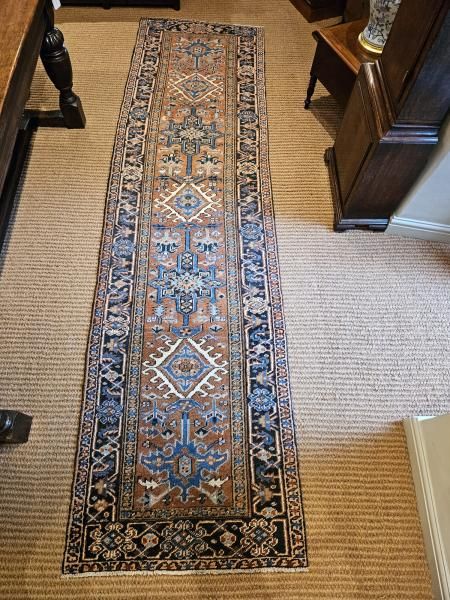
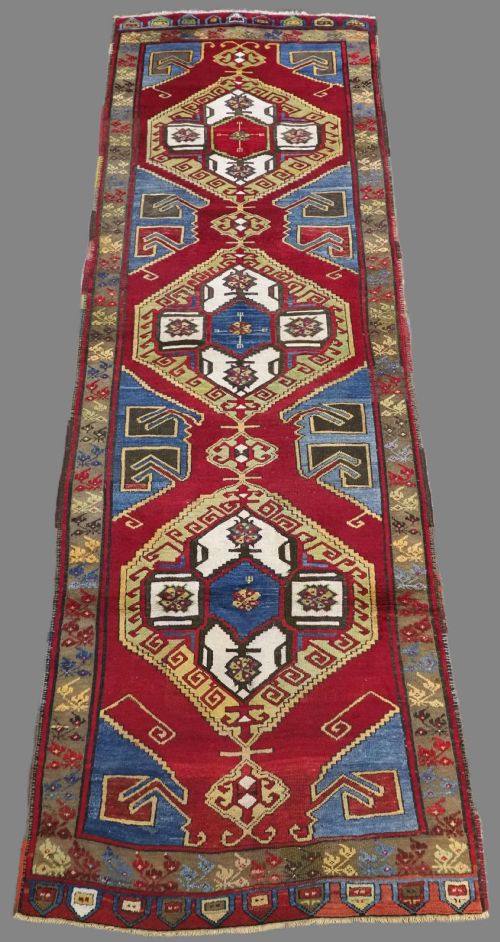
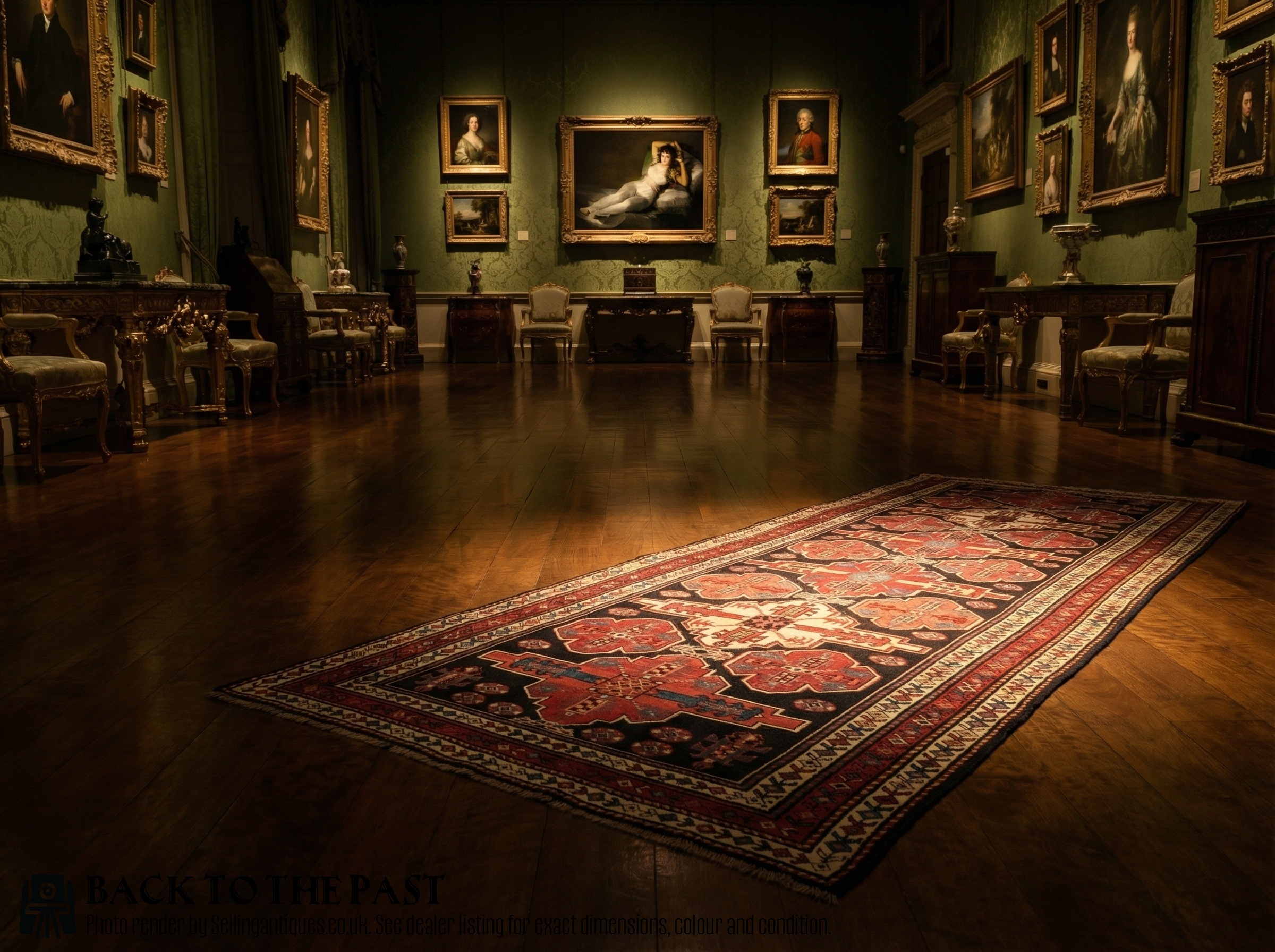
A vintage hallway runner rug provides a narrow, elongated format designed specifically to anchor corridors, landings, and transitional spaces. When searching for a vintage hallway runner rug, buyers encounter traditional floor coverings originating from nineteenth and early twentieth-century workshops and nomadic tribes.
The selections span Persian tribal weaving traditions, Anatolian village pieces, and Caucasian geometric designs. These elongated formats bridge architectural gaps while offering hardwearing utility underfoot.
Most examples rely on time-tested regional motifs, ranging from medallions and lattice frameworks to repeating tribal symbols. Each piece reflects the specific weaving culture of its origin, whether from Kurdish, Heriz, Ushak, or Shirvan traditions.
Materials and construction
These floor coverings utilise natural fibres, primarily combining durable wool pile on sturdy cotton or wool foundations. Hand-spinning and hand-knotting techniques ensure dense structures capable of withstanding heavy daily foot traffic.
Natural dye sources create the varied colour palettes, yielding deep blues, greens, and warm earthy tones that mature gracefully over decades of use.
Vintage Hallway Runner Rug Retail Price Guide 2026
Typical asking prices for vintage hallway runner rug among the pieces listed under this phrase on Sellingantiques today, from the lower quarter to the upper quarter. They describe what is for sale here now, not the wider market.
Listings feature wool and cotton floor coverings spanning the nineteenth and early twentieth centuries, including pieces from Persian, Turkish, Caucasian, and Tibetan traditions.
Evaluating craftsmanship and condition
Knot density and the precision of the geometric or floral layout distinguish finer workshop pieces from simpler village work. The crispness of the drawing and the resilience of the wool pile dictate the overall integrity of the textile.
Wear patterns and patination tell the history of each textile, where honest signs of age add character provided the underlying foundation structure remains sound and stable.
Oushak·Heriz·Shirvan·Kurdish·Karaja
The Vintage Hallway Runner Rug Glossary
- Runner
- A long, narrow carpet format tailored for corridors, hallways, and staircases. This specific shape directs movement through narrow architectural spaces.
- Pile
- The upright yarn loops or cut ends that form the surface texture of the rug. Wool is the predominant material used for this upper layer.
- Medallion
- A central ornamental motif positioned in the middle of the carpet field. Traditional Persian and Anatolian designs frequently employ this focal element.
- Lattice
- A repeating geometric grid pattern spanning the background field of the textile. Caucasian and Kurdish weaves often utilise this framework.
Vintage Hallway Runner Rug: Frequently Asked Questions
Where should I place a long runner?
These narrow textiles suit hallways, corridors, entryways, and landings where floor space requires directional grounding. Their elongated proportions bridge rooms while protecting high-traffic wooden or tiled flooring.
Selecting the correct length ensures the textile sits comfortably within the architectural boundaries without obstructing doors.
Are these wool rugs durable for daily use?
Natural wool pile combined with sturdy cotton foundations creates resilient floor coverings designed for heavy foot traffic. Traditional hand-knotting techniques yield dense structures that withstand regular domestic wear.
Proper underlay placement provides additional cushioning and prevents slipping along corridors.
How do I identify regional rug styles?
Distinguishing regional origins relies on observing specific motifs, colour palettes, and structural characteristics. Caucasian pieces favour sharp geometric lattices, whereas Heriz and Ushak traditions often display bold central medallions.
Examining the knotting style and edge finishes further clarifies whether a piece originates from Persian tribal groups or Anatolian villages.
What does distressed condition mean?
Distressed textiles exhibit authentic wear, thinning pile, and faded colours resulting from decades of historical use. These signs of age contribute a soft, muted aesthetic highly valued by collectors.
Provided the structural foundation remains intact, gentle fading enhances the character of the textile without compromising its utility.