






Antique Japanese Dish
An antique japanese dish brings the intricate hand-painted palettes and varied forms of the Meiji period and 19th century directly into a modern interior.
Antique Japanese Dish
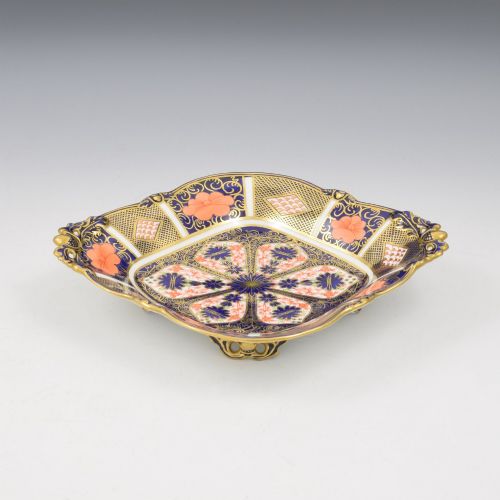
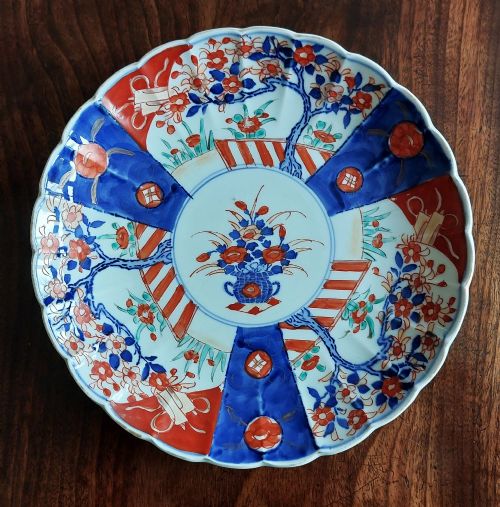
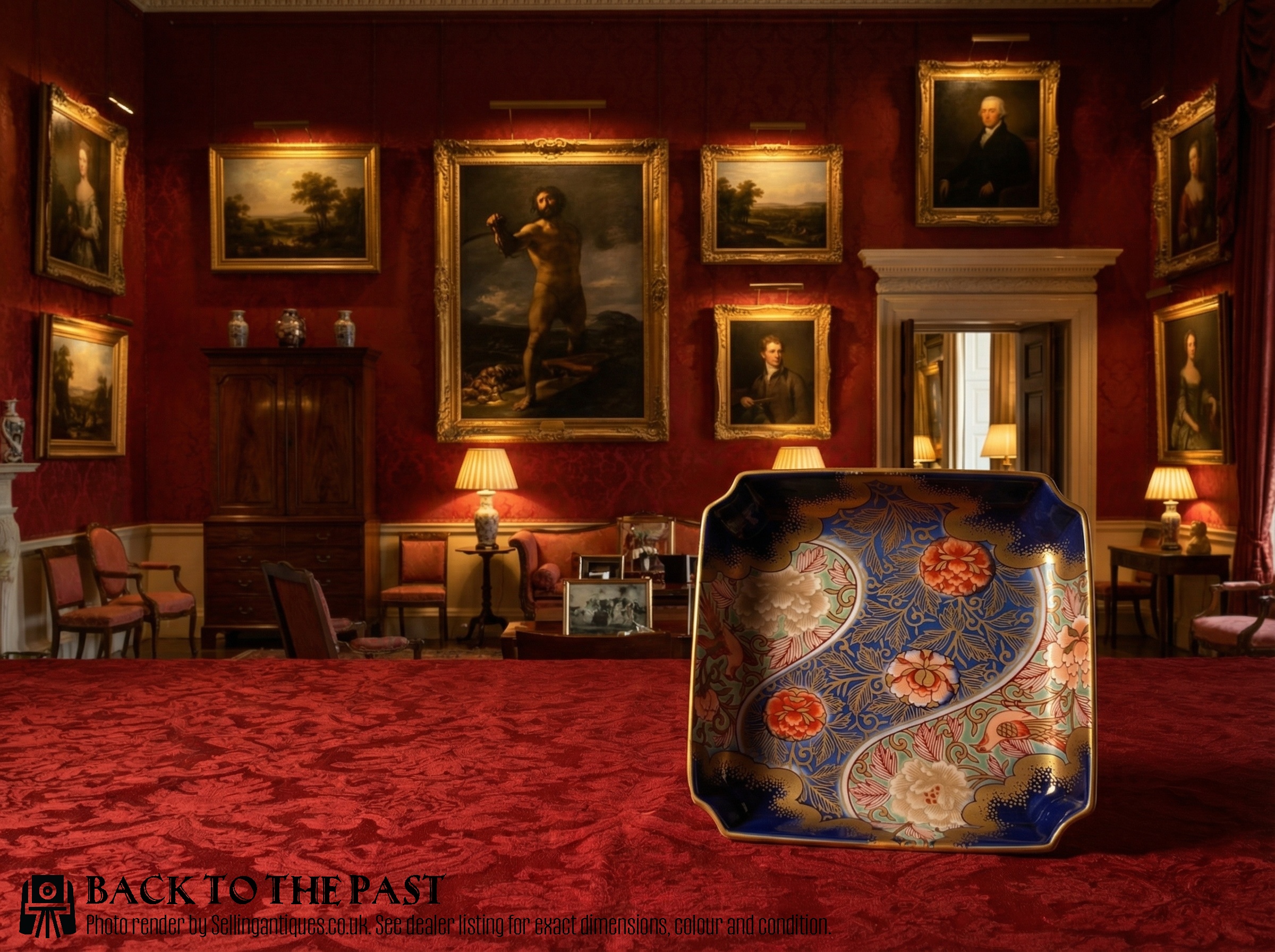
When you search for an antique japanese dish, you encounter a wide spectrum of forms spanning plates, chargers, bowls, and boat-shaped vessels. The most common iteration met on this page is the Japanese Imari porcelain plate or bowl, frequently characterised by scalloped edges and distinct blue and red patterns dating from the late 19th century and early 20th century.
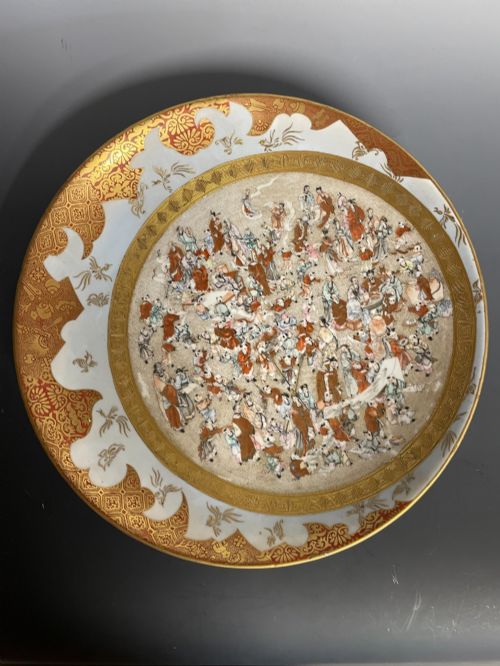
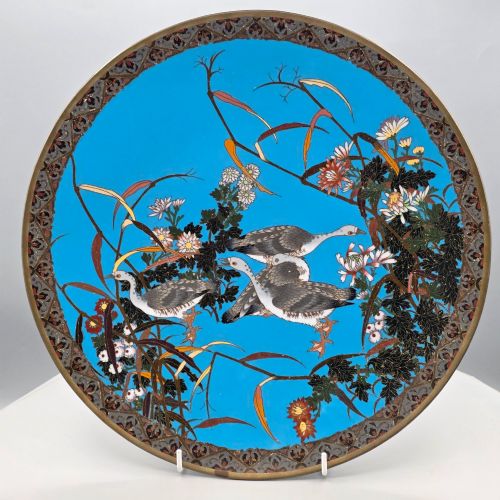
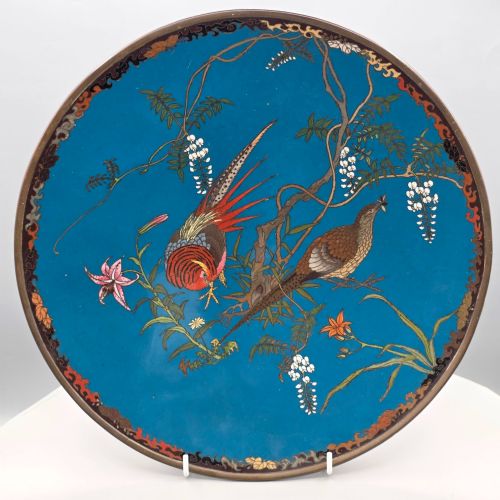
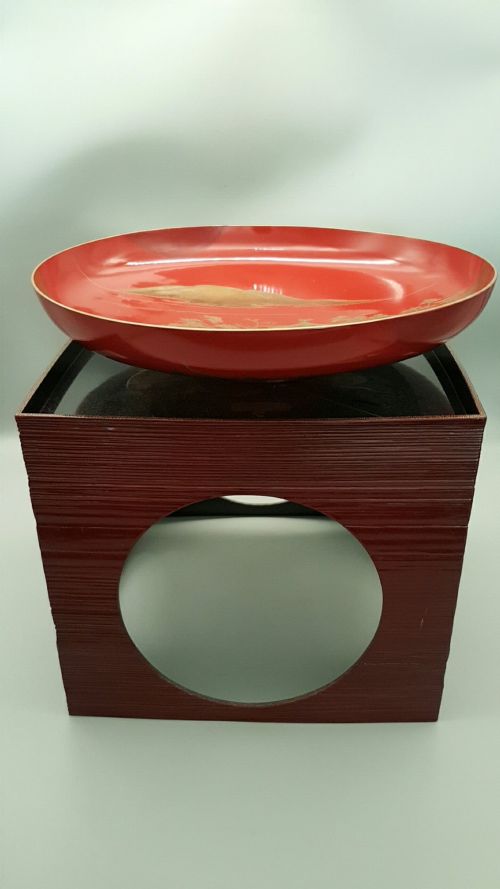
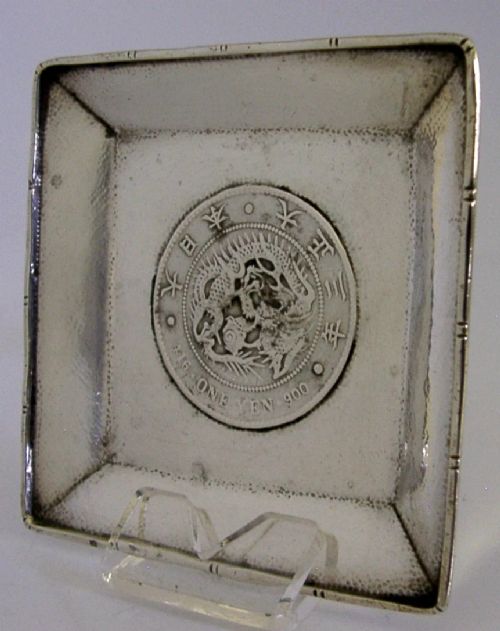
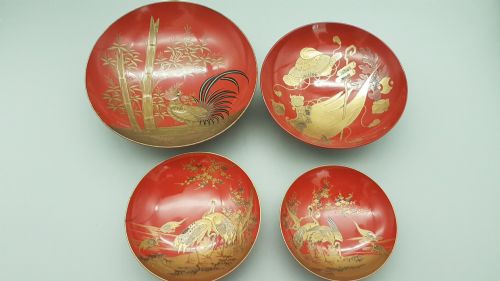
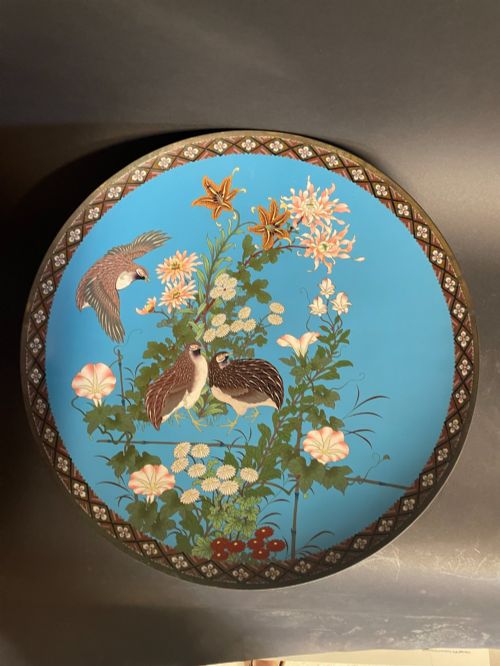
Beyond porcelain, the selection encompasses decorative enamel cloisonne chargers adorned with birds and florals, Satsuma pottery pieces, and tactile lacquer sake cups originating from the Meiji period. Forms also extend to unusual brass and copper vessels, burl wood confectionery dishes, and patinated iron plaques inlaid with gold and silver.
The origins stretch across decades of production ranging from Victorian interpretations and Aesthetic movement Minton pieces to authentic Meiji period ceramics from Kyoto and Arita. Whether choosing a small hexagonal plate or a large decorative charger, each object reflects the varied stylistic exchanges and traditional craftsmanship of its period.
How they were made
Pottery and porcelain items were shaped from clay and fired before receiving intricate hand-painted underglaze blue and overglaze enamel decoration, often enriched with gilt accents. Cloisonne examples relied on delicate copper wires soldered to a metal base to form compartments filled with coloured enamel pastes before firing and polishing.
Lacquer pieces involved building up multiple coats of tree sap resin on wooden cores, occasionally incorporating carved details or delicate maki-e metal dust techniques. Metal items utilised casting and hammering of brass, copper, and iron, complemented by meticulous gold and silver inlay work.
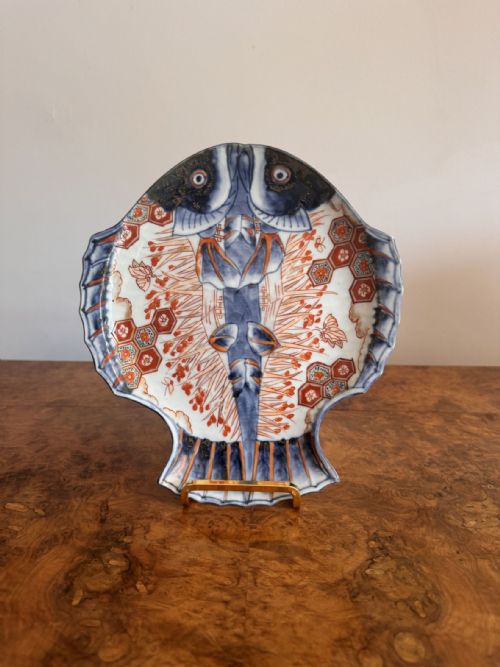
Some dishes take the literal form of swimming fish or scalloped shells, proving that Victorian and Meiji artisans loved a touch of whimsy.
What varies in quality
Quality rests heavily on the precision and complexity of the hand-painted or enamelled decoration, where tighter brushwork and more detailed motifs distinguish finer examples. The crispness of the porcelain body, the depth of the glaze colours, and the symmetry of shaped edges such as scalloped or fish-form profiles also separate standard production from masterworks.
In cloisonne and metalwork, the fineness of the wirework and the smoothness of the finished surface dictate the overall execution level. For lacquerware and woodwork, the preservation of the delicate surface finish and the clarity of pictorial details determine the standard.
The Antique Japanese Dish Glossary
- Imari
- A style of Japanese porcelain featuring a distinctive palette of underglaze blue, iron red, and added gold highlights. This decorative tradition originated in Arita and became widely exported during the Meiji period.
- Meiji Period
- The era in Japanese history spanning from 1868 to 1912, characterised by extensive opening to Western trade and exceptional decorative arts production. Pieces from this era often display remarkable technical proficiency.
- Cloisonne
- A metalwork technique where fine wires are soldered to a body to create cellular walls that hold enamel paste. Subsequent firing and polishing yield a smooth, patterned decorative surface.
- Satsuma
- A type of Japanese earthenware featuring a pale, crackle-glaze finish decorated with polychrome enamels and gilt. These ceramics were extensively produced for export during the late 19th century.
- Charger
- A large decorative plate or dish intended primarily for display rather than for serving food. These pieces frequently showcase the most ambitious artistry of a workshop or potter.
Antique Japanese Dish: Frequently Asked Questions
What is an Imari dish?
An Imari dish is a Japanese porcelain vessel decorated in vibrant underglaze blue, red, and gold.
These pieces were produced primarily in the Arita area and gained immense popularity across Europe during the 19th century.
How do I display a charger?
A charger is traditionally suited for wall mounting using specialised plate hangers or resting securely on a stable cabinet surface using a stand.
Because of their large scale and detailed decoration, they serve well as focal points in a room.
How do I date a Meiji piece?
Dating relies on stylistic markers, historical production periods, and occasionally signatures or kiln marks found on the base.
The Meiji period spans from 1868 to 1912, coinciding with a surge in detailed export craftsmanship.
Were these dishes used for food?
While many functional ceramic bowls and plates saw use in dining and tea ceremonies, larger chargers and decorative dishes were made specifically for display.
Condition and delicate enamels often dictate whether an antique piece is best reserved for decorative presentation.