



Blue Japanese Tray
A blue japanese tray brings the rich palette and intricate motifs of Meiji period craftsmanship directly into the modern home.
Blue Japanese Tray
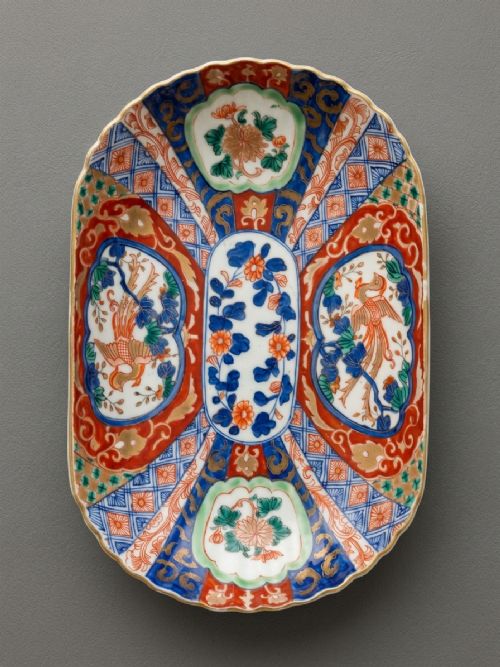
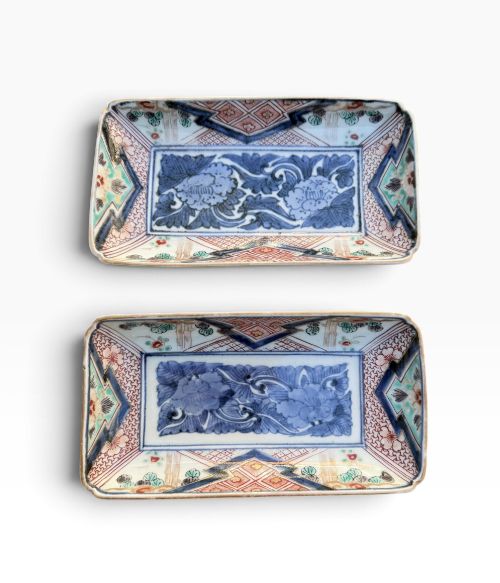
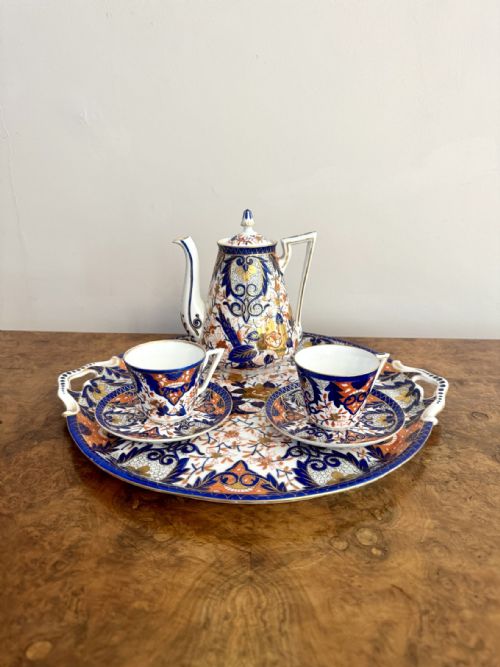
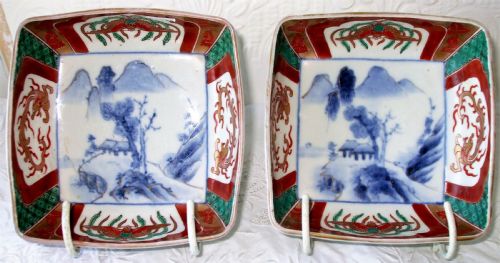
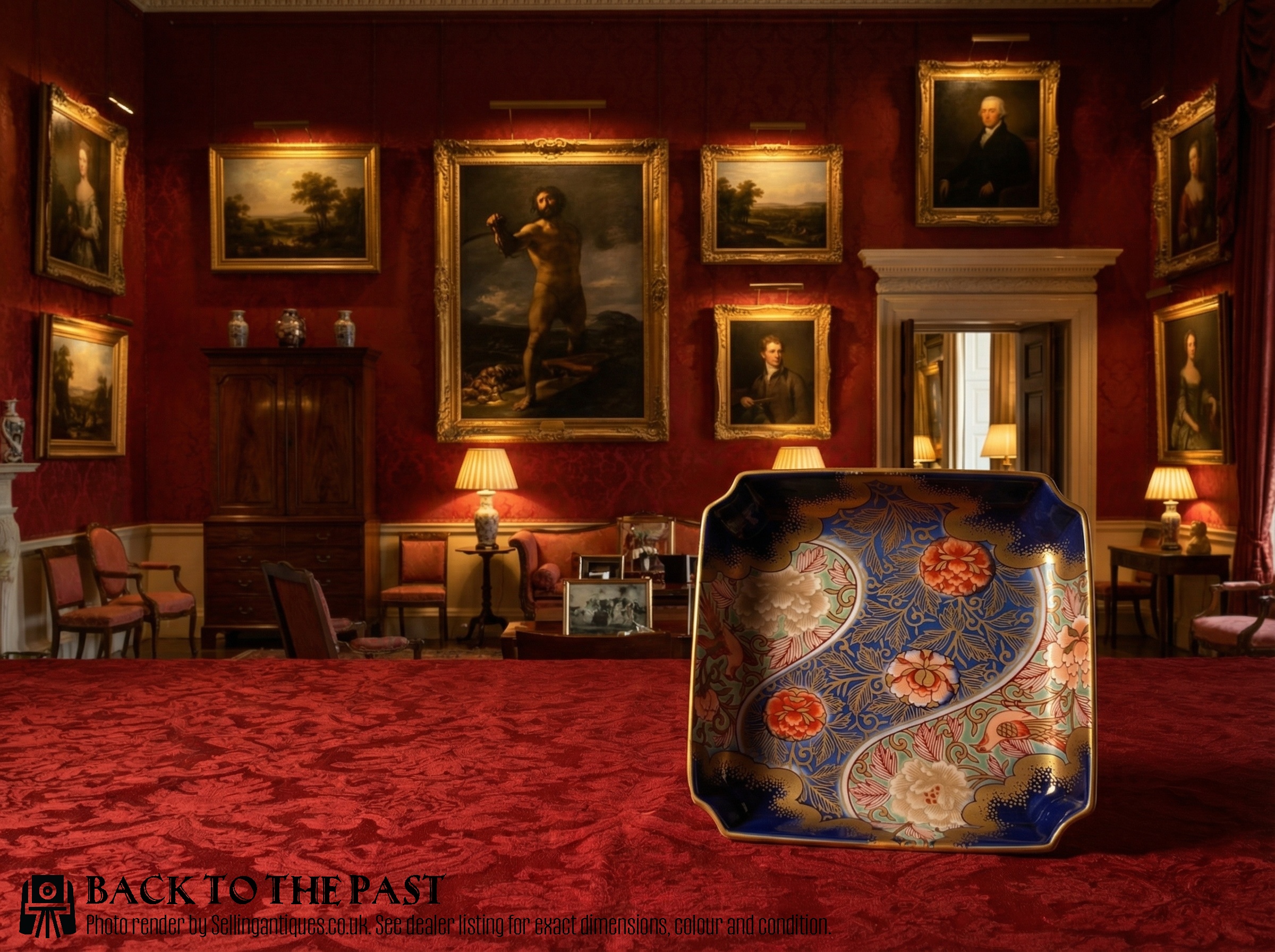
When you search for a blue japanese tray, you encounter decorative dishes, platters, and shaped plates spanning the nineteenth and early twentieth centuries. These pieces encompass both authentic Meiji period imports and English interpretations in the Imari taste.
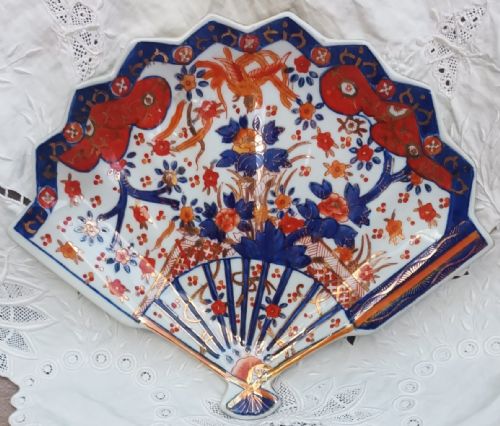
The most frequent form on this page is the Japanese Imari dish, often appearing in fan or shell shapes alongside round platters. Alongside these traditional ceramics, you find cloisonne enamel trays depicting dynamic subjects like leaping koi and dragons.
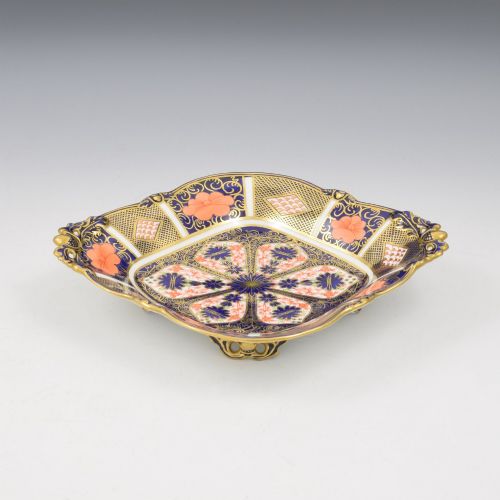
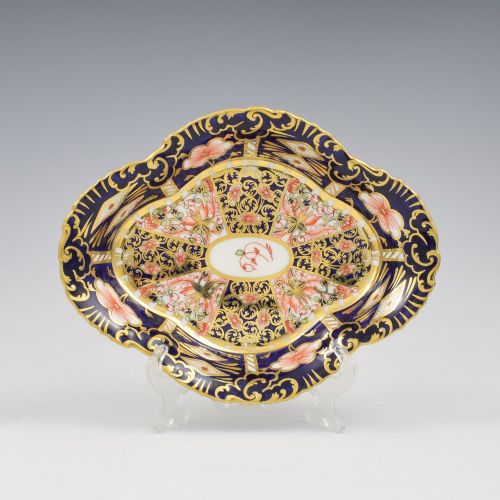
Makers such as Royal Crown Derby also contribute English porcelain serving dishes utilising the classic Imari pattern. Collectors therefore choose between genuine imported Meiji items and domestic Victorian or later adaptations.
Materials and construction
Ceramic pieces rely on porcelain or bone china bodies shaped into decorative plates and coffee sets, finished with cobalt blue glaze and supplementary gilding. Artisans applied pigments by hand to create the complex patterns characteristic of Imari wares.
Cloisonne enamel examples utilise a copper base fitted with wire cells that delineate the design before enamel paste is applied and fired. Gold leafing often highlights specific decorative elements on both metal and ceramic surfaces.
Leaping koi fish and dragons inhabit these metal trays, proving that nineteenth-century desk accessories had a distinct fondness for aquatic athletics.
Judging quality in a blue japanese tray
Quality rests upon the precision of the hand-painted detailing and the crispness of the cobalt blue underglaze. Finer porcelain items display superior translucency and cleaner lines within complex panel designs.
For cloisonne enamel pieces, the refinement of the wirework and the smoothness of the polished surface distinguish standard production from exceptional artistry. Pierced serving dishes require delicate dexterity in the ceramic body before firing.
Royal Crown Derby
The Blue Japanese Tray Glossary
- Imari
- A style of Japanese porcelain originating from the port of Arita, traditionally decorated in underglaze blue, iron red, and gold. English potteries later adopted this distinct palette.
- Cloisonne
- A metalwork technique where fine wires form compartments on a copper surface to hold enamel paste. Subsequent firing and polishing create a smooth decorative panel.
- Underglaze
- A method of applying pigment to a ceramic body before the final glaze and firing, ensuring the colour remains permanent and protected beneath the glassy surface.
Blue Japanese Tray: Frequently Asked Questions
What is a blue japanese tray?
A blue japanese tray refers to decorative dishes, platters, and plates originating from Japan or influenced by traditional Japanese styles. These items range from Meiji period Imari porcelain to cloisonne enamel trays.
They serve primarily as decorative objects or serving pieces, bringing distinctive blue and white or polychrome patterns into interior spaces.
How do I date a blue japanese tray?
Dating relies on stylistic markers, material composition, and any associated factory marks on the base of the piece. Meiji period items typically date from the late nineteenth to early twentieth century.
English interpretations in the Imari taste often carry nineteenth or early twentieth-century registry or pattern numbers that pinpoint their era of manufacture.
Where were these trays made?
Authentic pieces originated in Japanese workshops and kilns during the late nineteenth and early twentieth centuries. Many were produced specifically for the export market.
English potteries also manufactured similar wares, adapting the traditional Japanese aesthetics for domestic Victorian and Edwardian dining rooms.
How do I care for my tray?
Care depends on the material, requiring gentle cleaning with a soft, dry cloth to protect delicate enamel and gold leaf. Avoid harsh chemical cleaners and abrasive scrubbing pads.
Display them securely on plate stands or flat surfaces away from direct sunlight to preserve the richness of the cobalt blue glaze and gilding.