




Antique Italian Ceramics
These antique italian ceramics carry centuries of painted tin-glaze and terracotta craft from southern European kilns into modern rooms.

Antique Italian Ceramics
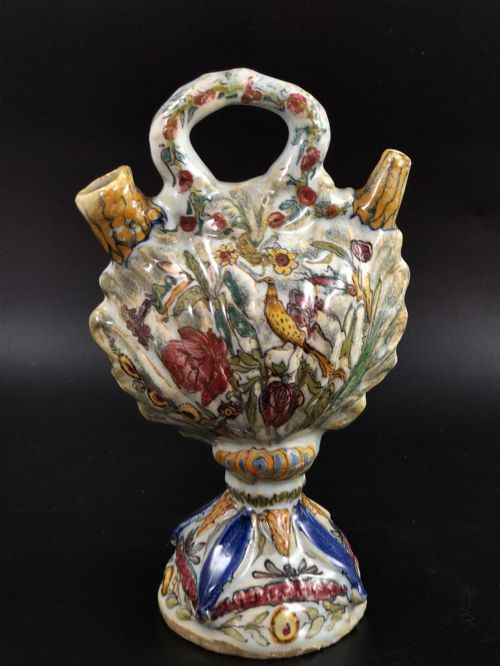
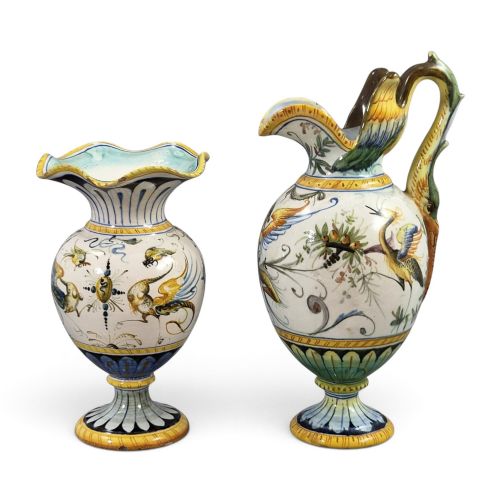
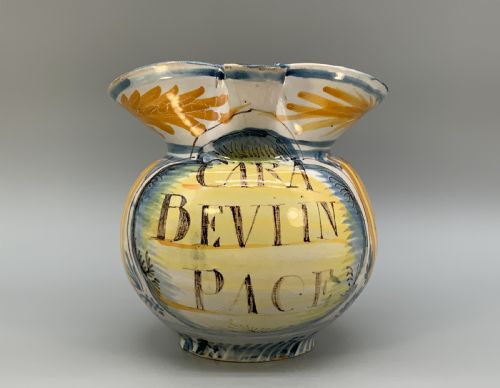
Antique italian ceramics encompass an array of utilitarian and decorative vessels, including albarello pharmacy jars, apothecary jugs, chargers, and pilgrim flasks. Many examples date from the eighteenth and nineteenth centuries, reflecting enduring regional traditions in earthenware and tin-glazed pottery.
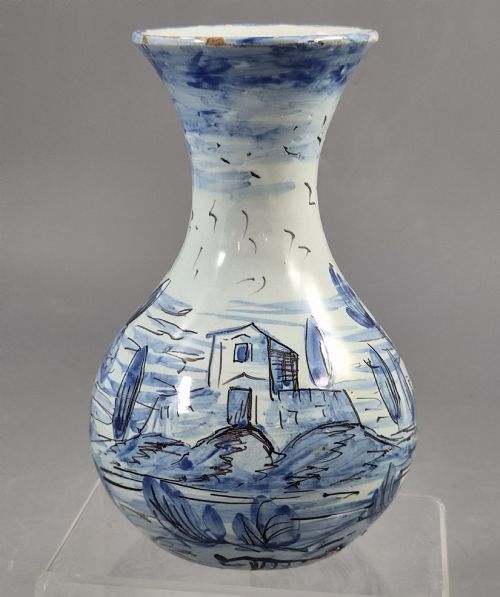
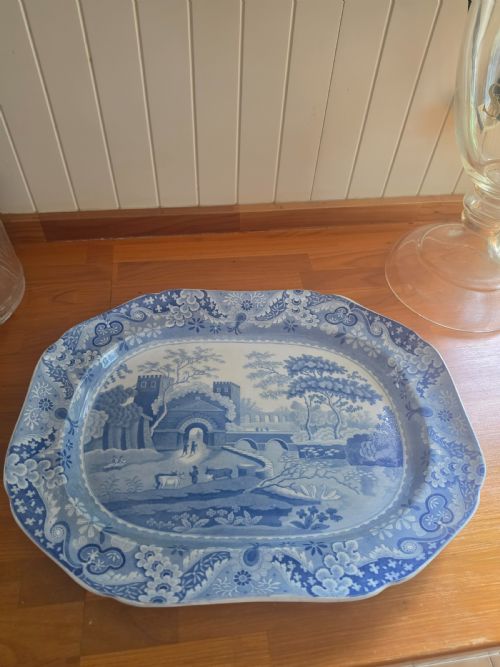
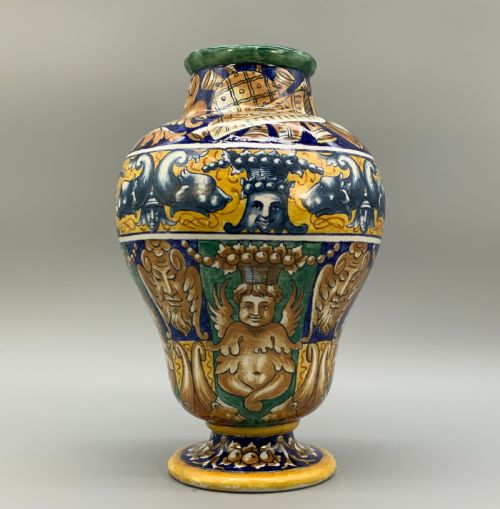
Buyers frequently encounter majolica and faience pieces decorated in blue and white or polychrome palettes, alongside large terracotta garden ornaments and planters. The selection bridges formal revival styles and practical domestic containers produced across Italian workshops.
Materials and Technique
Potters shaped local clays into vessels and figures, often applying an opaque tin glaze to provide a smooth white surface for pigment. Artisans painted directly onto this porous background using metallic oxides such as cobalt blue, manganese, and yellow before a final firing.
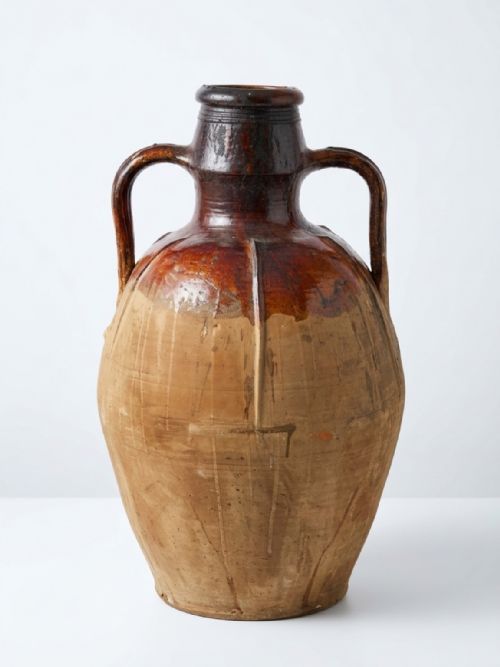
Terracotta pieces relied on moulded or hand-sculpted reddish clay left unglazed or treated simply to withstand external conditions. These techniques allowed makers to produce everything from detailed pharmaceutical containers to large architectural garden urns.
Antique Italian Ceramics Retail Price Guide 2026
Typical asking prices for italian ceramics among the pieces listed under this phrase on Sellingantiques today, from the lower quarter to the upper quarter. They describe what is for sale here now, not the wider market.
Several terracotta cockerels stand ready to crow across the centuries.
Judging Quality
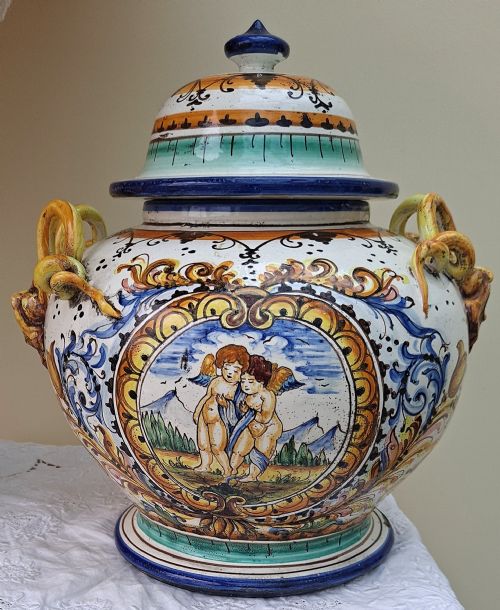
Quality rests upon the crispness of the painted detail and the control of the glaze firing. Fine examples display confident brushwork and balanced compositions, particularly within figural scenes and botanical motifs.
The precision of the form and the weight of the ceramic indicate the maker's skill. Stronger pieces retain clear glaze coverage without excessive pooling or cloudiness over the painted decoration.
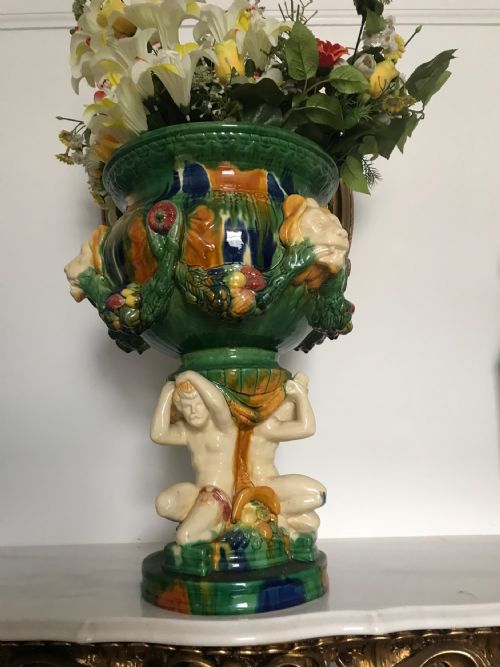
Cantagalli·Gallilleo Chini
The Antique Italian Ceramics Glossary
- Majolica
- Tin-glazed earthenware produced in Italy and known for colourful painted decoration. It developed from medieval trade wares into a sophisticated artistic medium.
- Albarello
- A cylindrical earthenware jar used by apothecaries to store dry drugs and herbal remedies. Its waist shape allowed pharmacists to grip the vessel easily on crowded shelves.
- Tin Glaze
- An enamel glaze containing tin oxide that fires to an opaque white finish. It creates a receptive canvas for painted cobalt and metallic pigments.
- Charger
- A large decorative plate intended for display on a wall or sideboard rather than for dining. These often feature elaborate historical or mythological scenes.
- Polychrome
- Decoration employing multiple distinct colours, typically painted across the ceramic surface before glazing. This contrasts with monochrome palettes restricted to a single pigment like blue.
Antique Italian Ceramics: Frequently Asked Questions
What are antique apothecary jars used for?
Apothecaries used these ceramic vessels to store dried herbs, ointments, and liquid medicines in dispensaries. Their labelled sides helped pharmacists identify contents quickly.
Today, collectors display these jars on open shelving or tables to highlight their historical painted designs and distinct cylindrical forms.
Where were these ceramics made?
Production centres spread across various Italian regions, including Florence, Savona, Pesaro, and Nove. Each workshop developed distinct regional preferences for glaze colours and decorative motifs.
Potters adapted local clays and traditional techniques passed down through generations of kiln workers.
How should I care for tin-glazed earthenware?
Keep tin-glazed ceramics away from damp environments and extreme temperature shifts to protect the porous earthenware body and surface glaze. Dust them gently with a dry cloth rather than using liquid cleaners.
Display vessels securely on stable surfaces to prevent accidental knocks against their glazed edges.