
Antique Glazed Table
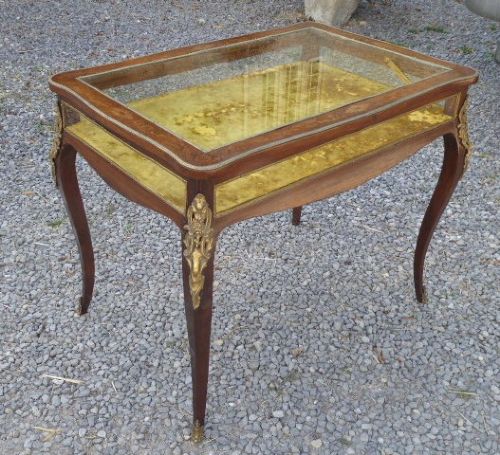
When you search for an antique glazed table, you are looking at items like bijouterie cases, display cabinets and vitrines that combine timber frames with glass tops or panels.
Antique Glazed Table
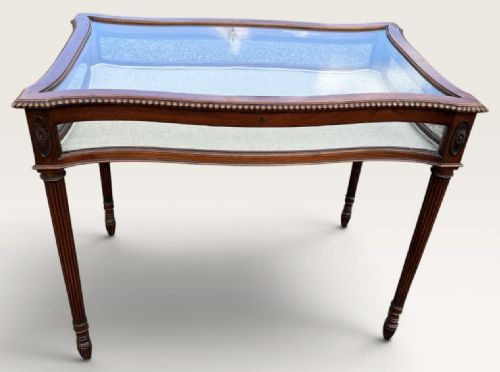
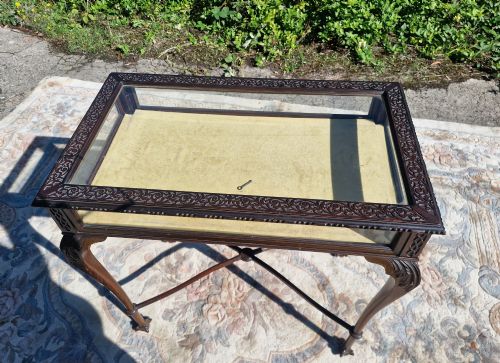
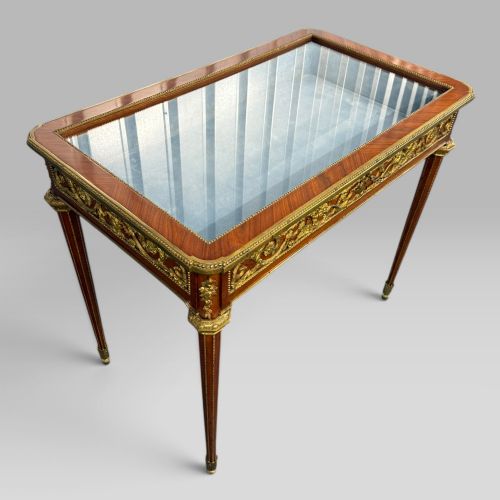
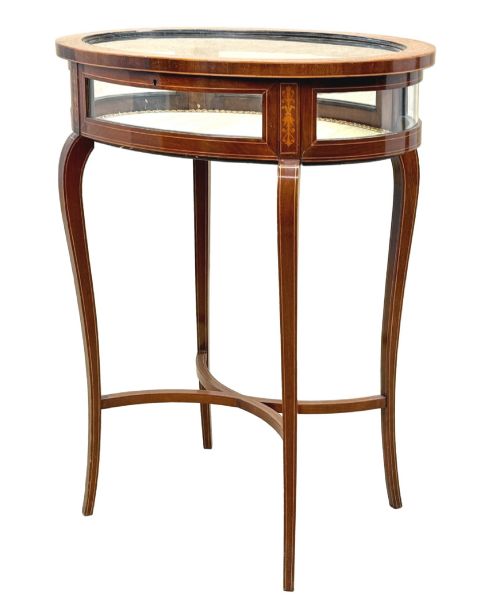
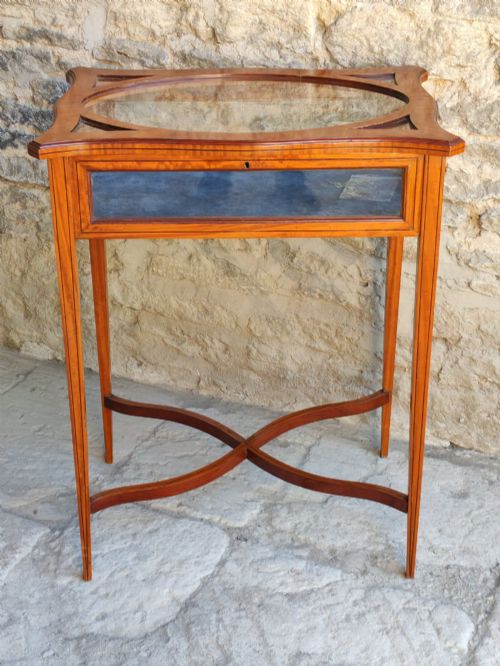
An antique glazed table typically appears as an Edwardian or Victorian mahogany bijouterie display table featuring a glass-topped compartment for showing small treasures. These pieces span the eighteenth to the early twentieth century, taking forms such as oval, serpentine, kidney-shaped and octagonal display tables with hinged glass lids.
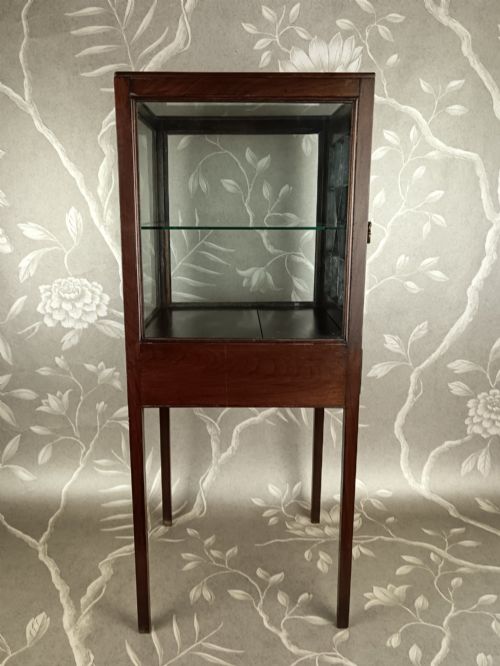
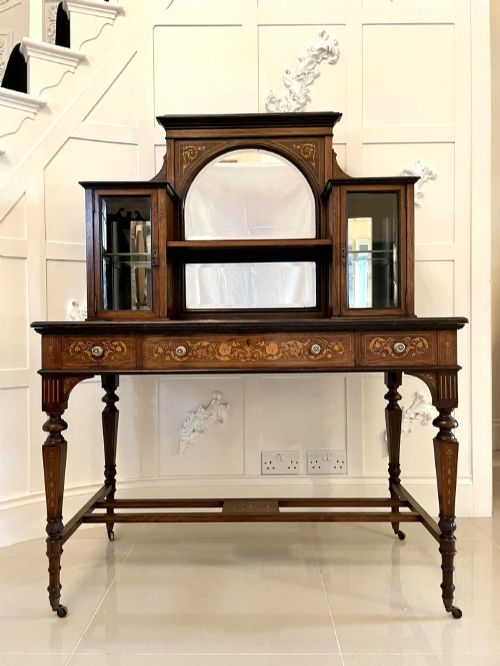
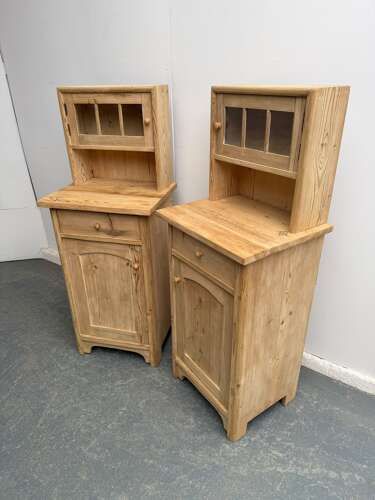
Beyond standard display tables, the selection includes related glazed furniture like bedside cabinets, side tables, table top cases and taller vitrines. Makers utilised glass panels and glazed doors to protect objects while keeping them visible from above or the sides.
The materials paired with the glass include timbers like mahogany, satinwood, kingwood, rosewood and pine, often accented with brass, ormolu mounts, or intricate marquetry inlay. Pieces from the Georgian period through to the 1920s show a steady evolution in how timber frames frame transparent display surfaces.
How they were made
Construction relies heavily on hardwoods such as mahogany and rosewood, frequently enhanced with satinwood inlay, marquetry, and polished veneers. Cabinet makers shaped these timbers into delicate tapered legs, serpentine rims, and hinged lids designed to seal tightly over fabric-lined display wells.
Metal components play a structural and decorative role, with brass hinges, locks, and ormolu mounts securing the glazed frames. Glass is fitted directly into wooden rebates or metal bezels, requiring precise joinery to support the weight of the transparent top without warping the table structure.
Victorian owners used bijouterie tables to show off their miniature curiosities, essentially creating the nineteenth-century version of an Instagram feed.
What varies in quality
Quality rests upon the crispness of the timber craftsmanship, visible in the precision of the marquetry inlay, the tightness of the mitre joints, and the selection of figured veneers like kingwood or satinwood. Superior examples feature heavier ormolu mounts, well-cast brass hardware, and original hand-blown glass panels rather than later replacements.
Proportion and stability separate standard utility items from finer pieces, particularly in slender-legged Edwardian and Victorian bijouterie tables where rigid framing prevents wobbling. The refinement of the interior lining, often silk or velvet within the display well, reflects the original tier of the commission.
EDWARDS and ROBERTS·Royal Worcester
The Antique Glazed Table Glossary
- Bijouterie table
- A display table with a glass top and sides, created for showing small valuables, medals, and trinkets. These pieces typically feature a hinged lid lined with fabric inside.
- Ormolu
- Gilded bronze mounts applied to furniture for decoration, popular in French-influenced cabinet making. This material adds metallic contrast to mahogany and kingwood surfaces.
- Marquetry
- Decorative woodwork where pieces of various coloured veneers are fitted together to form geometric or floral patterns. It appears frequently on tabletops and cabinet doors.
- Vitrine
- A glass-fronted cabinet or display case designed to exhibit porcelain, books, or curiosities. The term covers both table-top display boxes and taller floor-standing furniture.
- Satinwood
- A lustrous, hard timber with a yellowish colour used for contrasting stringing and inlay work on mahogany furniture. Edwardian makers utilised it extensively for borders.
Antique Glazed Table: Frequently Asked Questions
What fits inside a bijouterie table?
These tables were designed to exhibit small portable collections such as pocket watches, coins, medals, and small silver trinkets. The shallow interior protects items beneath a secure glass lid while allowing natural light to illuminate the display.
Most interiors retain their original fabric lining, such as velvet or silk, which cushions the objects. Owners often curate the display to reflect personal interests or historical small items.
How do I clean the glass top safely?
Glass panels on antique tables require gentle maintenance to avoid damaging the surrounding timber frame or nineteenth-century brass mounts. Use a soft cloth slightly dampened with a mild cleaner rather than spraying liquid directly onto the glass, which can seep into the wood.
Keep moisture away from veneer edges and ormolu mounts to prevent staining or corrosion. A dry microfiber cloth is usually sufficient for regular dusting of both the glass and the polished woodwork.
Were these tables used for tea?
Bijouterie tables and display cases were strictly intended for decoration and storage rather than serving food or drinks. Their hinged glass lids and delicate legs make them unsuitable for heavy daily use as serving surfaces.
For actual dining or refreshment tasks, period rooms utilised drop-side trolleys or side tables. Confusing a display table with a tea table risks damaging the delicate glass top and wooden frame.
How do I tell Edwardian from Victorian examples?
Victorian display tables tend to feature heavier proportions, darker mahogany or rosewood timbers, and rich marquetry or inlaid details. They often display robust cabriole legs or ornate ormolu mounts reflecting revival styles.
Edwardian pieces generally present lighter, more slender forms with satinwood stringing, tapered legs, and restrained neoclassical influences. The overall impression shifts from substantial grandeur to lighter, refined elegance.