



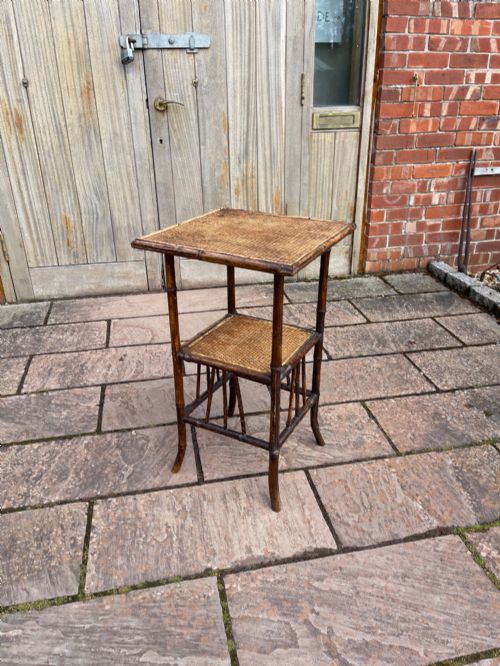
Small Display Table
A small antique display table brings together timber, glass, and treasures, offering a compact stage for curiosities and everyday objects alike.
Small Display Table
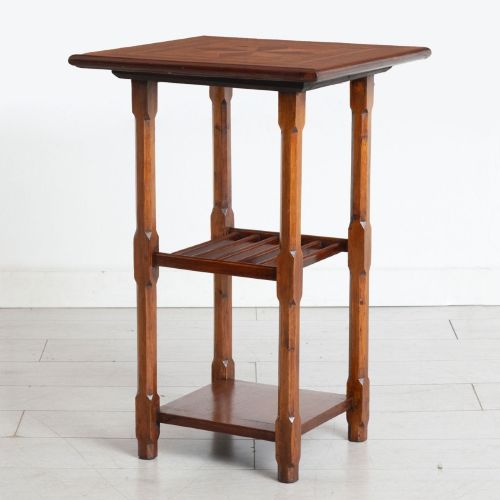
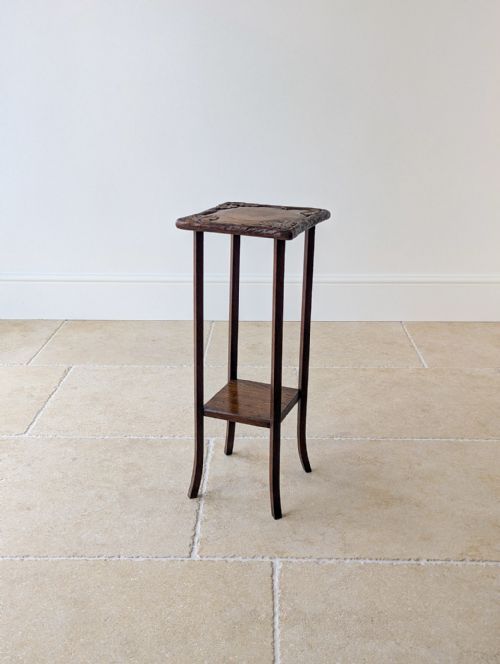
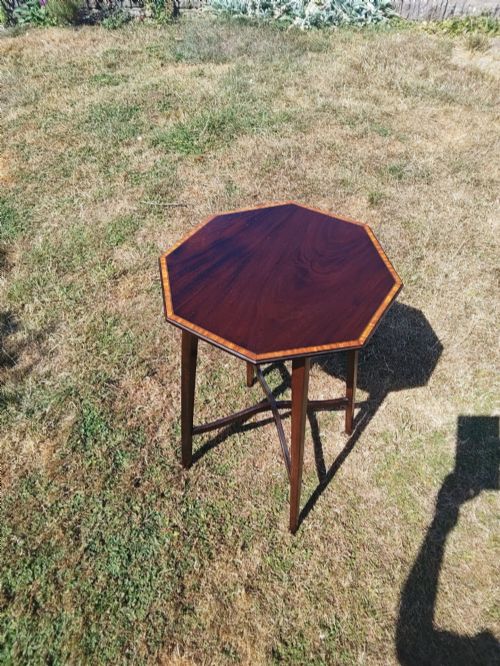
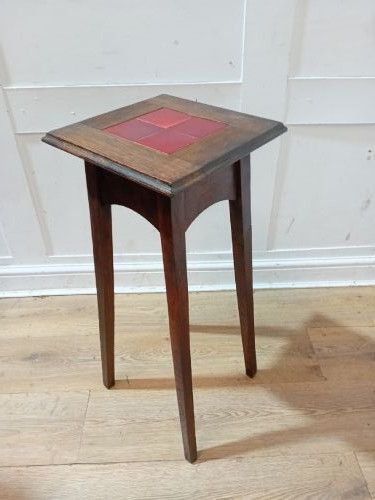
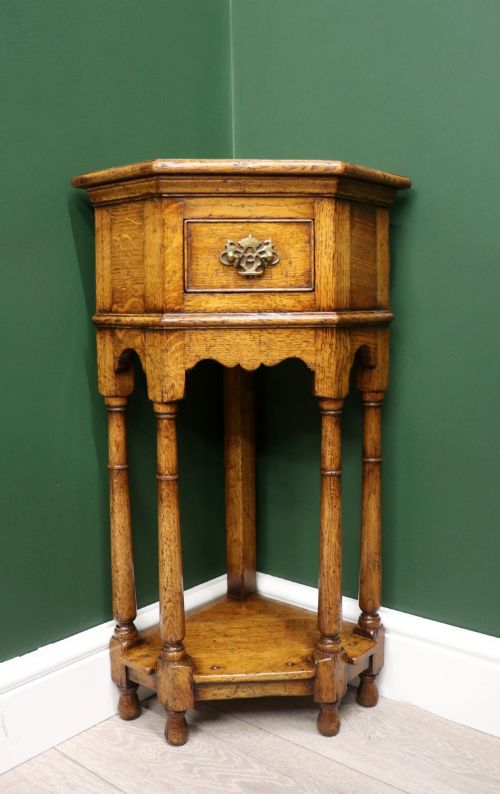
When searching for a small antique display table, collectors encounter pieces designed to show off precious items while serving as functional furniture. The selection spans distinct periods, most frequently appearing in Edwardian and Victorian forms alongside Georgian, Regency, and 18th-century examples.
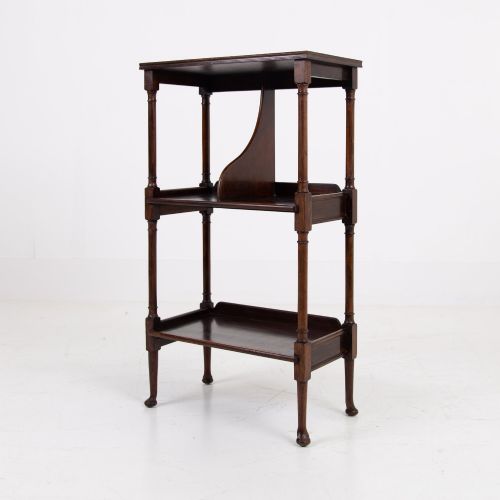
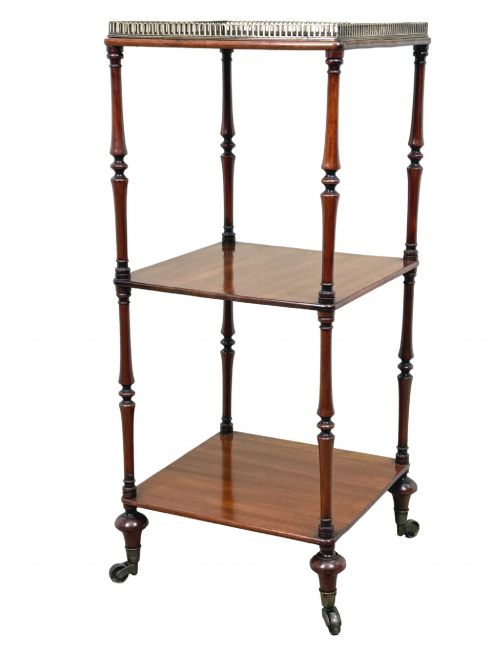
The physical forms vary considerably based on domestic habits of the past. Pieces range from bijouterie tables with glazed compartments for jewellery to étagères, plant stands, and multi-tiered occasional tables.
Materials dictate much of the character, with mahogany, oak, rosewood, walnut, and satinwood providing the structural timber. Glass panels, brass mounts, and velvet linings frequently complete the composition of these display pieces.
How they were made
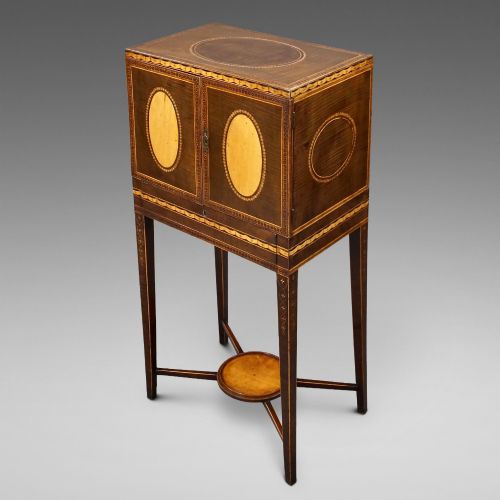
Cabinetmakers utilised dense hardwoods such as mahogany, walnut, and rosewood, often applying satinwood or harewood veneers to create contrasting decorative surfaces. Marquetry inlay and painted decoration appear across numerous examples, integrating botanical and geometric motifs into the timber tops.
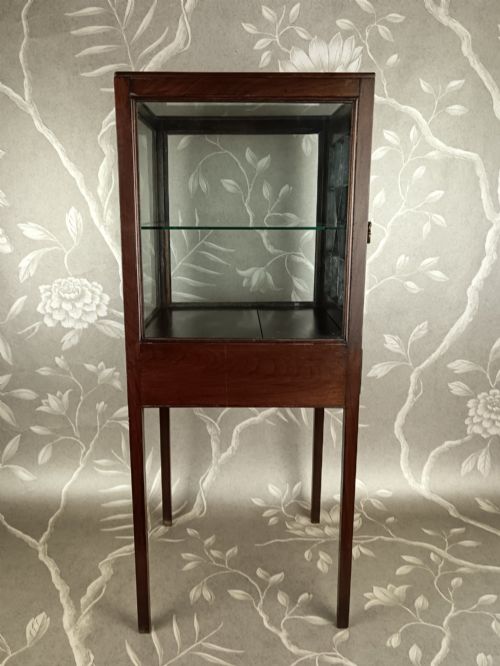
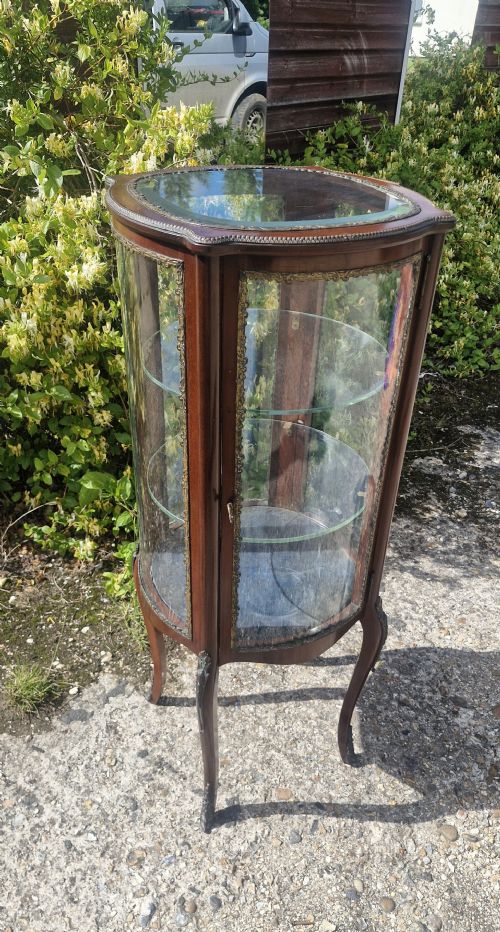
Glazing techniques allow light into enclosed spaces, utilising bevelled glass panels secured within hinged or fixed frames. Brass and gilt metal mountings reinforce corners and legs, whilst velvet provides a traditional lining material for interior display wells.
Some Victorian bamboo tables brought exotic botanical textures indoors long before flat-pack rattan arrived.
What varies in quality
The standard of construction separates standard utility items from finer workshop output. Superior examples display precise joinery, finely cut marquetry, and robust hinge mechanisms that support glass lids without sagging.
Material selection and decorative restraint heavily influence distinction. Rich timber grain, well-matched veneers, and crisp brass or ormolu mounts indicate skilled craftsmanship rather than mass production.
Edwards and Roberts
The Small Display Table Glossary
- Bijouterie table
- A glass-topped table specifically designed for displaying jewellery, medals, and small curiosities. These pieces often feature velvet-lined interior compartments beneath hinged lids.
- Étagère
- A set of open shelves or tiers used for displaying ornaments and small objects. Pieces of this form frequently utilise rosewood or walnut construction.
- Marquetry
- Decorative veneer work formed by fitting together small pieces of different coloured woods or other materials to create pictorial or geometric designs.
- Vitrine
- A glass-fronted or glass-topped cabinet intended for the exhibition of valuable items. This form protects contents from dust while maintaining all-round visibility.
- Whatnot
- A piece of furniture consisting of multiple open shelves supported by slender pillars. These items originated in the 19th century to hold books, ornaments, and display pieces.
Small Display Table: Frequently Asked Questions
What is a bijouterie table?
A bijouterie table is a specialised piece of furniture featuring a glass top and a shallow, lined interior compartment. It was designed for laying out jewellery, coins, and delicate collectibles for viewing.
These tables generally stand on slender legs and date primarily from the late 19th and early 20th centuries. The glazed lid protects the contents while allowing them to be admired without handling.
How were étagères used?
Étagères served as tiered display furniture for ornaments, china, and small decorative objects in period drawing rooms. Their multiple open shelves maximised display space within a compact floor footprint.
Such pieces often incorporated contrasting timbers like rosewood or mahogany. They were positioned against walls or in corners to exhibit collections of porcelain and curios.
How do I care for display tables?
Caring for antique display tables involves protecting timber surfaces from direct sunlight and maintaining stable indoor humidity. Regular dusting with a soft, dry cloth preserves the finish without harming delicate veneers.
Glass panels require gentle cleaning with standard glass cleaner applied to a cloth rather than sprayed directly. This prevents moisture from seeping into surrounding wooden frames or fabric linings.
How can I date my display table?
Dating a display table relies on examining timber types, construction methods, and prevailing design styles. Pieces from the Georgian era show different joinery techniques compared to Edwardian or Arts and Crafts examples.
Hardware such as hinges, locks, and brass mounts also offers clues to the period of manufacture. Secondary woods used inside drawers or frames frequently confirm the age of the piece.