
Antique Glass Dressing Box
An antique glass dressing box holds personal treasures and sits on the dressing table with refined elegance.
Antique Glass Dressing Box
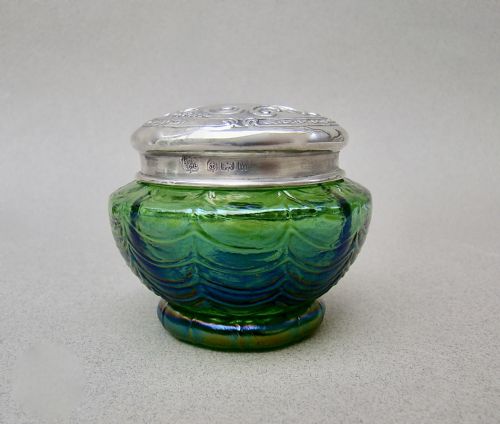
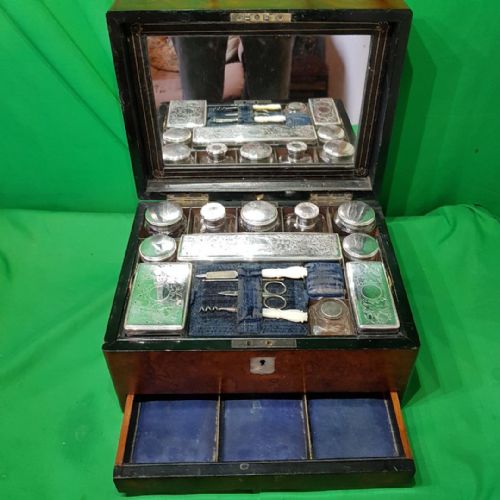
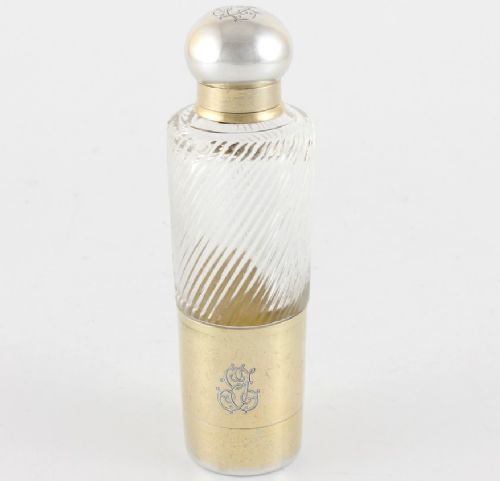
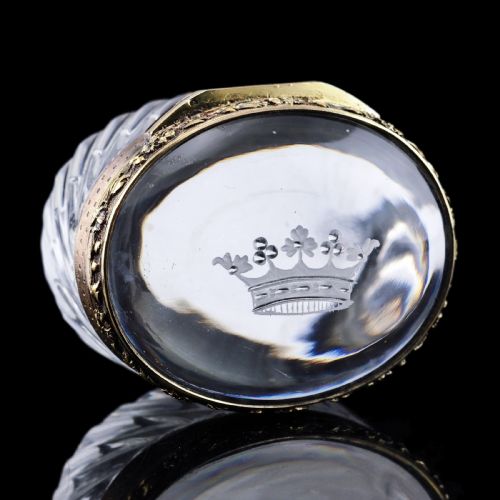
An antique glass dressing box encompasses a range of containers designed for the dressing table, combining glass vessels with precious metals and fitted woods. The selection on this page spans simple trinket pots to elaborate travelling sets, reflecting the domestic habits of past centuries.
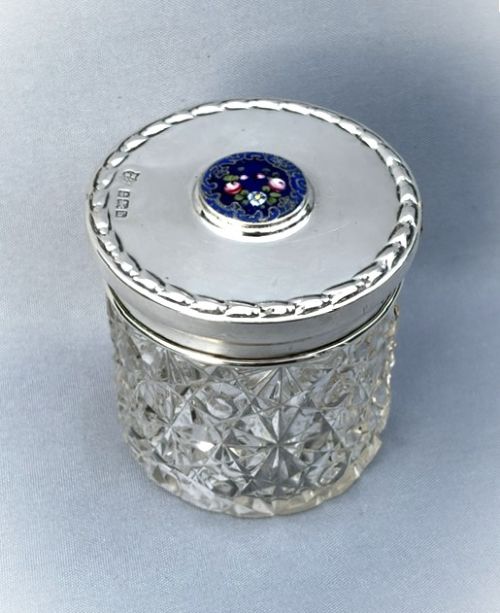
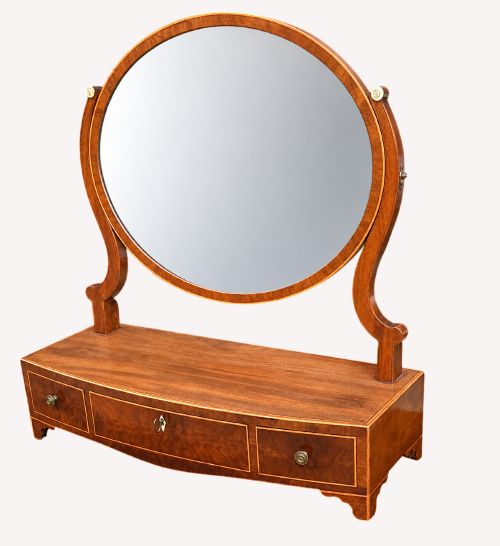
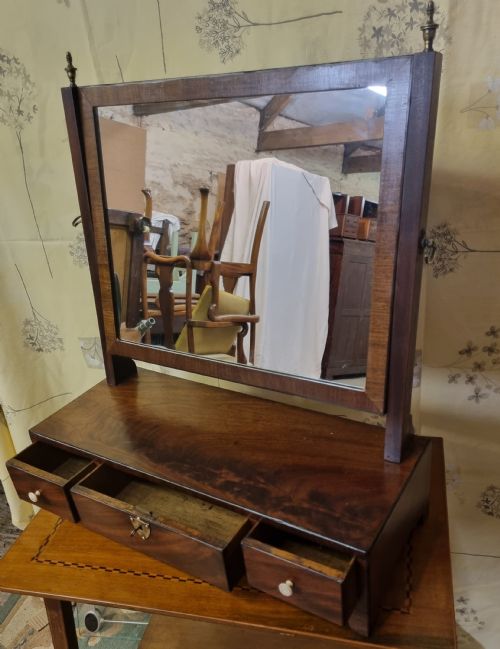
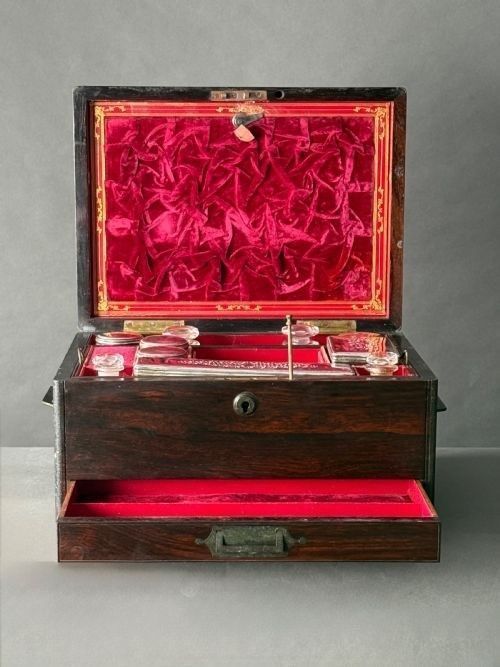
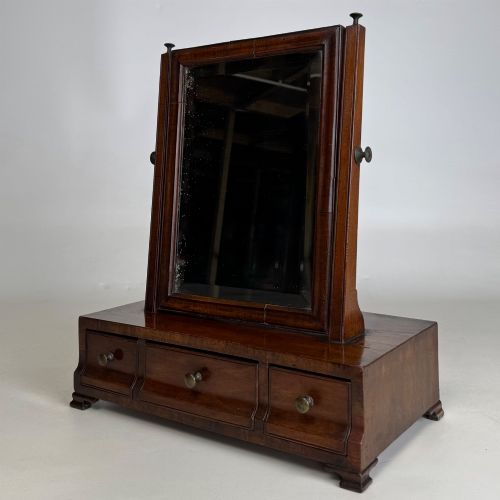
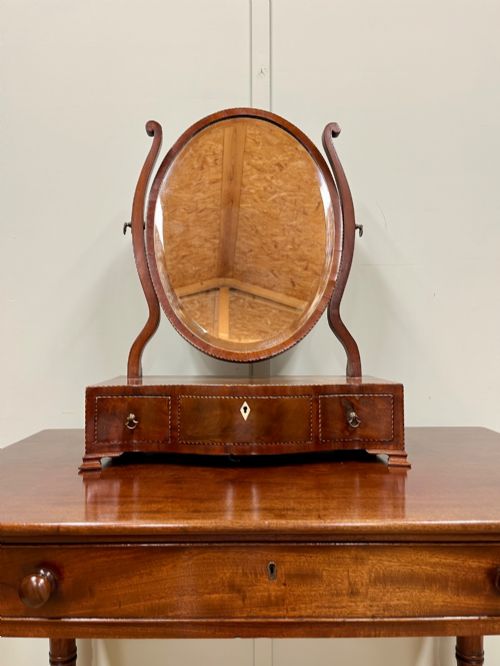
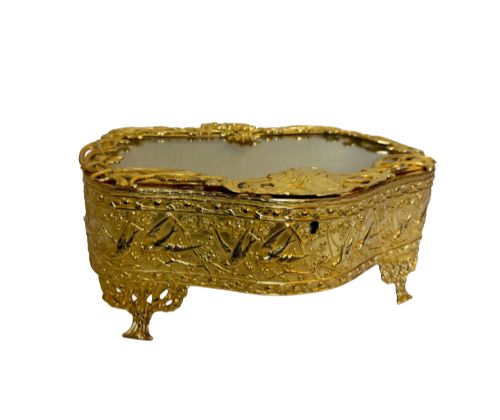
Makers produced these pieces across various eras, yielding forms from Georgian walnut mirrors to Art Deco cut glass jars and Victorian scent caskets. Buyers encounter receptacles mounted in sterling silver, brass and ormolu, often paired with enamel or velvet linings.
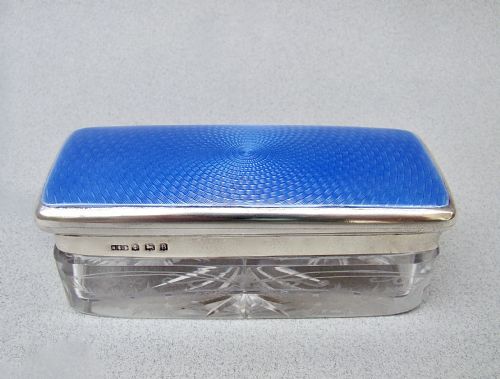
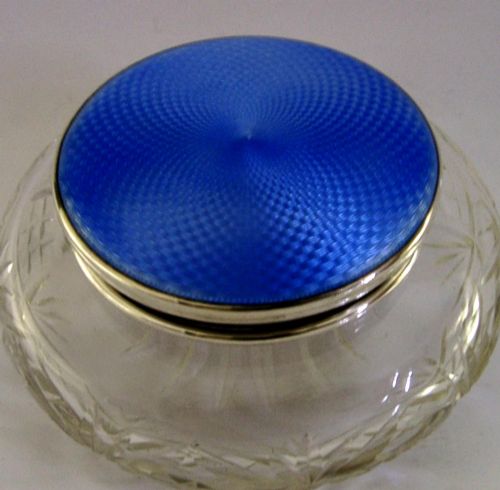
The materials reflect the prevailing tastes of their periods, moving from early mahogany-framed dressing mirrors to twentieth-century coloured glass and guilloche enamel vanity jars. Each piece served to organise personal adornments and cosmetics in private chambers.
Materials and Construction
Craftsmen shaped heavy crystal and cut glass to form the bodies of boxes and jars, frequently enhancing the surfaces with faceting or frosted finishes. These glass vessels were then fitted with hinged metal mounts in sterling silver, gilt bronze or brass.
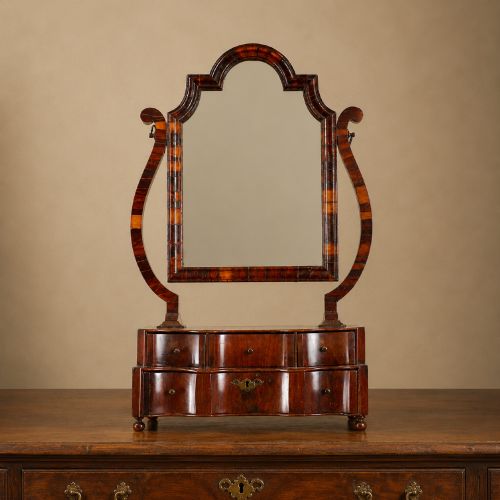
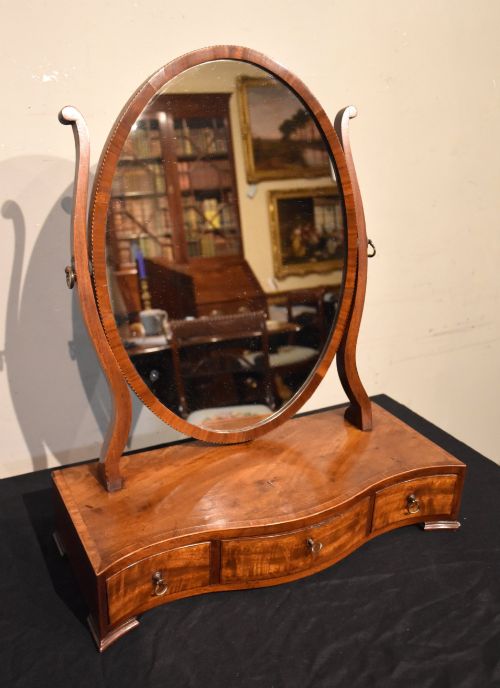
Woodwork played a central role in larger containers and associated dressing mirrors, utilising mahogany, walnut, burr walnut and rosewood. Joiners employed crossbanding and serpentine shaping to elevate the timber frames.
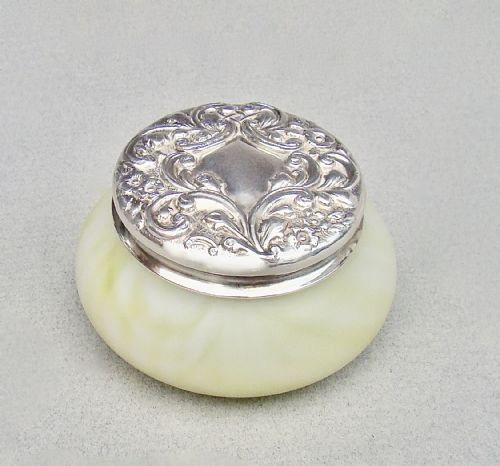
Detailing often included applied sterling silver lids, hand-painted enamel panels and velvet interiors, demonstrating the collaborative skill of glassblowers, silversmiths and cabinetmakers.
Listings feature dressing boxes and mirrors spanning the eighteenth, nineteenth, and early twentieth centuries, incorporating materials such as sterling silver, mahogany, cut glass, and enamel.
Distinctions in Quality
Quality rests upon the crispness of the glass cutting and the weight of the metal mounts, where heavier silver lids and substantial crystal bodies indicate superior production. Finer examples display precise hallmarks and unblemished enamel work without hairline fractures.
The execution of the joinery and timber selection defines the standard of associated wooden mirrors and boxes, with burr veneers and tight dovetailing marking the better workshop output. Integration between the glass vessel and its metal collar demonstrates the precision of the original maker.
A. J. Pepper & Co·Henry Clifford Davis·A. Bromet & Co·Rene Lalique·Asprey
The Antique Glass Dressing Box Glossary
- Guilloche enamel
- A decorative technique involving precise engine-turned patterns beneath a translucent coloured enamel coating. This method was widely utilised on early twentieth-century vanity jars and trinket boxes.
- Ormolu
- Gilded bronze mounts applied to the corners and frames of nineteenth-century decorative boxes. The finish provides a warm, metallic contrast to glass and polished wood.
- Cut glass
- Glassware shaped through abrasive wheel cutting to create deep facets that refract light. It forms the heavy, brilliant body of many Victorian and Edwardian dressing table pots.
- Crossbanding
- A decorative border of veneer laid around the edges of a wooden panel with the grain running perpendicular. It frequently appears on the frames of Georgian and Regency dressing mirrors.
- Sterling silver
- A silver alloy containing ninety-two point five percent pure silver by mass, standardly used for the lids and collars of quality dressing boxes. Hallmarks on these mounts reveal the assay office and year of creation.
Antique Glass Dressing Box: Frequently Asked Questions
What is an antique glass dressing box?
An antique glass dressing box is a lidded container or jar made to hold cosmetics, pins, or trinkets on a dressing table. They typically feature heavy glass or crystal bases paired with metal mounts.
These pieces were produced across the Victorian, Edwardian, and Art Deco periods, often matching larger travelling sets or dressing table mirror suites.
How do I date a silver and glass box?
Dating relies primarily on the assay hallmarks stamped into the sterling silver mounts. These marks identify the city of origin and the specific year of manufacture.
Stylistic cues such as Art Nouveau floral motifs or geometric Art Deco lines also help narrow down the production decade.
How were these boxes used originally?
Owners placed them on dressing tables to store powders, pins, rings, and small personal items used during daily grooming routines. Some smaller versions travelled inside leather cases as part of a gentleman or lady's portable toilet set.
The fitted interiors and secure lids kept delicate cosmetics and jewellery protected from dust and moisture.
How do I care for antique glass and silver?
Maintain the glass using a soft cloth and mild soapy water, avoiding harsh abrasives that might scratch the surface or damage enamel panels. Clean the metal mounts gently with a specialised cloth to preserve the historical patina without removing the silver layer.
Keep the items away from extreme temperature fluctuations to protect any internal velvet linings and glued joints.