


Antique Crystal Vanity Dish
An antique crystal vanity dish is a heavy-cut glass container for dressing table powders and pins that brings heavy sparkle to a modern surface.
Antique Crystal Vanity Dish
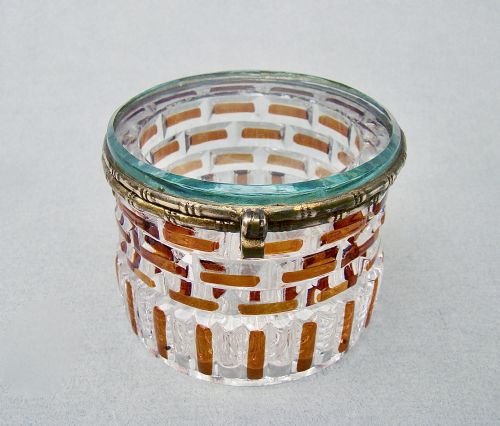
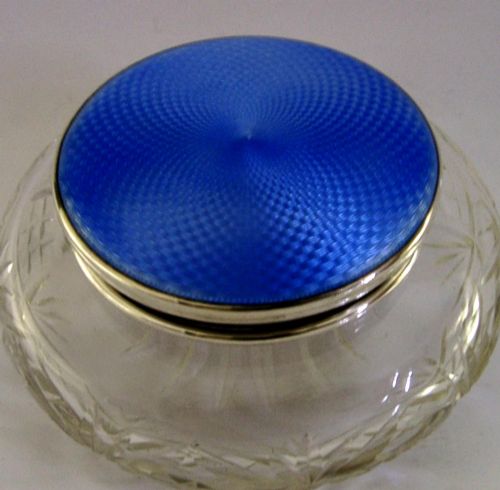
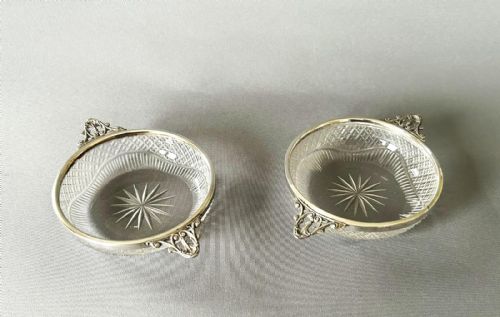
An antique crystal vanity dish sits on dressing tables and surfaces to hold small personal items, spanning trinket boxes, lidded jars, and pin dishes. These pieces emerge in styles from Victorian and Edwardian periods through to Art Deco and French Belle Epoque designs.
Most examples found here combine cut glass or lead crystal bodies with metal mounts, notably sterling silver, silver plate, or ormolu. Forms range from compact circular pin dishes to substantial lidded boxes mounted with enamel or gilt bronze.
The origins stretch across English, French, and German makers, with specific pieces attributed to notable names like René Lalique and Posen. Buyers encounter everything from simple glass dishes to heavily decorated boxes featuring hinged lids and coloured enamel.
How they were made
Glass bodies were formed using lead crystal or cut glass, shaped by blowing or moulding before craftsmen cut deep geometric and floral patterns across the surface to catch the light.
Metal mounts in sterling silver, silver plate, brass, and ormolu were cast and fitted to the rims and lids, sometimes accented with coloured enamel or hand-gilded details.
Listings feature items from the Victorian, Edwardian, and Art Deco periods, utilising lead crystal, sterling silver, enamel, and ormolu.
What varies in quality
The clarity and weight of the lead crystal establish the foundational quality, alongside the crispness and depth of the hand-cut facets. Thicker glass with sharp, clean facet lines reflects light with greater brilliance.
The material and execution of the metal mounts dictate the upper tier of these objects. Solid sterling silver, heavy ormolu castings, and detailed guilloche enamel work indicate superior craftsmanship compared to simpler silver-plated brass fittings.
René Lalique·Posen of Frankfurt·Hoffman
The Antique Crystal Vanity Dish Glossary
- Lead crystal
- Glass containing lead oxide that increases weight, clarity, and the ability to refract light into prismatic colours. This heavier material allows for deeper and sharper cutting.
- Ormolu
- Finely chopped gold cast and mercury-gilded onto a bronze base, creating a rich golden surface finish. It appears frequently on French decorative boxes.
- Guilloche
- An engine-turned mechanical engraving technique that etches precise, intricate geometric patterns into metal. Enamel is often layered over this engraved surface for added depth.
- Pin dish
- A shallow open vessel designed specifically to hold dress pins on a dressing table. They are typically smaller and lack the lids found on trinket boxes.
Antique Crystal Vanity Dish: Frequently Asked Questions
What were crystal vanity dishes used for?
These containers held small personal items on dressing tables, including hairpins, powder, trinkets, and cosmetics.
Their lidded forms kept contents dust-free while adding a decorative element to the bedroom.
How do I clean antique cut glass?
Wash the glass gently in warm, soapy water using a soft cloth, avoiding harsh abrasives that scratch the surface.
Keep metal mounts dry during cleaning to protect silver, enamel, and ormolu finishes from moisture damage.
How do I date an Art Deco piece?
Art Deco vanity items typically feature geometric shapes, stylised motifs, and contrasting materials like blue enamel paired with bright chrome or silver.
These designs generally date from the nineteen-twenties and nineteen-thirties, shifting away from earlier floral curves.
Are French and English boxes different?
French boxes often incorporate ornate ormolu mounts, heavy cut crystal, and rich amber or clear glass from makers like Baccarat.
English pieces frequently showcase sterling silver hallmarks alongside traditional Edwardian or Victorian cut glass.