




Edwardian Sterling Silver Lid
When you handle an edwardian sterling silver lid, you hold a piece of fitted metal made to seal glass jars, scent bottles, and trinket boxes from the turn of the twentieth century.
Edwardian Sterling Silver Lid
An edwardian sterling silver lid serves as the protective and decorative closure for vanity jars, scent bottles, inkwells, and trinket boxes produced around the opening of the twentieth century. These components appear both attached to their original glass or ceramic bodies and as standalone items surviving from dressing table sets.
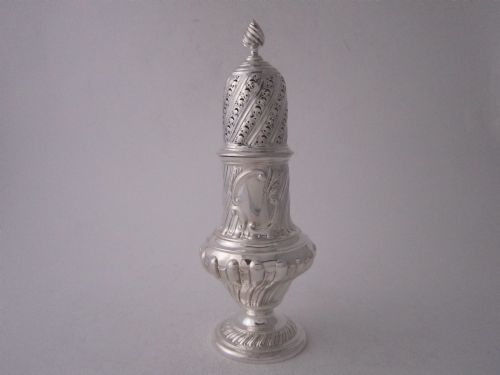
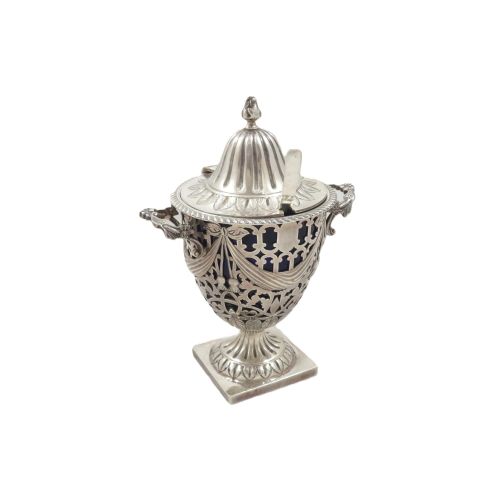
The majority of pieces encountered here date from the Edwardian period itself, with overlapping examples from late Victorian years and the early decades of the twentieth century. Formats range from simple circular caps to pierced or embossed covers designed for potpourri baskets and sugar boxes.
Makers utilised these silver tops to elevate everyday household containers, incorporating glass liners, crystal, and satin glass. Buyers searching this category frequently encounter vanity and barware items where the metal top forms the focal point of the design.
Materials and Construction
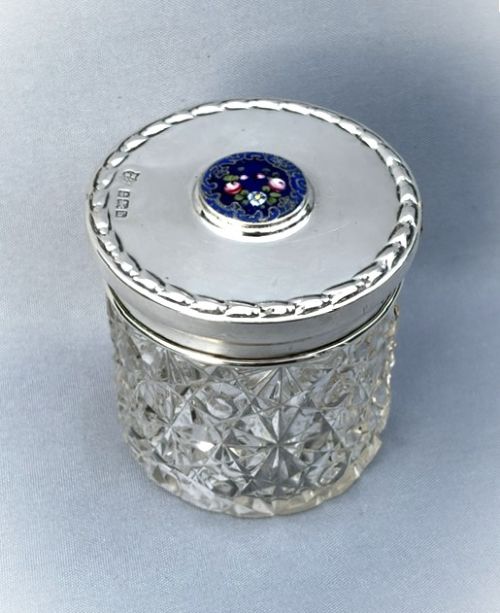
Makers formed these lids primarily from sterling silver, often pairing the metal with cut glass, crystal, or coloured glass vessels. Artisans also incorporated organic decorative elements such as tortoiseshell, mother of pearl, and enamel directly into the upper surface of the silver frame.
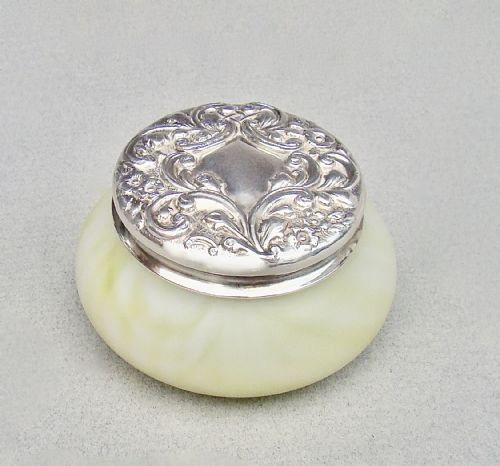
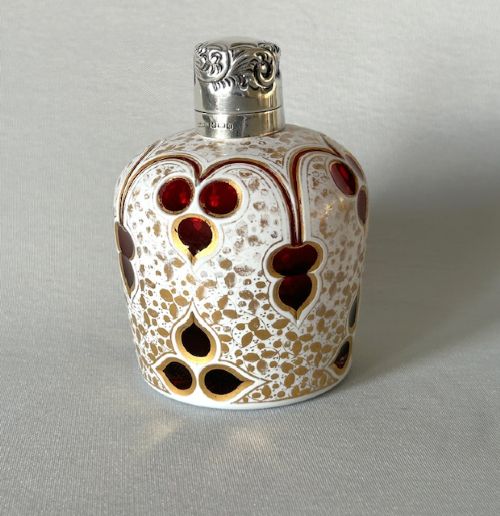
Techniques relied upon stamping, piercing, and embossing to create relief patterns, ranging from floral Art Nouveau motifs to geometric Art Deco styles. Smiths frequently worked with materials like satin glass and cranberry glass, mounting silver collars and screw-on or push-fit lids securely to the glass rims.
Listings feature periods spanning from the Victorian era through the Edwardian years into the 1920s, utilising sterling silver, glass, enamel, and tortoiseshell.
Evaluating Quality and Craftsmanship
Quality rests in the weight of the metal and the crispness of the chased or pierced decoration rather than the mere presence of a hallmark. Finer examples display detailed hand-worked engraving and seamless integration with materials like tortoiseshell or enamel.
The precision of the fit between the lid and its original container indicates the standard of production. Top-tier pieces maintain their structural integrity across hinges and pierced grilles, whereas lower tiers show distortion or replacement parts.
A. Bromet & Co·Hasset & Harper·Hukin & Heath·Omar Ramsden·Heath and Middleton
The Edwardian Sterling Silver Lid Glossary
- Sterling silver
- A silver alloy containing 92.5 percent pure silver by mass and 7.5 percent other metals, usually copper. This standard composition forms the basis of British hallmarked plate and container lids from the period.
- Hallmark
- An official stamp applied by an assay office to indicate the purity of the metal, the maker, and the year of production. These marks allow collectors to date the silver top precisely.
- Trinket box
- A small container designed for holding jewellery or small personal accessories, frequently topped with a decorative silver lid. They appear in glass, ceramic, and plain metal formats.
- Whisky noggin
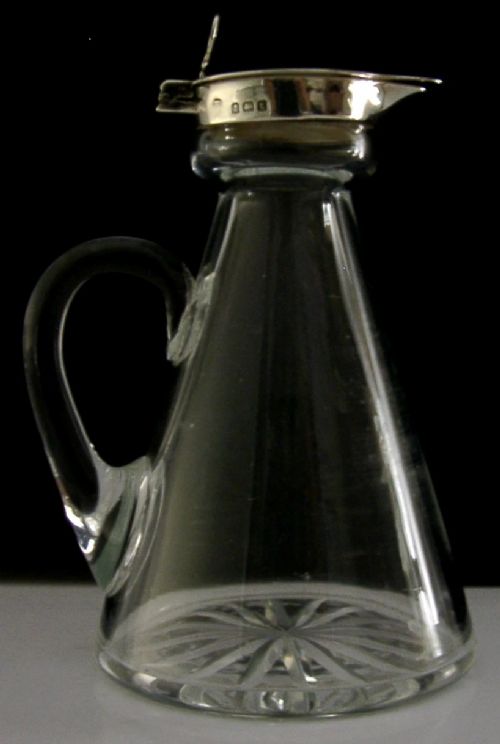
- A small vessel used for serving spirits, typically featuring a star-cut glass base and a hinged or loose sterling silver lid. They are a common form of Edwardian barware.
- Satin glass
- Glass treated with an acid dip to produce a velvety, matte finish. It often serves as the body beneath an edwardian sterling silver lid.
Edwardian Sterling Silver Lid: Frequently Asked Questions
How do I date a silver lid?
Dating relies upon reading the assay office marks, date letters, and maker's stamps struck directly into the silver surface. These official symbols reveal the exact year the item was tested and certified.
Matching the style of decoration, such as Art Nouveau floral motifs or early twentieth-century geometric lines, provides a secondary confirmation of the period.
Are these lids usually sold with containers?
Some pieces survive as complete sets featuring original glass jars, scent bottles, or inkwells with their matching silver caps intact. Other listings offer the components individually as replacement tops or cabinet specimens.
Buyers should examine the fit between the metal and the glass body to determine if they originated together.
What materials accompany the silver?
Makers frequently combined sterling silver with cut glass, crystal, and coloured glass vessels such as cranberry and satin glass. Additional decorative elements like enamel, tortoiseshell, and mother of pearl appear inset into the upper panels of the covers.
These mixed media combinations were especially popular on dressing table accessories and vanity items.
How should I clean antique silver lids?
Care requires a soft microfibre cloth and minimal use of non-abrasive silver polish to preserve the original hallmarks and surface detail. Avoid harsh chemical dips that strip the natural patination built up over a century.
If the lid incorporates enamel, tortoiseshell, or mother of pearl, keep moisture away from the inset panels during cleaning.