


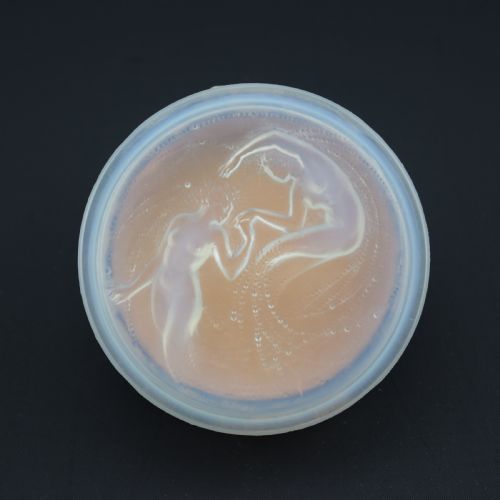

Antique French Dressing Box
An antique french dressing box gathers the small treasures of the toilette, combining polished glass, fitted metalwork and personal care.
Antique French Dressing Box
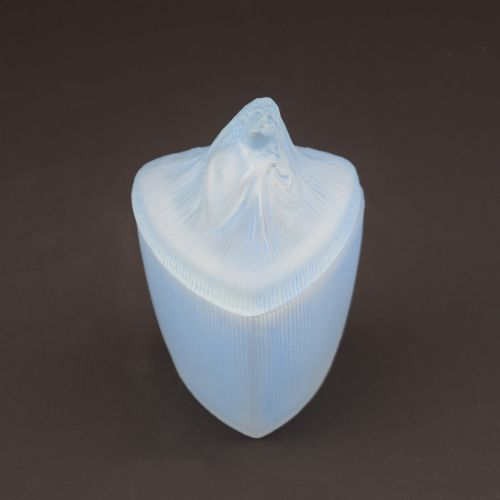
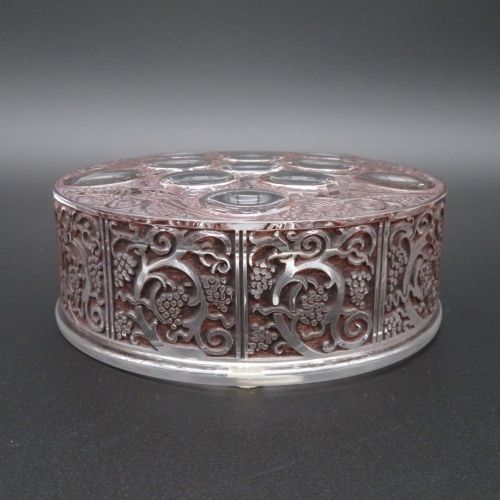
The antique french dressing box category covers a diverse range of containers designed for the boudoir, from powder jars and crystal flasks to fitted caskets and miniature chests. These pieces originate from various periods including the nineteenth century, Victorian era, and twentieth century movements like Art Deco and Art Nouveau.
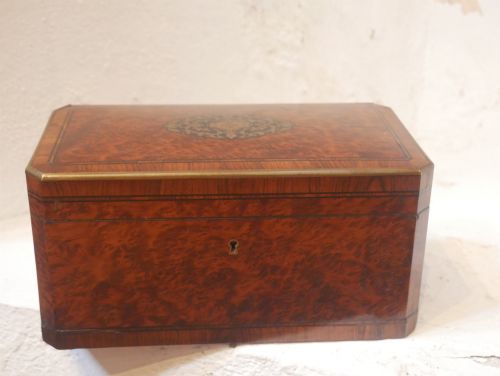
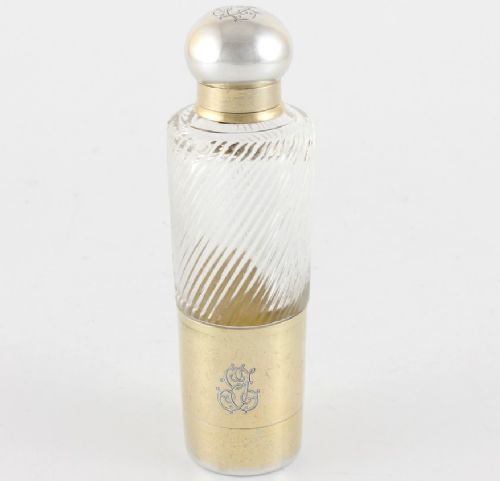
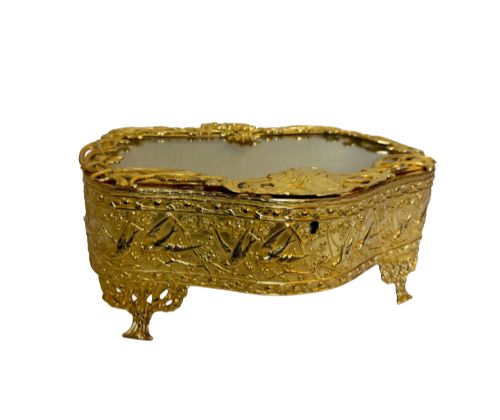
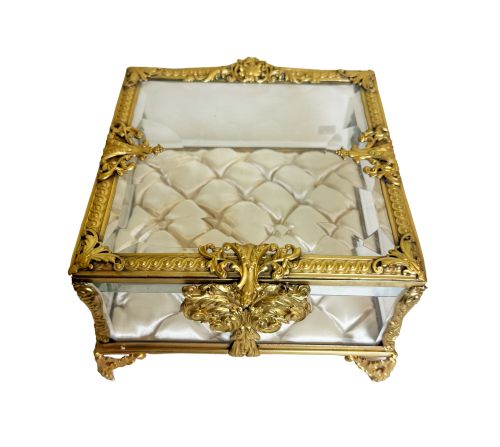
Buyers will encounter multiple forms on this page, including trinket boxes, perfume bottles housed in caskets, and jewellery boxes framed in gilt bronze. Materials range from clear and frosted glass to brass, enamel, silk, and exotic woods such as amboyna and rosewood.
Origins trace back to French ateliers and makers working across the nineteenth and early twentieth centuries, producing items intended for daily use on the dressing table. Many surviving examples retain their internal compartments, glass inserts, or original scent bottles.
Materials and construction methods
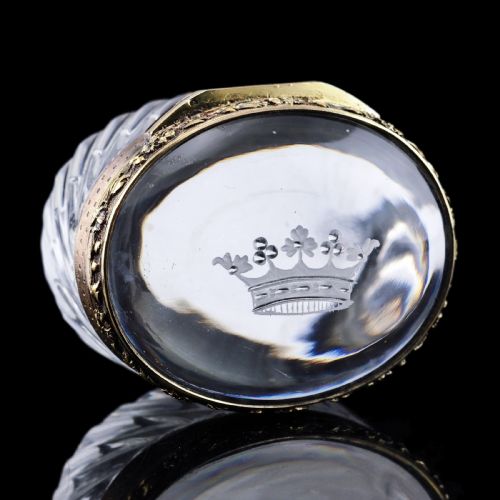
Makers combined heavy crystal and glass with cast mounts in brass, bronze, and silver gilt to create rigid, protective frames for delicate contents. Enamel work, guilloche patterns, and inset stones frequently decorate the metal closures and lids.
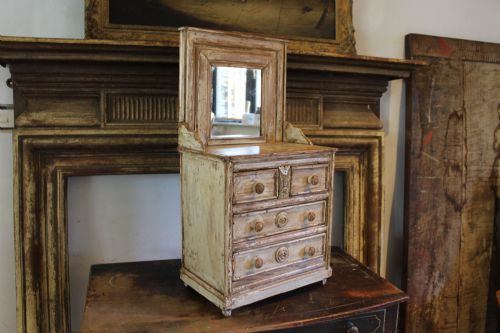
Wood carcasses utilised satinwood, amboyna, and rosewood, often enhanced with brass inlay or Boulle technique, while textile elements like silk provided interior lining for jewellery and trinkets.
Several boxes were originally designed to hold everything from mysterious pills to a half-doll ceramic torso.
Factors determining quality
Quality rests on the precision of the metal mounts, the clarity and cut of the glass or crystal, and the crispness of chased or enameled details. Superior examples display seamless integration between the housing and the internal fittings.
The presence of fully intact sets, such as matching perfume bottles within a fitted casket or original maker signatures on glass and metalwork, elevates the standing of an individual piece.
Tahan Paris·Tonnel Paris·Rene Lalique·Lund Of Cornhill
The Antique French Dressing Box Glossary
- Boulle
- A form of marquetry utilising brass and tortoiseshell inlaid into wood, named after the cabinetmaker André-Charles Boulle.
- Guilloche
- A decorative engraving technique producing intricate, repetitive geometric patterns beneath a translucent layer of enamel.
- Champlevé
- An enamel technique where troughs or cells are sunk into a metal surface and filled with vitreous enamel before firing.
- Silver Gilt
- Silver object coated with a thin layer of gold over its surface, often termed vermeil.
- Clichy Glass
- Nineteenth-century glassware produced by the glassworks in Clichy, known for distinctive colours and millefiori work.
Antique French Dressing Box: Frequently Asked Questions
What fits inside an antique french dressing box?
These boxes housed various personal items including loose powder, pills, rings, brooches, and matched glass scent bottles.
Fitted interiors often included dedicated sections for specific tools used during the Victorian and Edwardian morning routine.
How do I date an antique french dressing box?
Dating relies on stylistic markers such as Art Deco geometric lines, Art Nouveau organic curves, or nineteenth-century bronze casting styles.
Signatures, maker marks on metal mounts, and the specific type of glass or crystal also help narrow the period.
Are scent bottles usually original to the box?
Many surviving caskets retain their original matched set of glass or crystal perfume bottles, often nestled in fitted velvet or silk platforms.
Replacements do occur over time, so checking whether the stoppers and bottle bases match the interior contours is essential.
How should I clean glass and metal parts?
Glass components benefit from gentle washing with lukewarm water and mild soap, avoiding harsh abrasives that might damage surface gilding.
Metal mounts require careful dusting with a soft cloth to preserve patination without disturbing delicate enamel or inset stones.