
Antique Glass Display
An antique glass display brings historical elegance into a room while keeping treasured collections visible and protected.
Antique Glass Display
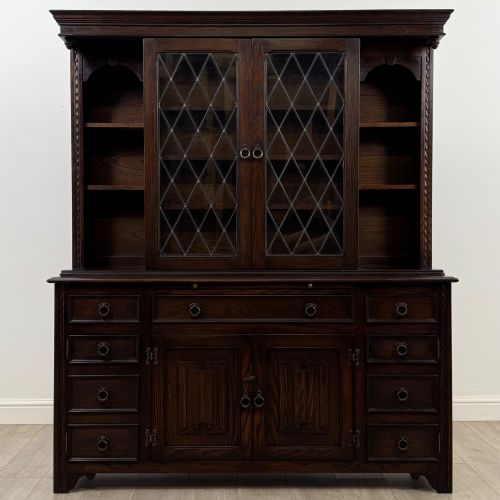
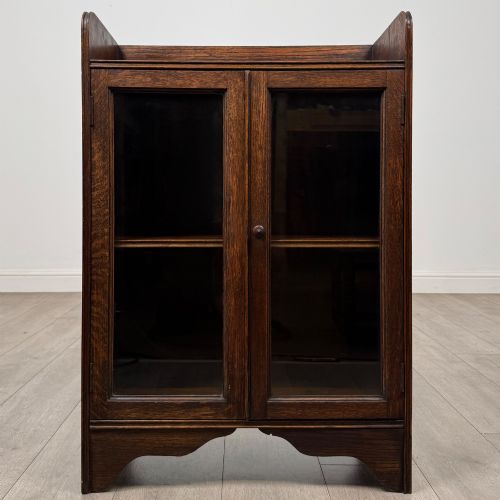
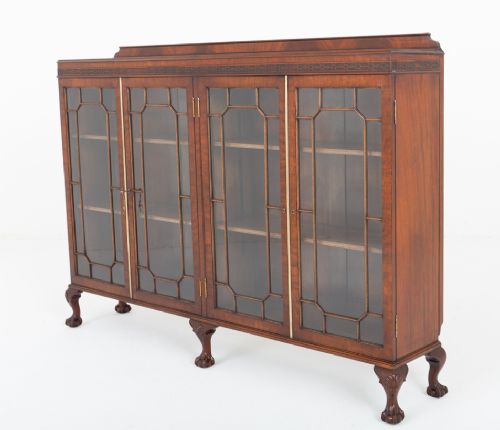
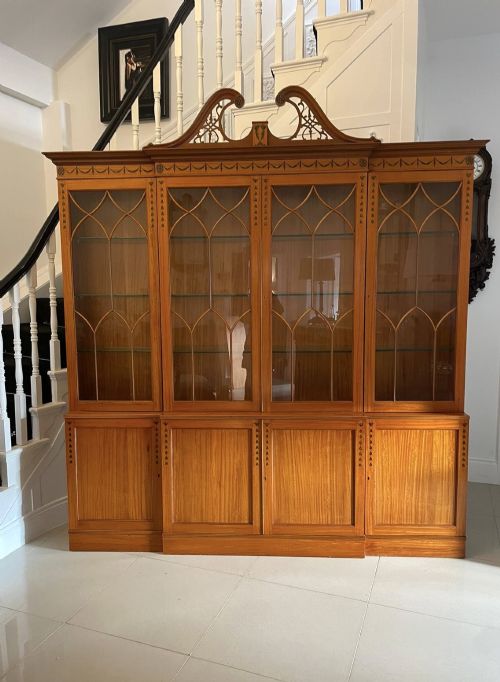
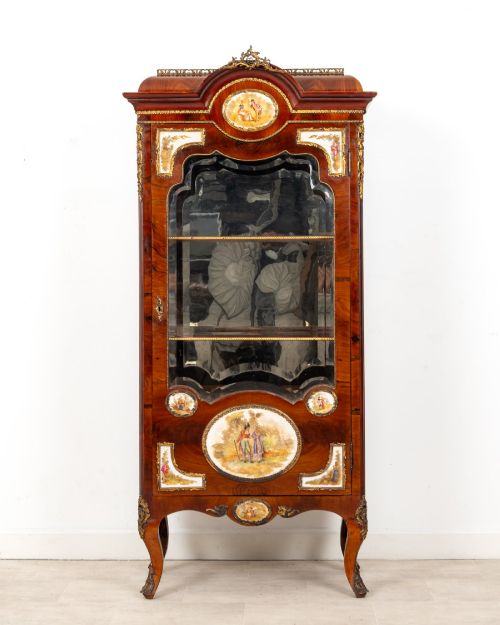
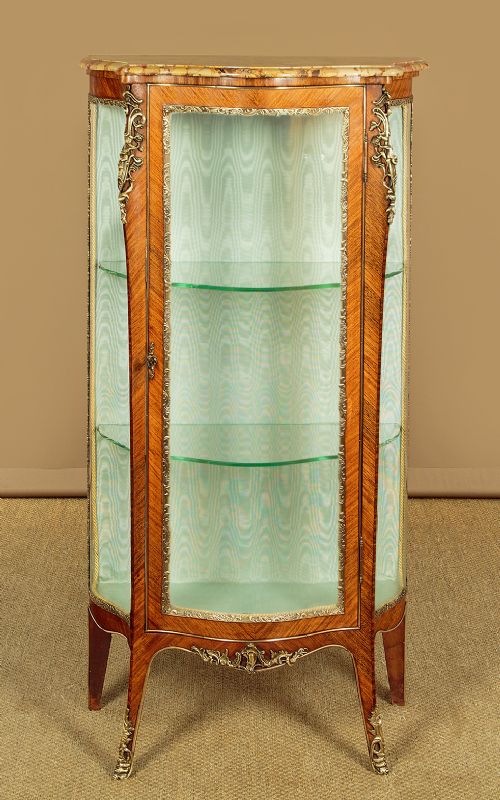
When browsing for an antique glass display, you encounter a wide variety of furniture built to showcase precious objects.
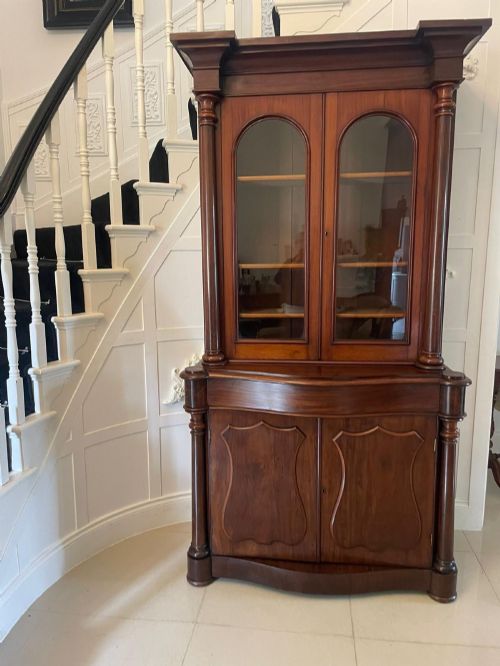
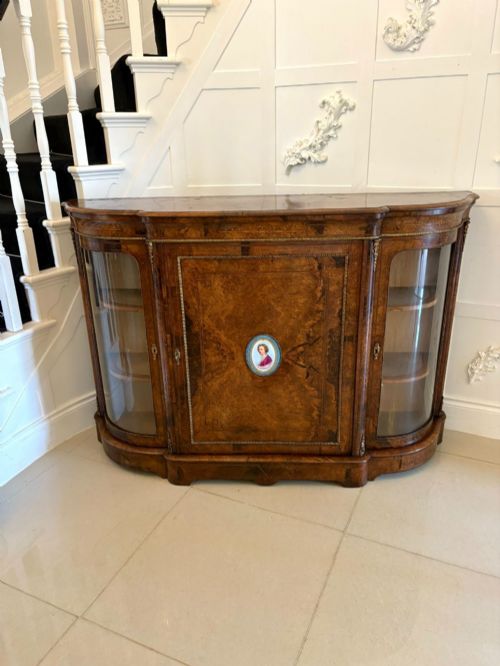
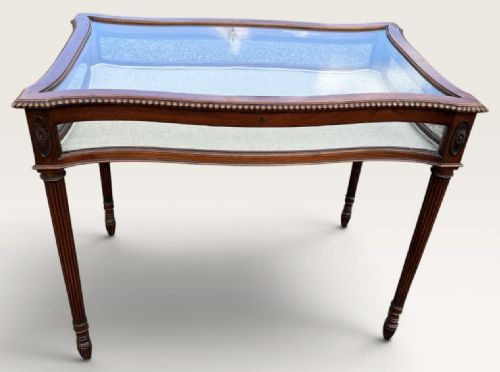
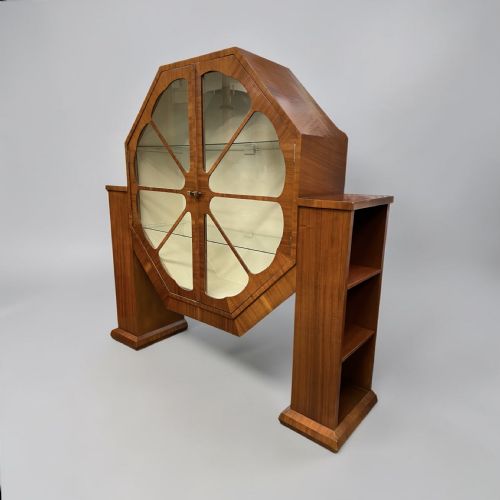
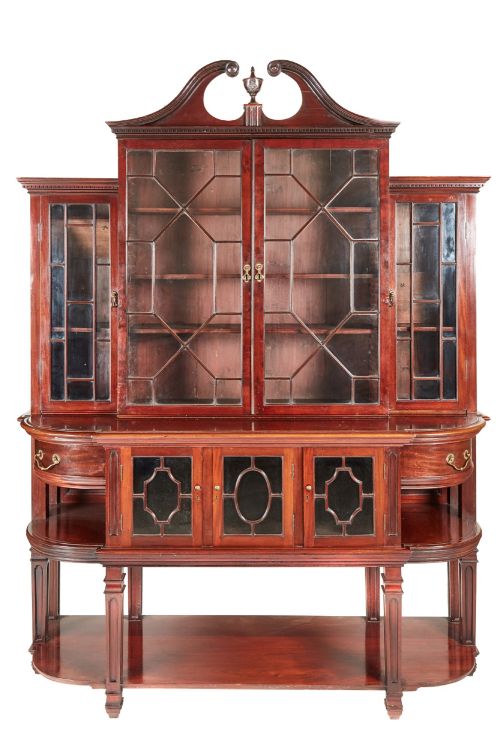
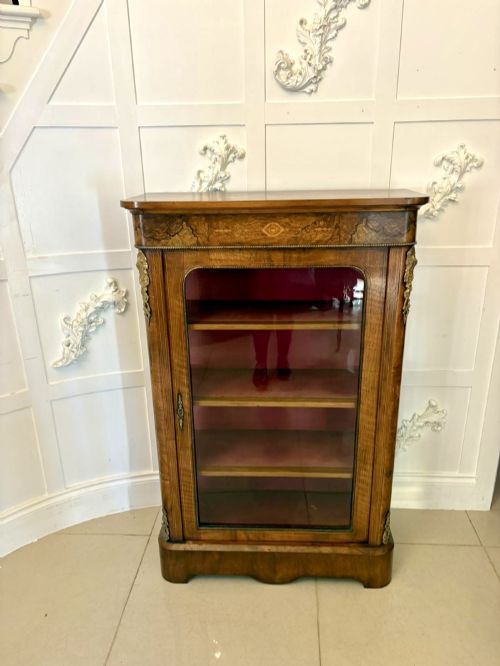
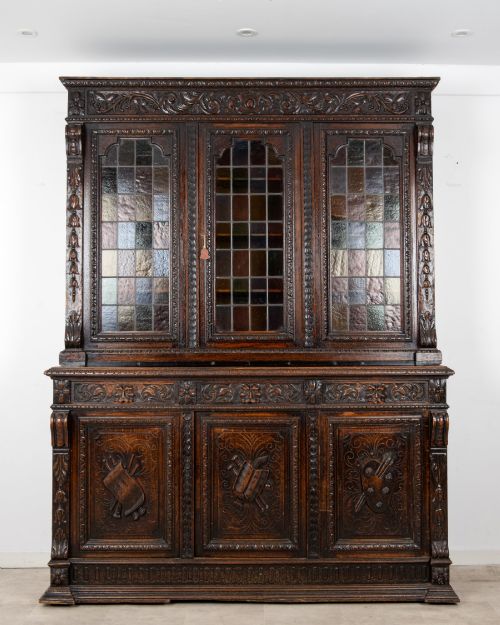
The selection ranges from tall mahogany breakfront bookcases and inlaid burr walnut credenzas to delicate tabletop vitrines and shop counters.
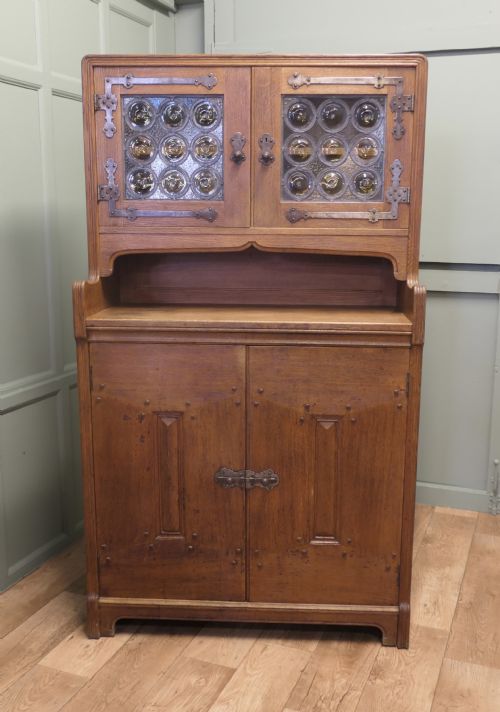
Edwardian and Victorian iterations dominate the selection, often utilising rich timbers like satinwood and oak alongside specialised glazing.
How they were made
Cabinetmakers constructed these pieces using solid and veneered hardwoods such as mahogany, walnut, and oak, frequently embellished with marquetry and brass or ormolu mounts.
Glazing techniques varied from simple leaded panes and astral bars to curved, bevelled, and stained glass designed to catch the light.
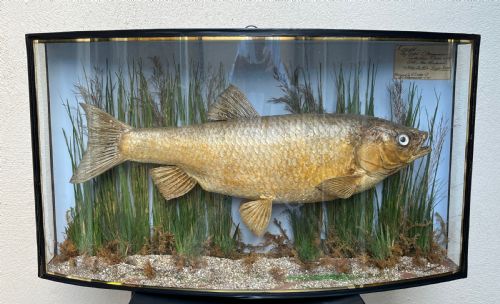
Specialised cases incorporated lead sealing for taxidermy domes or heavy bronze framing for commercial shopfitters.
Preserved roach and little owls share the archive with grand mahogany bookcases.
What varies in quality
The distinction between standard utility items and superior examples lies in the selection of figured timbers and the precision of the joinery.
Fine pieces feature hand-painted decoration, elaborate inlay work, and original curved or bevelled glass panels rather than plain flat panes.
The reputation of the workshop or retailer, such as Liberty or F. Sage & Co, also elevates the standing of a cabinet.
Little and Co·Liberty·F Sage and Co·Gabriel Viardot·Davis and Co Bristol
The Antique Glass Display Glossary
- Vitrine
- A glass-fronted cabinet designed specifically for displaying fine porcelain, curiosities, or small objects of art. These pieces often feature glass on the sides as well as the doors to maximise illumination.
- Bijouterie table
- A low display table with a glazed top and sides, created for showing jewellery, medals, and small collectibles at waist height. They frequently stand on slender cabriole or tapered legs.
- Astral glazed
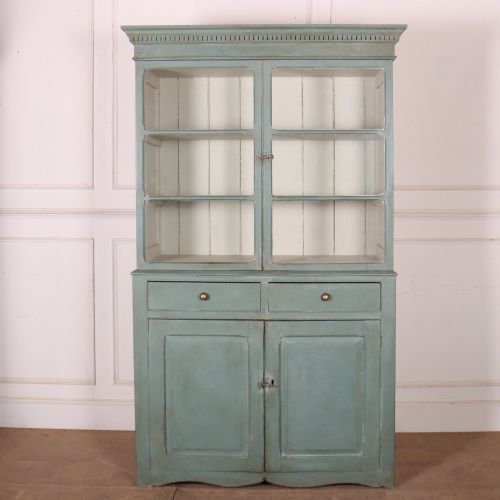
- A term describing cabinet doors divided into smaller glass panes by thin wooden framework called glazing bars. This geometric arrangement provides structural support while framing the contents.
- Pier cabinet
- A low freestanding cabinet intended to fit into the wall space between windows. These Victorian items often incorporate mirrored backs and velvet-lined shelves.
- Display dome
- A blown glass cover mounted on a wooden or leather base, utilised historically to preserve and display taxidermy specimens or delicate botanical models.
Antique Glass Display: Frequently Asked Questions
What fits inside an antique glass display?
These cabinets suit porcelain collections, books, silver, and small curiosities, depending on whether you choose a tall bookcase or a low tabletop vitrine.
Interior shelving depth and glass protection dictate how delicate or bulky your displayed items can be.
How do I care for antique glass?
Clean the glass panels gently with a mild cleaner applied to a cloth rather than sprayed directly, preventing moisture from seeping into aged wooden frames.
Old glass can be brittle, so avoid heavy pressure against bevelled edges and leaded joints.
Where should I place a vitrine?
Position your cabinet away from direct sunlight to protect interior wood finishes, fabric linings, and sensitive collectibles from fading.
Ensure the floor is level, particularly with tall breakfront or credenza styles, to keep the doors hanging true.
How do I date a glass cabinet?
Examine the timber species, handle styles, and construction methods, as Victorian pieces often feature heavy mahogany and walnut while Edwardian examples favour lighter satinwood and simpler lines.
The presence of original hand-blown or cylinder glass panes also offers clues to the era of manufacture.