

Antique French Ornaments
These antique french ornaments combine sculptural mastery with decorative flair, offering collectors a tangible piece of European history.
Antique French Ornaments
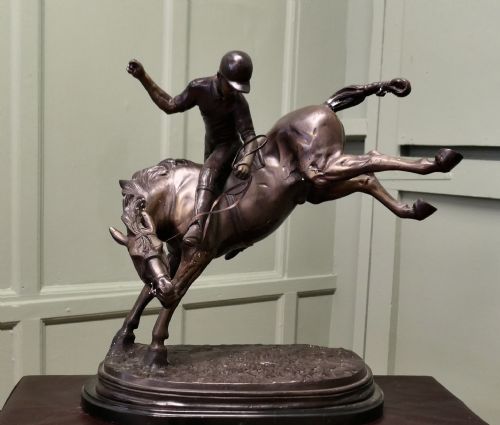
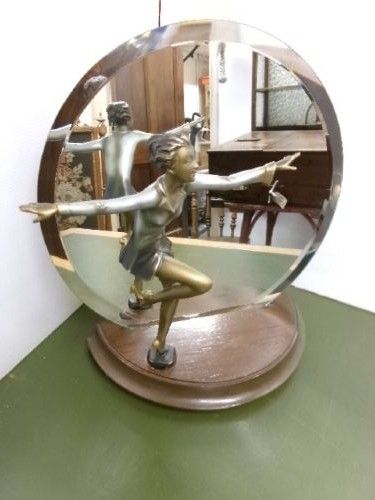
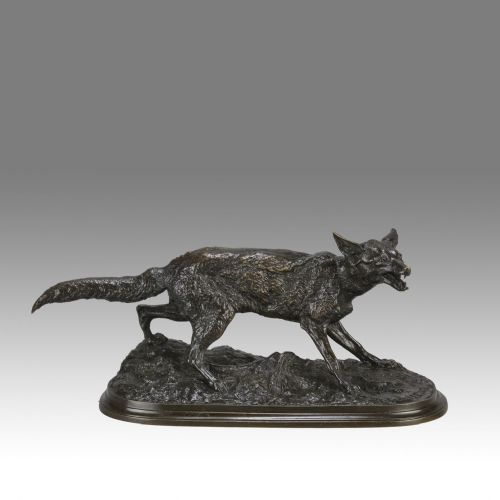
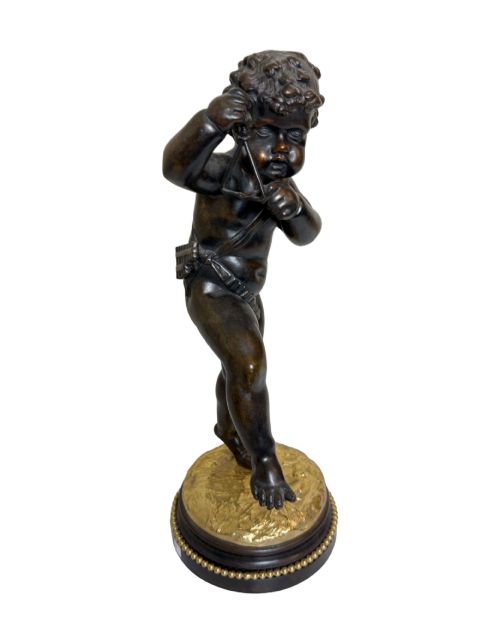
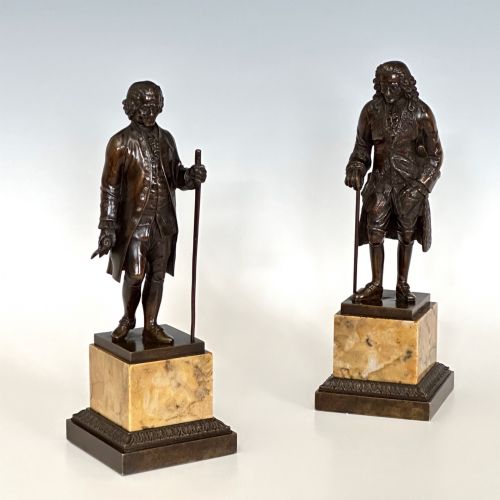
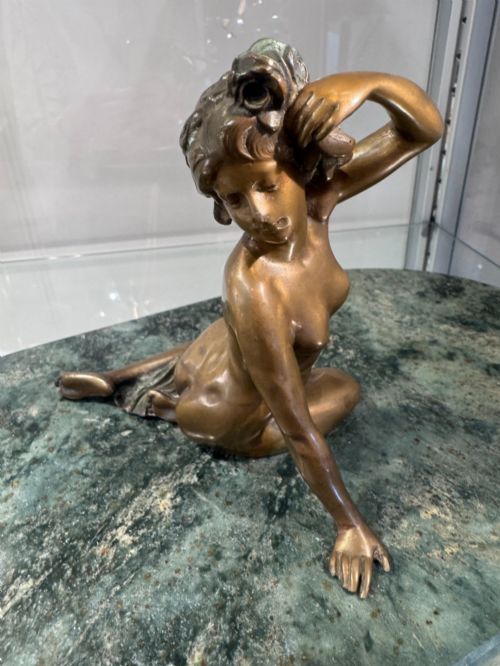
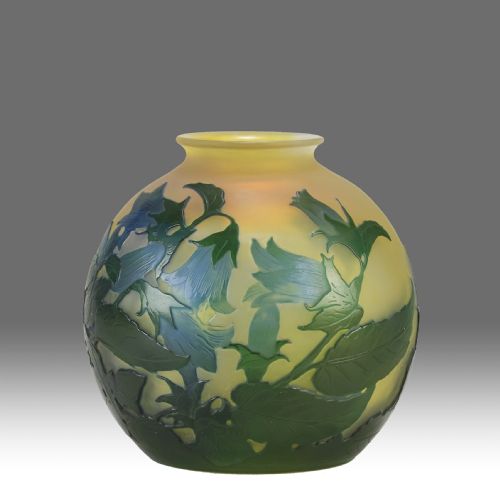
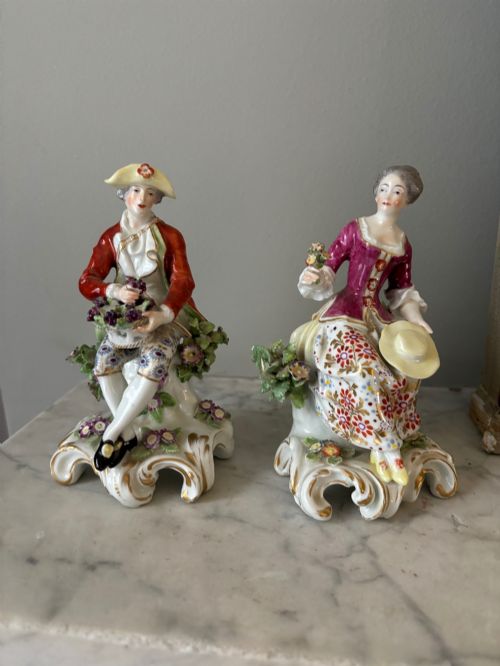
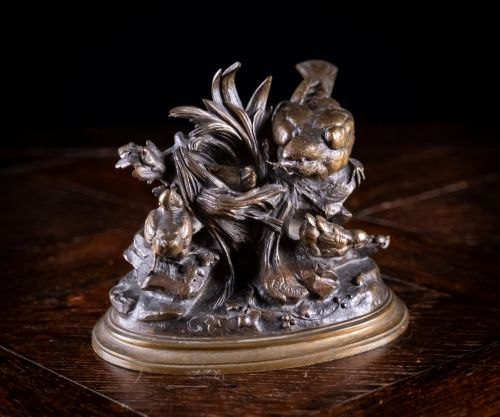
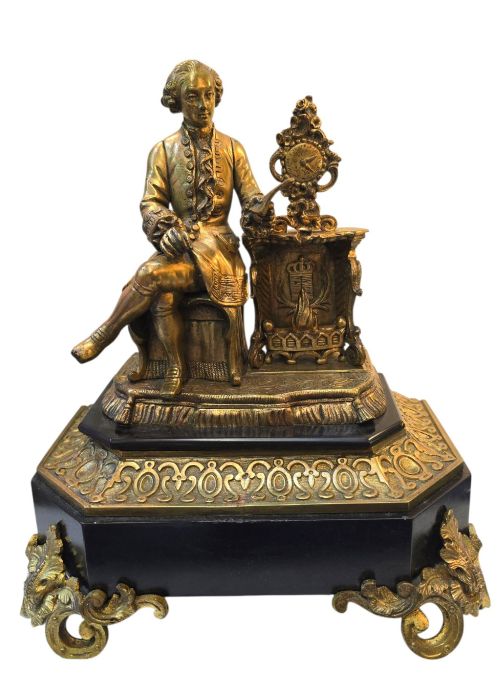
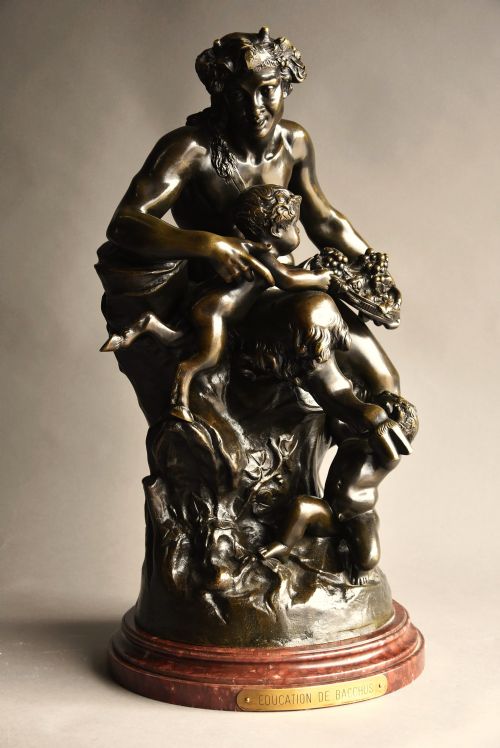
Antique french ornaments encompass a wide array of decorative objects, from bronze animalier figures and marble-based sculptures to delicate cameo glass vases and earthenware figurines. Buyers searching this phrase most frequently encounter nineteenth-century bronzes, neoclassical tazzas, and art deco glass pieces produced across various French workshops.
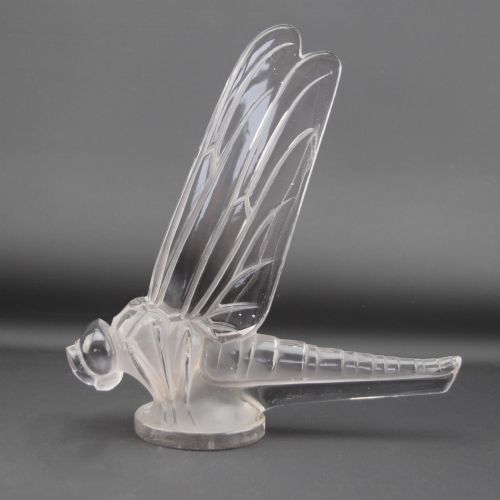
The selection spans numerous aesthetic movements, including rococo revival, art nouveau, and the restrained symmetry of neoclassical design. These items served both utilitarian roles, such as inkwells and car mascots, and purely decorative functions as mantel ornaments or cabinet display pieces.
Origins trace directly to Parisian foundries and provincial studios operating from the nineteenth century into the mid-twentieth century. Collectors encounter both signed works by known sculptors and unmarked decorative objects that demonstrate the same material proficiency.
Materials and Technique
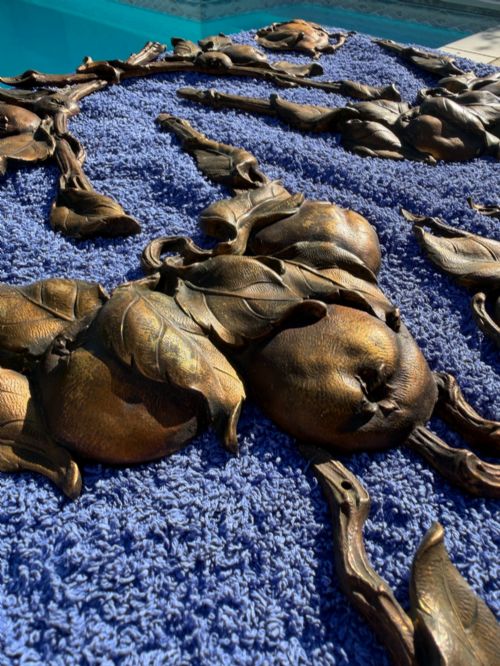
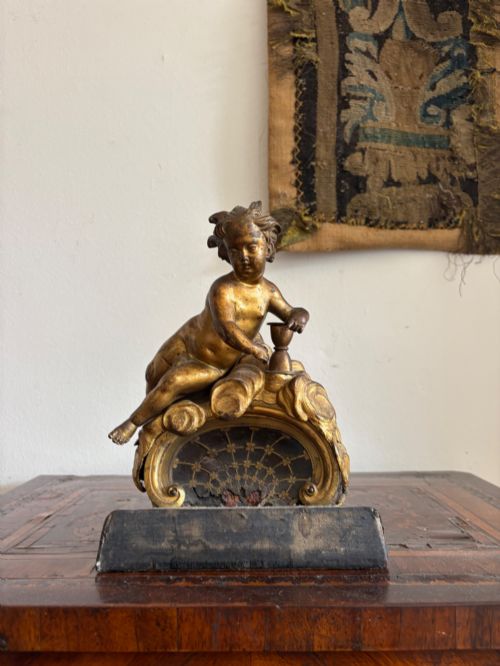
Foundries utilised traditional lost-wax casting and sand-casting methods to shape bronze, ormolu, and spelter into complex figural compositions. These metal components frequently underwent patination or gilding to achieve specific tonal depths.
Craftsmen paired cast metals with carved bases of marble, onyx, or Siena marble, anchoring heavy sculptures securely. Glass works relied on mould-blowing, acid-etching, and cameo techniques to layer colours and create textured relief patterns.
Ceramic pieces combined moulded earthenware or faience with hand-painted enamel and glaze details. Artisans assembled multi-part ornaments using threaded mounts and pins, integrating stone, metal, and glass within a single decorative object.
Several Victorian bronze animals appear locked in combat, proving that even desk inkwells required a dramatic narrative.
Evaluating Quality and Execution
The integration between the primary sculpture and its material base indicates the overall standard of manufacture. High-grade works feature dense marble or onyx bases fitted precisely to the metal underside without excessive adhesive or play.
Surface finish and patination depth dictate visual longevity. Original patinas applied with chemical treatments show subtle tonal shifts, whereas secondary paint applications mask the underlying metal grain and reduce historical fidelity.
Poix Blin·P J Mêne·Emile Gallé·Moreau Family·Rene Lalique·Claude Michel Clodian·Émile Louis Picault·Christophe Fratin·Emile Carlier·Antoine Louis Barye·Alfred Barye·Dora Heber·Aurore Onu
The Antique French Ornaments Glossary
- Animalier
- A nineteenth-century artistic movement focused on the realistic depiction of animals, particularly predators, horses, and domestic pets. Sculptors in this genre studied anatomy extensively at menageries.
- Ormolu
- Gilt bronze produced by applying a high-carat gold-mercury amalgam to a bronze base object. This laborious technique yielded a rich, enduring golden surface finish.
- Spelter
- A zinc alloy frequently utilised as a cost-effective alternative to bronze during the late nineteenth and early twentieth centuries. It often received bronze-tone painting to imitate heavier metal.
- Cameo Glass
- An art glass technique involving the etching and carving of multiple fused layers of different coloured glass. This process creates high-relief designs reminiscent of carved stone cameos.
- Tazza
- An ornate shallow cup or vase set upon a raised pedestal stem and foot. These decorative vessels were typically fashioned from bronze, marble, or ceramic materials.
Antique French Ornaments: Frequently Asked Questions
What materials are most common?
Bronze, marble, and gilt metal dominate the earlier nineteenth-century domestic ornaments.
Later pieces incorporate frosted glass, earthenware, and nickel alloys reflecting twentieth-century tastes.
How do I clean bronze?
Dust gently with a dry, soft-bristled brush to remove surface particulate matter.
Avoid commercial polishes and abrasive cleaners that strip historical patination.
Were these signed?
Many sculptural pieces bear cast signatures, foundry stamps, or artist ciphers directly on the base.
Decorative vessels and utilitarian items frequently rely on paper labels, etched marks, or remain unsigned.
How do I distinguish spelter?
Spelter is significantly lighter than bronze and exhibits a softer surface structure under magnification.
Chipped areas often reveal a dull grey metal beneath the surface patination.