


French Rococo Decor
French rococo decor brings exuberant curves, naturalistic leaf motifs and asymmetrical scrollwork into domestic interiors through gilded metalwork and oil paintings.
French Rococo Decor
French rococo decor encompasses domestic metalwork, fireplace furnishings and fine art paintings originating primarily from the eighteenth and nineteenth centuries. These pieces translate the theatrical aesthetic of the Louis XV period into functional items for the home, including chenets, candlesticks, console mirrors and oil on canvas paintings.
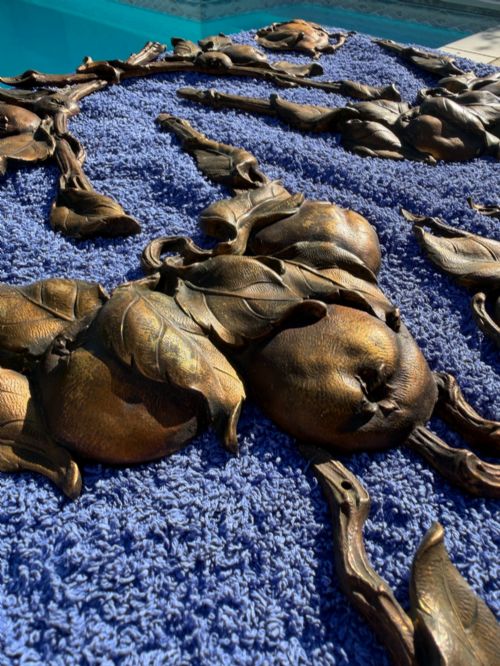
The versions most commonly met on this page are nineteenth-century revival pieces cast in bronze and ormolu alongside eighteenth-century works. Fireplace accessories such as fire dogs and extending brass fenders appear frequently, often decorated with putti, leaves and scrolling motifs.
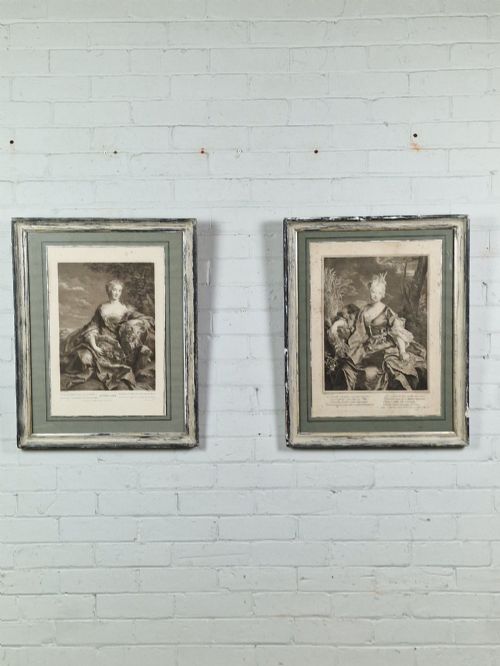
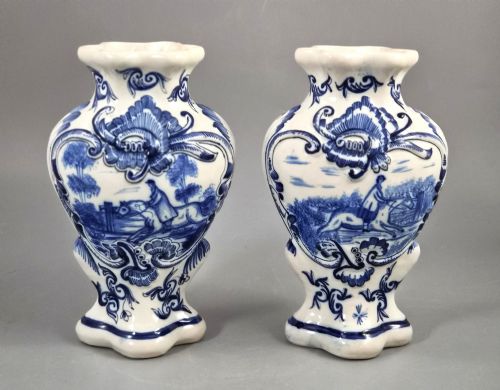
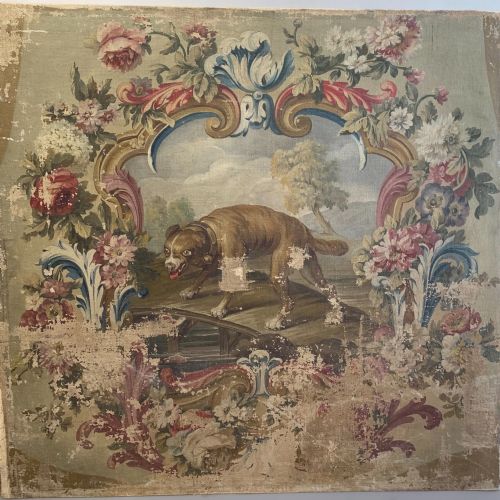
Buyers also encounter fine art prints, oil paintings on canvas and faience ceramics alongside gilded wood appliques and console tables. Each object relies on curved lines and naturalistic ornamentation to create a sense of ornate movement.
Distinctions in quality
Quality in these items rests upon the crispness of the chasing in metalwork and the depth of the carving in gilded wood. Superior pieces exhibit sharp, deeply undercut foliage, scrolls and figures that retain their definition rather than appearing soft or smoothed over from worn moulds.
The weight and substantial nature of the bronze or brass castings also distinguish finer examples from lighter productions. Additionally, the subtlety of the gilding and the fidelity of the painted details on canvases and ceramics separate standard items from exceptional ones.
Listings feature items spanning the eighteenth, nineteenth and twentieth centuries, using gilt bronze, wood, canvas and glass.
Poix Blin·Fourmaintraux-Courquin·Nicolas Fouché
The French Rococo Decor Glossary
- Ormolu
- Gilded bronze applied to decorative hardware, furniture mounts and metal objects. The technique involves creating a mercury gilding on a bronze base to produce a bright golden finish.
- Chenet
- A metal fire dog used in pairs to support logs within a fireplace. These items often feature elaborate rococo scrolling and figural decoration facing outward into the room.
- Faience
- Tin-glazed earthenware produced in various European centres, particularly France. It provides a smooth white ground for hand-painted blue and polychrome designs.
- Applique
- A decorative wall bracket or sconce designed to hold candles or lights. They are typically carved from wood or cast in bronze and gilded.
- Garniture
- A set of matching ornamental vases or vessels designed to be displayed together on a mantelpiece or console. They are frequently cast in metal or formed from ceramics.
- Carton
- A full-scale preparatory design or drawing for a tapestry or painting. These works serve as a guide for weavers or artists executing the final piece.
French Rococo Decor: Frequently Asked Questions
What is French rococo decor?
French rococo decor encompasses decorative objects and furnishings inspired by the ornate, asymmetrical styles of the mid-eighteenth century. The pieces often feature curved lines, leaf motifs and naturalistic scrollwork.
Items range from cast bronze fireplace chenets and ormolu candlesticks to oil paintings and carved giltwood console mirrors. These decorative elements were designed to bring theatrical elegance and movement to domestic interiors.
How do I identify a revival piece?
Revival pieces from the nineteenth century often copy the forms and motifs of the eighteenth-century Louis XV period. Clues lie in the manufacturing techniques and the uniformity of the metal casting.
Examining the reverse sides and mounting hardware can reveal nineteenth-century assembly methods and screw types. The presence of nineteenth-century materials and patination styles helps distinguish these later interpretations from original eighteenth-century works.
How do I care for gilt bronze?
Gilt bronze and ormolu surfaces require gentle dusting with a soft, dry cloth to prevent the accumulation of abrasive particles. Harsh chemical cleaners must be avoided because they can strip the delicate gold leaf or mercury gilding.
Handling these objects with clean cotton gloves protects the metal from oils and moisture in human skin. Keeping them away from direct heat sources and excessive humidity preserves both the metal and any underlying base material.