


Decorative Ceramic Figurines
These decorative ceramic figurines capture centuries of sculpted character, bringing painted animals, human figures, and mythological subjects directly to the mantelpiece.
Decorative Ceramic Figurines
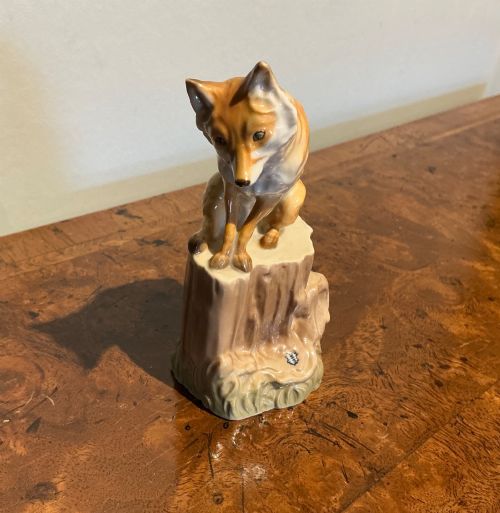
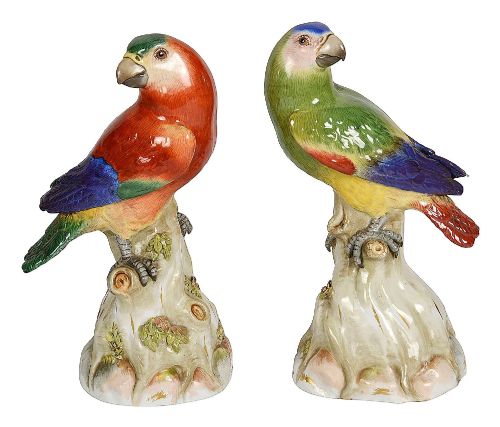
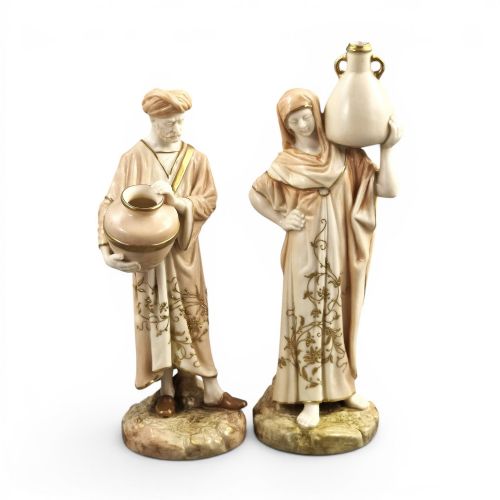
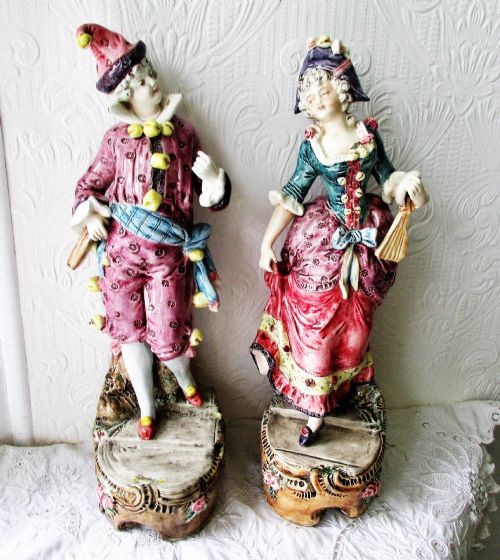
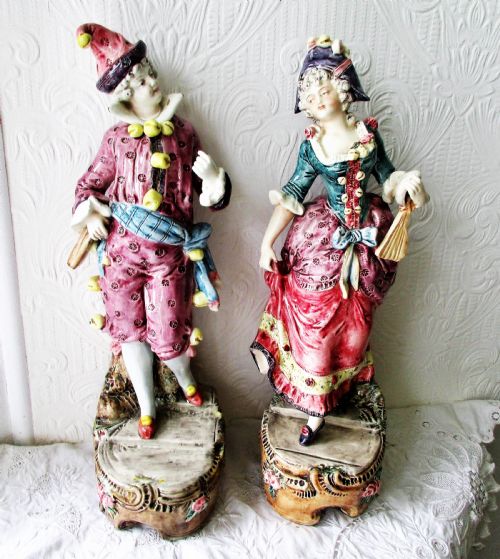
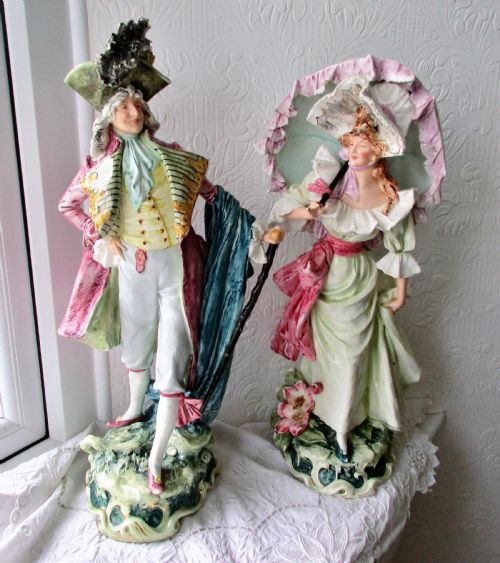
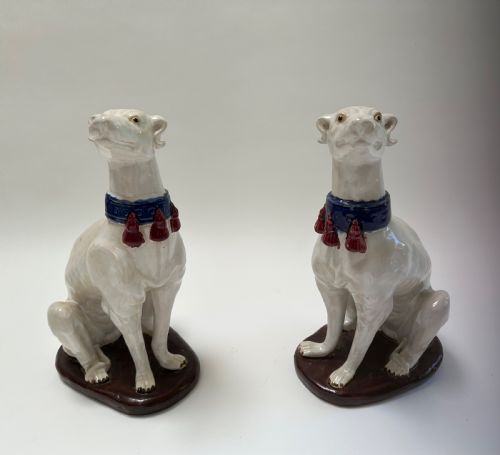
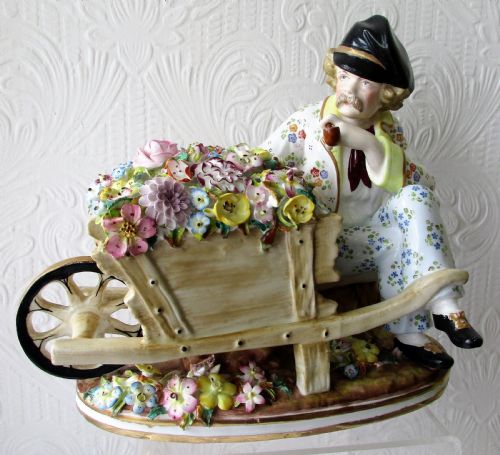
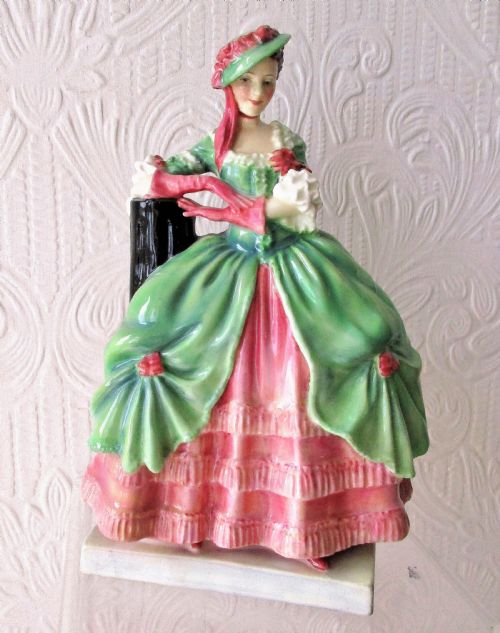
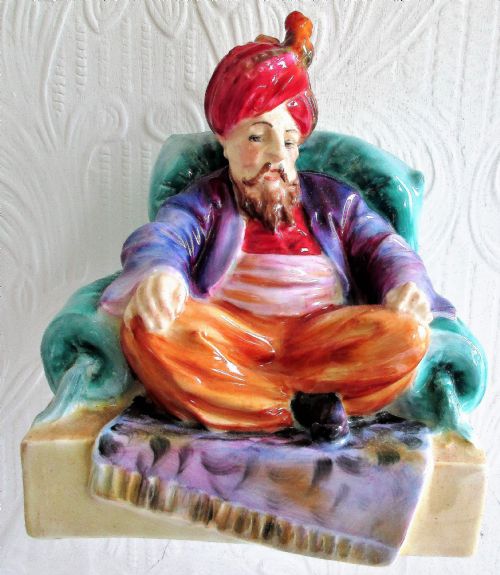
Decorative ceramic figurines encompass a wide range of sculpted subjects, from nineteenth-century European animals and human pairs to twentieth-century figures produced during the Art Deco period. Buyers seeking these pieces will encounter both single ornaments and matching pairs, often depicting birds, dogs, mythological characters, or historical figures.
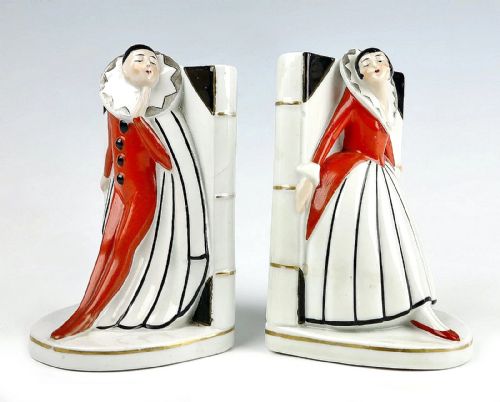
The selection on this page spans from late nineteenth-century Victorian works to pieces created in the nineteen-thirties. Forms vary considerably, taking the shape of standalone sculptures, bookends, lamp bases, and posy holders modelled with human or animal subjects.
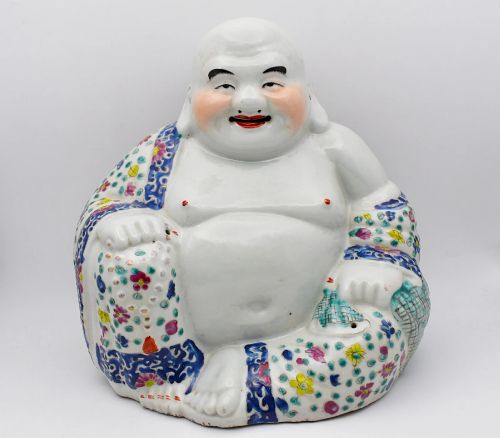
Origins stretch across European and Asian traditions, featuring German, French, and English porcelain alongside Japanese satsuma, Chinese famille rose, and Italian majolica. Nineteenth-century examples often lean towards classical or romantic subjects, while later twentieth-century creations adopt clean Art Deco lines or traditional Asian forms.
Materials and construction
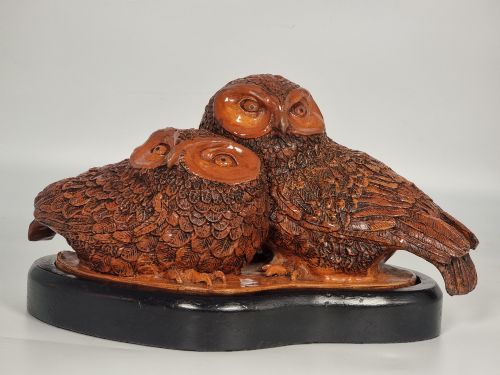
Many European workshops utilised specialised glazes such as sancai or majolica, while others relied on gloss finishes to seal the delicate modelling. Pieces were often cast in moulds or hand-sculpted before undergoing high-temperature firing, sometimes incorporating wooden or ebonised bases to support heavier figures.
The inventory spans the Victorian era, Edwardian period, and Art Deco nineteen-thirties.
Distinctions in craftsmanship
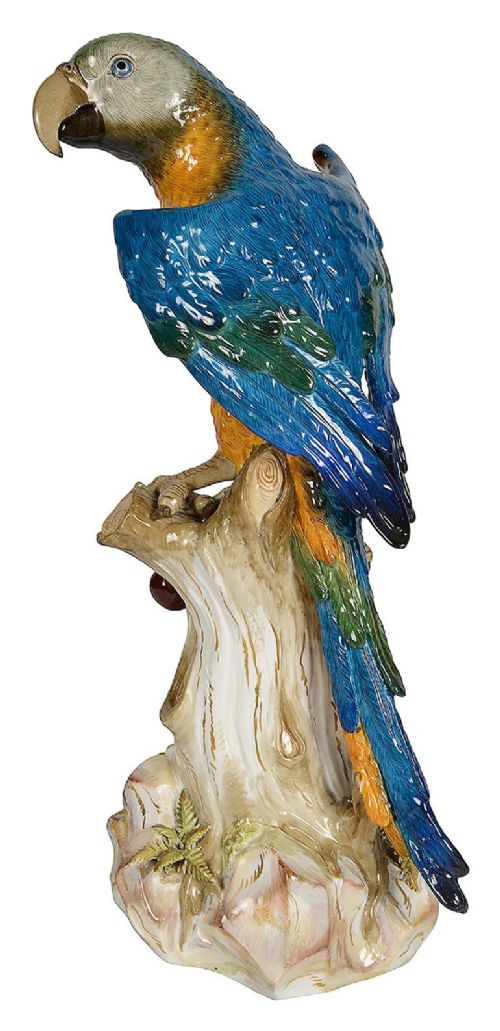
The standard of a piece rests upon the crispness of the modelled form and the precision of the hand-painted decoration. Finer examples display meticulous attention to facial expressions, drapery folds, and plumage, whereas simpler items show softer details and broader brushwork.
Markings and provenance also elevate certain works, particularly those bearing the stamps or signatures of established porcelain manufactories and named modellers. The ambition of the composition, such as complex multi-figure groups or large-scale pairs, further separates standard production items from masterworks.
Nymphenburg·Meissen·Royal Worcester·Royal Doulton·Krister KPM Waldenburg·C. G. Schierholz
The Decorative Ceramic Figurines Glossary
- Biscuit Porcelain
- Unglazed porcelain fired once to produce a matte, white surface resembling marble. It was widely utilised in the nineteenth century for detailed sculptural figures.
- Famille Rose
- A Chinese porcelain palette dominated by opaque pink enamel introduced during the Qing dynasty. This technique allowed for subtle gradations of tone in floral and figural designs.
- Majolica
- A type of earthenware coated with an opaque tin-glaze and painted with metallic oxide colours. It yields vibrant, glossy surfaces often seen on nineteenth-century animal and ornamental figures.
- Sancai
- A traditional Chinese three-colour lead glaze used predominantly on pottery figures. The colours typically include shades of amber, green, and creamy white that blend naturally during firing.
- Okimono
- A Japanese decorative sculpture designed for display on a household altar or within a room. These carved or modelled pieces frequently represent deities, historical figures, or animals.
Decorative Ceramic Figurines: Frequently Asked Questions
What periods do these figurines date from?
The pieces span from the early nineteenth century through to the mid-twentieth century, capturing distinct eras like the Victorian period and the nineteen-thirties.
Victorian and late nineteenth-century examples often lean toward ornate detailing and classical subjects, while later items embrace Art Deco styling or traditional Asian forms.
How were ceramic figurines traditionally displayed?
These decorative objects were placed on mantelpieces, side tables, and inside display cabinets within formal rooms. Pairs were often arranged symmetrically to balance interior mantel decorations.
Certain specialised forms, such as bookends and lamp bases, served functional roles while retaining their ornamental sculptural qualities.
Are these figures usually found in pairs?
Many listings consist of matched pairs designed for symmetrical placement, particularly animals, allegorical figures, and human characters. Single figures also appear frequently, especially larger standalone sculptures and specific portrait pieces.
Pairs often share identical modelling with mirrored postures or complementary colour schemes.