

Antique French Ceramic Dish
These antique french ceramic dish selections bring enduring regional character and refined European craftsmanship to a dining table or cabinet.
Antique French Ceramic Dish
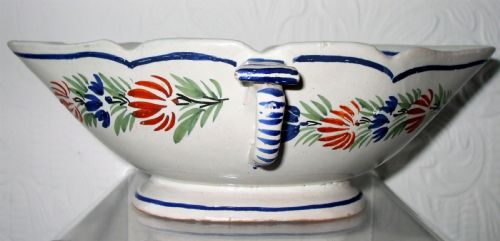
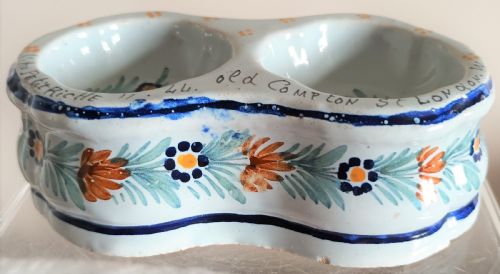
An antique french ceramic dish encompasses a wide variety of utilitarian and decorative forms, ranging from utilitarian salt cellars and sauceboats to decorative plates, chargers, and cabinet pieces. Buyers searching this phrase look for tangible connections to historic European kilns, seeking items that bridge decorative arts and functional table service.
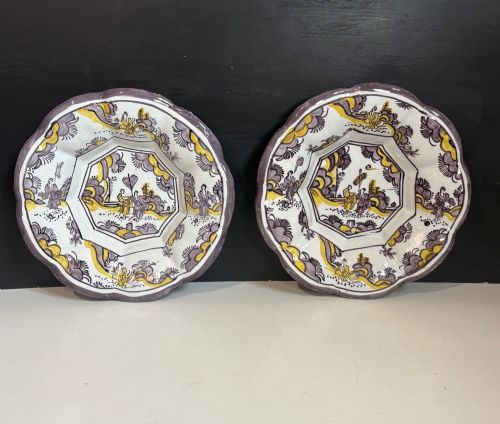
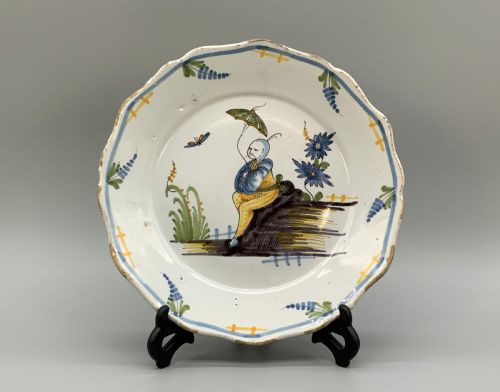
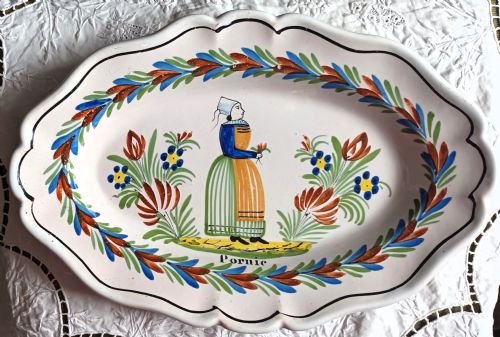
The selections span distinct periods, heavily featuring eighteenth-century tin-glazed faience alongside nineteenth-century porcelain and twentieth-century Art Deco earthenware. Regional pottery traditions, particularly from Quimper, Desvres, Limoges, and Sèvres, dominate the available forms.
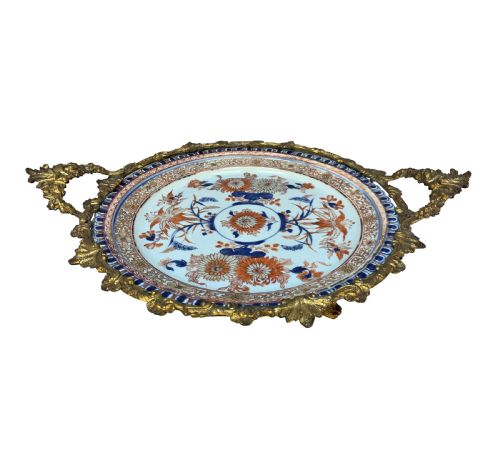
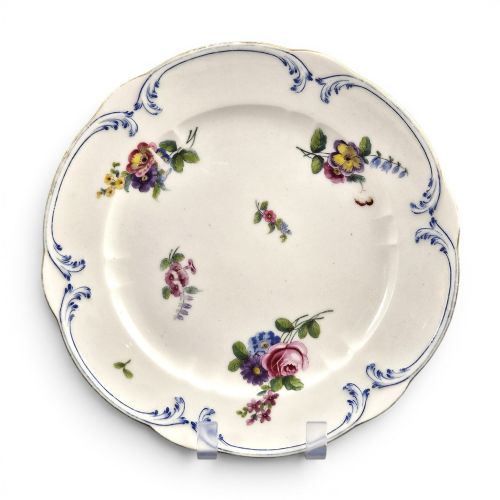
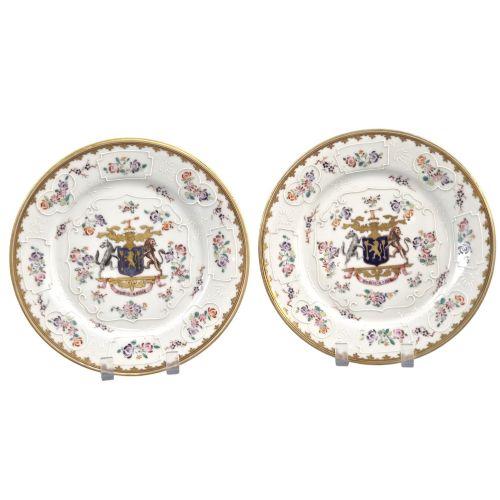
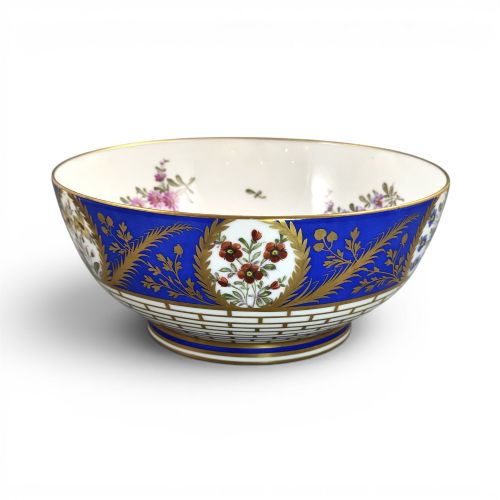
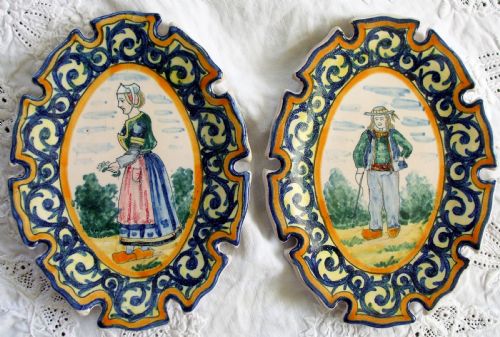
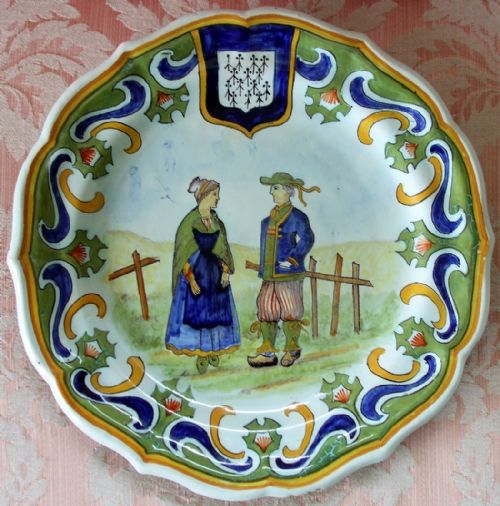
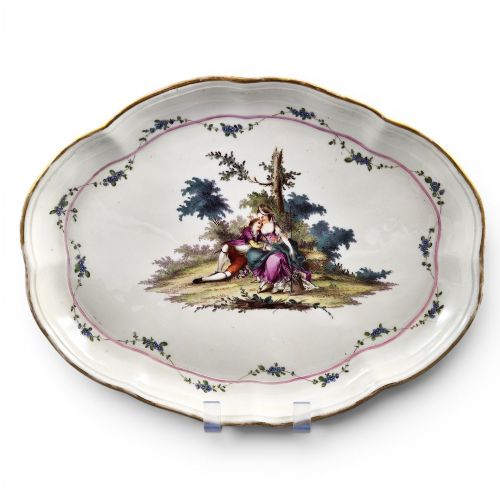
Collectors frequently encounter hand-painted faience dishes featuring traditional provincial motifs, alongside grander porcelain table wares decorated with floral sprays, armorial crests, and gilt detailing. Ormolu mounts and champlevé enamel additions appear on select nineteenth-century centrepieces and trays.
How they were made
Potters shaped these objects using soft-paste and hard-paste porcelain, earthenware, and tin-glazed faience, applying mineral pigments by hand before firing. Artisans utilised tin glazes to create opaque white surfaces suitable for detailed manganese, yellow, blue, and puce camaieu painting.
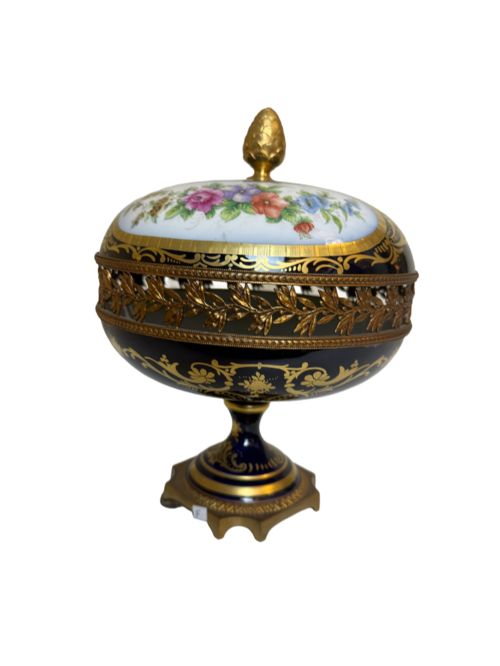
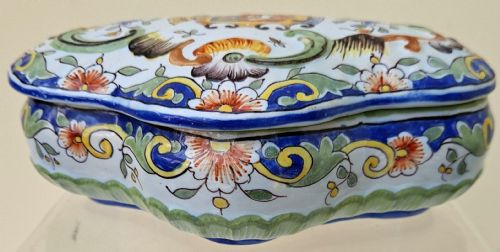
Many nineteenth-century and eighteenth-century items incorporate additional decorative elements such as gold leaf, ormolu mounts, and bronze hardware. Workshops employed specialised techniques including champlevé enamel work and hand-painted polychrome scenes to enhance porcelain plates, trays, and lidded powder boxes.
Some nineteenth-century French powder boxes were designed with half-doll ceramic figures emerging directly from the middle of the bowl.
What varies in quality
The standard of an antique french ceramic dish depends largely on the precision of the hand-painted brushwork and the clarity of the glaze. Pieces originating from established factories like Sèvres or specialised Parisian workshops often display superior compositional balance in their floral and figurative scenes.
Quality also rests in the integration of auxiliary materials, such as finely chased gilt bronze mounts, ormolu fittings, and intact enamel work. Crisp mark stamps from makers like Quimper or Desvres provide clearer provenance and elevate the desirability of individual faience salt cellars, dishes, and saucers.
Ambroise Michel·Edmé Samson & Cie·Joseph-Gaspard Robert
The Antique French Ceramic Dish Glossary
- Faience
- Tin-glazed earthenware produced across France, known for its opaque white background and hand-painted polychrome decoration. It represents a cornerstone of provincial French ceramic history.
- Soft-Paste Porcelain
- A vitreous ceramic material fired at lower temperatures than hard-paste porcelain, developed in France during the eighteenth century. It yields a distinctive warm glaze texture.
- Champlevé
- An enamelling technique where artists carve troughs into a metal surface to hold vitreous enamel paste before firing. This method decorates nineteenth-century mounts and centrepieces.
- Tazza
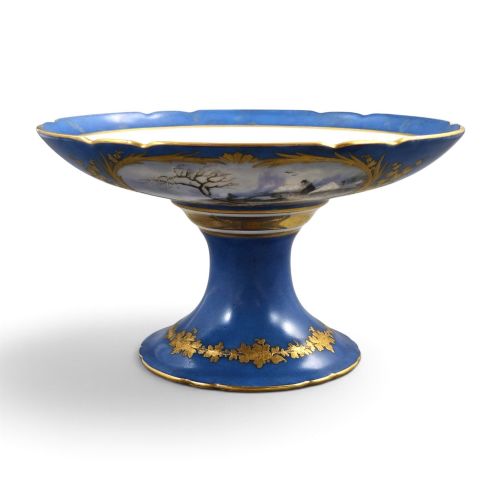
- A shallow saucer-shaped decorative dish raised on a stem and foot, utilised for serving sweetmeats or displaying fruit. Examples often feature gilt bronze or ormolu mounts.
- Charger
- A large decorative plate utilised primarily for ceremonial display rather than direct food service. Eighteenth-century examples frequently display tin glazes and chinoiserie motifs.
- Vide-Poche
- A small pocket-emptying dish placed in hallways or living spaces for coins and trinkets. French faience versions often feature fretted borders and blue and white painting.
Antique French Ceramic Dish: Frequently Asked Questions
What is the difference between faience and porcelain?
Faience consists of tin-glazed earthenware with an opaque, absorbent body that was fired at moderate temperatures. Porcelain is a vitrified, hard material fired at much higher temperatures, producing a non-porous and often translucent body.
Porcelain items typically display finer painted lines and brighter white grounds, whereas faience offers a warmer, heavier provincial aesthetic.
How can I date an old French plate?
Examine the base for factory stamps, painted monograms, or impressed marks that correspond to known historical potteries and decorator periods. Stylistic clues such as Rococo curves, Art Deco geometries, or nineteenth-century armorial details also indicate the era of production.
The weight of the ceramic body, glaze crazing, and the palette of the pigments provide additional physical evidence for dating.
Were these dishes used for food?
Many objects such as dinner plates, sauceboats, and salt cellars served functional dining roles in eighteenth and nineteenth-century households. Others, including cabinet plates, plaques, and decorative trays, were created primarily for visual display.
Modern owners generally utilise surviving pieces for display or gentle domestic service rather than heavy daily dining.