



Antique Sevres Cabinet Plate
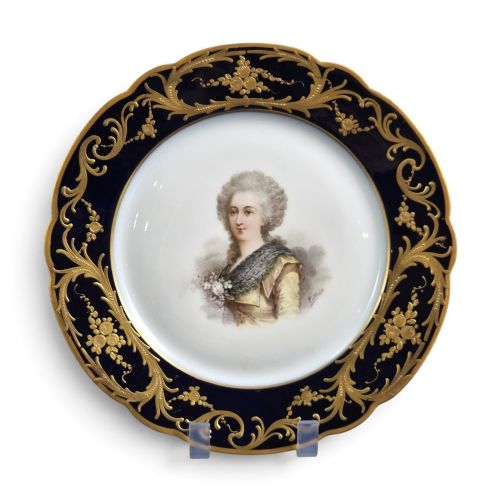
An antique sevres cabinet plate brings the polished artistry of French porcelain into a room, prized for hand-painted portraits and rich gilt borders.
Antique Sevres Cabinet Plate
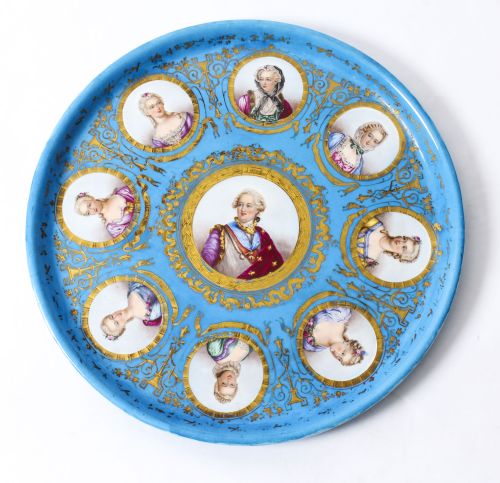
An antique sevres cabinet plate represents high-fired ceramic artistry intended for display rather than dining. When you search for this phrase, you will find decorative plates, charger plates, and dessert plates originating from France.
The pieces on this page span the eighteenth and nineteenth centuries, taking the form of cabinet plates and larger chargers. Many examples reflect the Louis XVI and Rococo revival styles popular in nineteenth-century France.
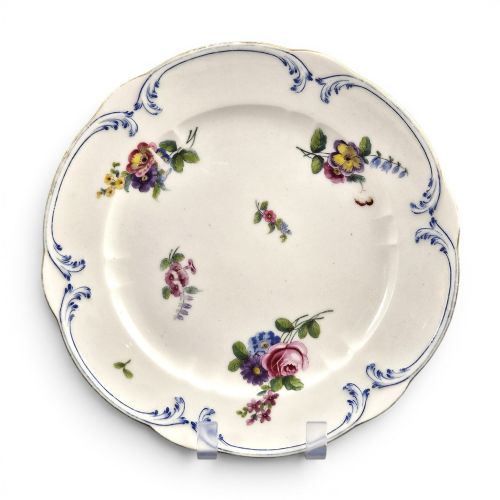
You will encounter genuine eighteenth-century soft-paste porcelain alongside nineteenth-century cabinet plates created in the Sèvres manner or style. These decorative items frequently feature historical battle scenes, portraits, and floral motifs.
How they were made
Potters shaped these vessels using porcelain and soft-paste porcelain, applying glaze to create a smooth surface for subsequent decoration. Artisans then added hand-painted details, often depicting portraits, historical events, and floral arrangements.
Gilding and gold leaf were applied to the rims and borders, framing the central painted scenes. Firing techniques fixed the enamel colours and metallic lustre permanently to the ceramic body.
Plates depicting medieval battles and royal campaigns let you dine visually on centuries of French drama without ever washing up.
What varies in quality
The precision of the hand-painted brushwork sets finer examples apart from simpler decorative plates. Detailed portraiture and complex battle scenes require greater skill than standard floral patterns.
The richness and application of the gilding and gold leaf contribute to the overall visual impact. Soft-paste porcelain from the eighteenth century differs significantly in texture and composition from later nineteenth-century bodies.
Ambroise Michel·Kerr and Binns
The Antique Sevres Cabinet Plate Glossary
- Cabinet plate
- A decorative plate intended for display in a cabinet or on a wall rather than for practical table use. These pieces usually feature elaborate painted scenes and gilt borders.
- Soft-paste porcelain
- An artificial porcelain composition made from clay, glass, and ground minerals, fired at lower temperatures than hard-paste. It has a characteristic warm tone and a slightly softer glaze.
- Gilding
- The application of gold leaf or gold powder to the surface of the porcelain. This technique highlights rims, handles, and decorative borders.
- Charger plate
- A large decorative base plate used underneath other dinnerware or displayed on its own. They provide a wider surface area for extensive painted narratives.
- Rococo revival
- A nineteenth-century design style drawing on eighteenth-century asymmetrical ornamentation, scrolls, and natural motifs. It appears frequently in the shaping and framing of these plates.
Antique Sevres Cabinet Plate: Frequently Asked Questions
What is an antique sevres cabinet plate?
An antique sevres cabinet plate is a decorative ceramic dish made for display, featuring hand-painted artwork and gilt detailing.
These pieces originate mainly from French factories or follow the distinct stylistic traditions associated with them during the eighteenth and nineteenth centuries.
How do I display cabinet plates?
Cabinet plates are traditionally shown using specialist wall hangers or displayed upright inside glass-fronted furniture.
Because they were made for visual appreciation rather than heavy use, keeping them secure from accidental knocks is essential.
Are eighteenth and nineteenth century plates different?
Eighteenth-century examples often utilise soft-paste porcelain with delicate hand-painted floral or figural compositions.
Nineteenth-century pieces frequently display bolder historical scenes, military portraits, and revivalist framing techniques.
What subjects appear on these plates?
Common subjects include detailed floral sprays, royal portraits, and narrative scenes from French history.
Battle scenes and commemorative events also feature prominently on nineteenth-century chargers and cabinet plates.