
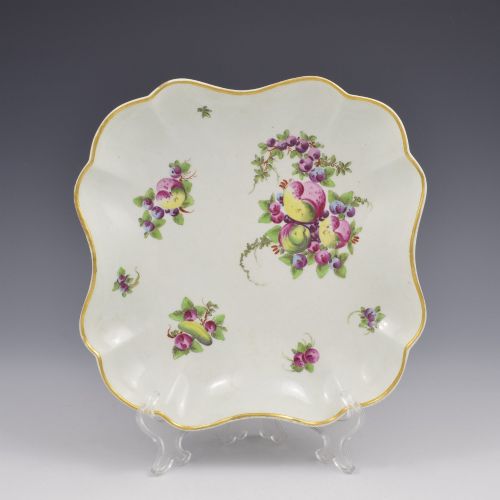


Soft Paste Porcelain Plate
These soft paste porcelain plate examples bring eighteenth-century kiln experimentation straight to your table.
Soft Paste Porcelain Plate
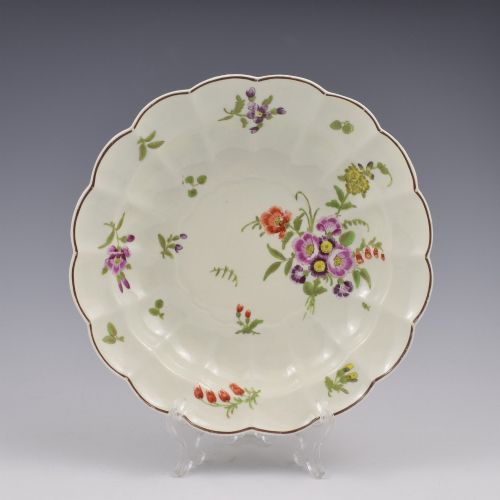
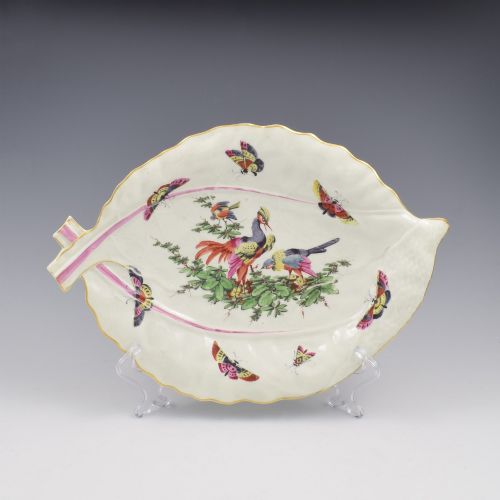
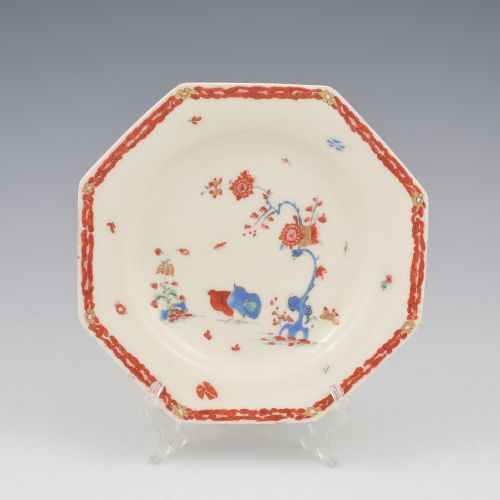
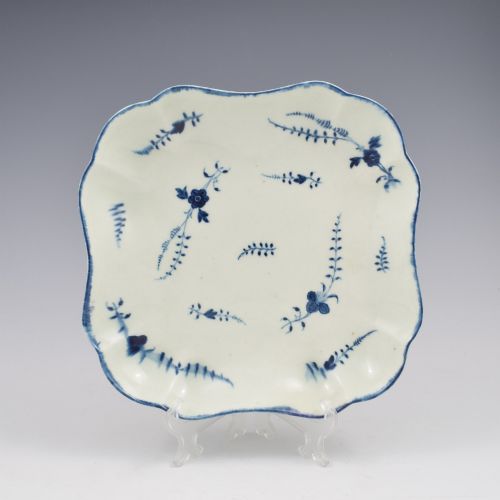
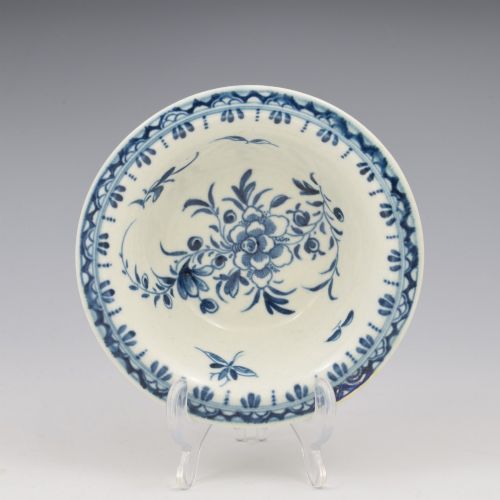
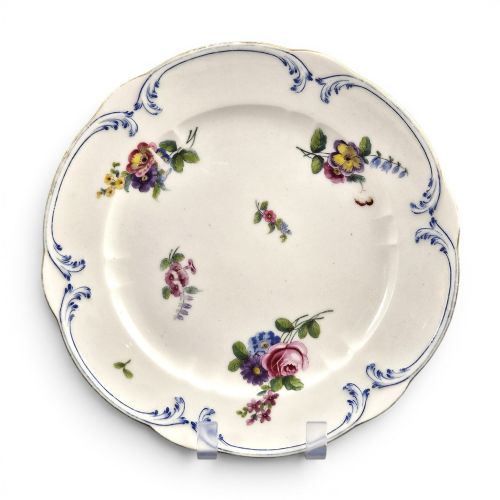
A soft paste porcelain plate represents early European attempts to replicate hard-paste Asian wares using glassy frits and white clays. The pieces encountered on this page date predominantly from the eighteenth century, spanning periods such as the Georgian and Regency eras, with notable French and English origins.
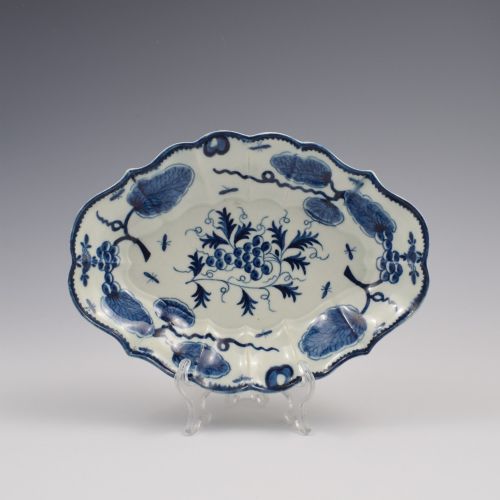
Forms vary from standard dessert plates and cabinet plates to lobed dishes, square dessert dishes, and soup plates. Makers often drew upon Chinoiserie motifs, Rococo flourishes, and botanical or avian subjects.
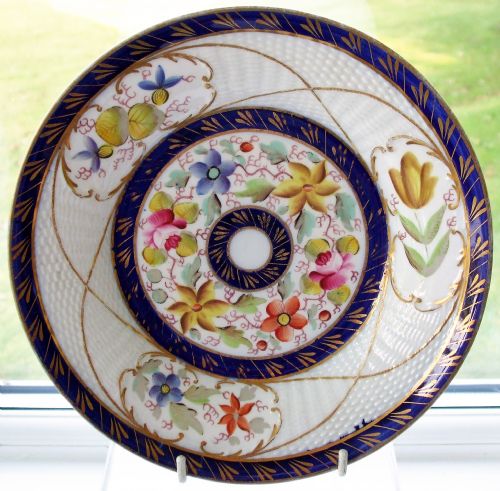
The aesthetic is defined by early glassy bodies paired with hand-painted overglaze enamels and cobalt underglaze decoration. These wares served decorative and functional roles in wealthy households, intended for display or the service of sweet courses.
How they were made
Makers formulated soft paste body compositions using white clay mixed with glass frits, chalk, and marl to achieve a vitrified surface at lower kiln temperatures. This composition yielded a creamy, warm body texture distinct from true oriental hard paste.
Decoration relied heavily on hand-applied enamel colours, cobalt blue underglaze, and occasional gold leaf accents. Glazes were formulated to pool softly in low points, creating a distinct tactile depth across the surface.
The listings on this page span the 18th century, 19th century, and Regency period, featuring materials such as enamel, soft-paste porcelain, gold leaf, and cobalt.
What varies in quality
Quality rests upon the crispness of the hand-painted enamels and the sophistication of the botanical, avian, or Chinoiserie composition. Early English and French manufactories produced varied body translucency and glaze smoothness.
The precision of the modelling in forms like lobed dessert dishes and octagonal plates dictates the overall refinement of the piece. Superior examples exhibit controlled brushwork and balanced kiln effects without excessive warping.
French Sèvres·New Hall Porcelain·Derby Porcelain·Chelsea Porcelain·Nantgarw Porcelain·Chantilly porcelain
The Soft Paste Porcelain Plate Glossary
- Soft-paste porcelain
- An artificial ceramic body composed of clay and glassy frits fired at lower temperatures than true porcelain.
- Overglaze enamels
- Coloured pigments painted on top of the fired glaze and fixed by a subsequent low-temperature firing.
- Chinoiserie
- European artistic styles reflecting Chinese motifs and decorative themes, popular during the eighteenth century.
- Lobed
- Having curved indentations or divisions along the edge of a dish or plate.
- Cobalt
- A blue metallic oxide used under the glaze to produce deep blue painted decoration.
Soft Paste Porcelain Plate: Frequently Asked Questions
How do I clean soft paste porcelain plates?
Wash these fragile wares gently by hand in warm water using mild soap, avoiding abrasive scrubbers.
Dry them immediately with a soft cloth to protect the delicate glaze and enamel decorations.
Can I use these plates for dining?
These eighteenth and nineteenth-century pieces are delicate collector items rather than robust daily tableware.
Display them in cabinets or use them strictly for dry service to preserve the historic enamel surfaces.
How do I tell soft paste from hard paste?
Soft paste bodies often show a warmer, creamier translucency when held to a strong light source.
The glaze can sometimes reveal minute pooling and softer edges compared to hard-paste porcelain.
Why do these plates warp slightly?
Early eighteenth-century kilns lacked modern temperature controls, causing the glassy soft paste body to soften during firing.
This slight distortion is a characteristic sign of early manufacture rather than a later defect.