


French Ceramic Tray
These french ceramic tray examples range from tin-glazed faience to gilded porcelain, offering both decorative charm and practical tabletop service.
French Ceramic Tray
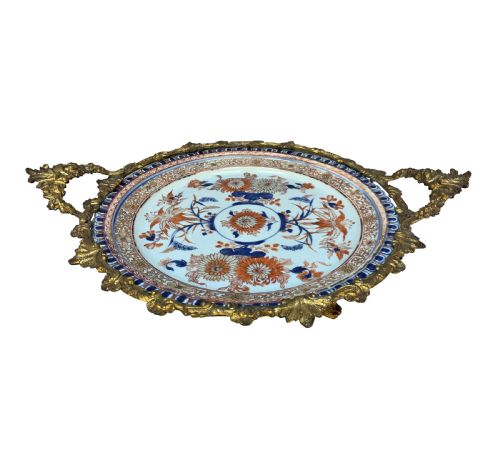
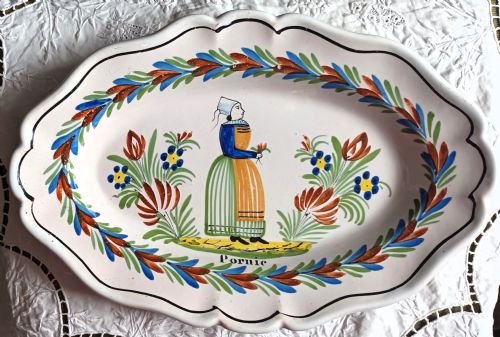
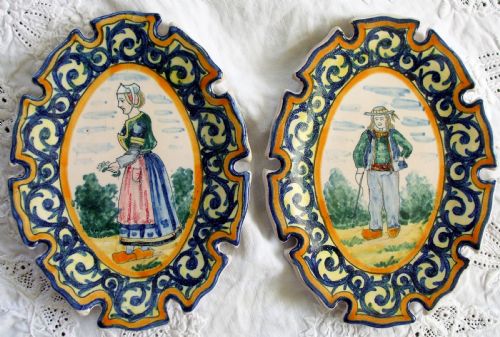
A french ceramic tray encompasses diverse forms from small trinket dishes and pin trays to grand centrepieces and breakfast sets. Buyers searching for a french ceramic tray encounter Quimper faience dishes, Marseille porcelain, and pieces featuring intricate ormolu mounts or champlevé enamel.
The selections span centuries, incorporating 18th century productions alongside 19th century regional wares and later Art Deco designs. Regional potteries and major factories like Sevres and Samson provide distinct visual styles ranging from French Provincial to ornate Rococo Revival.
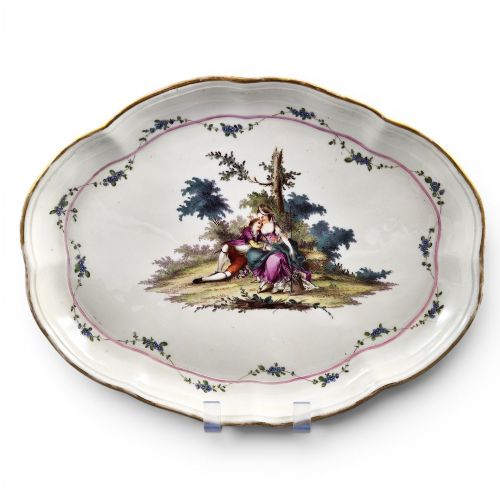
Most items serve decorative and utilitarian roles, functioning as vide-poche dishes, serving dishes, or desk accessories. The variety includes hand-painted blue and white motifs, Watteau scenes, and bold Japonesque decorations.
Materials and Techniques
Makers utilised ceramic body types including fine porcelain, coarse earthenware, and tin-glazed faience. Faience items rely on opaque white glazes painted with cobalt blue and polychrome pigments before a second firing.
Porcelain pieces frequently incorporate applied ormolu or gilt bronze mounts, brass bases, and champlevé enamel detailing. Gold leaf accents and hand-painted pastoral or figural scenes complete the surface ornamentation of the finer examples.
Listings feature porcelain, faience, and earthenware from the eighteenth, nineteenth, and early twentieth centuries, augmented by gilt bronze and enamel.
Judging Quality
Quality rests upon the crispness of the hand-painted details, the fidelity of the porcelain body, and the weight of the metal mounts. Pieces attributed to recognised workshops display superior control in glaze application and enamel vibrancy.
The integrity of the gilt bronze or ormolu mounts and the precision of the champlevé work elevate the standing of a tray. Age and maker attribution also dictate value, with documented 18th century Marseille or Sevres pieces commanding closer scrutiny for condition and provenance.
Joseph Gaspard Robert·Samson Paris·Louis Pierre Malpass
The French Ceramic Tray Glossary
- Faience
- Tin-glazed earthenware produced widely in France, particularly associated with regions like Quimper. This technique creates an opaque white surface suitable for hand-painted designs.
- Ormolu
- Gilded bronze mounts applied to furniture and ceramics during the 18th and 19th centuries. The technique involves a mercury-gilding process that produces a rich golden finish.
- Champlevé
- An enamelwork technique where troughs are carved into a metal surface and filled with vitreous paste before firing. This creates colourful decorative patterns flush with the metal dividers.
- Vide-Poche
- A small tray or dish designed to empty pockets of coins, keys, or trinkets upon entering a room. These desk accessories appear frequently in nineteenth-century domestic interiors.
- Imari
- A style of ceramic decoration borrowed from Japanese export wares featuring iron red, cobalt blue, and gold. European factories frequently copied these palettes on local porcelain bodies.
French Ceramic Tray: Frequently Asked Questions
Were these trays used for food?
Many larger pieces functioned as serving dishes, breakfast sets, or dessert services for dining tables. Smaller pin trays and vide-poche dishes served domestic organizational roles in bedrooms and studies.
Buyers should examine glaze wear and backing materials to determine if a specific tray remains food-safe. Most antique decorative pieces are best reserved for display.
What is champleve enamel?
Champlevé enamel involves gouging troughs into a metal base like bronze or brass and filling them with coloured glass paste. The piece is then fired until the enamel melts and fuses to the metal.
This technique adds rich coloured patterns to the metal mounts of nineteenth-century trays and centrepieces. The resulting surface feels smooth where the polished metal borders meet the glass.
How do I date a porcelain tray?
Dating relies on identifying factory marks, stylistic periods like Art Deco or Rococo Revival, and manufacturing techniques. Eighteenth-century pieces often show softer paste porcelain and hand-potted irregularities.
Nineteenth-century examples frequently feature factory stamps, registration numbers, or machine-finished mounts. Comparing the decorative motifs to known historical periods provides further chronological context.