

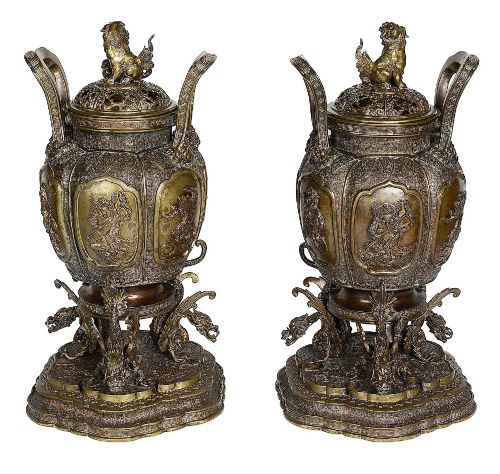
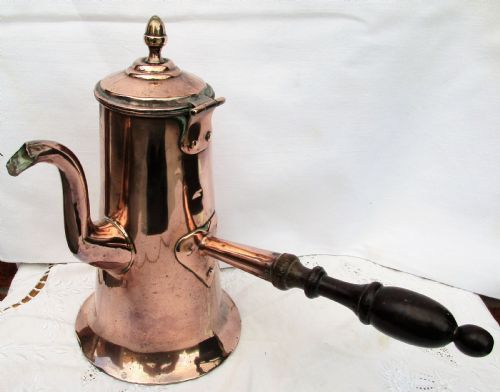


Antique Finial Urn
These antique finial urn pieces bring classical form and decorative presence into a room, originating mostly from the eighteenth and nineteenth centuries.
Antique Finial Urn
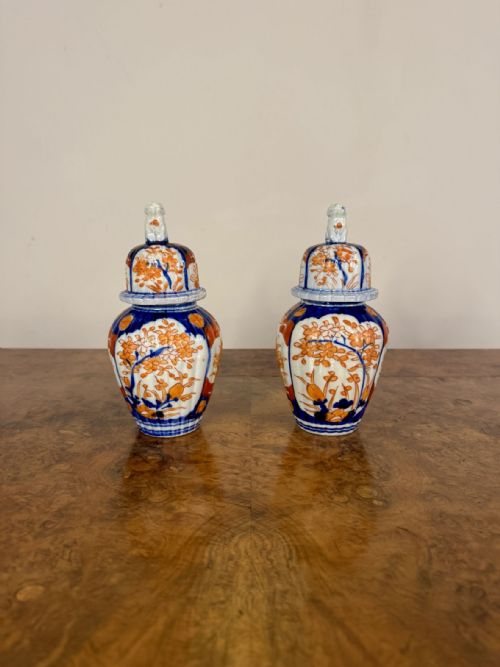
An antique finial urn represents a classical vessel form topped with a distinct terminal ornament, drawing heavily on neoclassical design principles. Buyers searching this phrase typically encounter lidded vases, incense burners, and decorative vessels from the eighteenth and nineteenth centuries.
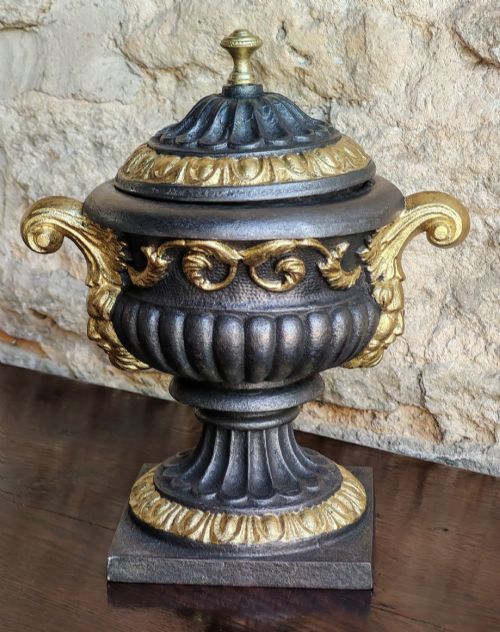
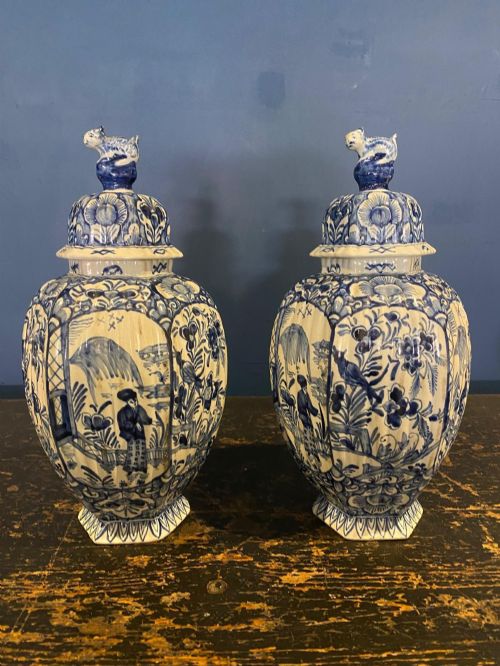
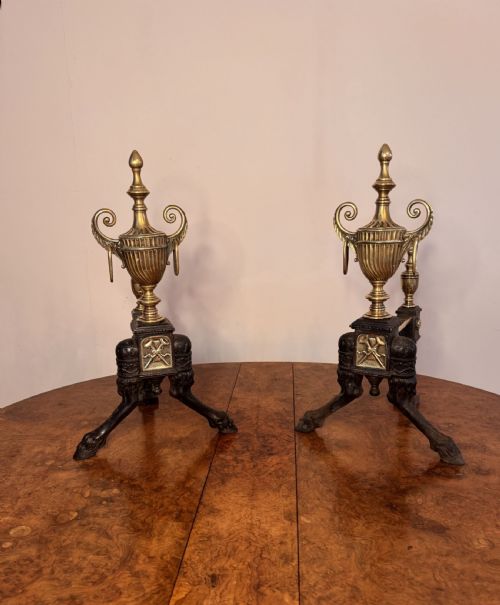
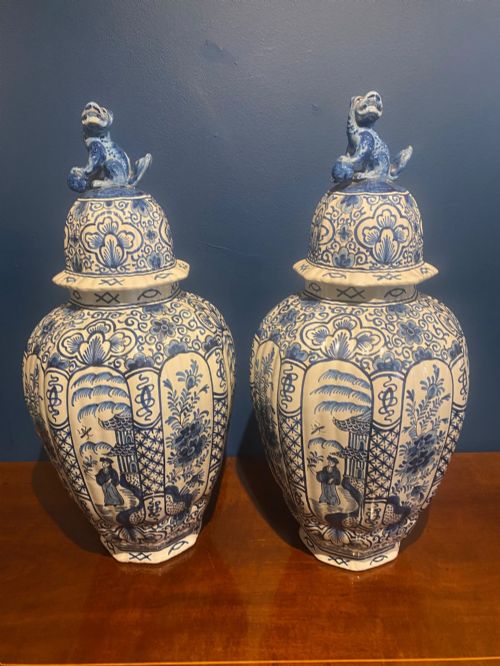
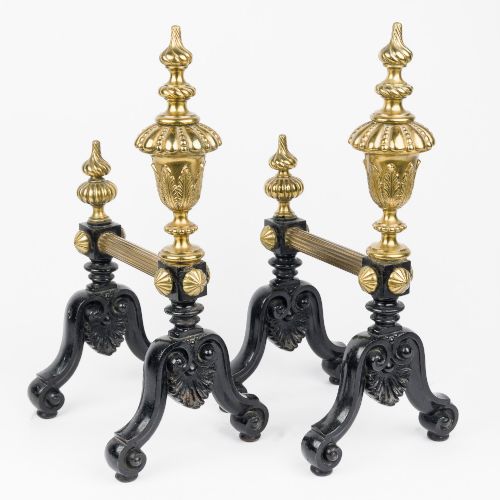
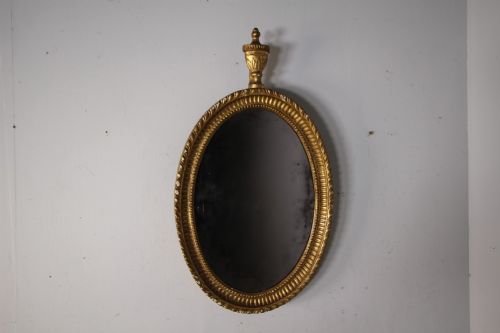
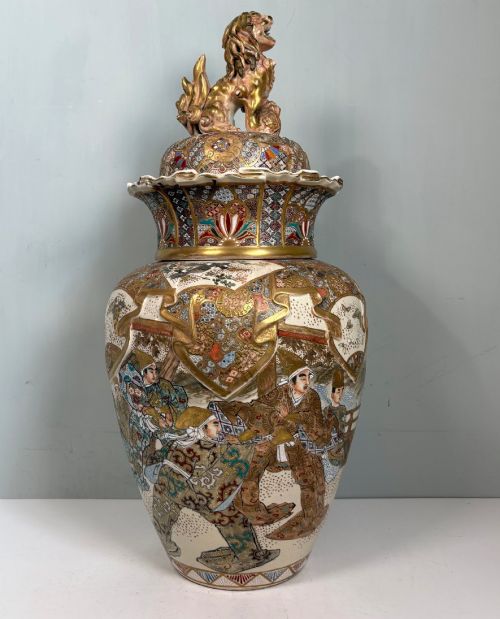
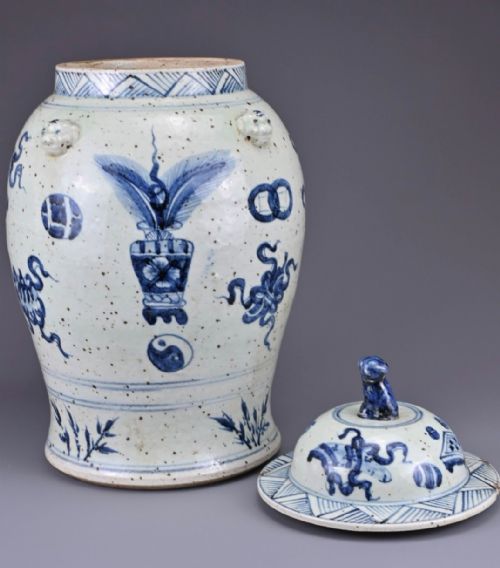
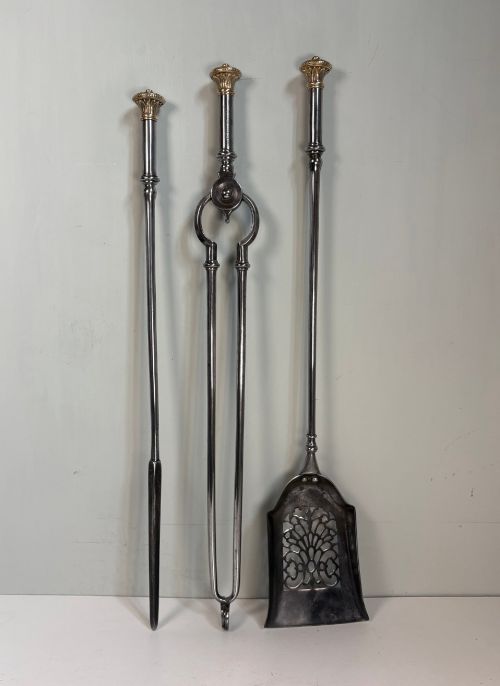
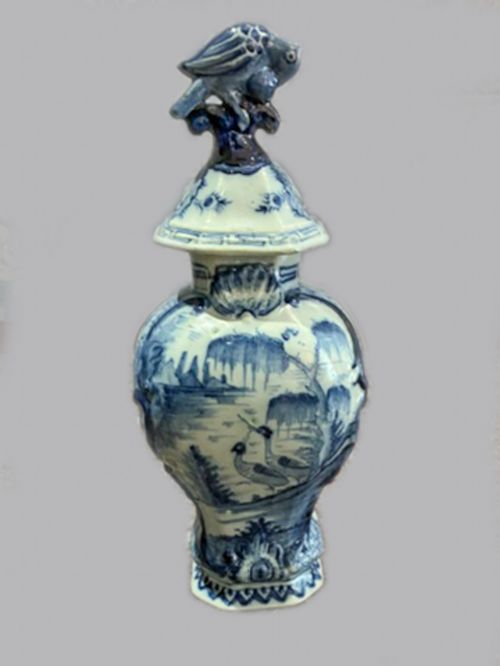
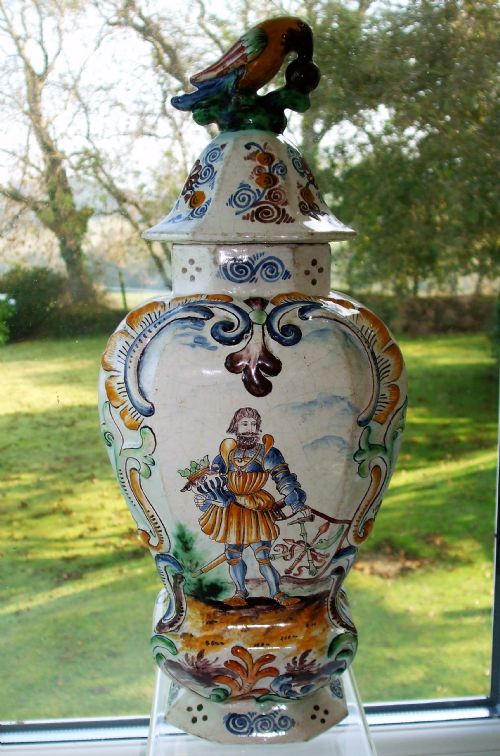
The materials span porcelain, brass, bronze, and wood, reflecting varied uses from mantel ornaments to hearth furniture accessories. Many examples incorporate lids or covers terminating in sculptural finials such as animals or architectural motifs.
Origins stretch across English, French, Dutch, and Japanese workshops, demonstrating how widely the urn shape travelled in decorative art. The most frequent survivals on this page belong to the nineteenth century, alongside select eighteenth-century ceramic and metal pieces.
How they were made
Metals such as brass and bronze were cast and polished, often combining iron components for hearth items or incorporating gilt finishes. Ceramics rely on porcelain and earthenware bodies decorated with polychrome glazes or blue and white pigments.
Wood examples utilise turning techniques on fruitwood or mahogany to achieve the campana silhouette, sometimes paired with applied gilding. Surface decoration ranges from hand-painted Japanese imari patterns to Delft tin glazes and applied bronze mounts.
Antique Finial Urn Retail Price Guide 2026
Typical asking prices for finial urn among the pieces listed under this phrase on Sellingantiques today, from the lower quarter to the upper quarter. They describe what is for sale here now, not the wider market.
Keep an eye out for inquisitive bronze goats serving as finials on incense burners, keeping watch over the smoke.
What varies in quality
Finial articulation separates ordinary production from finer work, as seen in the sharpness of cast bronze animal figures or hand-carved wood profiles. The precision of painted detail on porcelain surfaces dictates the tier of the piece, particularly in complex floral or pictorial reserves.
Material integration also marks the distinction, where mounts fit flush and metals show careful finishing rather than crude seams. The structural integrity of fitted lids and covers indicates the original maker's standard of joinery and ceramic shrinkage control.
John Hoyland·Mappin And Webb·Samson
The Antique Finial Urn Glossary
- Finial
- The decorative terminal ornament fixed to the top of a lid, cover, or pediment. It provides a visual focal point and a handle for lifting.
- Campana
- A bell-shaped vessel profile derived from classical antiquity. This form widens gracefully from a narrow base toward a flared rim.
- Imari
- A style of Japanese export porcelain characterised by underglaze blue and overglaze iron red, gold, and green. It gained immense popularity in European interiors.
- Delftware
- Tin-glazed earthenware produced in the Netherlands, known for its white surface and blue or polychrome painted decoration. It frequently mimics Chinese export porcelain forms.
- Censer
- A vessel designed for burning incense, often featuring pierced covers and decorative figural finials. Bronze examples are typical of Asian export metalwork.
Antique Finial Urn: Frequently Asked Questions
What is an antique finial urn used for?
These vessels served primarily as decorative ornaments on mantelpieces, sideboards, or as lidded jars for potpourri and storage. Some functioned as incense burners with pierced covers designed to release scent into a room.
Over time, their sculptural qualities made them central focal points in neoclassical and Victorian interior schemes rather than utilitarian containers.
How do I identify a nineteenth-century urn?
Nineteenth-century pieces often display industrial casting techniques in brass and iron alongside traditional hand-painting on porcelain and earthenware bodies. Stylistic cues draw heavily from revival movements, incorporating French neoclassical or Japanese Meiji motifs.
Examining the underside, mounting pins, and glaze characteristics helps confirm the production era relative to eighteenth-century precedents.
Where should I display an antique urn?
These pieces suit prominent flat surfaces such as mantelshelves, bookcases, or console tables where their vertical form can stand clear. Pairing them with mirrors or placing them as garniture sets creates a balanced display.
Ensure the location protects delicate ceramic glazes and polished metal finishes from excessive handling and direct sunlight.
How do I care for brass and porcelain urns?
Maintenance requires gentle dusting with a dry, soft cloth to prevent abrasive particles from scratching glazed ceramic or polished metal. Avoid liquid cleaners on antique gilt surfaces and patinated bronze to preserve the historic finish.
Metal components benefit from occasional light buffing if oxidation threatens to obscure the original cast detail.