



Neo Classical Urns
Neo classical urns are architectural decorative pieces bringing ancient symmetry and classical ornament to nineteenth century and later interiors.
Neo Classical Urns
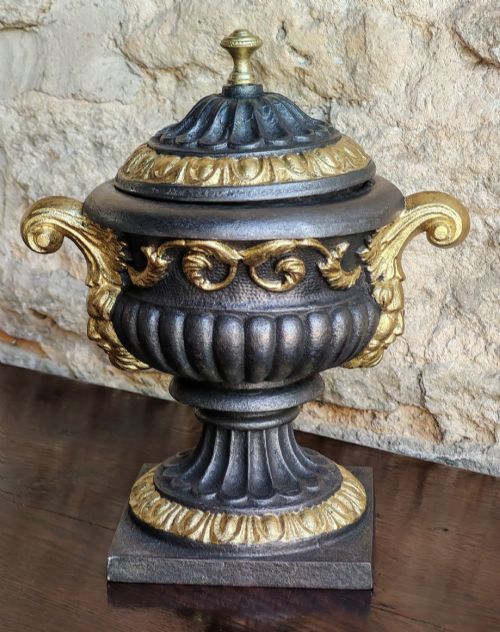
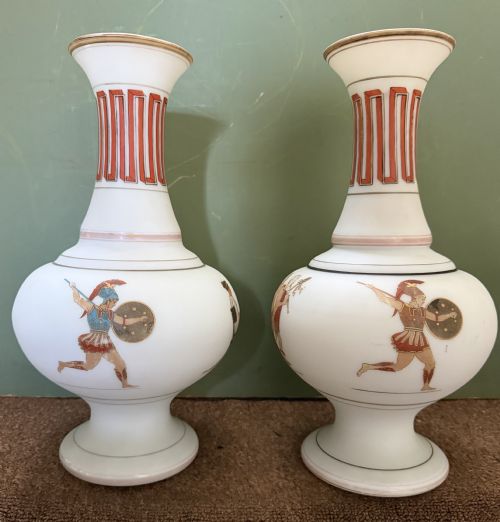
When you search for neo classical urns, you encounter formal decorative vessels produced across the nineteenth century, drawing heavily on Greek and Roman antiquity. These objects appear in various manifestations on this page, ranging from heavy cast bronze garden or display urns to mounted table lamps, fireplace fenders, and clock garnitures.
The aesthetic is rooted in the revival styles of the period, particularly Grand Tour souvenirs brought back from Italy and French Louis XVI interpretations. Makers utilised classical vocabulary such as campana shapes, handles, and low relief friezes to create symmetrical focal points for interiors.
What varies in quality
The distinction between standard production and finer pieces lies in the crispness of the casting and the fidelity of the classical ornament. High quality examples display sharply rendered relief work, clean chasing on bronze and ormolu mounts, and harmonious proportions derived directly from ancient models.
Material selection also dictates standing, with dense marbles, substantial cast bronzes, and genuine ormolu outperforming lighter brass and plated metals. The integration of secondary elements, such as turned wooden bases or fitted liners, shows the care taken by the original workshop.
Neo Classical Urns Retail Price Guide 2026
Typical asking prices for neo classical urns among the pieces listed under this phrase on Sellingantiques today, from the lower quarter to the upper quarter. They describe what is for sale here now, not the wider market.
Listed forms span decorative urns, fireplace fenders, table lamps, wine coolers, ewers, tazzas, and clock garnitures.
The Neo Classical Urns Glossary
- Campana
- A bell-shaped vessel with a flared rim and foot, commonly associated with classical garden and table urns. This form was widely reproduced during the nineteenth century.
- Grand Tour
- A traditional trip through Europe undertaken by upper-class young men to absorb classical art and culture. Souvenirs from these travels included small bronzes and decorative urns.
- Ormolu
- Gilded bronze produced by applying a mercury and gold amalgam to a bronze base and heating it. This technique creates a rich, matte gold surface finish on decorative mounts.
- Tazza
- A shallow saucer-like dish or cup mounted on a stem and foot. They appear as decorative display objects in classical revivals.
- Scagliola
- A composite material made from selenite, glue, and pigments, mimicking marble and other hard stones. It was used to create decorative urns and architectural elements.
Neo Classical Urns: Frequently Asked Questions
What is a neo classical urn?
A neo classical urn is a decorative vessel modelled after ancient Greek and Roman forms, produced primarily during the nineteenth century. These pieces served decorative roles in formal rooms, acting as mantelpiece ornaments, lamps, or architectural garnitures.
They reflect the period's obsession with classical antiquity, often inspired by archaeological discoveries and Grand Tour travels through Italy. Makers adapted these ancient shapes into domestic objects using bronze, marble, and turned wood.
How were these urns used originally?
In nineteenth century interiors, these vessels functioned almost exclusively as decorative ornaments rather than utilitarian containers. They were placed upon mantelpieces, console tables, and pedestals to impart symmetry and classical dignity to a room.
Some larger examples doubled as wine coolers or chestnut urns, while others were later converted into table lamps or incorporated into clock garnitures. Their primary purpose was to signal the owner's cultural literacy and taste.
How do I date a nineteenth century urn?
Dating relies on examining the casting techniques, material combinations, and stylistic clues inherent to the piece. Mid nineteenth century examples often exhibit the heavy patinated bronze and crisp ormolu mounts characteristic of French and Italian workshops.
Changes in manufacturing methods, such as the transition from hand-chased bronze to later mass-produced brass castings, help narrow down the decade. Examining the base, construction fixings, and wear patterns provides further confirmation of age.
Are these pieces solid bronze?
Many of the finer decorative urns are cast in solid bronze, often paired with ormolu mounts or patinated finishes. However, materials vary widely across the inventory, including brass, pewter, turned walnut, mahogany, and scagliola.
It is common to find mixed media pieces where metal components are mounted on marble bases or paired with wooden bodies. Checking the weight and inspecting interior surfaces reveals the true composition of the vessel.