





Victorian Campana Urns
Victorian campana urns bring classical form to garden and table, offering the enduring dignity of ancient Greece and Rome through robust nineteenth-century manufacture.
Victorian Campana Urns
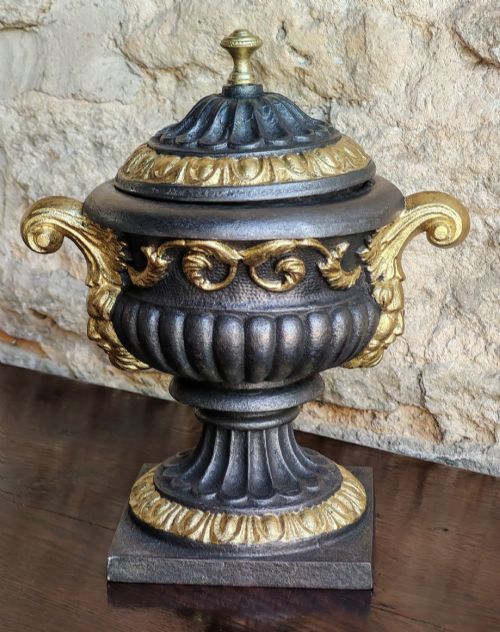
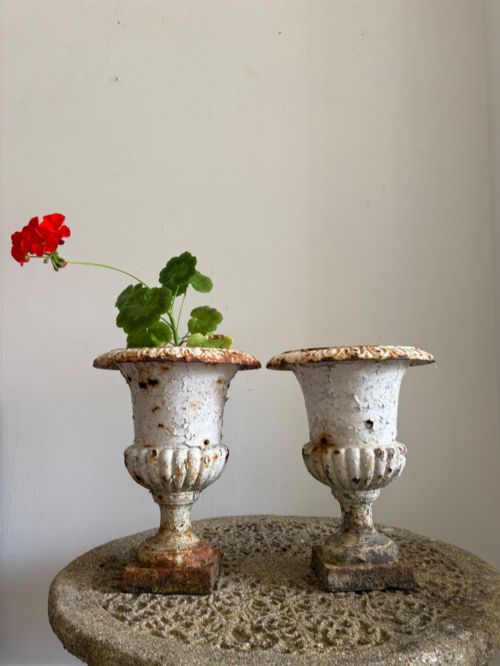
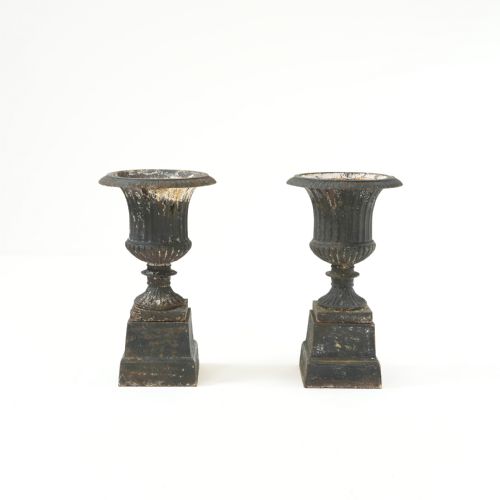
When searching for victorian campana urns, buyers encounter heavy cast iron garden vessels alongside decorative tabletop pieces in bronze, terracotta, marble, and porcelain. These bell-shaped containers draw directly from classical antiquity, often featuring everted rims, fluted bodies, and scroll handles.
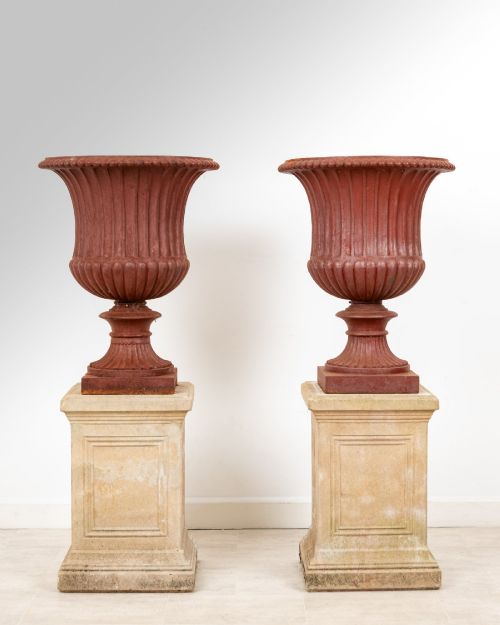
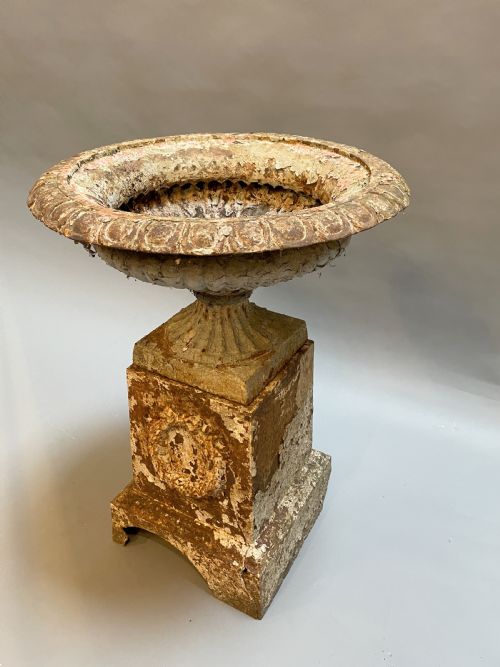
The cast iron garden versions dominate the selection, frequently paired with matching pedestals or plinths for outdoor display. Smaller table urns, wine coolers, and Grand Tour bronzes appear alongside these garden pieces to represent the broader domestic taste for classical revival design.
Examples span the nineteenth century, with specific dates reaching back to Regency origins and forward into later revivals. Makers such as Andrew Handyside and Wedgwood are recorded among the makers of these classical vessels.
Materials and construction methods
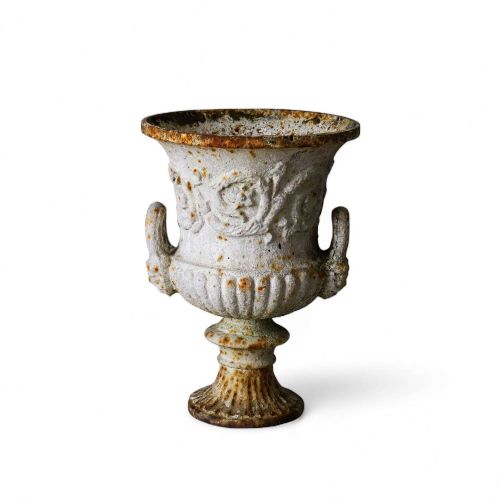
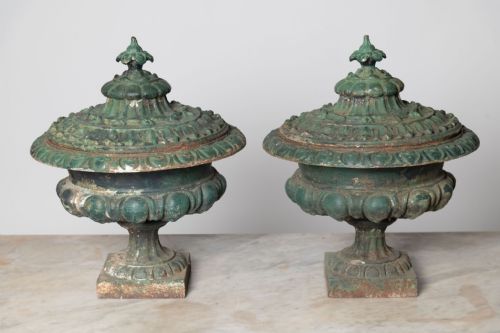
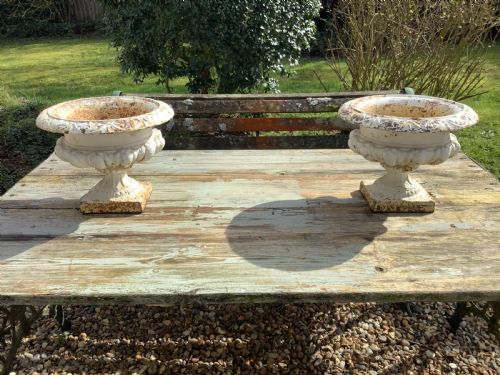
Cast iron forms the primary medium for garden pieces, shaped through foundry techniques that allowed for crisp relief moulding and deep structural weight. Many of these iron surfaces retain traces of original distressed paint or weathered patination from decades outdoors.
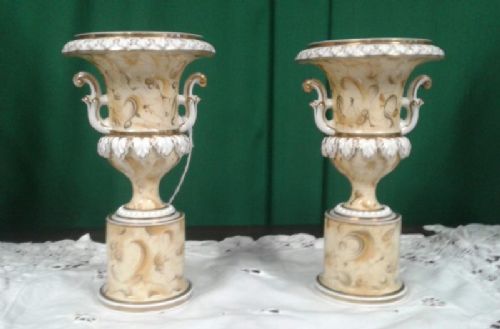
Bronze reductions and silver-plated examples utilise finer casting and metalworking traditions for interior display, echoing the archaeological discoveries of the Grand Tour. Terracotta and jasperware variants introduce ceramic techniques, utilising moulded clay and applied white bas-reliefs for distinct decorative contrast.
Victorian Campana Urns Retail Price Guide 2026
Typical asking prices for victorian campana urns among the pieces listed under this phrase on Sellingantiques today, from the lower quarter to the upper quarter. They describe what is for sale here now, not the wider market.
The listings show materials spanning cast iron, bronze, terracotta, marble, silver plate, and porcelain across the nineteenth century.
Distinctions in quality
Quality rests in the crispness of the cast and the integrity of the proportions, where finer pieces display sharp detailing along the gadrooned edges and handle terminals. The presence of original matching pedestals, lids, or undisturbed surface paint elevates a pair above standard garden stock.
Heavier casting and named foundry attribution separate standard utility planters from superior decorative commissions. The subtlety of the neoclassical relief work distinguishes ambitious foundry output from simpler commercial production.
Andrew Handyside·Wedgwood·Selim Bright·Ridgeways
The Victorian Campana Urns Glossary
- Campana
- A bell-shaped vessel form derived from ancient pottery and metalwork, characterised by a rounded body curving up to a flared rim. This silhouette defines the classic garden urn.
- Grand Tour
- A nineteenth-century tradition of travel through Europe and Italy, yielding miniature bronze or marble replicas of classical antiquities for home display. These items capture famous archaeological finds in reduced scale.
- Gadrooned
- A decorative carved or moulded band of parallel convex curves or fluting decorating the lower body or foot of an urn. It adds textural contrast to the smooth sweep of the vessel.
- Jasperware
- A type of fine stoneware developed by Josiah Wedgwood, known for its matte surface and contrasting white bas-relief figures applied against a coloured ground. Blue versions frequently emulate classical cameos.
- Bas-relief
- Low-relief sculptural carving where the figures project only slightly from the flat background. This technique decorates the friezes of ceramic and metal urns.
Victorian Campana Urns: Frequently Asked Questions
Where should cast iron urns be placed?
Cast iron garden urns suit terraces, lawns, and formal garden pathways, frequently elevated on stone pedestals or plinths to command sightlines. Their substantial weight makes them stable for permanent outdoor display.
Smaller table urns and wine coolers belong indoors, functioning as decorative centerpieces or mantel ornaments in studies and dining rooms.
How do I care for cast iron urns?
Cast iron garden pieces require minimal intervention, as weathering and distressed paint contribute to their historical character. Brushing away debris prevents moisture retention in sheltered crevices.
Indoor bronze and ceramic pieces simply need dusting with a soft cloth to protect their surfaces from accumulated grime.
Are these urns weatherproof?
Cast iron, stone, and terracotta garden urns withstand outdoor conditions naturally, though iron will continue to weather and develop surface rust over time. Terracotta requires monitoring during freezing temperatures to prevent cracking from expanding moisture.
Indoor materials like silver plate, porcelain, and Ashford marble must remain protected from damp environments and extreme frost.
What is a Grand Tour urn?
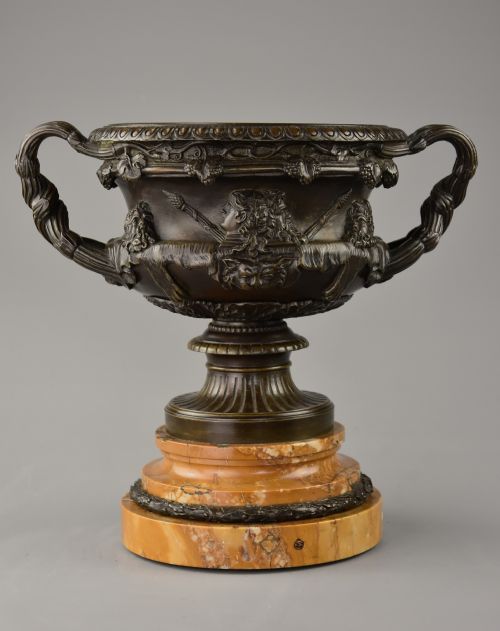
Grand Tour urns are reduced-scale bronze or marble copies of famous ancient sculptures, such as the Warwick Vase, brought home by travellers in the nineteenth century. These cabinet pieces allowed collectors to display museum-quality antiquities within domestic interiors.
They reflect the era's deep fascination with classical archaeology and Italian art.