
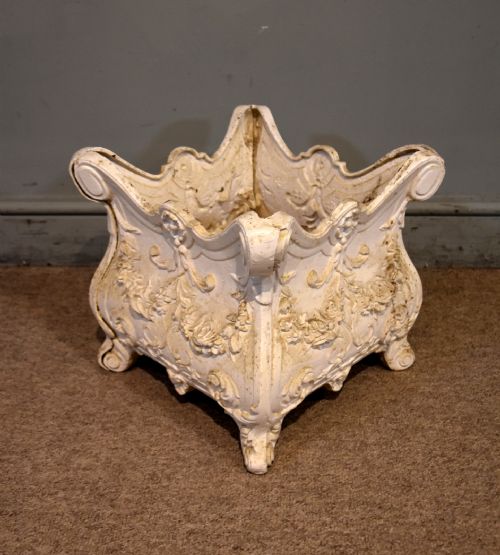


Ornate Metal Urns
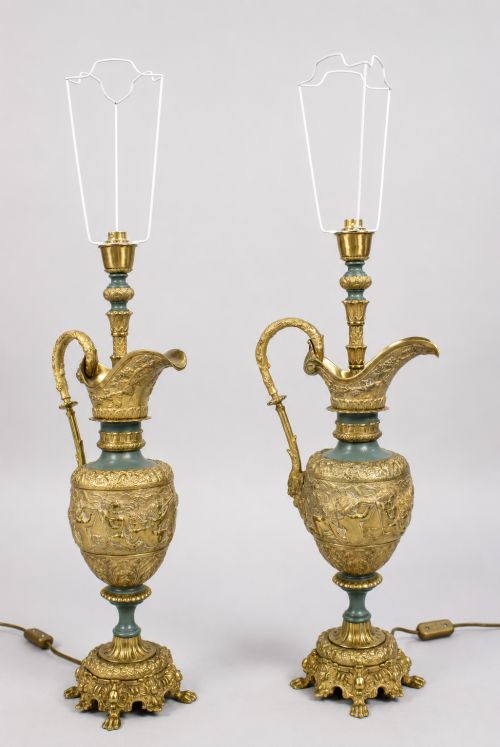
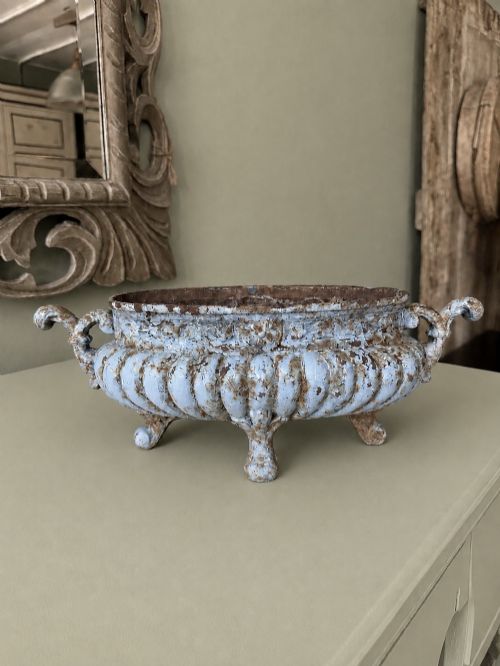
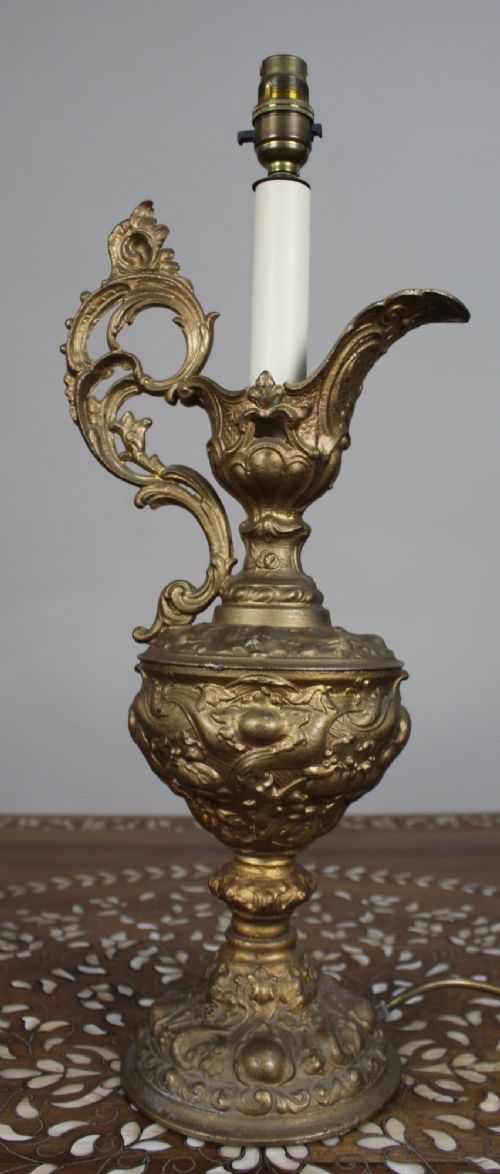
These ornate metal urns range from heavy cast iron garden vessels to gilded bronze table lamps shaped in classical French revival styles.
Ornate Metal Urns
Ornate metal urns encompass a wide variety of decorative vessels, table lamps, and garden planters produced primarily during the nineteenth and early twentieth centuries. When searching for ornate metal urns, buyers encounter pieces fashioned from cast iron, brass, bronze, and copper, often reflecting French Rococo, Neoclassical, and Victorian design influences.
The selection includes domestic items such as tea samovars and ewer-form table lamps alongside heavier garden urns and jardinieres. French Neoclassical and Victorian revival idioms dominate the selection, bringing substantial decorative presence to both interior rooms and outdoor spaces.
Materials and construction
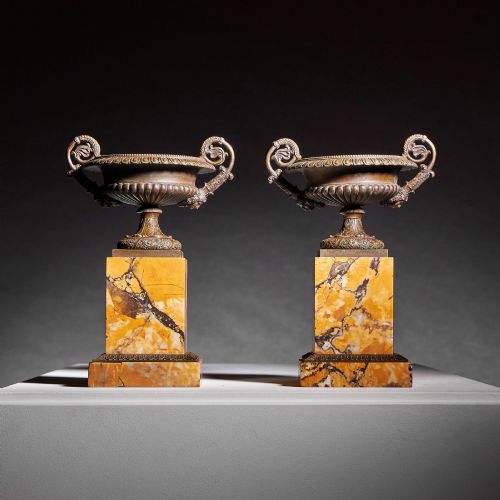
Foundry work relied heavily on cast iron for durable garden planters and robust architectural accessories designed to withstand the elements. Finer interior pieces utilised cast bronze, brass, and gilt metal, frequently incorporating marble or onyx bases for stability and contrast.
Surface treatments included fire gilding, silvering, and hand-chasing to accentuate intricate relief work, scrolls, and classical motifs. Many decorative items integrated multi-part construction, joining metal handles, paw feet, and mounted plinths with threaded bolts or pins.
Object forms range widely from functional tea samovars and fire screens to decorative ewers, jardinieres, and monumental garden urns.
Factors influencing quality
The refinement of the casting and the crispness of the chased surface detail separate exceptional items from standard production pieces. Superior works exhibit deeply undercut foliage, clean handles, and heavy gauge metals that feel substantial for their size.
The integration of secondary materials, such as matched marble plinths, hand-painted porcelain panels, or finely turned onyx columns, indicates higher workshop standards. Original surface patination and intact mercury gilding further elevate the standing of a piece.
Barbedienne Paris·Coalbrookdale·Henry Dasson·Lerolle Fres
The Ornate Metal Urns Glossary
- Ewer
- A large jug with a wide spout and a decorative handle, frequently adapted during the nineteenth century into ornamental lamps or mantel centrepieces.
- Samovar
- A heated metal vessel traditionally used to boil water for tea, often rendered in copper and brass with intricate tap spouts and handles.
- Jardiniere
- An ornamental receptacle designed to hold plants or flowers, commonly cast in iron or bronze for interior or garden display.
- Cloisonné
- An ancient technique for decorating metalwork objects with coloured material held in place by thin metal strips soldered to the base.
Ornate Metal Urns: Frequently Asked Questions
How do I date an ornate metal urn?
Dating relies on stylistic markers such as Victorian classical revival motifs or French Neoclassical details, alongside construction clues like cast seams and fastening methods.
Heavier cast iron examples often correspond to mid-nineteenth-century garden furniture production, while wired lamp conversions generally point towards later domestic adaptation.
Where should I place a cast iron garden urn?
Cast iron garden urns and jardinieres suit heavy outdoor placement on stone patios, terrace steps, or formal lawn borders where their weight provides stability.
They tolerate weathering well, developing a natural rust patina over decades of exposure to the elements.
Can these antique urns be used as lamps?
Many nineteenth-century ewers and decorative vases were converted into table lamps during subsequent decades, incorporating central wiring and brass fittings.
These pieces combine period metalwork with functional domestic lighting, though buyers should verify the electrical components meet current safety standards.
What is the difference between an urn and a samovar?
An urn is a decorative or commemorative vessel typically mounted on a pedestal, whereas a samovar is a specific type of heated tea urn fitted with an internal vertical metal tube and a spigot.
Samovars usually feature sturdy handles and heavy copper or brass construction designed for heating water.