

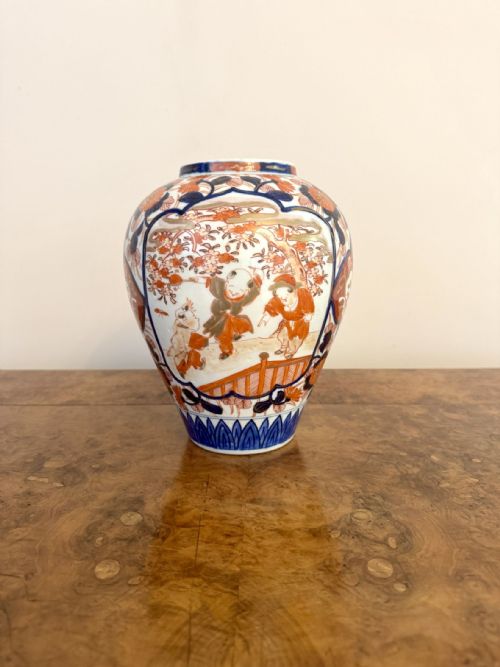
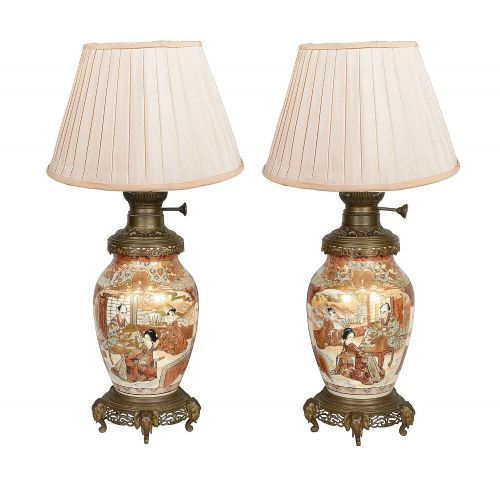
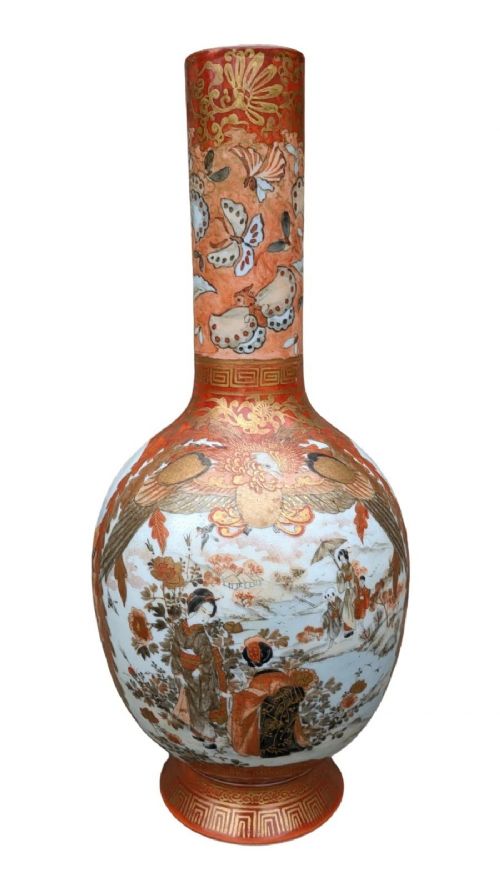
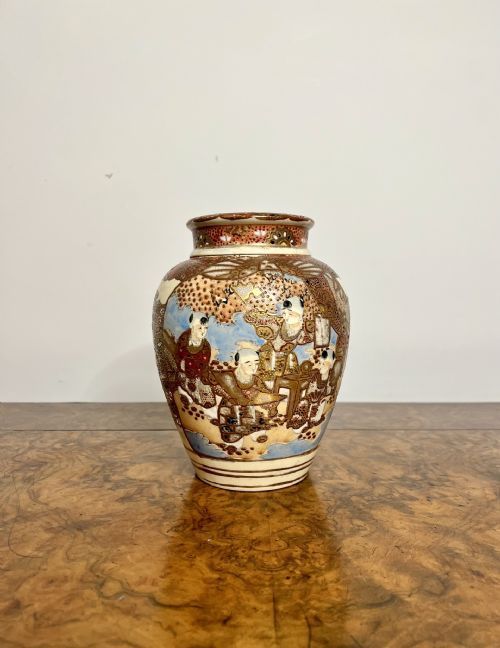

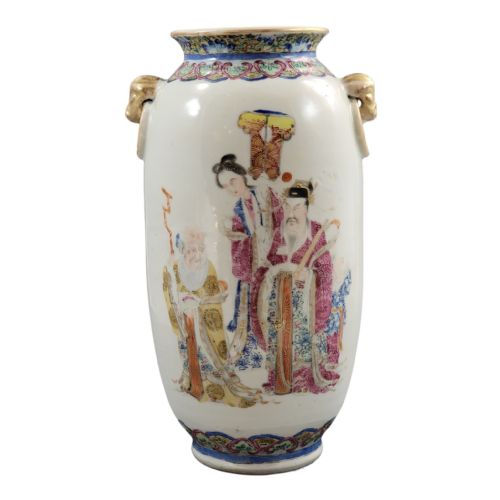

Antique Figural Vase
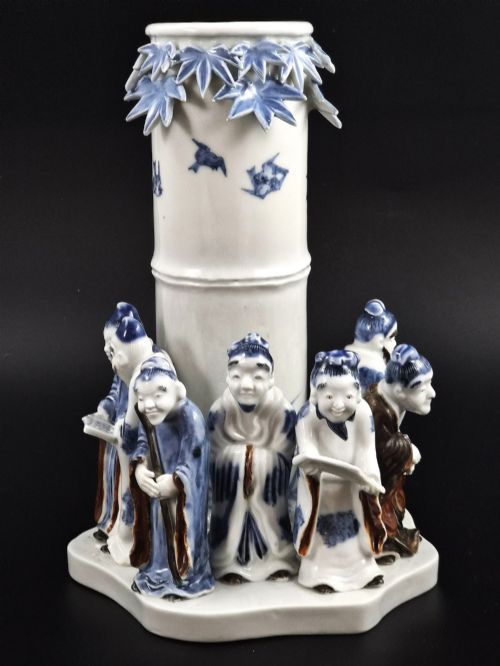
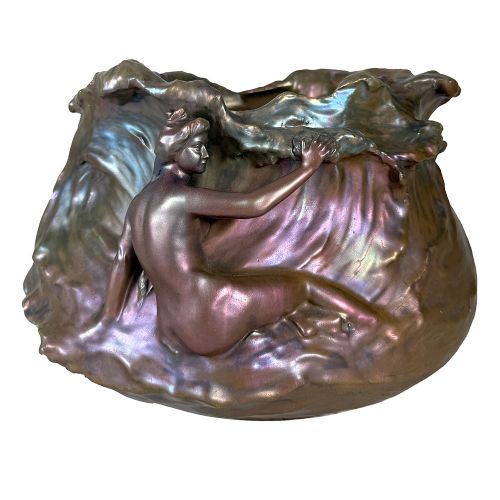
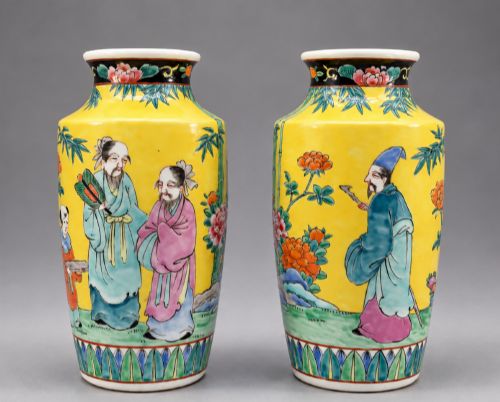
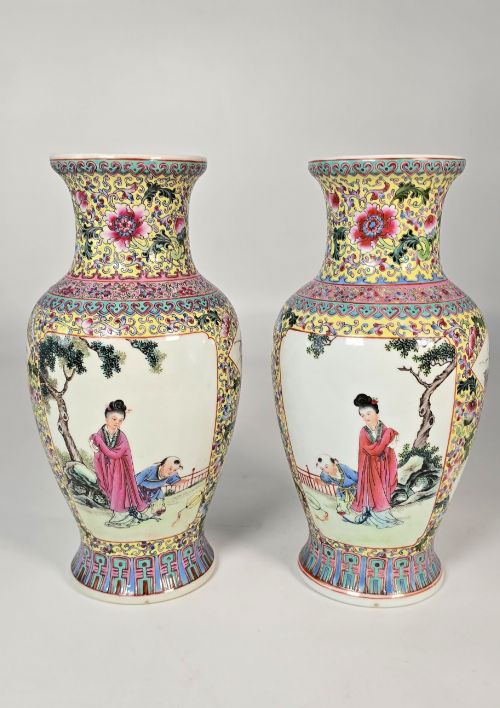
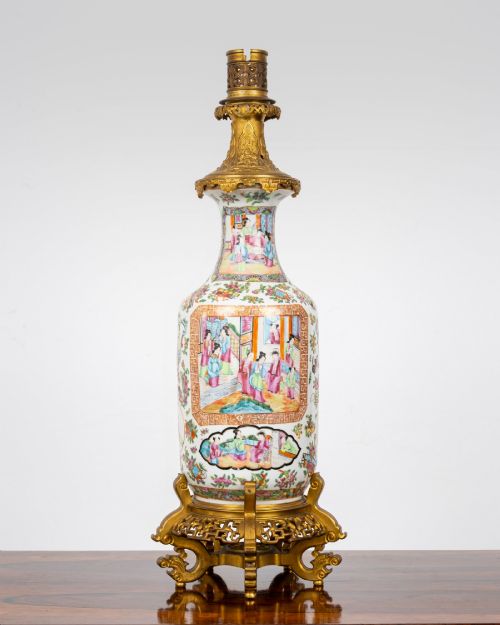
An antique figural vase combines functional vessel form with sculptural human or mythological characters, offering a narrative element to room displays.
Antique Figural Vase
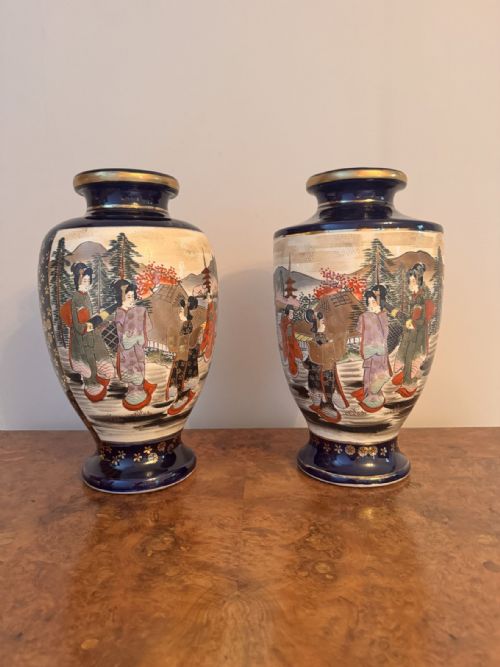
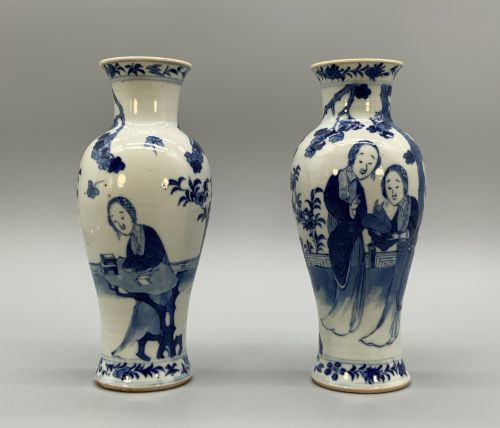
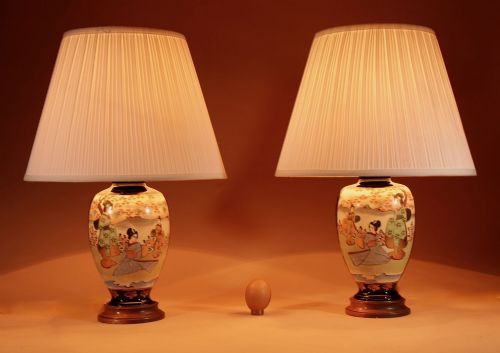
The term antique figural vase encompasses ceramic, porcelain, and bronze vessels integrated with human figures, deities, or mythological subjects. Collectors encounter everything from Japanese Satsuma miniatures to large European majolica pieces and continental porcelain garnitures.
Vessels span the nineteenth century and the early decades of the twentieth century, with distinct representation from Meiji period Japanese studios and Victorian European factories. Common formats include ginger jars, brush pots, ewers, and spill vases where handles or bodies incorporate sculpted forms.
Factors influencing quality
Precision in hand-painted detail and the crispness of modelled figures separate standard production from masterwork pieces. Finer examples display subtle facial expressions and carefully applied gilding that remains intact across intricate surfaces.
The integration between the sculptural element and the vessel body dictates overall design success. Superior pieces balance the weight of the figural handle or attached character with the proportions of the central vase.
Kinkozan·WMF·Schierholtz·Royal Dux·George Nathan and Ridley Hayes
The Antique Figural Vase Glossary
- Moriage
- A Japanese ceramic technique using slip trailed from a nozzle to build up raised decorative patterns. This creates a textured surface often seen on Satsuma and Kutani wares.
- Garniture
- A set of three or more matching vases or ornaments designed for display on a mantelpiece or cabinet. These groupings typically feature a central large urn flanked by smaller matching vessels.
- Bisque
- Unglazed white porcelain fired once to produce a matte, marble-like texture. It is frequently utilised for figural subjects and detailed sculptural vases.
- Majolica
- Heavy earthenware coated with an opaque tin-lead glaze and painted with brightly coloured metal oxides. This technique produces vibrant surfaces on nineteenth-century continental vessels.
- Ewer
- A large jug with a wide spout and a substantial handle, often adapted as a decorative vase. Historical examples frequently incorporate mythological figures into the handle design.
Antique Figural Vase: Frequently Asked Questions
How do I clean an antique figural vase safely?
Dust surfaces gently using a soft, dry brush to protect delicate hand-painted enamel and gilt details.
Avoid submerging pieces in water, particularly those with applied metal mounts or exposed bisque porcelain.
Where should I display a large figural vase?
Place heavy bronze or ceramic vessels on stable, level surfaces away from direct sunlight and heavy foot traffic.
Position them where surrounding lighting highlights the sculptural details and painted scenes.
How can I identify the period of a vase?
Examine base markings, painting styles, and manufacturing techniques to narrow down the decade of production.
Compare decorative motifs against documented examples from Meiji Japan or Victorian Europe.
What is the difference between a spill vase and a standard vase?
Spill vases were historically designed to hold wooden tapers used for lighting fires and candles.
They generally feature narrower openings and shallower interiors than decorative vessels intended for floral displays.