




Antique Export Porcelain Platter
An antique export porcelain platter brings centuries of global trade and kiln craft directly to your table or wall.
Antique Export Porcelain Platter
An antique export porcelain platter encompasses large ceramic serving dishes and chargers made in Asia for Western markets across the seventeenth, eighteenth, and nineteenth centuries. These pieces reflect extensive maritime trade networks linking Chinese and Japanese kilns with European homes.
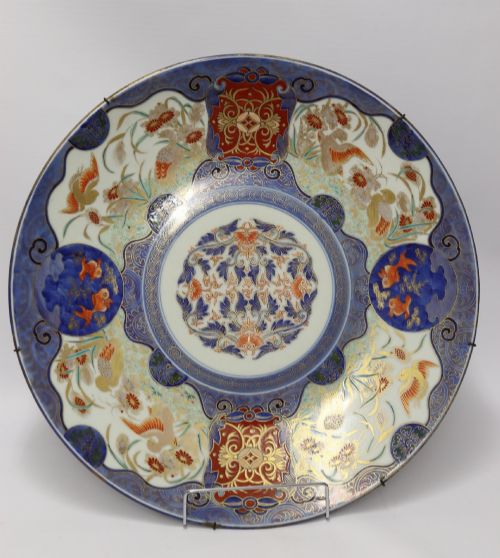
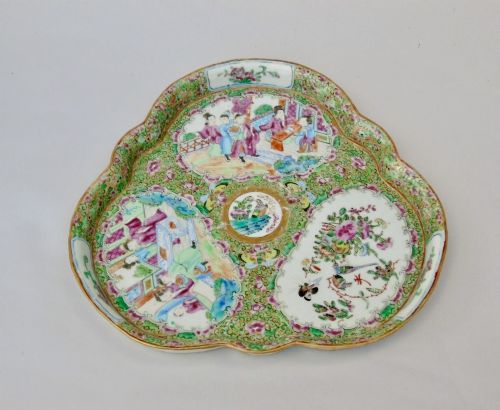
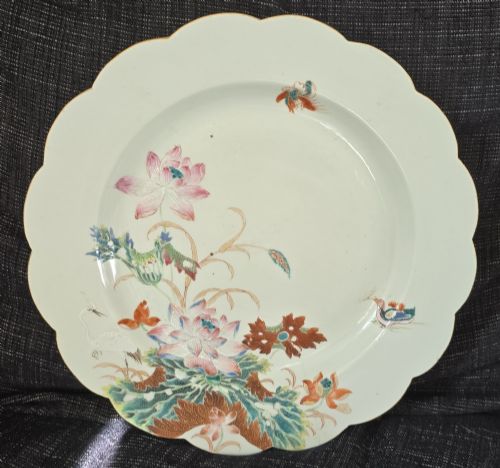
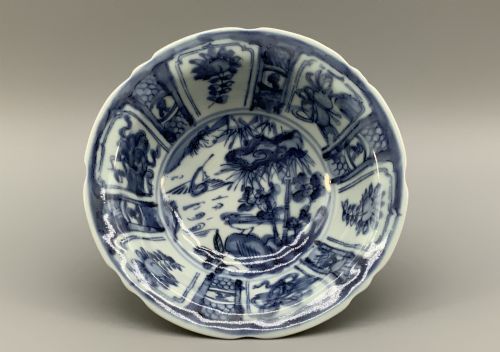
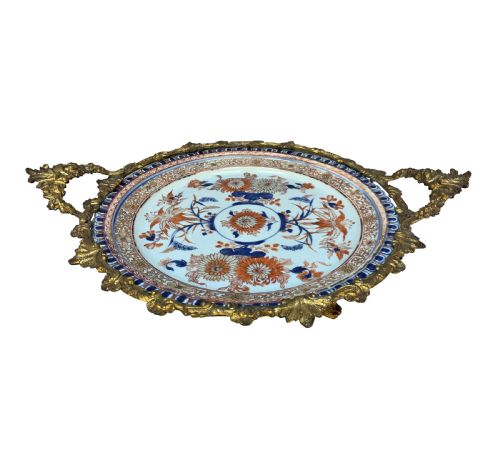
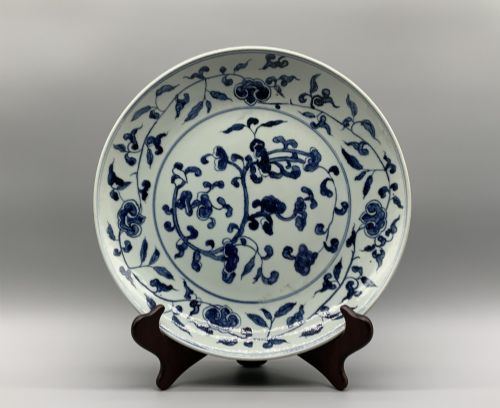
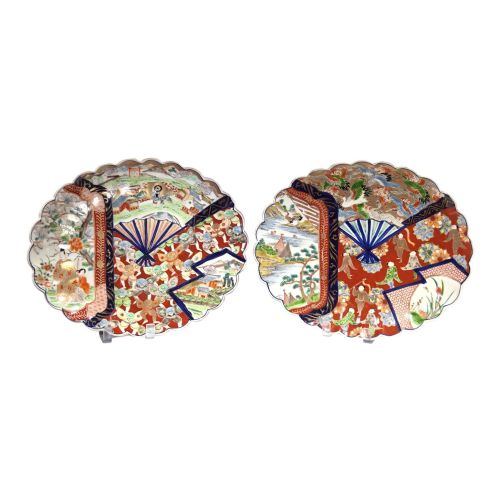
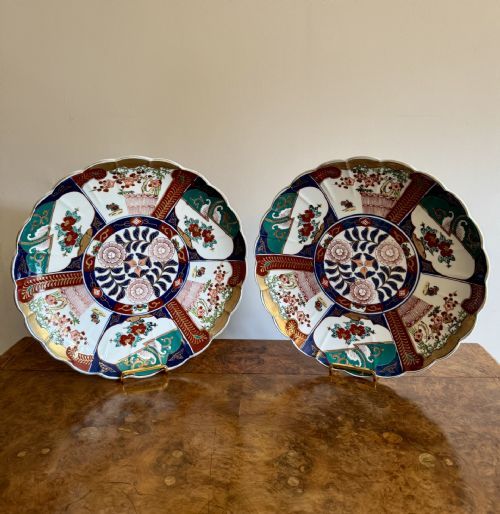
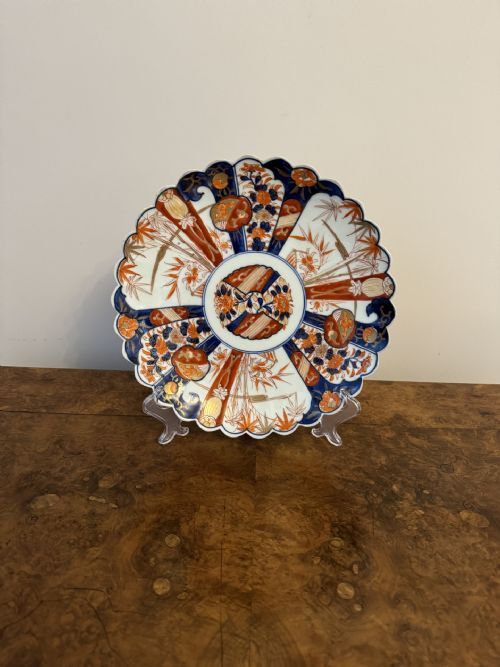
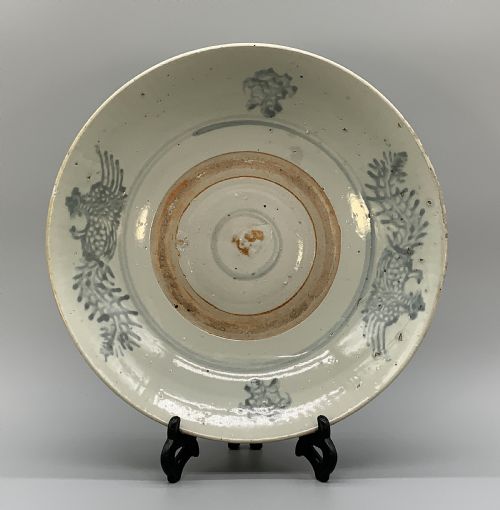
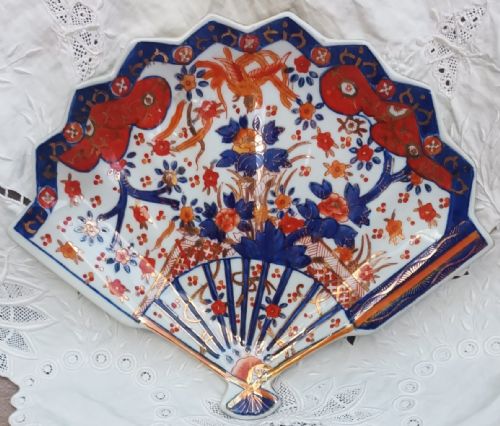
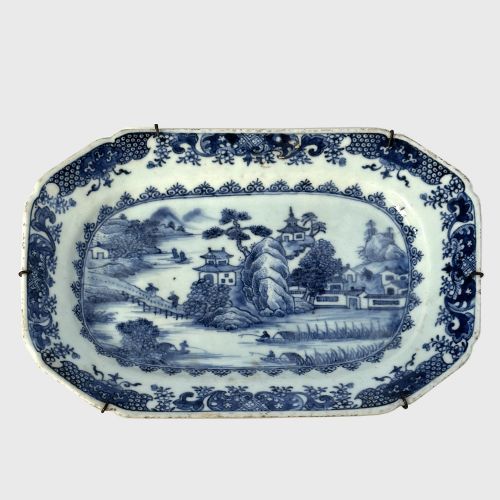
The versions most frequently met on this page include Chinese blue and white serving dishes, Famille Rose plates, and Japanese Imari chargers from the Edo and Meiji periods. Forms range from simple circular plates to scalloped chargers, lobed bowls, and rectangular meat drainers.
Originating primarily from kilns in China and Japan, these platters served practical dining functions alongside decorative display purposes in European households. Their survival demonstrates the durability of hard-paste porcelain created for long sea voyages.
What varies in quality
Quality varies according to the precision of the hand painting and the clarity of the cobalt underglaze or polychrome enamels. Crisp brush strokes and well-defined motifs distinguish the finest chargers from more commercial production.
The complexity of the form also influences distinction, where scalloped edges, lobed surfaces, or ormolu mounts demand greater skill from the potter and metalworker. The uniformity of the porcelain body and the success of the high-temperature firing contribute further to the standing of each piece.
Antique Export Porcelain Platter Retail Price Guide 2026
Typical asking prices for export porcelain platter among the pieces listed under this phrase on Sellingantiques today, from the lower quarter to the upper quarter. They describe what is for sale here now, not the wider market.
Listings feature hard-paste porcelain platters and chargers spanning the seventeenth to the nineteenth centuries, incorporating Chinese export, Japanese Imari, and Victorian iterations.
The Antique Export Porcelain Platter Glossary
- Hard-paste porcelain
- A dense, vitrified ceramic made from petuntse and kaolin fired at high temperatures. This material forms the durable body of most export platters.
- Cobalt underglaze
- A blue pigment applied to the unfired ceramic body before glazing and firing. It produces the deep blue decoration seen on Nanking and Kangxi period wares.
- Imari palette
- A decorative style featuring cobalt blue, iron red, and gold leaf. Originating in Japan, this palette became widely popular on export chargers.
- Famille Rose
- A polychrome enamel palette dominated by opaque pink or rose colours. This style appears frequently on eighteenth-century Chinese export dishes.
- Charger
- A large decorative plate or platter. These substantial vessels were typically displayed on sideboards or used for grand service.
Antique Export Porcelain Platter: Frequently Asked Questions
How were export platters used historically?
Export platters served primarily as large serving vessels for dining tables across Europe during the seventeenth, eighteenth, and nineteenth centuries. They held roasted meats, fish, or communal dishes during formal meals.
Beyond the dining table, many large chargers were displayed upright on sideboards, walls, or cabinets to showcase the wealth and global connections of the household.
How do I care for antique porcelain?
Antique porcelain requires gentle hand washing in lukewarm water using mild, non-abrasive soap. Avoid dishwashers, harsh scrubbers, and soaking, as these can damage old glazes and delicate gold leaf gilding.
Display or store your platters securely away from high-traffic edges where vibrations or accidental knocks could cause chipping or fracture.
What is Kangxi period porcelain?
Kangxi period porcelain refers to items produced during the reign of the Kangxi Emperor in China, spanning from 1661 to 1722. These pieces are celebrated for their luminous cobalt blue underglaze and fine potting.
Platters from this era often display crisp botanical or landscape scenes and possess a particular resonance among collectors of early blue and white ceramics.