



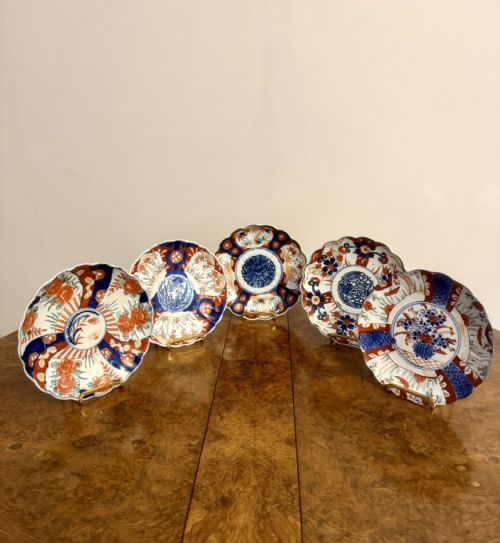
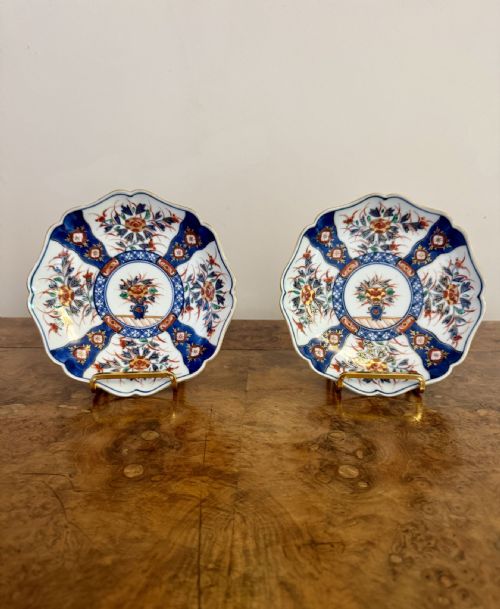
Asian Porcelain Wall Plate
An asian porcelain wall plate brings centuries of hand-painted artistry to a room, offering bold colour and rich cultural history.
Asian Porcelain Wall Plate
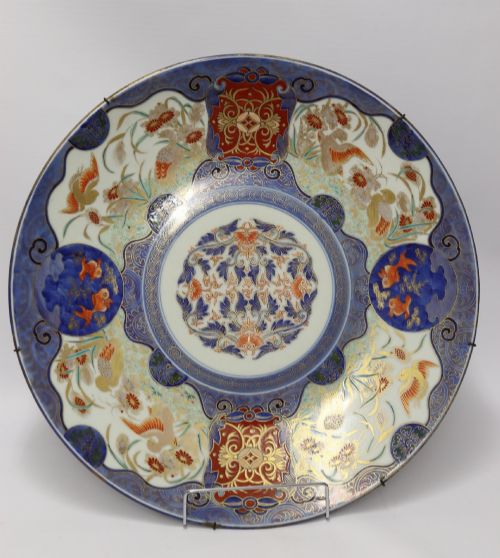
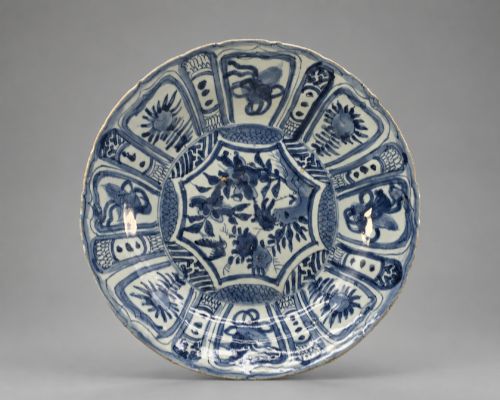
When searching for an asian porcelain wall plate, collectors encounter a diverse range of decorative chargers, dishes, and platters originating from China and Japan. These pieces span multiple centuries, extending from sixteenth-century Ming Dynasty examples through to nineteenth-century Victorian and Meiji period works.
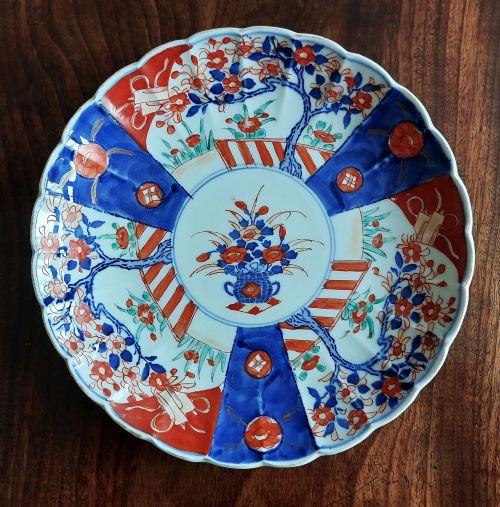
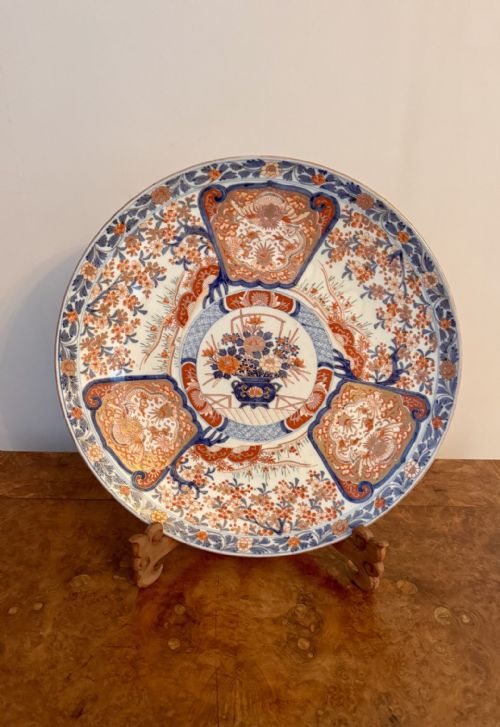
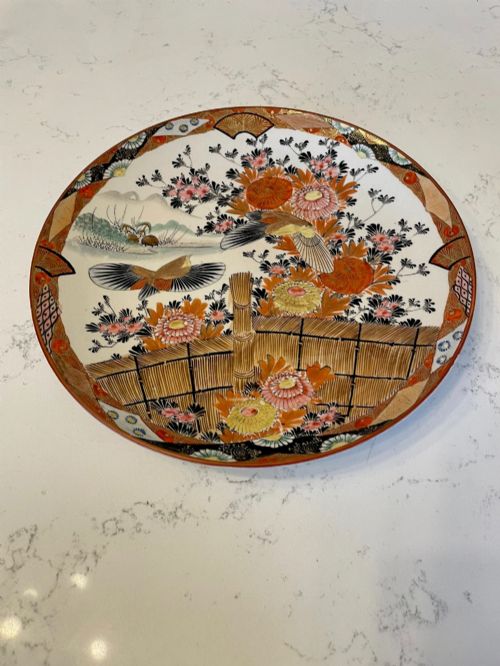
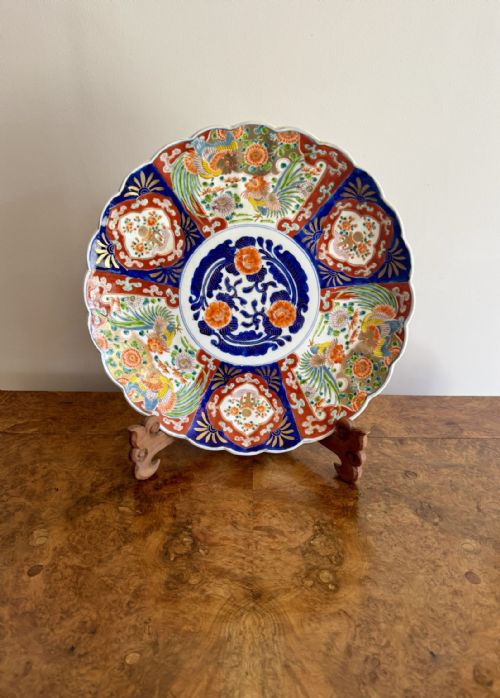
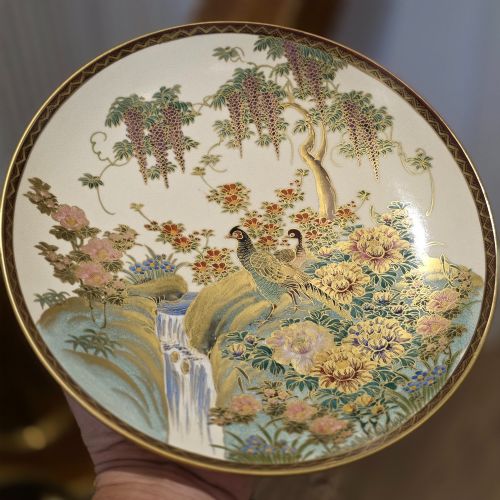
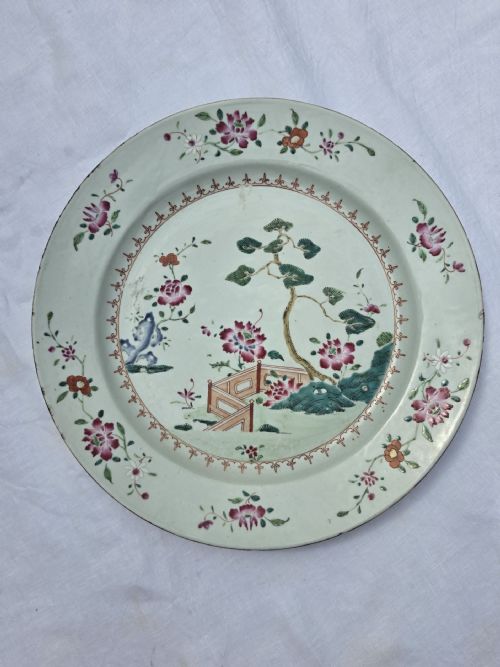
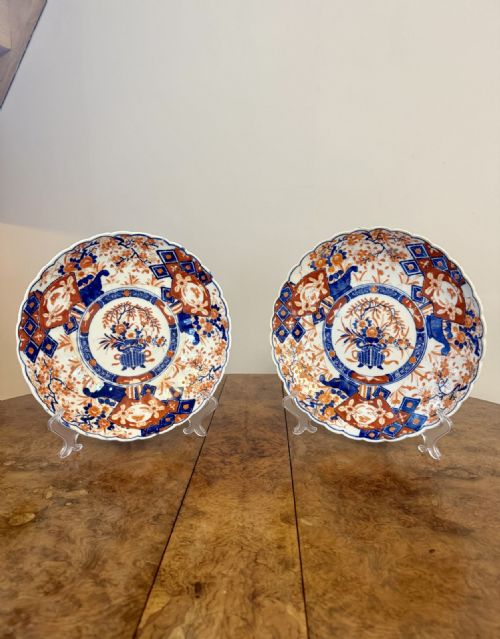
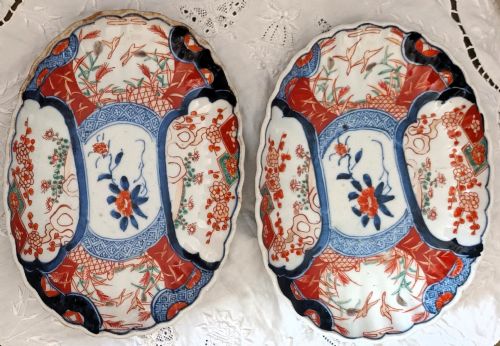
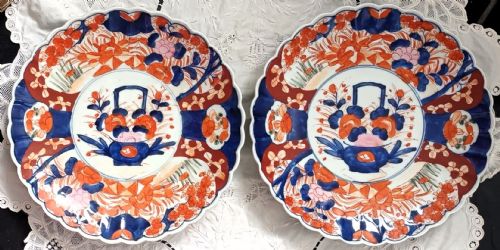
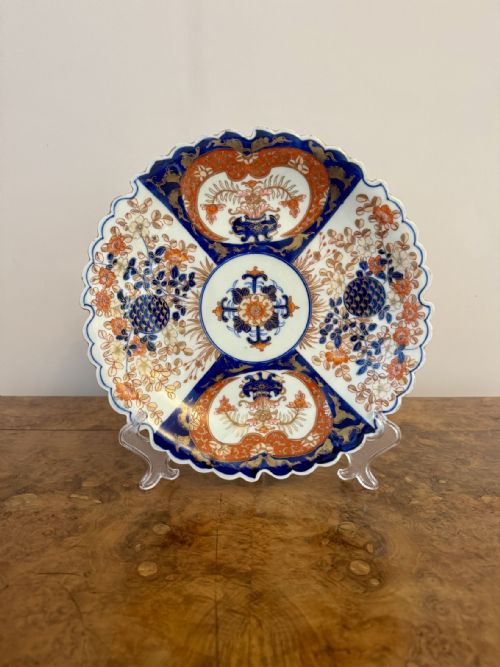
The most common items on this page are Japanese Imari plates and chargers created around nineteen hundred, alongside Chinese export wares and Satsuma dishes. Forms vary from traditional round chargers to scalloped edges, square plates, and shell shapes.
Originating for both domestic display and export trade, these ceramics were designed to be mounted on walls or placed on surfaces to showcase intricate narrative scenes, flora, and fauna.
How they were made
Makers shaped ceramic clay into plates and chargers, then applied cobalt glaze, overglaze enamel, and gold leaf to create vibrant surface patterns. Hand painting formed the core of the technique, requiring precise brushwork for detailed birds, figures, and botanical motifs.
Kiln firing set the glazes and enamels, binding the metallic and mineral pigments to the porcelain body for lasting colour and durability. Gilt and gold leaf additions often received a secondary low-temperature fixative burn.
Asian Porcelain Wall Plate Retail Price Guide 2026
Typical asking prices for asian porcelain wall plate among the pieces listed under this phrase on Sellingantiques today, from the lower quarter to the upper quarter. They describe what is for sale here now, not the wider market.
Listings feature periods spanning from the sixteenth century through the nineteenth century, including the Meiji and Edo eras.
What varies in quality
The refinement of the hand painting separates standard production wares from superior collector pieces, visible in the precision of brush strokes and the complexity of multi-figure or exotic bird compositions. Signed works by notable makers command greater attention due to documented artistic attribution.
The depth and vibrancy of the cobalt blue, the application of gold leaf, and the preservation of overglaze enamels dictate the visual impact of each charger or dish. Heavier, well-balanced ceramic bodies with clean glazes indicate superior kiln execution.
Shozo·Koshida·Meizan
The Asian Porcelain Wall Plate Glossary
- Imari
- A style of Japanese porcelain decorated in underglaze blue, iron red, and gold, named after the port from which it was shipped.
- Kraak
- Chinese export porcelain characterised by blue and white panelled designs, produced mainly during the Ming Dynasty.
- Kutani
- Japanese coloured porcelain known for bold pictorial designs, often incorporating rich red and gold pigments.
- Charger
- A large decorative plate intended primarily for display on a wall or sideboard rather than for dining use.
- Satsuma
- Japanese earthenware with a crackled ivory glaze, typically decorated with fine polychrome enamel and gilt figures.
Asian Porcelain Wall Plate: Frequently Asked Questions
How do I hang a wall plate safely?
Displaying an asian porcelain wall plate requires a spring-loaded brass hanger that grips the rim securely without causing friction damage to the glaze.
Ensure the wall fixing anchors firmly into solid masonry or a stud to support the weight of heavier chargers.
What is the difference between Imari and Kutani?
Imari pieces utilise a distinctive palette of cobalt blue and iron red enhanced with gold, featuring dense botanical or geometric patterns.
Kutani ceramics lean towards pictorial scenes rendered in broader washes of colour, often associated with specific master signatures.
How are different periods identified?
Dating relies on stylistic clues such as the brushwork density, palette combinations, and potting characteristics typical of the Edo or Meiji eras.
Export marks, kiln signatures, and ceramic body weight further narrow down the century of manufacture.
Were these plates used for dining?
Larger examples catalogued as chargers or platters served decorative display functions in formal interiors rather than practical dining use.
Smaller dishes saw occasional service roles, though surviving antique pieces often show minimal wear due to preservation by past collectors.