

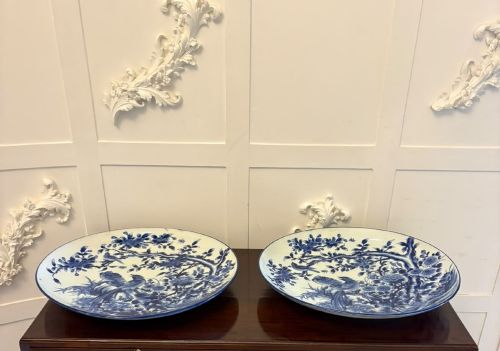
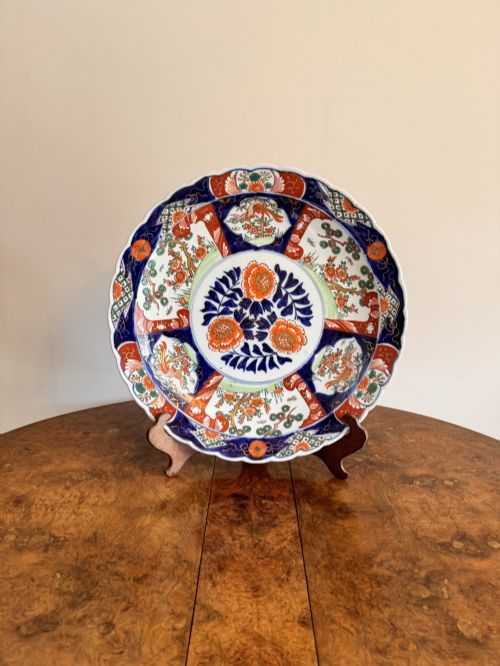
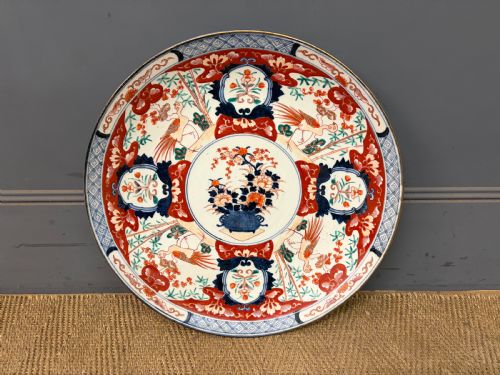
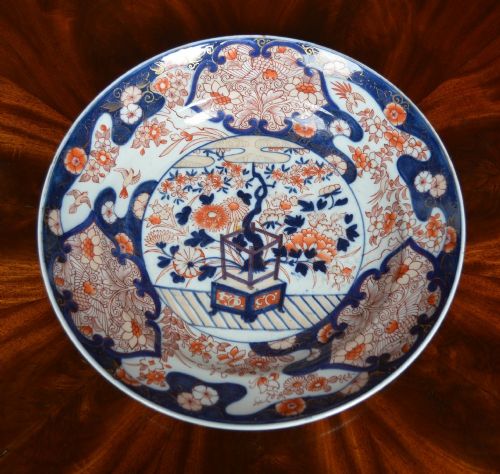

Antique Imari Wall Dish
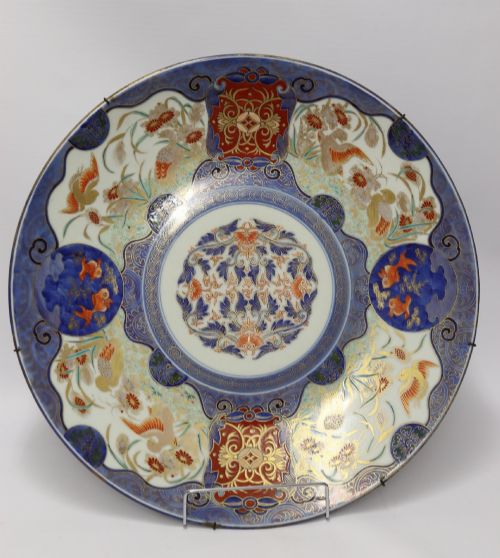
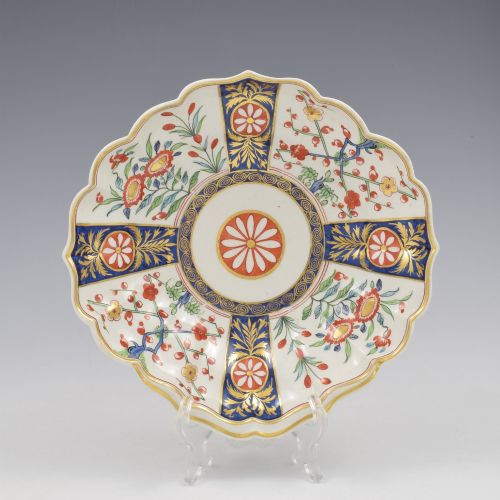
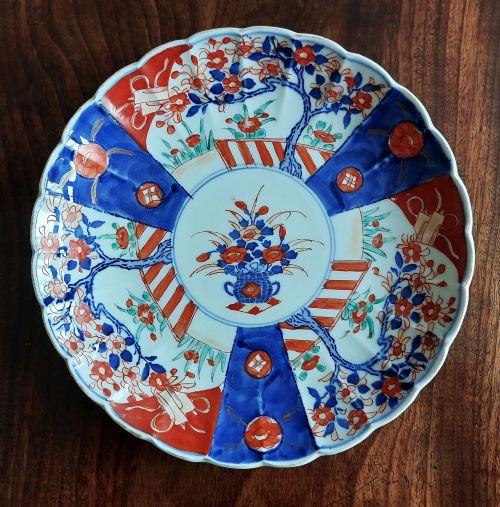
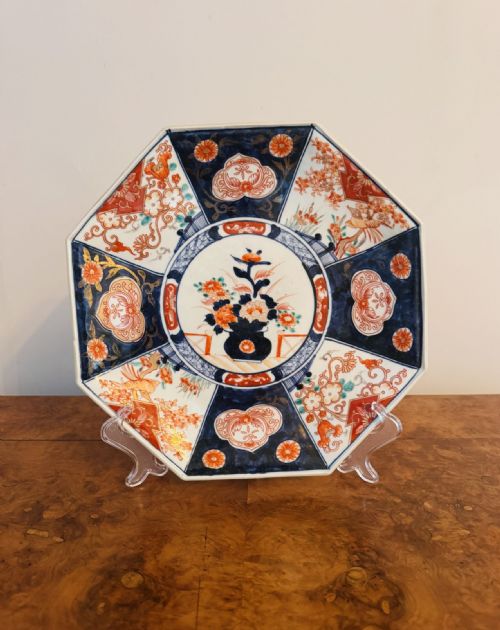
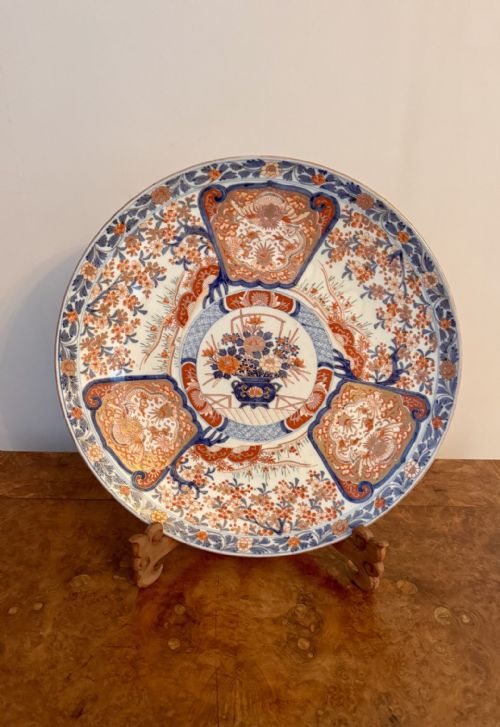
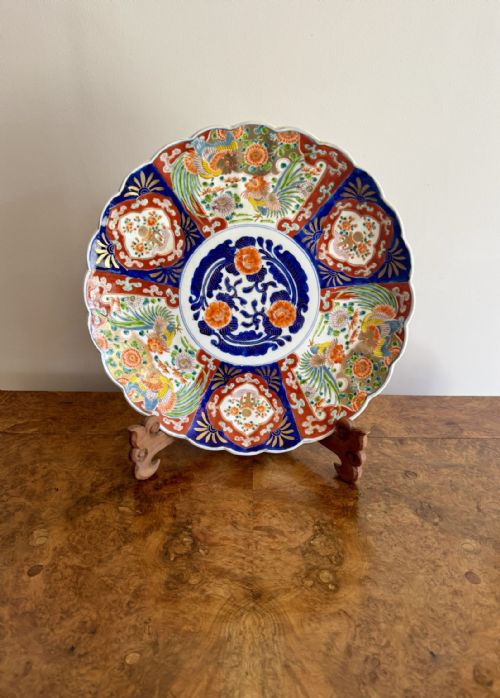
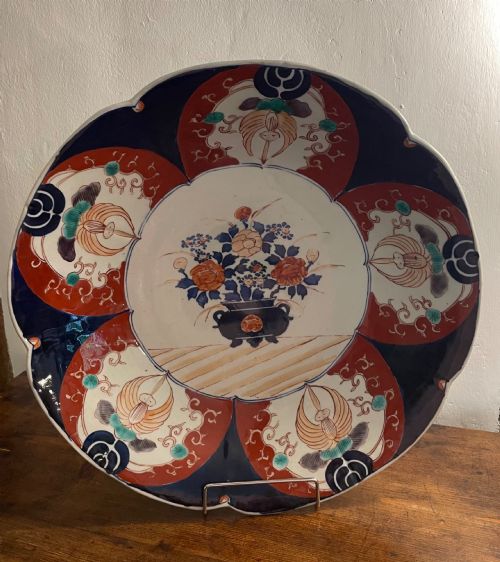
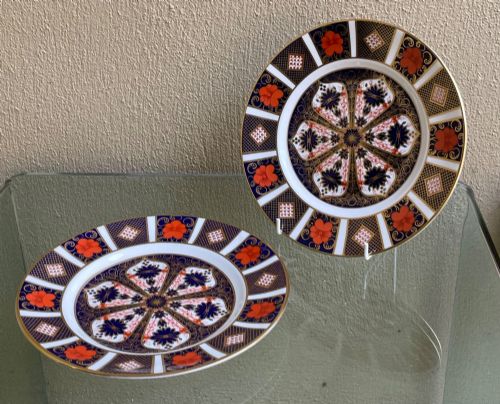
An antique imari wall dish brings rich cobalt blue and iron red porcelain into a room, made for display on walls or surfaces.
Antique Imari Wall Dish
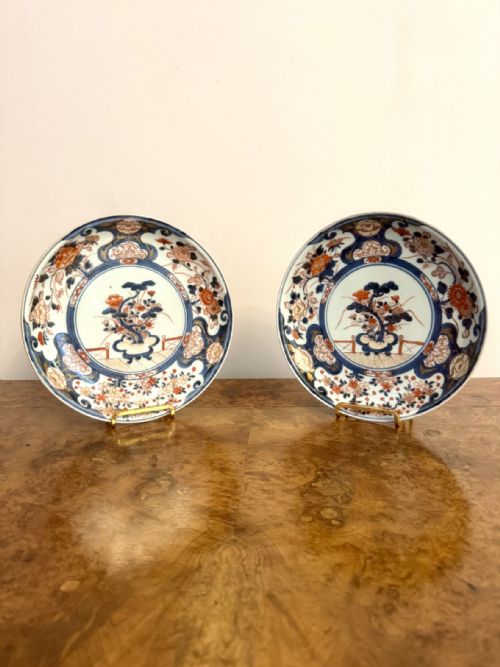
When you search for an antique imari wall dish, you encounter decorative plates and chargers fashioned from porcelain and ceramic. The pieces span periods from the eighteenth century through the nineteenth century, extending into later twentieth century interpretations.
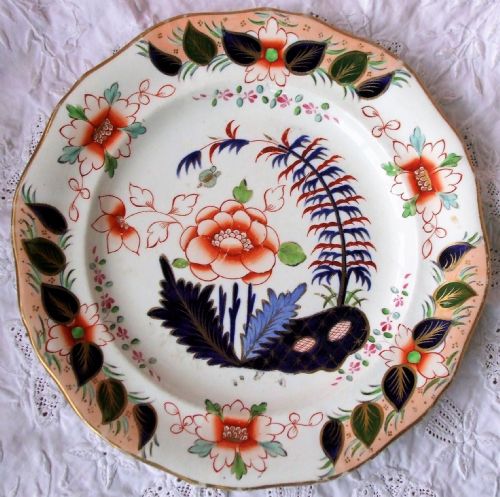
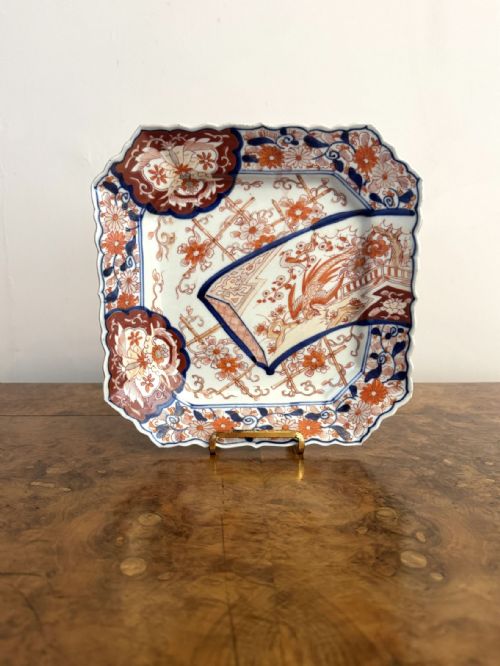
The majority of what you meet on this page originates from Japan, encompassing Meiji period and Edo period works, alongside Chinese export variants and English ironstone adaptations. Forms range from standard circular plates to hexagonal and square shapes, often featuring scalloped edges suited for display.
Makers and regional potteries such as Arita produced these items to satisfy domestic and international demand for vibrant ceramics. Designs frequently incorporate exotic birds or traditional figures, executed in distinct palettes of blue, white, and iron red.
How they were made
Potters shaped porcelain and soft-paste porcelain into plates and chargers, applying intricate hand painted details using underglaze blue and iron red enamel. Many examples integrate gold leaf, gilt, and gilding to accentuate the painted motifs.
Firing techniques in kilns established durable glazes over ceramic bodies, while specialised workshops utilised ironstone or porcelain formulations to achieve specific plate weights and structural rigidity. Surface decoration relies upon the fusion of glaze and enamel during high temperature firings.
Antique Imari Wall Dish Retail Price Guide 2026
Typical asking prices for imari wall dish among the pieces listed under this phrase on Sellingantiques today, from the lower quarter to the upper quarter. They describe what is for sale here now, not the wider market.
Listings feature Japanese Meiji period porcelain alongside eighteenth century Chinese export pieces and nineteenth century English ironstone.
What varies in quality
The distinction between standard production wares and superior pieces rests upon the precision of the hand painting and the complexity of the composition. Plates depicting narrative scenes or the Seven Lucky Gods demonstrate greater artistic ambition than repetitive geometric borders.
The crispness of the porcelain body and the vibrancy of the enamel colours determine the visual impact of an individual dish. Variations in plate geometry, such as hexagonal or square configurations, require higher technical skill from the potter than simple circular forms.
John Davenport of Longport
The Antique Imari Wall Dish Glossary
- Imari Style
- A decorative ceramic aesthetic originating in Japan, characterised by a palette of cobalt blue, iron red, and gilt highlights. This style was subsequently copied by European and Chinese potteries.
- Meiji Period
- The era in Japanese history spanning from 1868 to 1912, noted for a significant output of porcelain and decorative chargers exported worldwide. Pieces from this time often exhibit detailed hand painted motifs.
- Charger
- A large decorative plate traditionally intended for display on a wall or sideboard rather than dining use. These items provide a wider surface area for complex pictorial compositions.
- Ironstone
- A type of durable ceramic developed in nineteenth century England as a robust alternative to porcelain. It readily accepts imari pattern transfers and hand painted enamels.
- Soft-paste Porcelain
- A ceramic material composed of clay and glass frit, fired at lower temperatures than true hard-paste porcelain. It produces a warm texture beneath the glaze.
Antique Imari Wall Dish: Frequently Asked Questions
How were imari dishes displayed historically?
Dishes and chargers were mounted on walls or arranged on sideboards to showcase their rich enamel palettes and intricate painted patterns.
Their size and decorative presence made them focal points in domestic interiors across different periods.
Can these antique plates be hung on walls?
Many examples are specifically suited for wall display, provided proper mounting hardware supports the weight of the ceramic.
Care must be taken to secure the rim or base without damaging the porcelain body.
What is the difference between Japanese and English imari?
Japanese pieces generally consist of porcelain bodies decorated with traditional Meiji or Edo period motifs, while English versions often employ ironstone.
European interpretations adapt the characteristic blue, red, and gold palette onto local ceramic forms.
How do I identify a Meiji period dish?
Meiji period items date from the late nineteenth century, reflecting the artistic output of Japan following the opening of trade.
They frequently feature hand painted birds, figures, or floral arrangements in vibrant iron red and cobalt blue.