
Antique Enamel Vessel
An antique enamel vessel brings rich colour and enduring craftsmanship to a room.
Antique Enamel Vessel
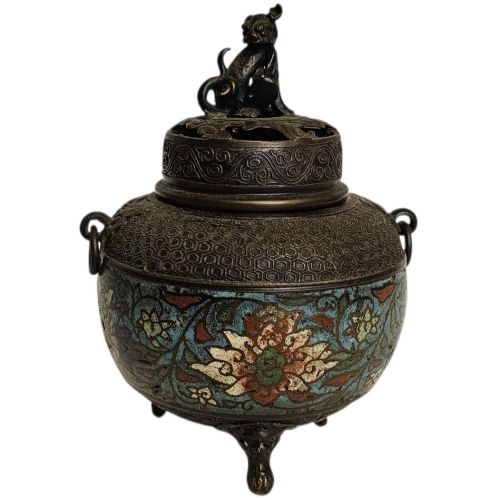
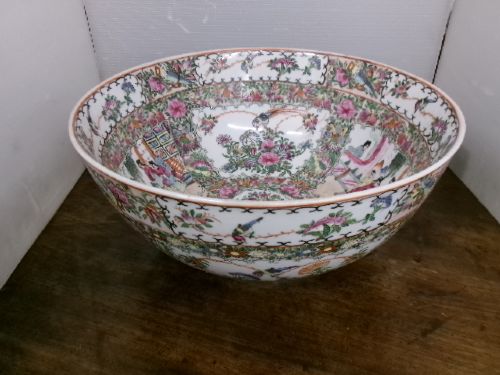
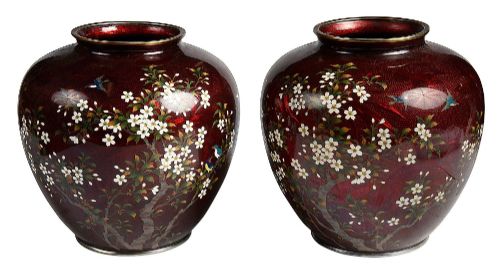
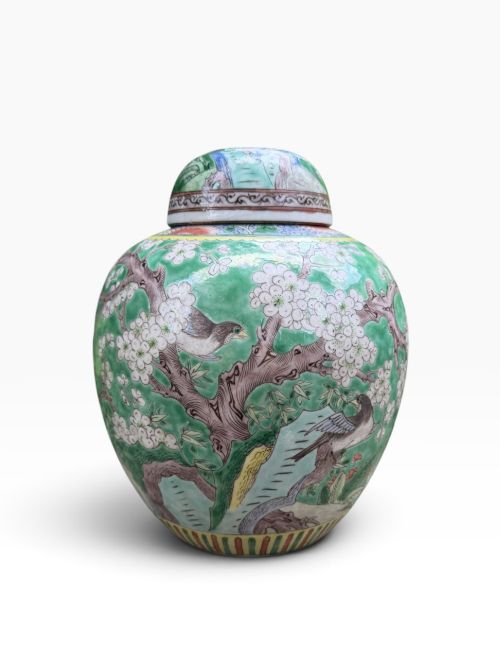
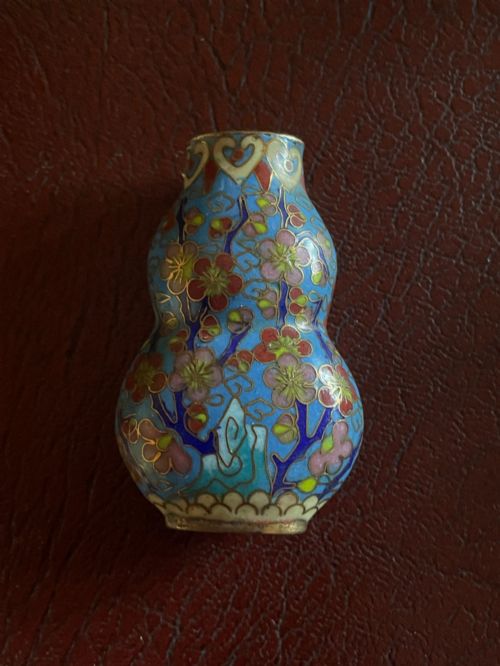
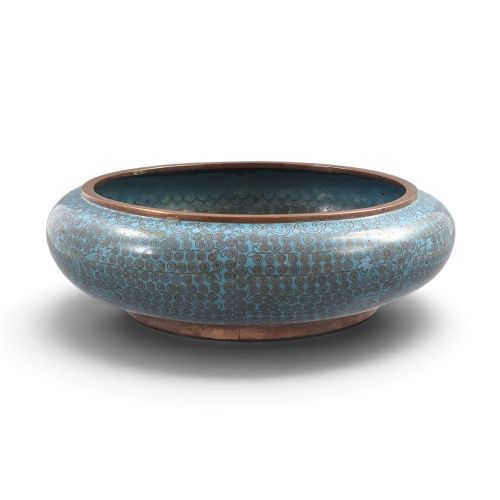
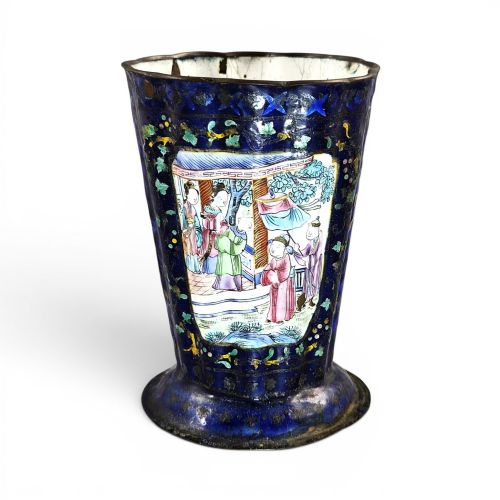
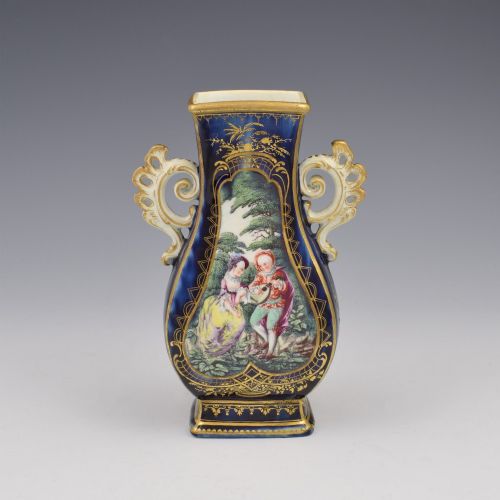
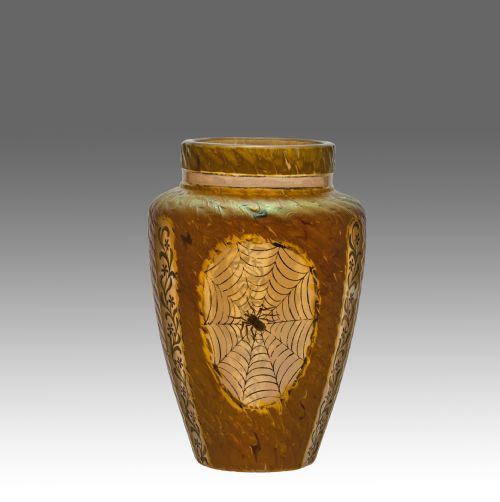
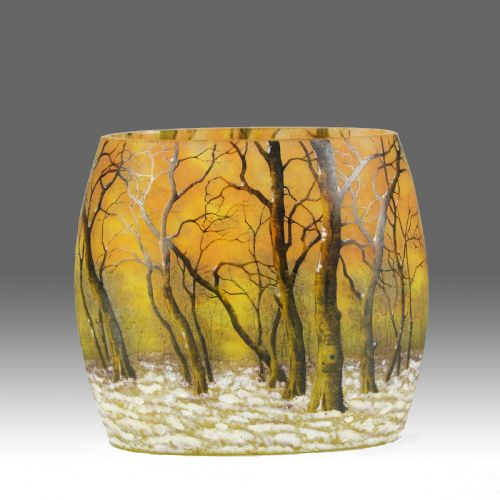
When you search for an antique enamel vessel, you encounter a diverse selection of decorative objects spanning multiple continents and centuries. The choices on this page range from Chinese cloisonné censers and scholar's brush washers to French champlevé and gilt bronze centrepiece bowls.
How they were made
The makers of these items utilised copper, bronze, glass, and porcelain as foundational bodies for the application of vitreous pastes. Techniques such as cloisonné involved soldering delicate metal wires to form cells, which were then filled with coloured enamel before firing.
Certain nineteenth-century glass vases were playfully decorated with enamelled hunting foxes, bringing British sporting traditions onto delicate continental surfaces.
What varies in quality
The distinction between ordinary and exceptional items lies in the precision of the metalwork and the clarity of the enamel pigments. Finer pieces display meticulous hand-painted detail and tightly executed wirework without irregularity or cloudiness in the fused glass.
Overall harmony of design, depth of gilding, and the sophistication of the underlying bronze, glass, or porcelain body further elevate the standing of a piece within its period.
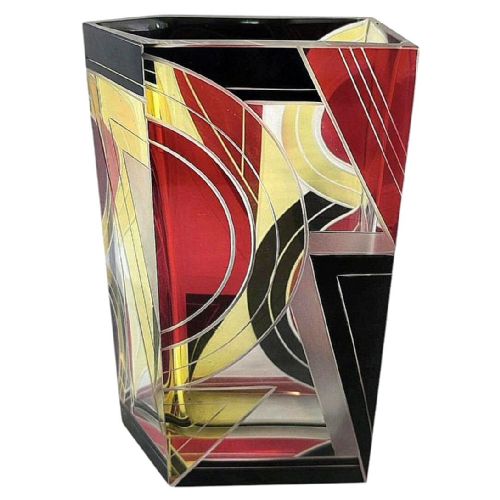
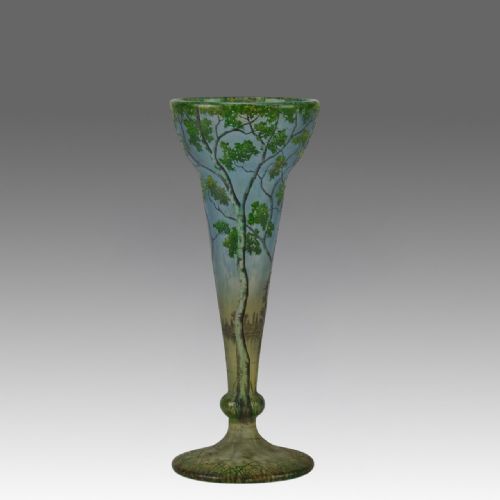
Daum Freres·Kralik Glass·Legras·Makuzu Kozan II
The Antique Enamel Vessel Glossary
- Cloisonné
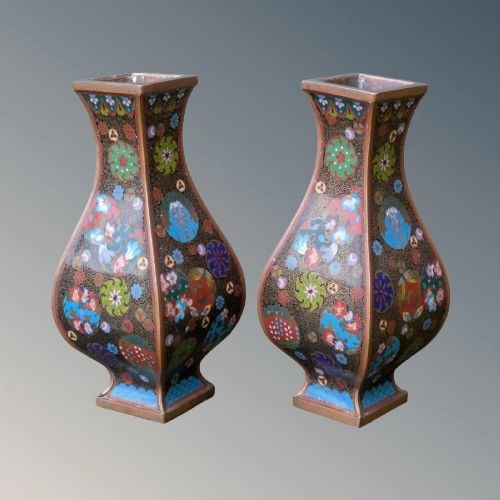
- A decorative metalwork technique where fine wires form raised barriers on a surface to create compartments filled with enamel paste. This method produces intricate, partitioned patterns visible on many Asian and European vessels.
- Champlevé
- A technique where troughs or recesses are carved directly into a metal base, such as bronze or copper, and filled with enamel before firing. It yields bold linear designs with substantial metal borders.
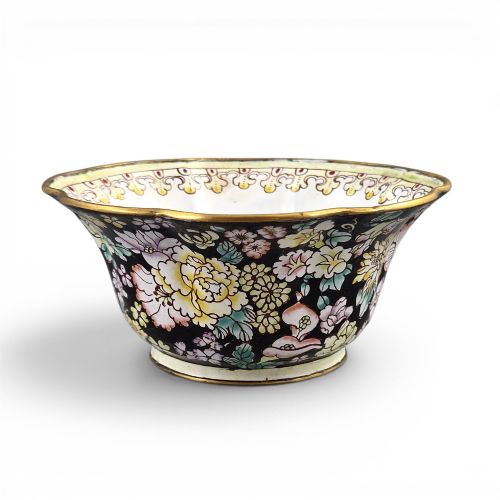
- Famille Rose
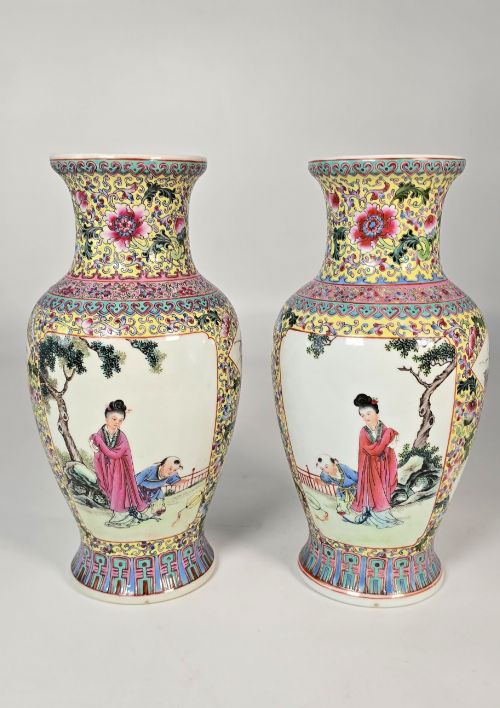
- A palette of opaque rose-pink and other soft enamel colours introduced in Chinese ceramics during the Qing dynasty. Pieces decorated in this style frequently depict floral or figural scenes.
- Meiji Period
- A Japanese historical era lasting from 1868 to 1912 noted for exceptional decorative arts, including highly refined cloisonné vases and Satsuma pottery exported worldwide.
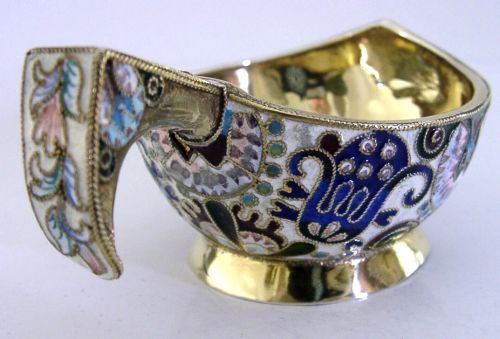
- Kovsh
- A traditional Russian drinking vessel shaped like a boat or water bird, often rendered in silver-gilt and decorated with vibrant cloisonné enamel.
Antique Enamel Vessel: Frequently Asked Questions
How do I clean an antique enamel vessel?
Dust the item gently with a soft, dry cloth to prevent accumulation. Avoid liquid cleaners, harsh abrasives, or immersion in water, as these can damage exposed metal grounds and delicate enamel surfaces.
For stubborn grime, consult a professional conservator rather than attempting chemical treatments at home. Preserving the original surface integrity remains paramount for these historic objects.
Where were most cloisonne vessels made?
A significant proportion of cloisonne items originates from China and Japan, spanning dynasties such as the Qing and the Meiji period. European workshops in France also produced notable champleve and cloisonne decorative items during the nineteenth century.
Stylistic motifs and metal composition generally indicate the specific geographic origin of each piece. Examining the base and interior often reveals clues about the manufacturing culture.
How do I date an enamel piece?
Dating relies on stylistic markers, manufacturing techniques, and any accompanying reign marks or signatures on the base. Victorian and late nineteenth-century items often feature distinct colour palettes and heavy bronze or brass mounts.
Comparing the object's form and enamel composition to documented examples from periods like Art Nouveau or the Qing Dynasty helps narrow the timeframe. Maker signatures provide the most precise chronological anchor.